
States with busy roads and high traffic often report more road rage incidents on average.

Road rage remains a pressing safety concern across many U.S. states, with some experiencing notably higher levels of reported aggressive driving incidents. Factors like heavy traffic congestion, fast-paced highways, and large tourist populations contribute to heightened tensions behind the wheel. Understanding which states report more road rage—and recognizing warning signs—can help drivers maintain composure, follow local traffic laws, and promote safer roads for everyone.
1. California consistently experiences a high volume of reported road rage incidents.
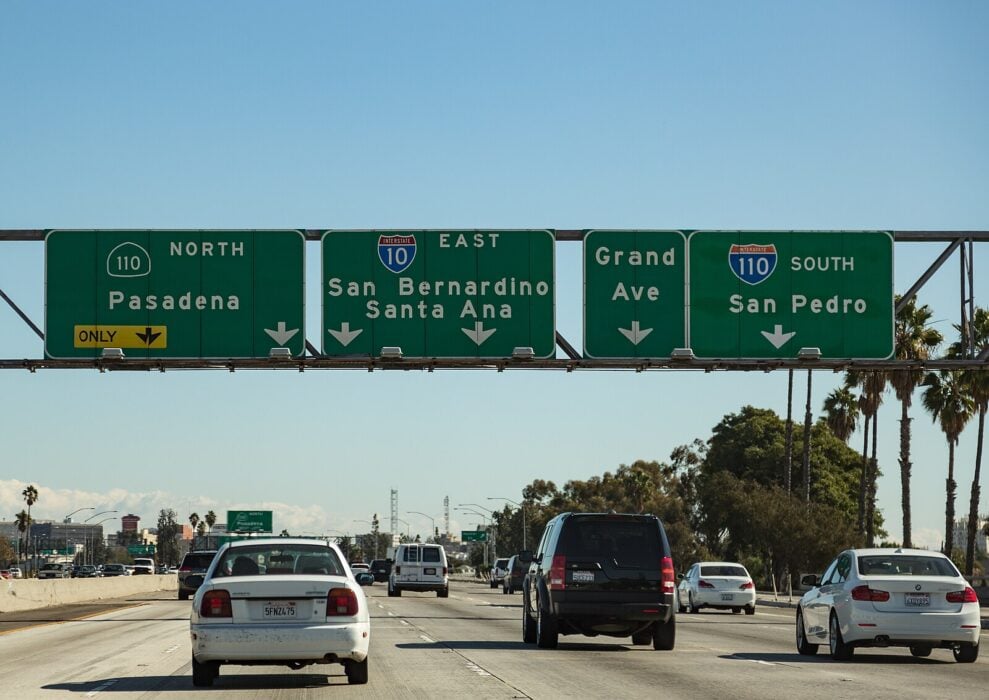
California’s sprawling freeway system sees a torrent of vehicles every day, leading to a high number of reported road rage incidents. Intense traffic congestion, especially around major cities like Los Angeles, creates an environment ripe for driver frustration, increasing aggressive interactions.
The state’s diverse driving population and packed roads magnify tensions. Situations like bumper-to-bumper traffic on I-405 can exacerbate stress levels. The sprawling nature of Californian roads highlights the importance of defensive driving to mitigate risks associated with aggressive driver behaviors.
2. Florida drivers are frequently noted for aggressive behaviors behind the wheel.

In Florida, drivers regularly encounter aggressive behavior on the road. Its tropical climate and bustling tourism industry, especially in Miami, mean the roads are often packed, heightening tensions. These factors contribute to a higher prevalence of road rage incidents in the state.
Aggressive driving in Florida isn’t just about rapid lane changes or tailgating; the state’s tourists are often unfamiliar with local roads, creating further frustration. Highlighting these dynamics allows an understanding of the important role of traffic safety awareness in Florida’s crowded streets.
3. Texas ranks prominently due to its bustling highways and fast-paced traffic.

Texas presents a formidable landscape of sprawling highways teeming with vehicles at high speeds, leading to a significant number of road rage incidents. The state’s extensive road networks, connecting major cities like Houston and Dallas, witness a frenetic pace of life on wheels.
Congested highways and urban sprawl in Texas fuel driver impatience, occasionally tipping into aggressive driving. Understanding these dynamics may explain why Texas consistently ranks high in road rage incidents, underlining the value of awareness in promoting safer driving practices.
4. New York sees elevated road rage cases, especially in congested urban areas.

Crowded, bustling streets of New York often become hotspots for elevated road rage. The dense urban environment, particularly in New York City, makes tempers fray easily, contributing to a remarkable number of reported aggressive driving incidents.
In such environments, drivers are often exposed to constant noise, crowded lanes, and unexpected delays. This story of congestion reflects why New York is frequently highlighted for its road rage issues, emphasizing the need for calm adherence to traffic laws.
5. Illinois reports numerous instances of driver frustration in crowded city streets.

Illinois, with its mix of urban congestion and suburban sprawl, frequently encounters driver irritation. Chicago, known for the ‘L’ and sprawling streets, sees reports of road rage due to traffic bottlenecks and often impatient motorists vying for space.
On crowded city streets, stopping-and-starting in heavy traffic can lead to increased levels of driver frustration. Illinois’ situation underscores the impact of urban congestion on road safety, emphasizing measured responses to ensure harmonious transit.
6. Georgia’s busy roadways contribute to a notable amount of driver aggression.
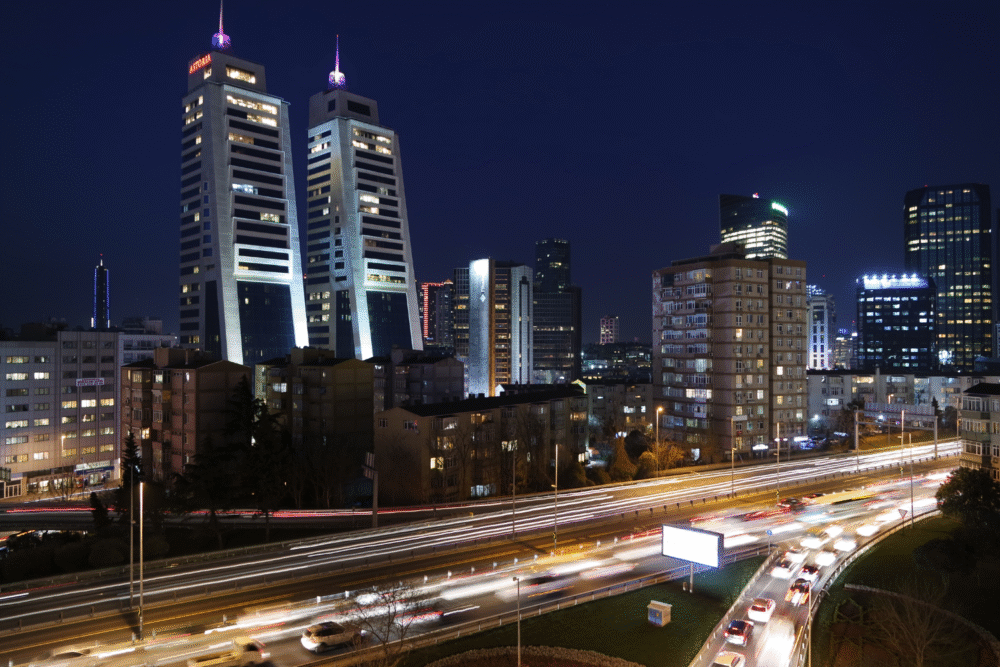
Georgia’s highways are notorious for busy traffic, fueling notable driver aggression levels. Atlanta, Georgia’s capital, experiences significant daily congestion, creating conditions ripe for road rage among commuters trying to navigate its web of interstates and local roads.
This aggressive driving landscape highlights an interplay between road design and driver behavior. With commuters racing against time in Georgia’s dense traffic, understanding these dynamics provides insight into why road rage is prevalent in this Southern state.
7. Arizona drivers often display impatience, leading to heightened road rage reports.

Arizona’s expansive desert roads see heightened levels of driver impatience, amplifying road rage reports. The vast stretches and rising temperatures further trigger frustration among motorists, leading to aggressive exchanges on the seemingly endless highways.
Driver impatience becomes especially pronounced during long commutes. Understanding how Arizona’s geographic and climatic contexts contribute to road rage offers perspective on the state’s road safety challenges, emphasizing the need for patience and mindfulness behind the wheel.
8. Nevada’s combination of tourist traffic and local drivers increases road tensions.

The unique blend of tourist traffic and local drivers in Nevada intensifies road tensions, contributing to frequent reports of road rage. Las Vegas, with its vibrant tourism sector, sees roads teeming with unfamiliar drivers, adding layers to the state’s driving dynamic.
In such a bustling environment, local drivers may grow impatient with tourists navigating the Strip. These interactions underline Nevada’s position among states with high road rage incidences, emphasizing the need for awareness and understanding in mixed-traffic environments.