
Navigating the checkout aisle when global economics gets personal.

In the grand theater of global trade, where tariffs are wielded like chess pieces by world leaders, the consequences often land with a quiet thud in the most mundane of places: your grocery cart. The intricate dance of supply chains and import taxes can feel distant, until the price of your favorite coffee or fruit suddenly climbs.
Yet, not all foods are caught in this economic crossfire. A strategic approach to your shopping list can insulate your wallet from the shocks of international markets, focusing on staples that are reliably homegrown, hearty, and less susceptible to the whims of geopolitical tensions.
1. Humble lentils and beans are your pantry’s best friend.
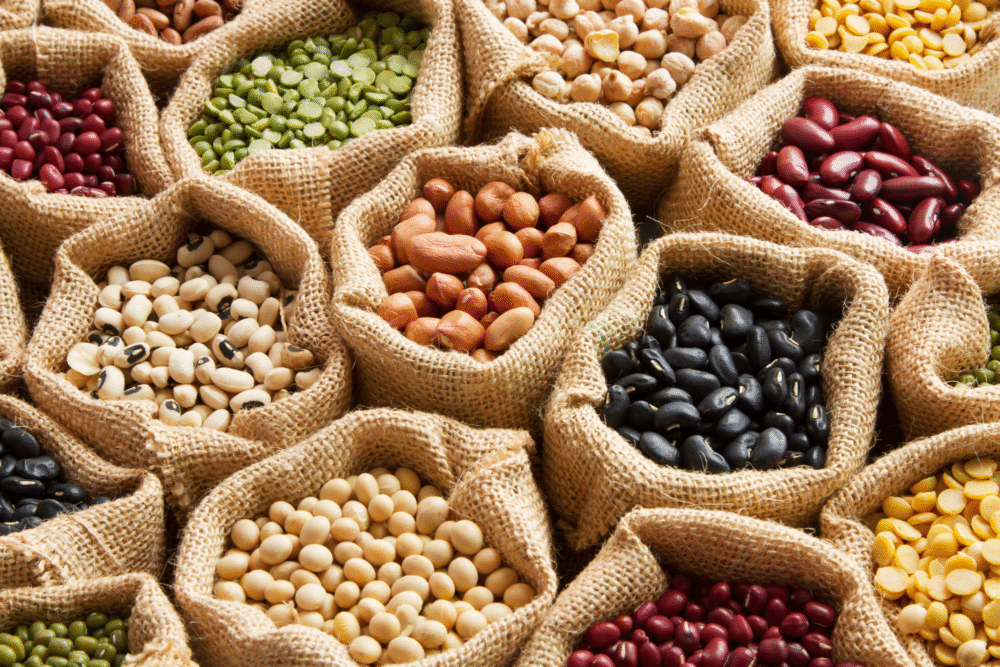
As a cornerstone of budget-friendly eating, dried legumes like lentils, chickpeas, and black beans are largely shielded from international trade disputes. The vast majority of these powerhouse ingredients are grown domestically across North America, meaning their journey from farm to store is short and their price is not directly inflated by import taxes. They are nutritional dynamos, packed with protein and fiber, offering a substantial base for countless meals.
Their incredible shelf life adds another layer of financial security. You can stock up when prices are low without worrying about spoilage, creating a buffer against future market volatility. Building a meal around these staples is one of the most effective ways to keep your food costs predictable and low.
2. Versatile oats will always be an affordable staple.
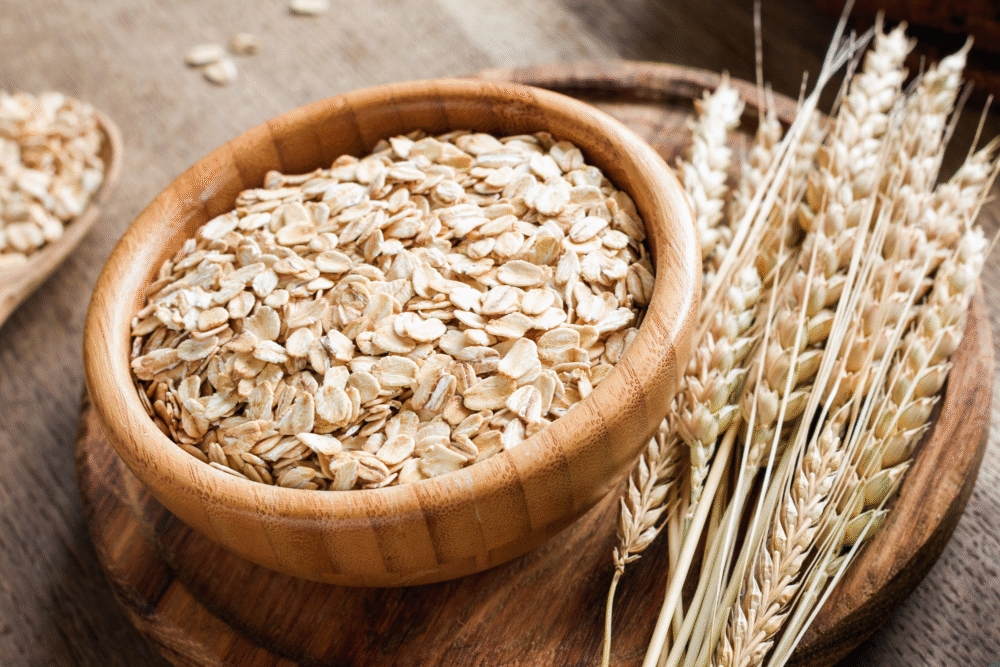
Few ingredients offer the cost-to-fullness ratio of rolled oats. As a crop predominantly grown in the U.S. and Canada, the supply chain for oats is secure and less exposed to overseas tariffs that might affect more exotic grains. This makes a canister of oats one of the most dependable and economical purchases you can make in the entire grocery store, providing a foundation for more than just a morning meal.
Beyond breakfast porridge, oats can be ground into flour for baking, used as a binder in meatloaf or veggie burgers, or blended into smoothies for added fiber. Their versatility allows them to stretch other, more expensive ingredients, helping you reduce food waste and lower your overall grocery bill while remaining a consistently low-cost item.
3. The mighty potato remains a king of local produce.
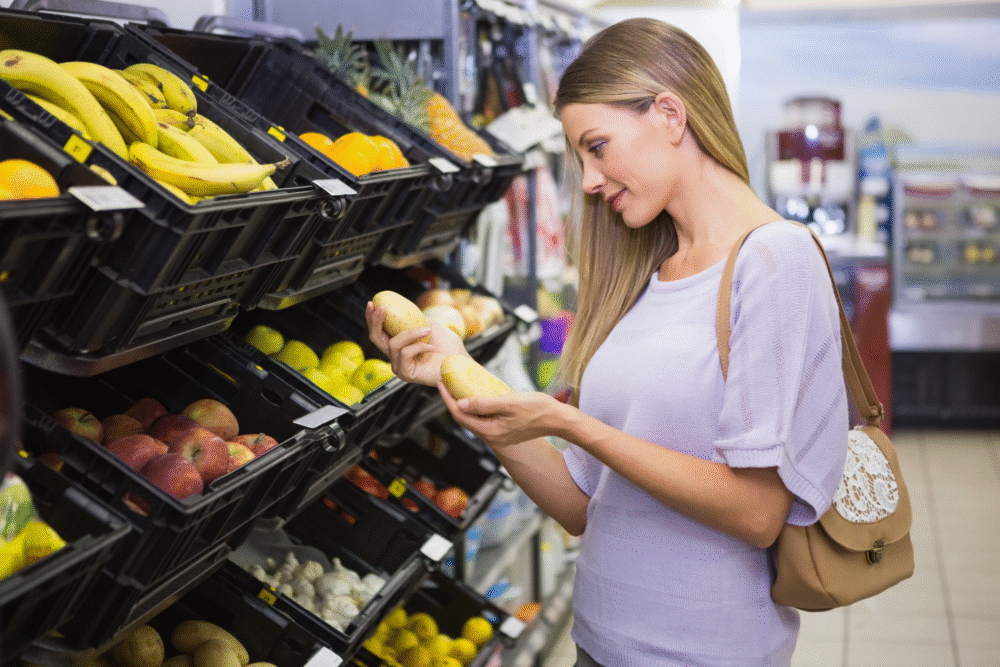
Potatoes are a testament to agricultural resilience and local production. Grown in abundance across the United States, this staple crop rarely needs to cross an ocean to get to your plate. This domestic self-sufficiency means its price is dictated more by local growing conditions than by international trade winds and tariffs. Potatoes are consistently one of the cheapest sources of calories you can buy, making them a bulwark against rising food costs.
Whether baked, mashed, roasted, or fried, their adaptability is unmatched. A simple bag of potatoes can be transformed into a week’s worth of side dishes or serve as the hearty centerpiece of a meal. Their reliability in both price and supply makes them a crucial component of any budget-conscious kitchen.
4. Hearty cabbage is an unsung hero of affordability.
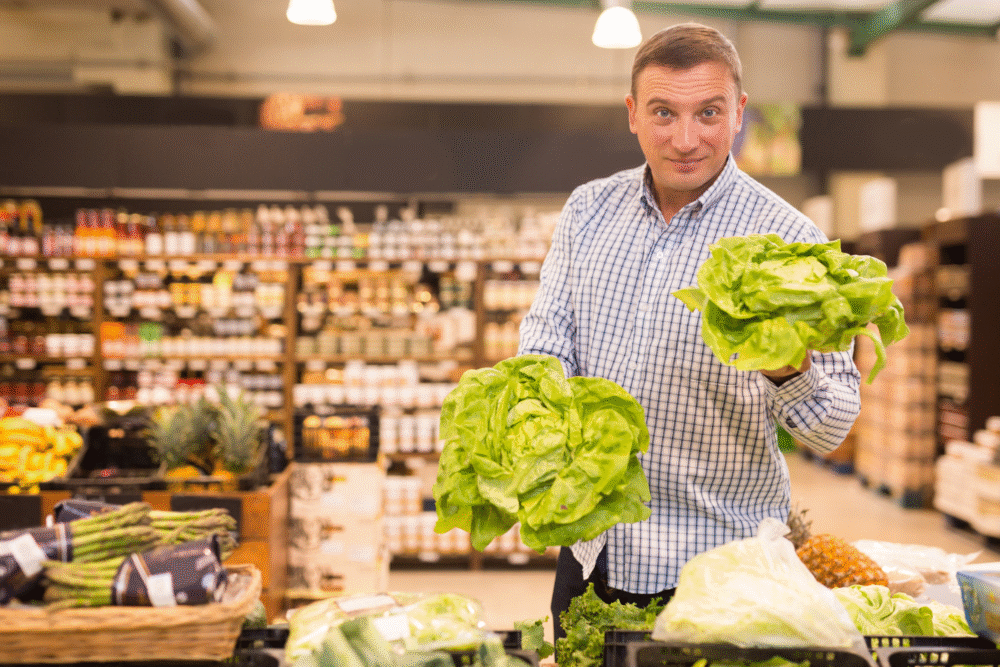
Often overlooked, cabbage is a true champion of thrift. This hardy vegetable is cultivated widely across the country, ensuring a steady, local supply that keeps its price incredibly low year-round. Unlike more delicate greens that might be imported off-season, cabbage is less susceptible to the price hikes associated with long-distance shipping and tariffs. It’s a nutrient-dense vegetable that provides a lot of volume for very little cost.
From coleslaw and salads to stir-fries and roasted wedges, its uses are surprisingly diverse. Cabbage also has a lengthy shelf life in the refrigerator, minimizing waste and allowing you to get the most out of every penny spent. It’s a smart buy that adds crunch, nutrition, and bulk to meals without straining your budget.
5. Onions and garlic form a flavorful, low-cost base.

Nearly every savory recipe begins with the sizzle of onions and garlic, and thankfully, these flavor foundations are largely insulated from tariff-related price shocks. As essential crops, they are produced on a massive scale domestically, ensuring that the supply chain is short and the cost remains stable. While some specialty varieties might be imported, the standard yellow onions and garlic bulbs in every produce section are reliably American-grown.
Investing a small amount in these alliums allows you to transform other inexpensive ingredients, like beans and potatoes, into deeply flavorful and satisfying dishes. They provide the biggest flavor bang for your buck, proving that a budget-friendly meal doesn’t have to be a bland one. Their consistent low price makes them a non-negotiable staple.
6. Eggs are a local protein powerhouse.
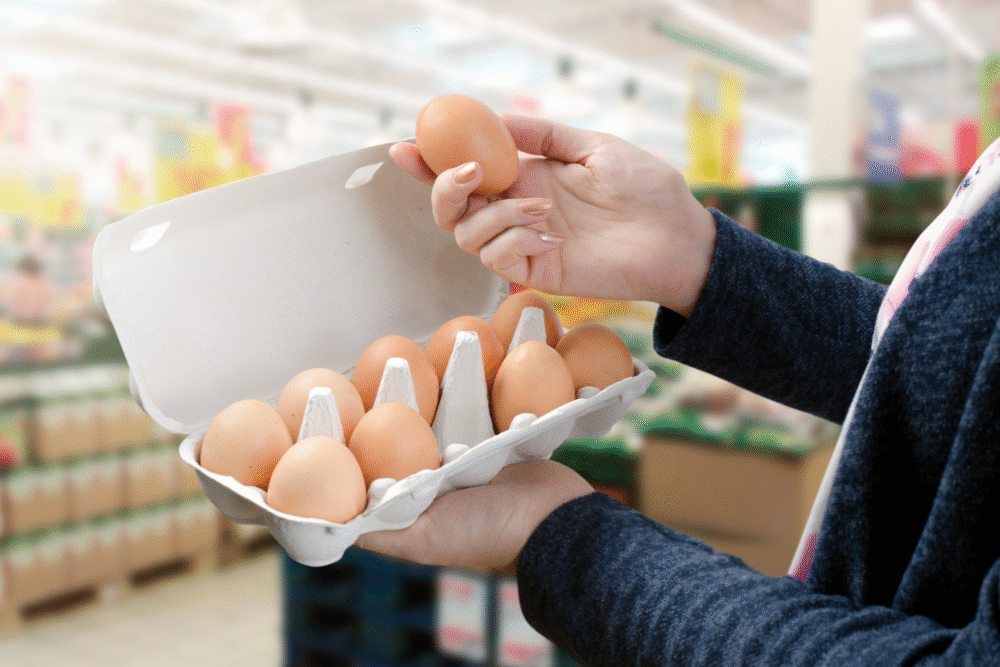
The journey of an egg from the hen to the grocery store shelf is typically a short one. The egg industry is highly localized, with regional farms supplying nearby communities. This domestic-focused production model means that the price of a carton of eggs is largely unaffected by international tariffs on other goods. They remain one of the most affordable and high-quality sources of protein available, making them a cornerstone of a budget-friendly diet.
Their utility is nearly limitless, serving as the star of a quick breakfast, a binder in baking, or a simple way to add protein to a bowl of ramen or a salad. The stability of their price and their versatility make eggs an essential purchase for anyone looking to eat well while protecting their grocery budget from market fluctuations.
7. Classic carrots are consistently cheap and available.
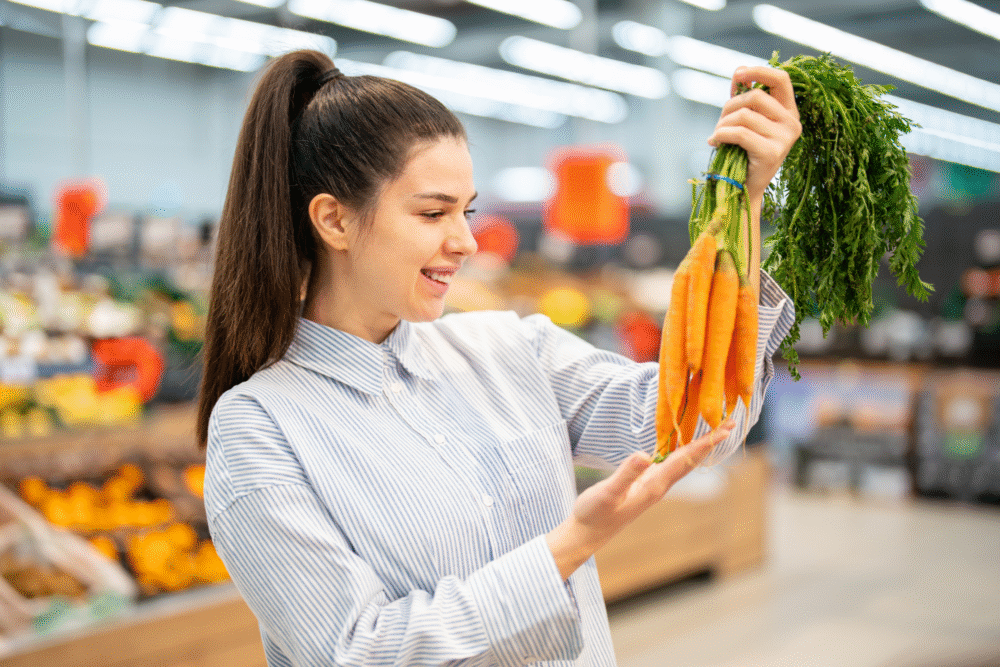
Like potatoes, carrots are a workhorse of the produce aisle. They are grown extensively across the United States in various climates, which allows for a consistent, year-round supply of domestically produced carrots. This widespread local cultivation keeps them well-insulated from the pricing pressures of import duties and international freight costs. A bag of carrots remains one of the best bargains for fresh, nutritious produce.
They are perfect for snacking on raw, roasting to bring out their sweetness, or bulking up soups, stews, and sauces. Their natural longevity in the crisper drawer means you’re less likely to throw them away, stretching your dollar even further. Carrots provide essential nutrients and versatility without ever becoming a financial burden.
8. Seasonal domestic fruits offer the sweetest deals.
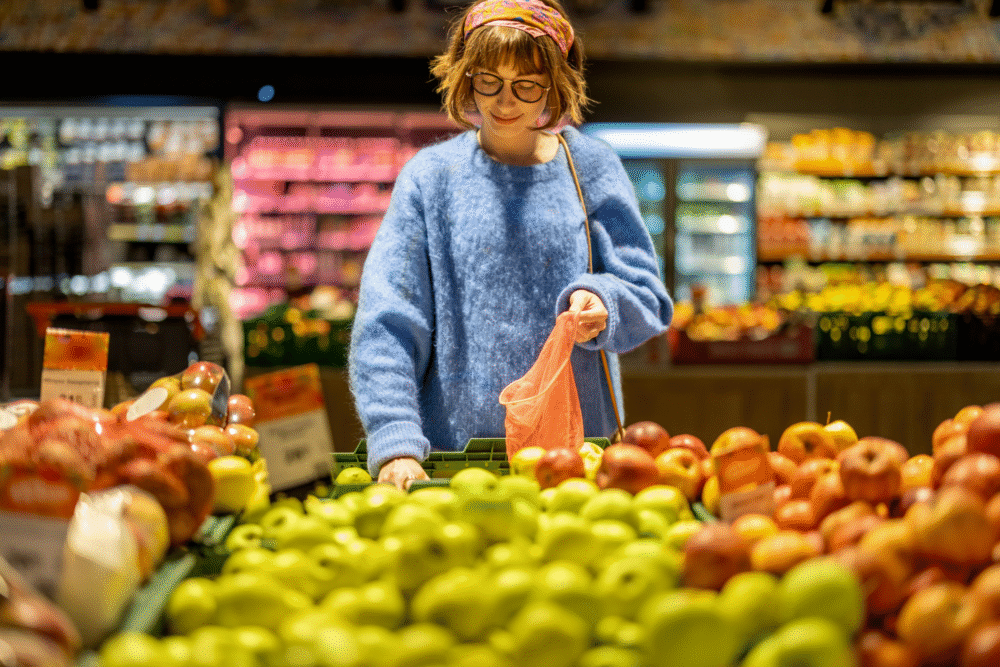
While exotic fruits flown in from across the globe are highly susceptible to tariffs, you can find great value by shopping for domestic fruits that are in season. Think of crisp apples and pears in the fall, juicy berries and peaches in the summer, and bright citrus in the winter. When these fruits are being harvested locally or nationally, the abundant supply drives their prices down significantly.
Focusing your fruit consumption around the domestic seasonal calendar is a simple yet powerful strategy. You not only get produce that is fresher and more flavorful, but you also sidestep the higher costs associated with imported goods that may be subject to new taxes. It connects your diet to the local farm landscape and your wallet to reality.
9. Frozen domestic vegetables lock in price and nutrition.

The freezer aisle is a smart refuge from rising grocery costs. Many frozen vegetables, such as peas, corn, and green beans, are harvested from American farms at their peak ripeness and flash-frozen. This process locks in their nutritional value and insulates them from the price volatility of fresh, out-of-season produce that often has to be imported. Tariffs on foreign goods will have little to no effect on these domestic staples.
Frozen vegetables are a fantastic way to ensure you always have produce on hand, reducing food waste from fresh items that might spoil. They allow you to add color and nutrients to any meal in minutes, all for a price that remains stable and predictable regardless of what’s happening in global trade.