
Even when budgets are tight, some indulgences remain at the top of people’s lists.

During challenging financial periods, many people make cuts in entertainment, travel, and shopping. Yet certain expenses endure because they offer comfort, stability, or emotional relief. These aren’t just luxuries—they represent habits or experiences that feel essential to well-being.
Recognizing which splurges people tend to keep can help you reflect on your own spending choices. Instead of feeling guilty about small indulgences, you can decide which ones are truly valuable and which might be worth scaling back.
1. Dining out and food treats feel like small escapes.
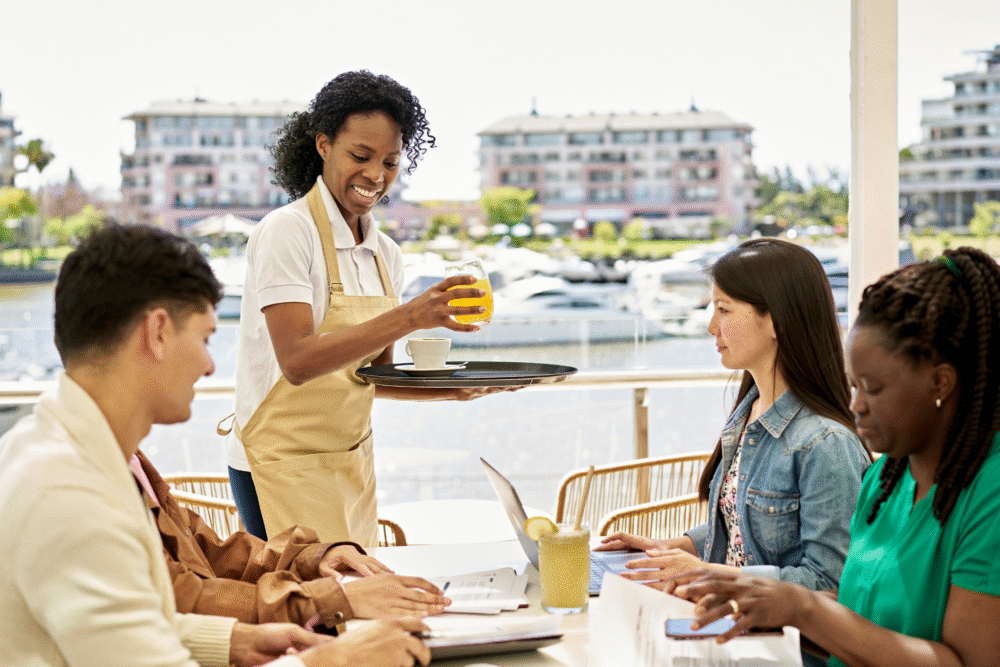
Even when budgets are lean, people often keep dining out or buying favorite snacks. Sharing a meal out brings social connection and normalcy, while a daily coffee or dessert can provide simple comfort. These little luxuries act as stress relief and help keep routines intact. A useful strategy is to set aside a modest “food treat” allowance each month. That way, you enjoy the experience without letting it grow into overspending.
2. Personal grooming supports confidence and routine.

Haircuts, salon visits, and spa services are more than cosmetic—they help people feel put together. In stressful times, looking your best can improve outlook and self-esteem. Some choose to stretch out visits or mix professional care with at-home treatments to save money. A good rule of thumb is to decide which services you can’t live without and which you can delay, so you maintain both confidence and control over your budget.
3. Fitness and wellness spending protects health.

Gym memberships, yoga classes, and wellness activities are often maintained because health feels too important to sacrifice. Exercise helps reduce stress and maintain energy, which is especially valuable during economic uncertainty. Instead of cutting them completely, many people look for lower-cost versions such as community classes or online programs. Choosing one or two fitness priorities and skipping extras helps balance both health and finances.
4. Technology upgrades stay high on the list.

Laptops, phones, and tablets are often replaced even in downturns because they have become everyday necessities. A reliable device supports work, communication, and entertainment. The myth is that upgrading is always frivolous, but in practice, many people prioritize it for productivity. A simple guideline is to upgrade when maintenance costs outweigh benefits or when the device no longer meets essential needs, rather than chasing the latest version.
5. Pet care remains nonnegotiable for owners.

Spending on food, toys, and veterinary visits is rarely cut, since pets are considered family members. Their health and happiness provide comfort, which feels even more important in stressful times. Some pet owners may scale back on luxury items, but core expenses continue. A practical approach is to budget pet care like a fixed household cost, making sure essential needs are always covered before optional extras.
6. Streaming and entertainment subscriptions feel affordable.
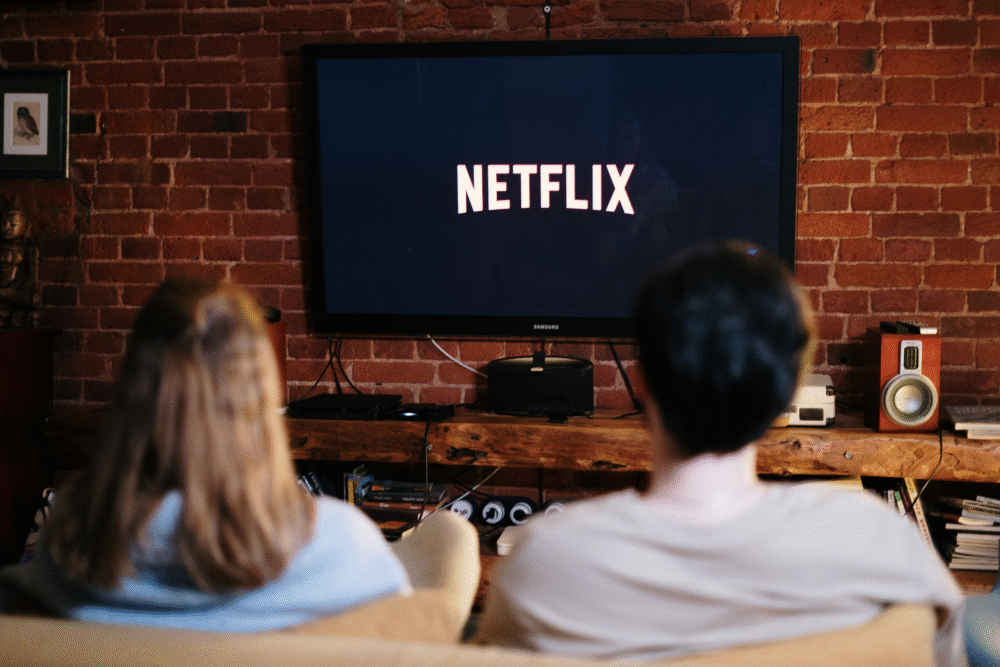
People often cut expensive vacations or big nights out but hold onto streaming platforms, online games, or music services. These relatively small costs provide hours of distraction and relaxation at home. The mistake is keeping too many subscriptions at once. A simple step is to rotate services every few months, focusing only on the ones you use most, to keep both variety and savings in balance.
7. Children’s activities and education take priority.

Parents tend to protect spending on school programs, sports, and extracurriculars. These investments feel essential to development and future opportunities. Even when tightening budgets, families find ways to cover lessons or materials for their kids. The key is to separate long-term benefits from unnecessary extras. Reviewing which activities bring the most value helps ensure children still thrive while parents maintain financial control.
8. Travel and experiences stay on the radar.

While luxury travel may decline, many people still budget for short trips or memorable experiences. These moments provide perspective and family bonding, which feel worth the cost. Travel doesn’t have to mean distant destinations—local getaways or day trips can fulfill the same role. A good practice is to plan experiences around a set annual budget, so you continue to make memories without creating long-term financial stress.
9. Home comforts and upgrades improve daily life.

Spending on home furnishings, appliances, or décor often continues even when money is tight. People justify it because they spend more time at home during downturns, making comfort a higher priority. While it’s tempting to make big purchases, small changes such as improving lighting, adding storage, or upgrading worn items can create noticeable improvements. A helpful guideline is to focus on upgrades that improve both function and comfort rather than pure aesthetics.