
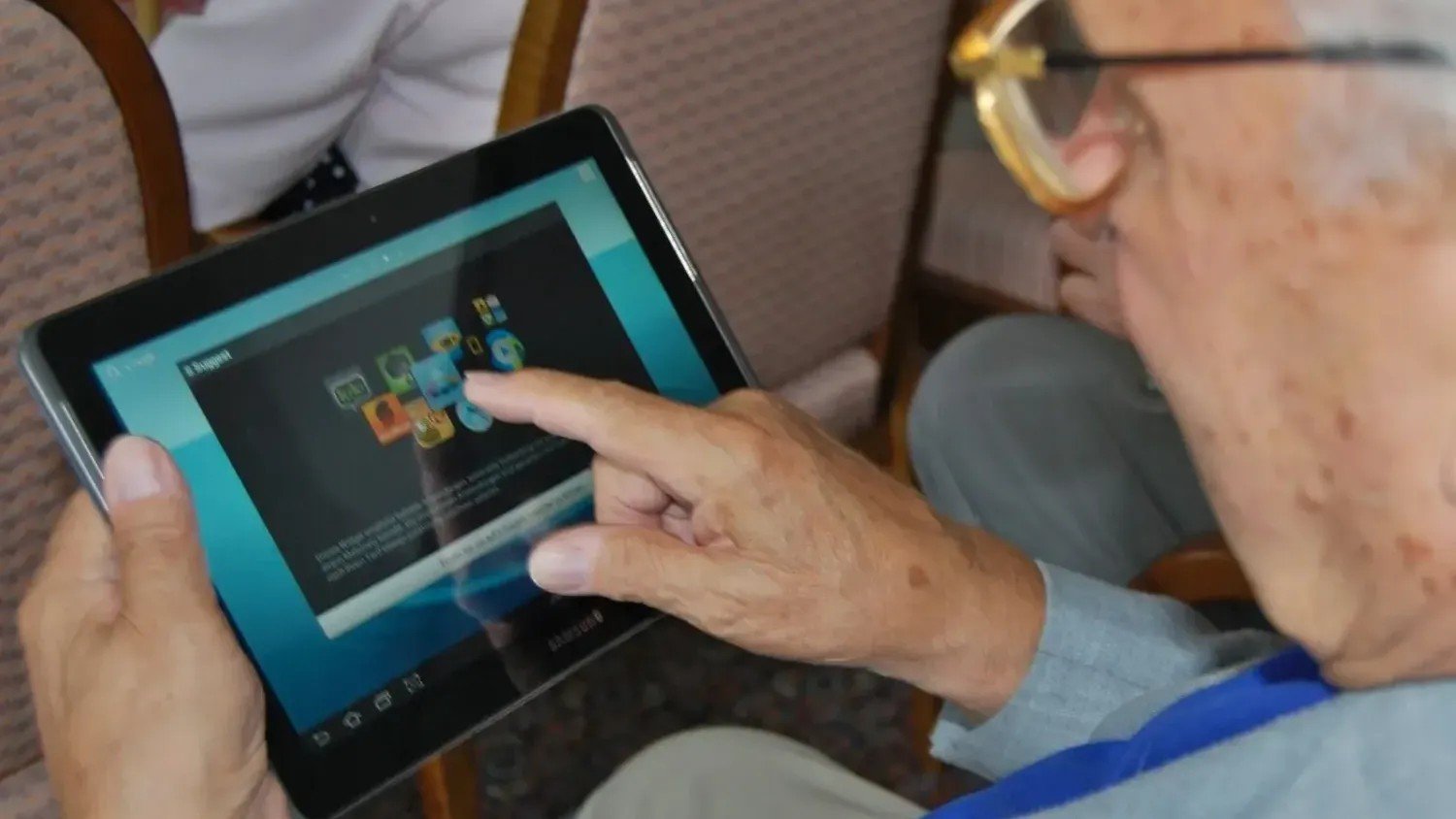
Retirement is supposed to be the golden chapter. No alarm clocks, no deadlines, no boss. But here’s a quiet truth nobody talks about enough: the wrong setup at home, on your wrist, or in your pocket can make that chapter harder than it needs to be. Technology has a funny way of either making life genuinely easier or making you want to throw something across the room.
The good news? There’s a growing wave of devices built specifically for the way boomers actually live now. Two-thirds of adults 50-plus agree that technology enriches life and makes aging easier. That’s not marketing spin. That’s lived experience from millions of people who took the plunge and never looked back. So trust me on this one.
Here Are 9 Must-Have Tech Devices Every Boomer Should Own in Retirement
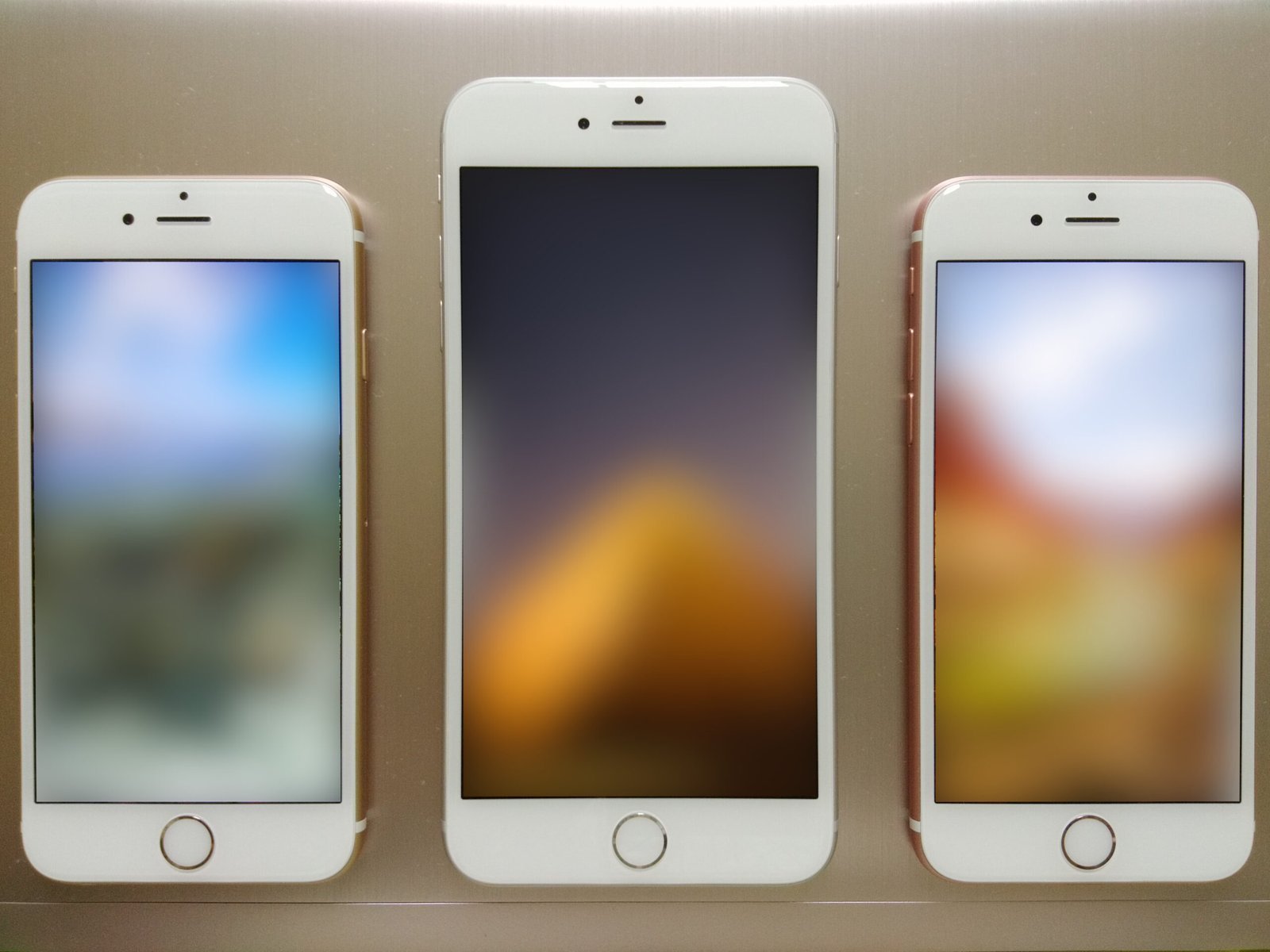
The numbers don’t lie. Adults 50-plus possess an average of seven tech devices and report using them daily, with the most common being smartphones, smart TVs, laptops, tablets, Bluetooth earbuds, and wearable devices. Still, there’s a real gap between what people already own and what could genuinely transform their daily comfort, safety, and connection in retirement.
The nine devices below aren’t just gadgets for the sake of gadgets. Each one solves a real problem that comes up in retirement life, whether that’s staying safe, keeping sharp, or simply enjoying more of what you love. Some of these might surprise you.
1. A Medical Alert Smartwatch
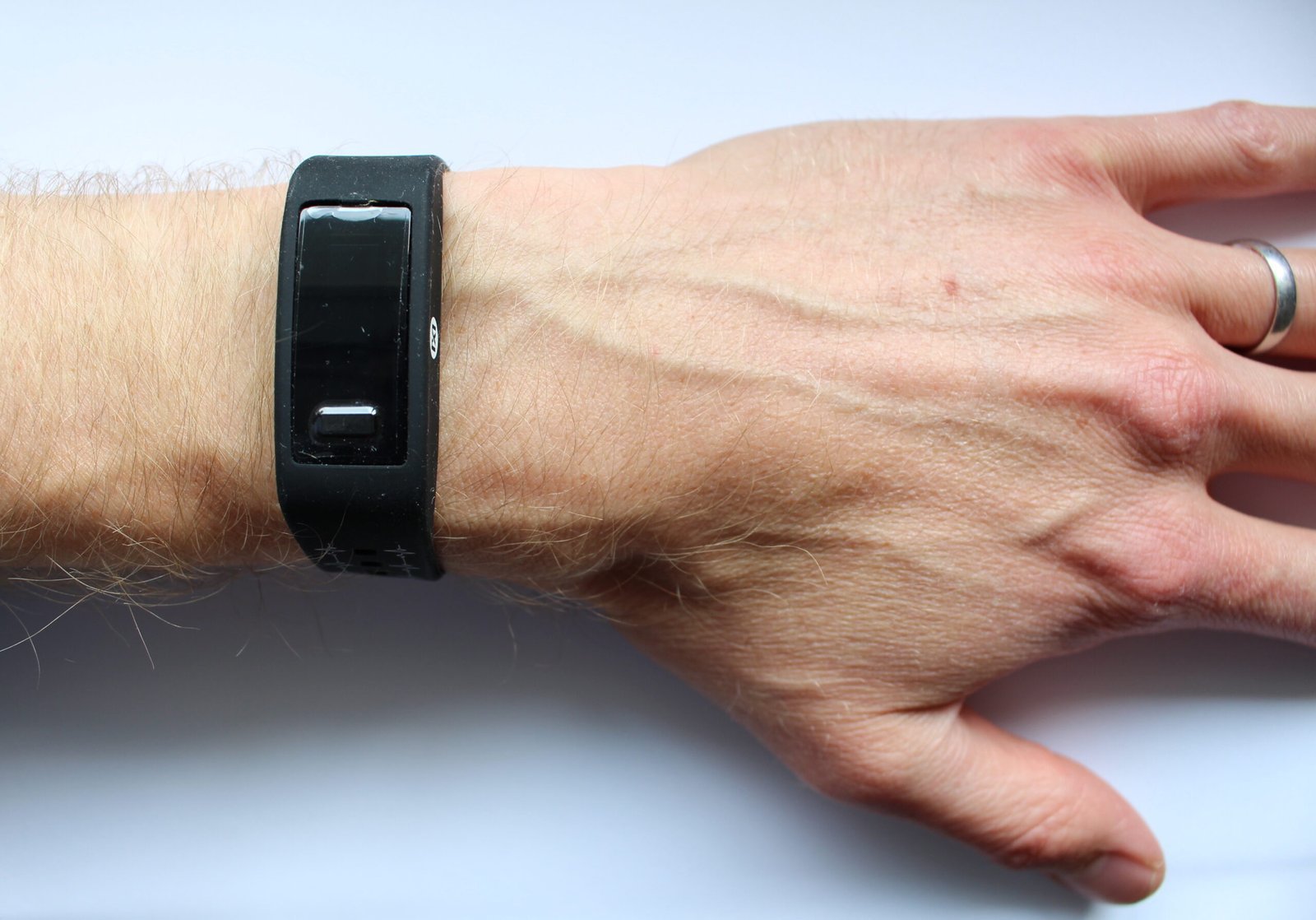
Let’s start with the one that matters most. Medical alert smartwatches are revolutionizing senior safety, offering a sleek and modern alternative to traditional medical alert devices, combining advanced emergency response features with the convenience of a fully functional smartwatch. Think of it as your personal safety net that also happens to tell the time and look great.
In a February 2025 survey of people who purchased a medical alert system, three quarters of surveyed users stated they chose to purchase a medical alert device after they or someone they knew experienced a fall. That statistic hits differently when it’s someone you know. Medical alert systems with fall detection can provide valuable assistance after a fall, may help reduce anxiety around the prospect of falling, and can also boost a person’s confidence while living at home, giving both the wearer and their caregiver peace of mind. The Bay Alarm Medical SOS Smartwatch, for example, includes AI fall detection, heart rate monitoring, GPS, and 24/7 monitoring from around $39.95 per month.
2. A Smart Display Device (Amazon Echo Show)
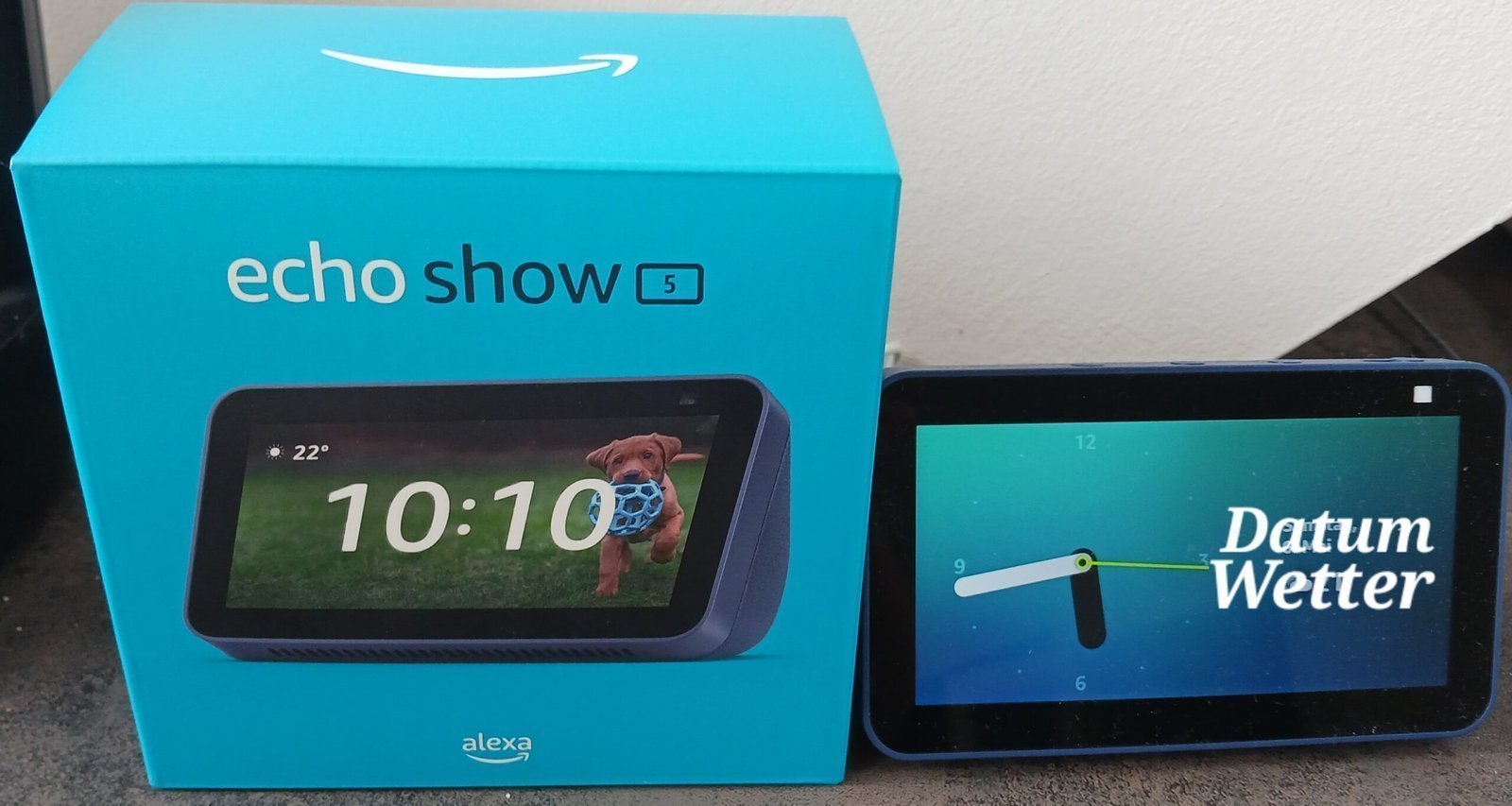
More than half of baby boomers are willing to use their voice to control smart devices in the home, speak a request to their smartphone, or dictate a response to an email, and the oldest baby boomers will take their technology with them into their 80s, expecting to speak a request to a device. The Amazon Echo Show is basically built for exactly this kind of life.
The Echo Show combines Alexa’s voice controls with a screen, making video calls with family as easy as saying a name, while the screen adds a visual element that pure voice assistants lack, showing recipes while you cook or pulling up news headlines during morning coffee. Smart displays and interfaces are becoming increasingly important for older adults, where touchless technologies and voice-enabled interactions are ideal, especially when accompanied by a display of large font text. Honestly, it’s like having a helpful assistant that never gets tired of your questions.
3. A Dedicated Tablet
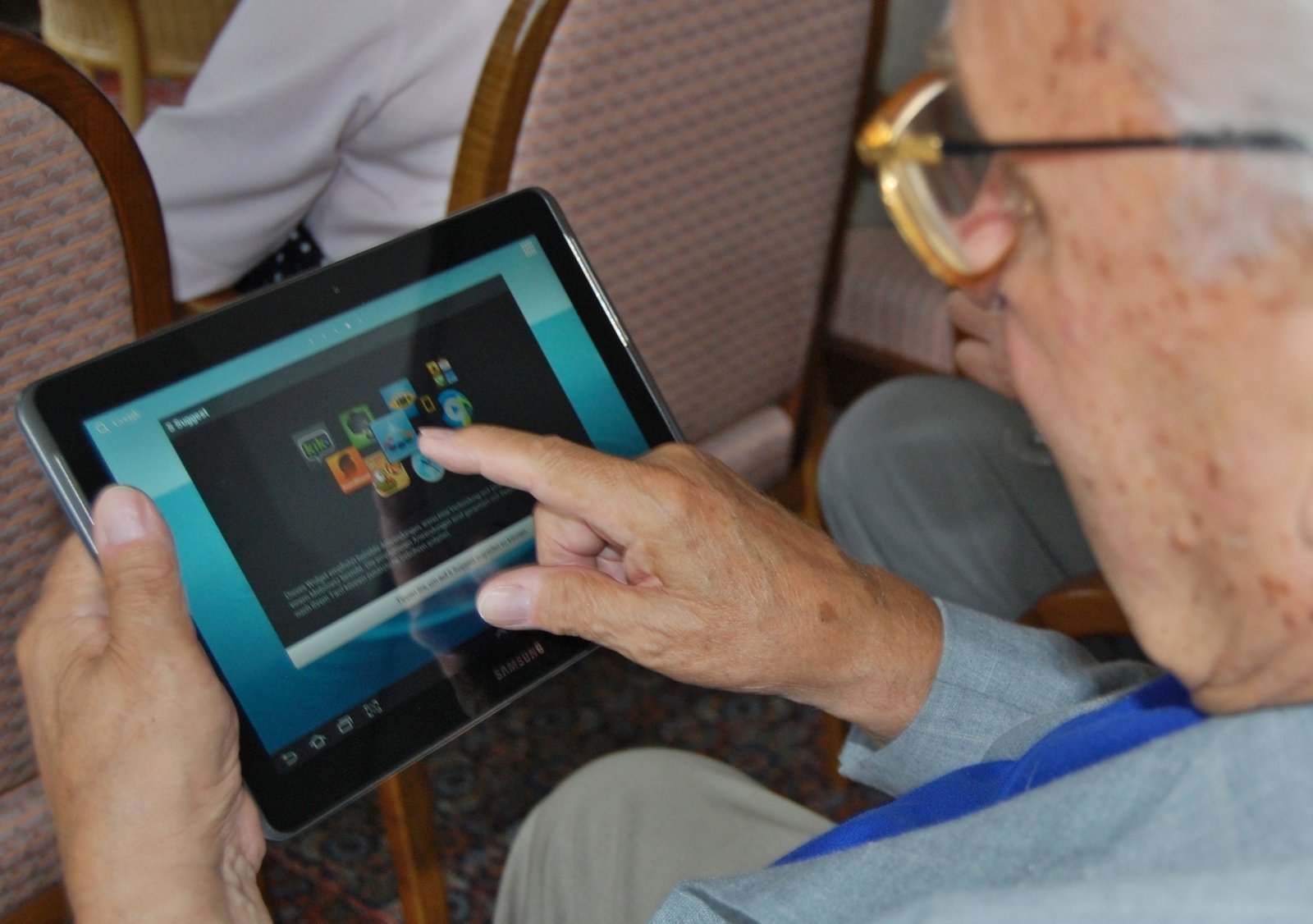
Seniors increasingly use tablets for online activities, with roughly three in five owning them, benefiting from their portability and ease of use. A tablet sits in the sweet spot between a tiny phone screen and a heavy laptop. It’s perfect for video calls, reading, streaming, managing appointments, and browsing without the awkwardness of hunching over a keyboard.
Entertainment activities like reading and video watching work well on a larger display with dual speakers for clear audio, while video calling capabilities help maintain family connections. The Apple iPad 10th Generation and the Amazon Fire HD 10 are both popular and well-tested choices for retirees. A stylus or S Pen proves particularly useful for practical applications like taking notes during doctor visits, creating shopping lists, or annotating photos and documents, supporting seniors transitioning from paper-based organization to digital alternatives.
4. An E-Reader
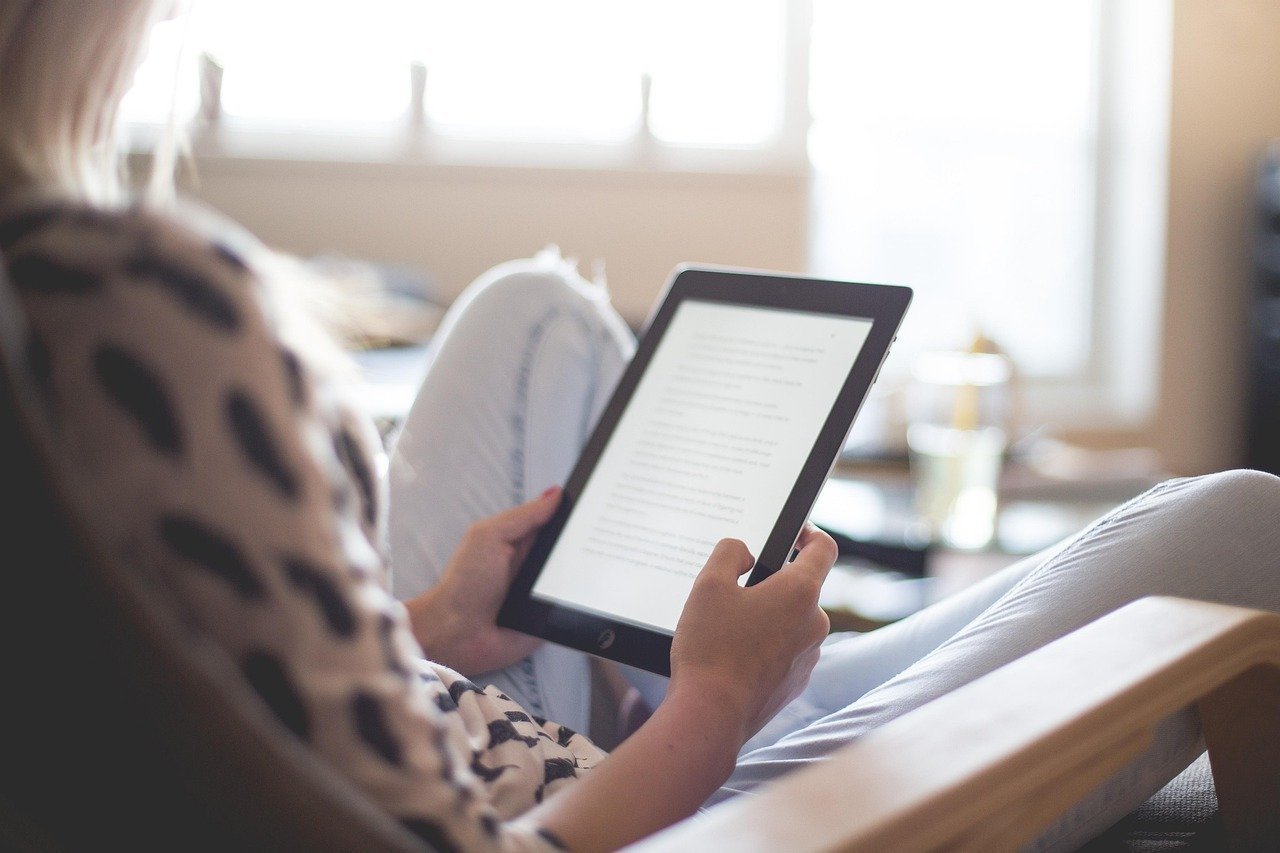
Here’s the thing about e-readers: they solve a problem that most avid readers quietly struggle with as they get older. Small print, heavy hardcovers, bad lighting. E-readers are very popular with seniors for a wide range of reasons, as screen sizes have increased over the years and it is quite easy to increase the font size, with more text fitting on the screen, including digital magazines and newspapers.
The Amazon Kindle Paperwhite offers seniors a focused reading experience that differs significantly from multipurpose tablets, specializing in book consumption and making it ideal for older adults who prioritize reading comfort over general computing tasks. Its glare-free display, adjustable warm light, and weeks-long battery life make it perfect for comfortable, extended reading sessions. Think of it as a whole library that weighs less than a paperback novel and never needs a bookshelf.
5. A Smartwatch for Health Tracking
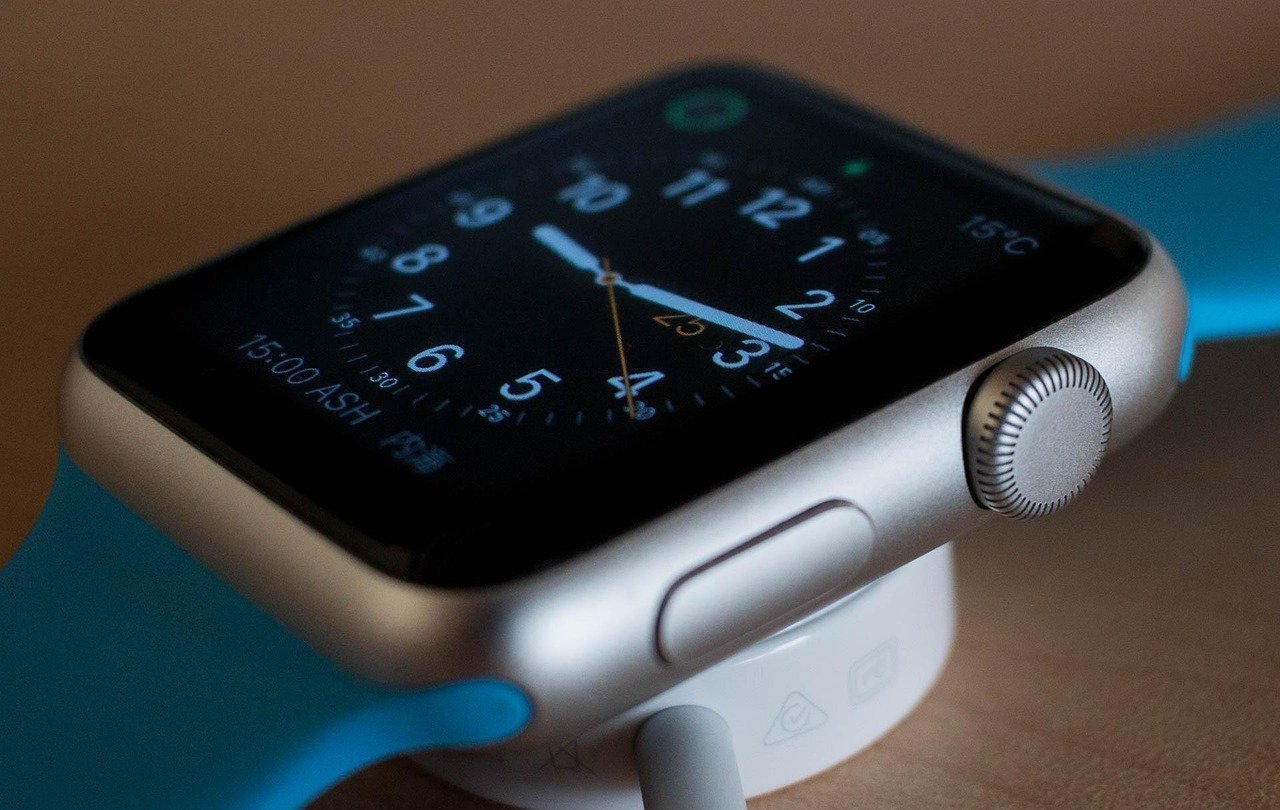
Even if you’re not in the market for a full medical alert system, a consumer smartwatch for daily health tracking is still worth every penny. The Apple Watch is an ideal companion for those who want to maintain a healthy lifestyle, with features like blood oxygen monitoring and sleep stage tracking giving a clearer picture of overall health and wellness every day. It’s like having a quiet doctor on your wrist all day long.
The Apple Watch Series 9 monitors blood oxygen levels, tracks sleep patterns, and keeps tabs on heart rate throughout the day, while built-in fall detection can automatically alert emergency services if you take a tumble, and crash detection does the same if you’re in a vehicle accident, with an emergency SOS feature meaning help is a button press away. Smartwatches are retaining popularity with the older adult population and are now voice-enabled, which may become their most useful tech characteristic.
6. A Bluetooth Hearing Aid or Audio Enhancer
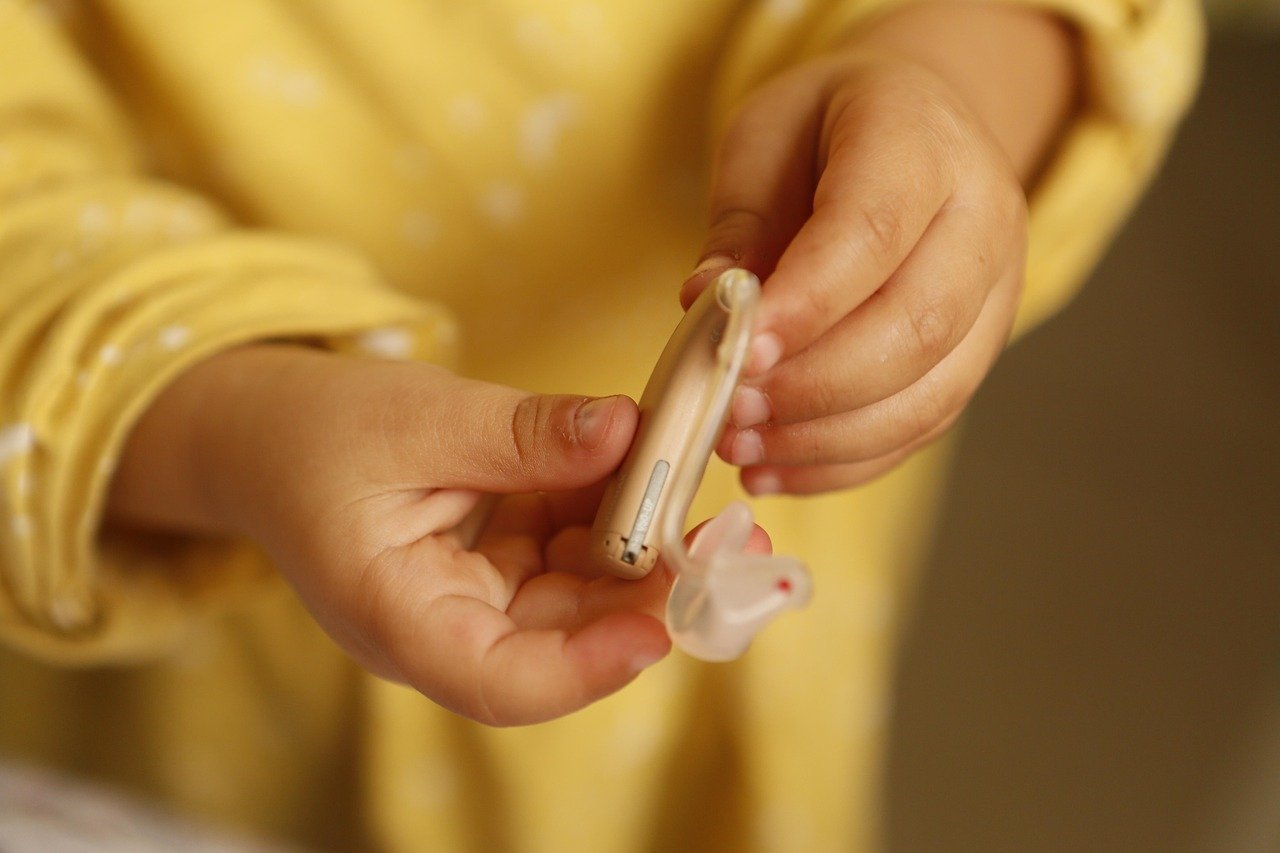
Hearing loss is one of the most common and underaddressed challenges in retirement, and modern tech has quietly revolutionized what’s available. Bluetooth headsets and earbuds are now owned by roughly half of adults 50-plus who use devices daily. Modern over-the-counter hearing aids and Bluetooth audio enhancers connect seamlessly to smartphones, TVs, and tablets, eliminating the frustrating gap between what you can hear and what you want to hear.
Devices like the Jabra Enhance and Sony CRE-10 became available as over-the-counter hearing aids after the FDA’s 2022 ruling opened the market, dramatically reducing cost and accessibility barriers. The aging technology market is projected to reach $120 billion by 2030, and over half of older Americans express a high likelihood of purchasing emerging technologies that genuinely serve their needs, including hearing solutions. The stigma around hearing aids is also disappearing fast when the device looks like a standard pair of wireless earbuds.
7. A Smart Pill Dispenser or Medication Management Device

Managing multiple medications is one of retirement’s quieter but genuinely stressful responsibilities. I know it sounds crazy, but forgetting a dose or taking a double dose happens far more often than most people admit. Around four in five boomers have at least one chronic disease, making consistent medication management a very real daily priority.
Smart pill dispensers like the Hero or Medminder automatically sort medications by dose and time, sound an alert when it’s time to take them, and even notify family members or caregivers if a dose is missed. In-home healthcare services are expanding, with hospital closures accelerating in 2024 combined with a national shortage of physicians, accelerating the need for health care delivery in the home, while telehealth services to replace or supplement in-person visits will remain as an offering through 2025 and beyond. A smart pill dispenser slots perfectly into this world, keeping medical routines consistent and reducing unnecessary emergency room visits.
8. A GPS Tracker and Bluetooth Item Finder
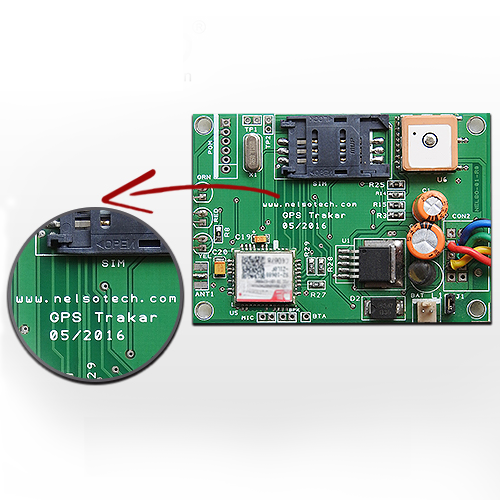
Misplacing keys or a wallet can make you late for appointments and cause stress, but it doesn’t have to. Devices like the Esky Key Finder come with a remote and multiple color-coded trackers that attach to items such as keys, wallets, backpacks, and purses, so you can find them in a hurry. Apple’s AirTag and Tile trackers work on a similar principle but connect directly to your smartphone for real-time location updates anywhere in the world.
An alarm and bright LED light help you quickly spot lost items even in the dark within a significant range, and rechargeable batteries hold up to a three-month charge, giving you peace of mind. For boomers who travel frequently, a GPS tracker tucked into a bag or luggage adds a completely different layer of peace of mind. Travel remains a top priority for boomers, with nearly three quarters planning leisure trips and spending an average of around $6,600 per year, a rate well above younger generations. Knowing your luggage is trackable changes the whole travel experience.
9. A Smart TV or Streaming Stick

Retirement means more time at home, which means more time with the TV. There’s zero shame in that. Connected TVs are prevalent across all demographics including boomers, with roughly seven in ten younger boomers owning one and more than half of older boomers. The real problem is that many boomers are still paying for bloated cable packages when streaming services offer far better value and control.
By 2024, people over 55 are projected to spend the majority of their media time consuming online content, including digital forms of traditional media such as connected TV, digital audio, and online newspapers. A device like the Amazon Fire TV Stick 4K or the Roku Ultra plugs into any existing television and immediately unlocks Netflix, YouTube, Prime Video, and hundreds of free channels. Smartphones and their accessories were the top tech purchases among older adults in 2025, with smart TVs also ranking as very popular choices. Voice-controlled remotes mean no more fumbling with complicated menus, making the whole experience genuinely enjoyable.
The Bottom Line: Retirement and Technology Were Made for Each Other
Here’s what often gets overlooked in conversations about boomers and tech: this generation is not anti-technology. An increasing number of adults 80-plus are more likely to view technology as an ally in healthy aging, with the share of those agreeing that it enables a healthy life rising significantly from 2024 to 2025. The devices above aren’t about keeping up with younger generations. They’re about living better, staying safer, and enjoying more of what retirement is actually supposed to feel like.
Older adults will adapt to change and adopt new technology. When an 88-year-old neighbor is filming fireworks with his smartphone, it is easy to see that times have changed. If an affordable technology can be found that meets a personal need, people will find it and get it to work. The question was never really whether boomers could handle these devices. It was always whether the devices were good enough to be worth their time. These nine are. What device would you add to this list? Drop it in the comments below.