
Spending less doesn’t mean settling for less—it means shopping smarter where it counts.

Brand loyalty has a way of creeping into our shopping habits without us even noticing. A catchy commercial, an eye-catching label, or just the comfort of routine can make us reach for that familiar name again and again. But in plenty of cases, we’re paying more for marketing than for actual quality. Some lesser-known or store-brand items perform just as well—or even better—than their pricey counterparts, and they do it without draining your wallet.
Learning where to save without sacrificing quality can make a surprising difference in your monthly budget. Once you get past the packaging and brand prestige, there are products where the cheaper alternative holds up just fine. And when those small savings pile up across categories, you start building real momentum toward financial freedom. These nine items are proof that value doesn’t always wear a famous label—and sometimes, the smartest purchase is the one that costs less.
1. Over-the-counter medications offer the same active ingredients.

Generic pain relievers, allergy meds, and cold medicine are often identical to their brand-name versions—literally, according to the experts at the U.S. Food & Drug. The FDA requires generics to meet the same standards for safety, strength, and effectiveness. So that $4 store-brand ibuprofen? It’s doing the exact same job as the $9 bottle of Advil.
What you’re paying for with the name brand is marketing and packaging, not better performance. Once you realize this, it becomes hard to justify the extra cost. And when these purchases are recurring, the savings stack up faster than you’d think. Swapping out your go-to pharmacy staples can be a painless way to keep more money in your pocket without sacrificing relief.
2. Cereal is often just as tasty without the cartoon mascot.
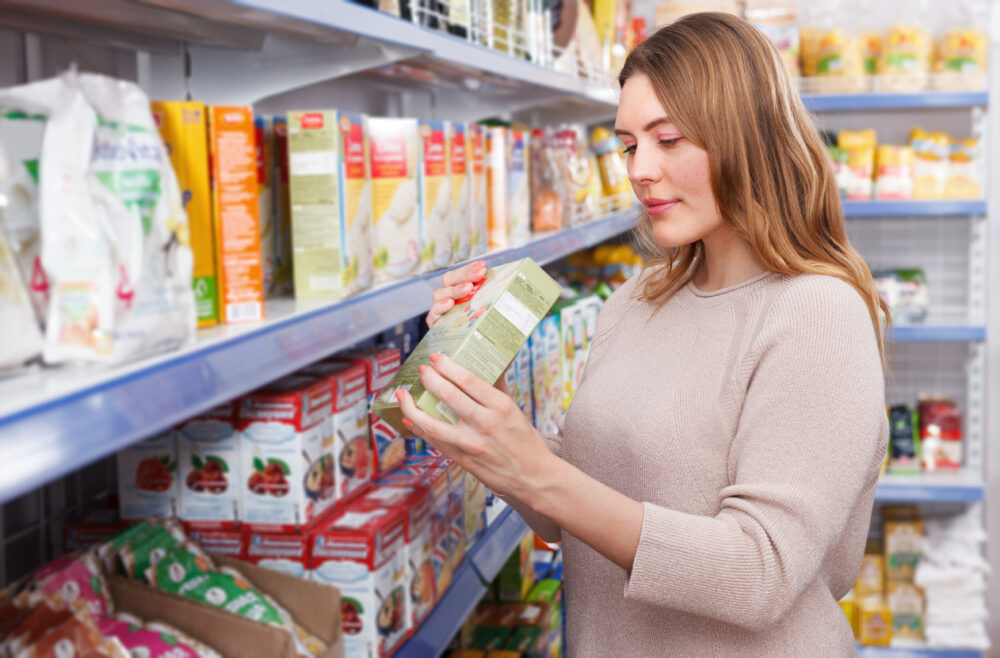
Those colorful boxes on the grocery store shelf come with a hefty markup. But flip the box over, and you’ll often find that the ingredients in the store-brand version are nearly identical—sometimes made by the same manufacturer, as reported by Gael Fashingbauer Cooper at Taste of Home. The biggest difference? A few dollars and some slick branding.
Plenty of people can’t even taste the difference once you pour the milk. Especially if it’s for kids, generic versions of popular cereals like corn flakes, frosted flakes, or crispy rice are a no-brainer. Once you realize the flavor’s nearly the same, it becomes an easy category to downgrade and save.
3. Batteries don’t need to be name-brand to work well.

You might think brand-name batteries last longer, but plenty of independent tests have shown that store-brand and generic batteries can perform just as well in most household electronics, as stated by Mandi Woodruff at Business Insider. Unless you’re powering high-drain devices, the difference in lifespan is usually negligible.
And yet the price difference is anything but. A 4-pack of brand-name AA batteries can cost more than double the generic version. For TV remotes, flashlights, or wall clocks, the savings really add up over time. Unless you’re running power-hungry devices, go for the budget pack and recharge your savings instead.
4. Canned vegetables are nearly identical across brands.

A green bean is a green bean—whether it’s in a Del Monte can or a generic store brand. Canned vegetables are one of the most consistent, regulated products on the shelf, and taste tests often reveal minimal differences between brands.
In recipes or side dishes, you’d be hard-pressed to tell which can cost more. And with prices often 30–50% lower, it’s an easy swap that doesn’t sacrifice nutrition or taste. Once you stop chasing labels in the canned goods aisle, you might be surprised at how little it changes your meals—and how much it stretches your grocery budget.
5. Cleaning products can work just as hard for half the price.
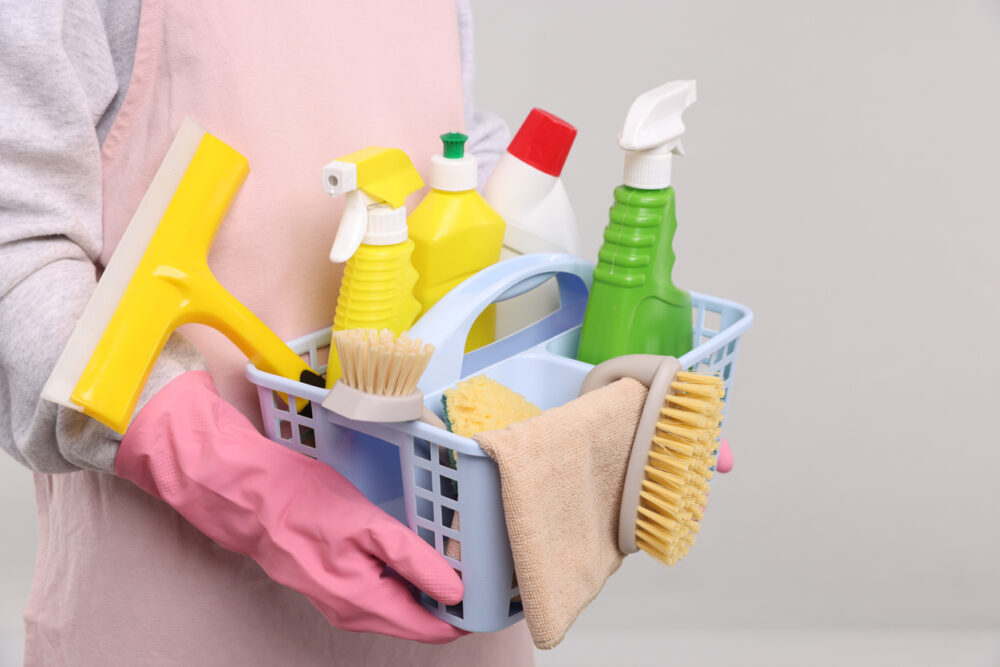
Bleach is bleach. Dish soap is dish soap. Many generic cleaning supplies contain the exact same active ingredients as their brand-name counterparts. The only real difference is what’s printed on the label and how glossy the packaging looks.
For everyday messes, store-brand cleaners are more than enough. Some of them even outperform the pricey versions in consumer tests. You don’t need to shell out extra for a brand name just to get your counters clean or your laundry smelling fresh. Start comparing labels and trust performance, not marketing.
6. Spices are often identical once they hit the pan.

Paying $7 for a tiny jar of cinnamon or oregano because it has a fancy label isn’t doing your wallet any favors. Basic spices like garlic powder, paprika, and basil are often sourced from the same suppliers for both high-end and generic brands. Once they’re in your stew or on your chicken, no one’s guessing the price tag.
Some generics might come in simpler packaging or slightly less trendy branding, but the flavor is there—and the savings are undeniable. Stocking your spice rack doesn’t have to feel like a luxury. Go with the store brand, and keep cooking without burning through your grocery budget.
7. Trash bags hold up even without a premium label.
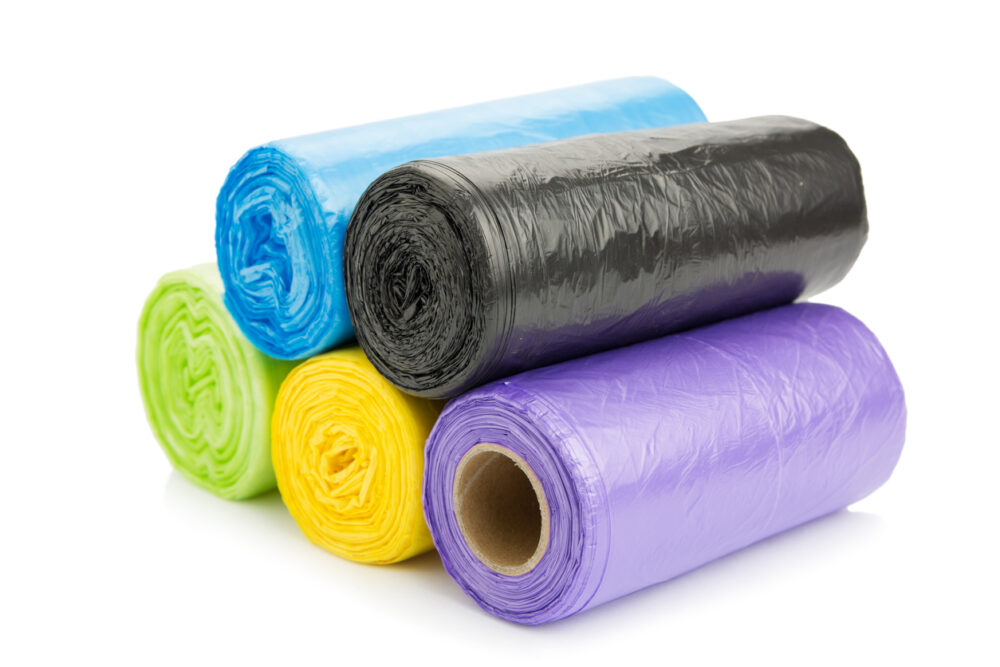
Trash bags aren’t exactly glamorous, but they’re another area where people often overspend. While some brand-name bags tout special strength or scented liners, most store-brand versions perform just as well for everyday use—especially if you’re not stuffing them to the brim.
It’s a simple product that doesn’t need bells and whistles to work. If the store brand doesn’t leak or tear, you’re getting 90% of the value at 60% of the price. Try a smaller box before committing and you’ll likely find they hold up just fine.
8. Frozen fruits and veggies are usually packed at the same farms.
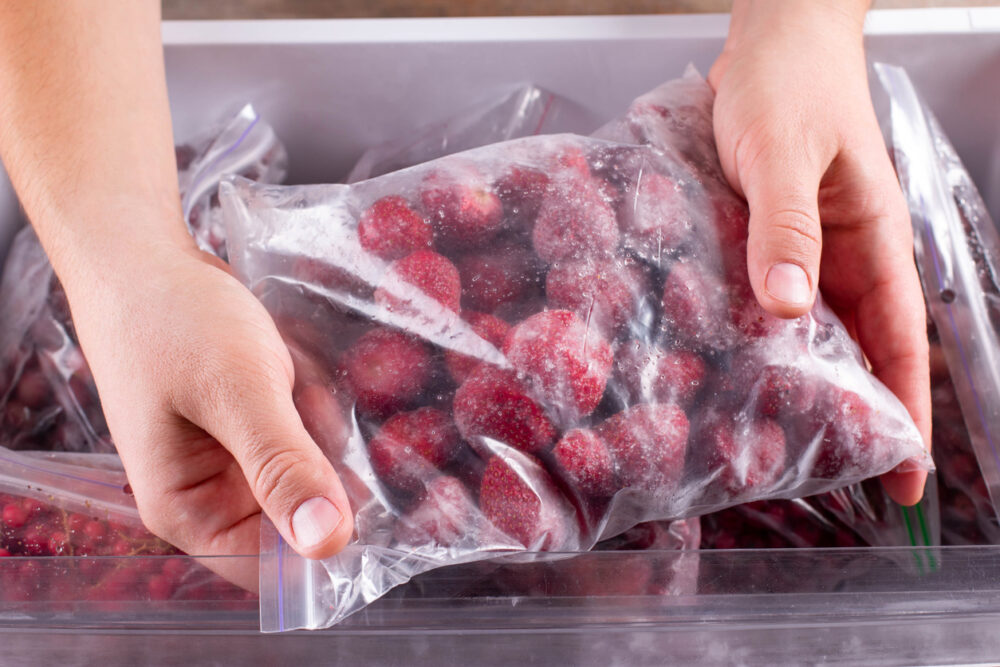
Believe it or not, many private-label frozen produce bags are packed in the same facilities as the national brands. That means your store-brand blueberries, broccoli, or corn may literally come from the exact same place as the more expensive option right next to it.
If it’s going into a smoothie, stir-fry, or casserole, you’re not going to notice whether it came in a flashy bag or a plain one. Frozen produce is one of the easiest ways to eat healthy and save money—especially when you skip the label and shop by what’s inside.
9. Paper products are all about price vs purpose.

Toilet paper, napkins, and paper towels come in endless varieties, but most of us don’t need the top-tier plush option for everyday use. Store brands often offer a comparable product at a much lower price—especially if you’re stocking up in bulk.
Unless you’re incredibly picky about texture, the quality gap is usually smaller than the price gap. For items you’re literally throwing away, it can make a lot more sense to opt for good-enough quality and use the savings somewhere that actually matters.