
Income inequality varies widely across U.S. states with complex economic and social factors involved.

Income inequality in the United States presents a multifaceted challenge, varying significantly from state to state. Factors such as industry presence, urban versus rural dynamics, and regional economic opportunities shape the distribution of wealth. Understanding which states exhibit the highest income disparities requires examining multiple indicators like the Gini coefficient, median income, and poverty rates. Reliable data from institutions including the Bureau of Labor Statistics and Federal Reserve offers insight into these economic divides and their broader social implications.
1. California displays some of the widest income gaps across urban and rural areas.

California’s diverse economy masks significant income inequality, particularly between its bustling coastal cities and the more rural inland regions. Cities like San Francisco showcase immense wealth generated by tech industries, yet a short drive away, vast agricultural areas report much lower median incomes.
The State’s economic diversity, characterized by regions thriving in technology and entertainment, contrasts with areas facing economic stagnation. In places like Fresno, pockets of poverty coexist with agricultural prosperity, highlighting a complex income landscape where policy solutions must address both urban affluence and rural challenges.
2. New York features significant disparities between wealthy neighborhoods and low-income communities.

In New York, stark income contrasts emerge when comparing affluent neighborhoods like Manhattan’s Upper East Side with lower-income areas in the Bronx or Brooklyn. The income inequality often attracts attention as wealth disparity manifests dramatically between skyscraper-lined streets and modest apartment buildings.
The state’s complex economic fabric, woven from finance and fashion, sees wealth heavily concentrated in specific areas, leaving other communities struggling. These disparities are further exacerbated by rising real estate costs, which can widen the gap between wealthy and low-income residents.
3. Texas shows varied economic conditions contributing to notable income inequality patterns.

Texas showcases an intricate economic tapestry, from wealthy urban centers to struggling small towns. Cities such as Austin and Dallas display booming economies fueled by tech and oil industries, yet parts of South Texas face enduring poverty and unemployment.
The Lone Star State’s economic conditions, driven by diverse sectors like energy and technology, contribute to distinct income patterns. Rural areas often lag behind their urban counterparts, reflecting the challenge of balancing growth across expansive landscapes where resources and opportunities can be unevenly distributed.
4. Florida’s coastal wealth contrasts sharply with its inland financial challenges.
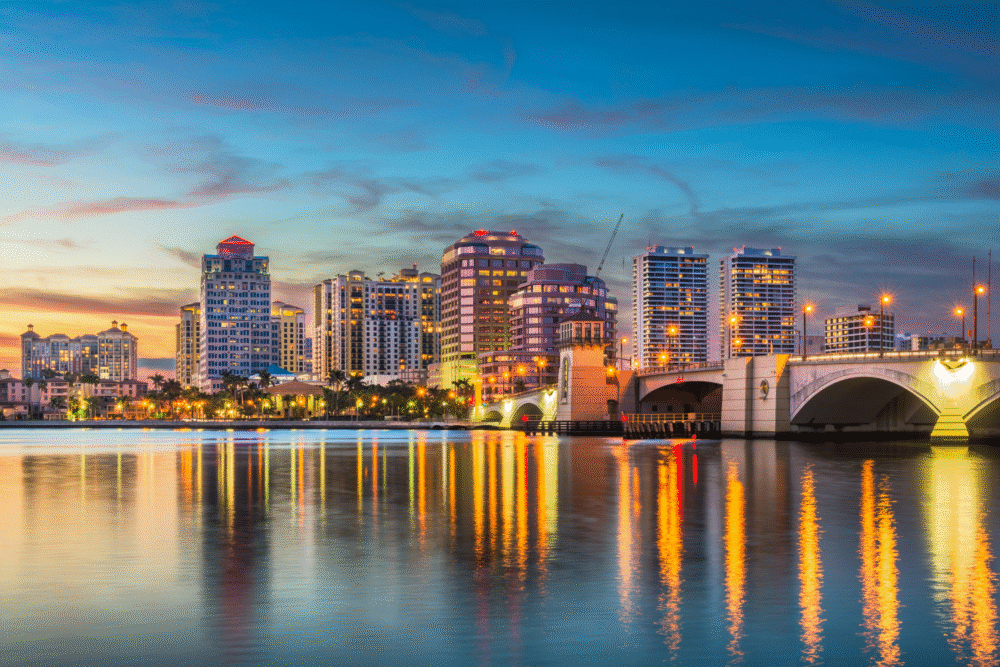
Florida stands out with its luxurious coastal properties that often overshadow the financial struggles of the interior. While cities like Miami boast lavish homes and vibrant tourism industries, Central Florida faces economic hurdles tied to agriculture and seasonal employment.
This economic dichotomy exists prominently between affluent coastal communities and rural inland areas. The state’s varied geography illustrates how proximity to economic hubs influences wealth distribution, with coastal economies thriving amid tourism demand while inland regions tackle different financial realities.
5. Illinois experiences pronounced divides between Chicago’s affluent zones and struggling suburbs.

Illinois reveals stark income differences between Chicago’s affluent neighborhoods and its struggling suburbs. The urban core of Chicago showcases luxury and high incomes, while surrounding suburbs often contend with economic challenges and reduced job prospects.
The interplay between wealth in downtown areas and poverty in outer suburbs highlights a pronounced divide. Factors such as deindustrialization and population shifts impact income distribution, posing significant challenges to socioeconomic cohesion as communities navigate these disparities.
6. Georgia highlights income inequality influenced by rapid urban growth and economic shifts.

Rapid urban expansion and economic shifts highlight income inequality in Georgia. Atlanta’s growth drives economic opportunity, yet inconsistencies in wealth distribution leave some residents facing persistent financial hardships.
This growth pattern results in pronounced disparities, where booming urban life coexists with areas struggling to keep pace. The juxtaposition of new businesses and long-established communities in flux underscores Georgia’s ongoing challenge to bridge economic results across various regions.
7. Massachusetts contains pockets of wealth alongside neighborhoods facing persistent income struggles.

Massachusetts hosts areas of prosperity nestled alongside neighborhoods enduring income difficulties. Boston’s economic engine powers a dynamic job market, yet just outside the city, other communities grapple with economic stagnation and lower income levels.
Statewide, education and technology sectors thrive, yet this prosperity isn’t evenly distributed. Regional inequalities reflect challenges in economic opportunity access, with some areas unable to benefit from the broader success seen in wealthier cities.
8. Louisiana’s economic landscape reflects income differences tied closely to geographic regions.

Income differences in Louisiana closely tie to its diverse geography. Oil-rich regions near the Gulf have distinct economic opportunities, while inland areas may struggle with less access to high-paying jobs and industry growth.
This economic landscape sees prosperity lined along the coast, contrasting sharply with the financial realities inland. As industries such as oil and seafood drive income in specific locales, broader systemic disparities complicate efforts to achieve cohesive economic development across parishes.
9. Washington state demonstrates complex income inequality amid booming tech and traditional industries.

Washington state embodies intricate income inequality amid a dynamic mix of tech-driven wealth and traditional industries. Seattle’s tech boom results in substantial wealth, yet areas reliant on older industries may not see these economic benefits.
Amid rapid growth in technology sectors, other regions face pressures from changing economic structures. Rural communities often depend on agriculture and manufacturing, contributing to a complex interplay of income levels across the state where industry type greatly influences financial prospects.