
Discover effective analog hobbies that reduce screen time and improve mindfulness through offline engagement.
Spending excessive time on screens can lead to digital overload and stress, commonly known as doom-scrolling. Analog hobbies offer enjoyable offline activities that help break this cycle by engaging your hands and mind in creative, relaxing ways that don’t involve screens. These hobbies promote mindfulness and focus, giving your brain a chance to reset from constant digital stimulation.
Exploring analog hobbies matters because it supports mental health and encourages a healthier balance between online and offline life. By consistently incorporating screen-free activities into your routine, you can reduce stress and improve concentration, making leisure time more fulfilling and restorative.
1. Try your hand at painting to express creativity and relax your mind.

Painting is an analog hobby that uses color, texture, and hand movements to express ideas and unwind. Whether you try watercolors, acrylics, or simple sketching, painting invites sustained attention on a tactile task and removes the immediacy of screens. Learning basic techniques such as mixing colors, layering, and brush control helps you create satisfying results while training focus and visual observation. Painting can be done in short sessions or long studios, and supplies are scalable so beginners can start small and expand as skills grow.
For everyday life, painting offers a calming break from doom scrolling and a way to practice mindfulness through deliberate strokes. One practical tip is to set aside a 20 minute painting warm up three times a week and keep a small sketchbook near your favorite chair. A simple rule of thumb is to start with a limited palette to reduce decision fatigue. If you have allergies or use solvents, follow safety labels and ventilate your space or choose non toxic materials.
2. Explore gardening as a rewarding way to connect with nature daily.

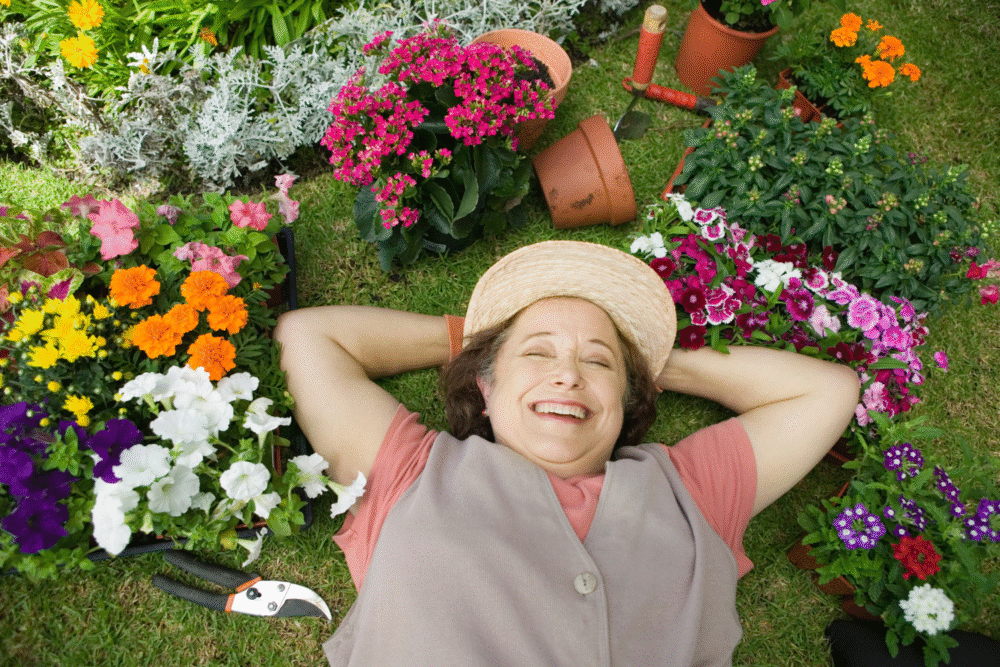
Gardening is a hands on hobby where you tend plants, soil, and outdoor or indoor ecosystems to produce growth, beauty, and food. It ranges from container herbs on a windowsill to backyard beds and teaches observation, patience, and seasonal rhythms. Gardening involves simple practical skills like planting depth, watering frequency, and soil care, plus long term planning for plant selection and maintenance. The tactile nature of pulling weeds, feeling soil, and pruning helps ground attention away from screens and builds a routine that rewards steady care with visible results.
Many people find gardening reduces stress and strengthens daily structure while supporting a digital detox. Start with a few low maintenance plants like basil, mint, or a resilient perennial and spend ten to fifteen minutes a day checking moisture and removing spent growth. A basic checklist includes sun exposure, pot size, soil quality, and watering schedule. Wear gloves and use proper tools; follow local guidance for pesticides or composting to protect your health and environment.
3. Pick up knitting or crocheting to make beautiful handmade items.

Knitting and crocheting use yarn and needles or hooks to make fabric one stitch at a time, combining repetitive motion with pattern reading and creative choices. Both hobbies range from basic scarves to complex garments and accessories, and they build dexterity, concentration, and the satisfaction of producing tangible items. Learning foundational stitches, reading simple patterns, and practicing tension control are the core steps, and projects are easy to scale so you can finish a small piece in an evening or work on a larger item over weeks.
Taking up yarn crafts gives your hands a productive outlet that replaces mindless scrolling and improves focus through rhythmic activity. Begin with a small, achievable project such as a simple scarf or dishcloth and follow a step by step pattern to completion. A good rule of thumb is to choose medium weight yarn and size US 8 needles or a 5 millimeter hook for beginners. Keep ergonomic breaks and gentle wrist stretches to avoid strain during longer sessions.
4. Start journaling to reflect and capture your thoughts in a tangible way.

Journaling is the practice of writing thoughts, observations, and plans by hand in a notebook to clarify feelings and record experiences away from screens. It can be freeform stream of consciousness, guided prompts, gratitude lists, or goal tracking, and the physical act of writing slows thinking in a different way than typing. A durable journal becomes a tangible archive of progress and insights, and the habit of composing entries encourages deeper reflection and intentional time away from digital feeds.
For daily life, journaling can restore focus and improve emotional awareness while supporting a digital detox. Try a short routine like ten minutes each morning or evening, or use the three page morning pages technique to clear mental clutter. A helpful tip is to keep your journal and a pen by your bed or desk so entry becomes an easy habit. If privacy is a concern, store your journal in a safe place or use a lockable box.
5. Dive into puzzles like crosswords or jigsaw to challenge your brain.

Puzzles such as crosswords, sudoku, logic problems, and jigsaw puzzles challenge cognitive skills like pattern recognition, vocabulary, and spatial reasoning without screens. Working through a puzzle requires concentration, trial and error, and often collaboration, offering measurable progress and frustration friendly difficulty scaling. Puzzles vary in format and complexity, so you can select quick daily crosswords for a short mental workout or a multi day jigsaw for immersive focus. The tactile feel of paper or puzzle pieces and the slower pace contrast with the rapid dopamine hits of scrolling.
Adding puzzles to your routine sharpens attention and gives a satisfying, screen free cognitive boost. Begin with a comfort level you can complete in one sitting to build confidence, such as a 300 piece jigsaw or an easy crossword, and set a timer for focused intervals like 25 to 45 minutes. A useful checklist is to pick difficulty, gather tools like a pencil and eraser, and create a dedicated space to reduce distractions. For shared puzzles, invite a friend or family member for social engagement.
6. Learn to play a musical instrument to create soothing melodies yourself.

Learning a musical instrument invites you to produce melody and rhythm through hands on practice, combining cognitive learning, motor skills, and emotional expression. Instruments like guitar, piano, ukulele, or flute let beginners achieve simple songs quickly while offering deep skill development over years. Regular practice builds muscle memory and listening skills, and the requirement to focus on sound, timing, and posture provides a powerful counterpoint to passive screen consumption. Teaching yourself with books, tutors, or community groups supports steady progress and keeps the hobby social and goal oriented.
Playing music improves concentration and offers a mindful escape that replaces doom scrolling with creative action. Aim for short daily practice sessions such as fifteen minutes focused on warm ups, fifteen on technique, and fifteen on repertoire, adjusting to fit your schedule. A practical rule of thumb is to prioritize consistency over duration, and try using a metronome to build steady timing. Protect hearing by keeping volume moderate and seek guidance from a teacher for posture and technique when needed.
7. Experiment with cooking new recipes to engage all your senses actively.

Cooking is an active, sensory hobby that engages smell, taste, touch, and sight while teaching technique, timing, and creativity with food. Trying new recipes encourages planning, shopping, and hands on preparation, which naturally takes time away from screens. Basic culinary skills like knife handling, seasoning, and heat control are accessible to beginners and scale to more complex dishes as confidence grows. Cooking for yourself or others also reinforces routine, nutrition awareness, and the satisfaction of sharing homemade meals.
In daily life, experimenting with recipes helps you slow down and enjoy mindful activity while improving eating habits and reducing passive screen time. Use the mise en place approach by prepping all ingredients before you start and try one new recipe each week to build variety. A practical tip is to read the recipe fully before beginning and keep basic safety in mind with careful knife handling and proper food storage. For complex techniques, consider a class or cookbook to build skills safely.
8. Practice calligraphy or hand lettering to develop a calming artistic skill.
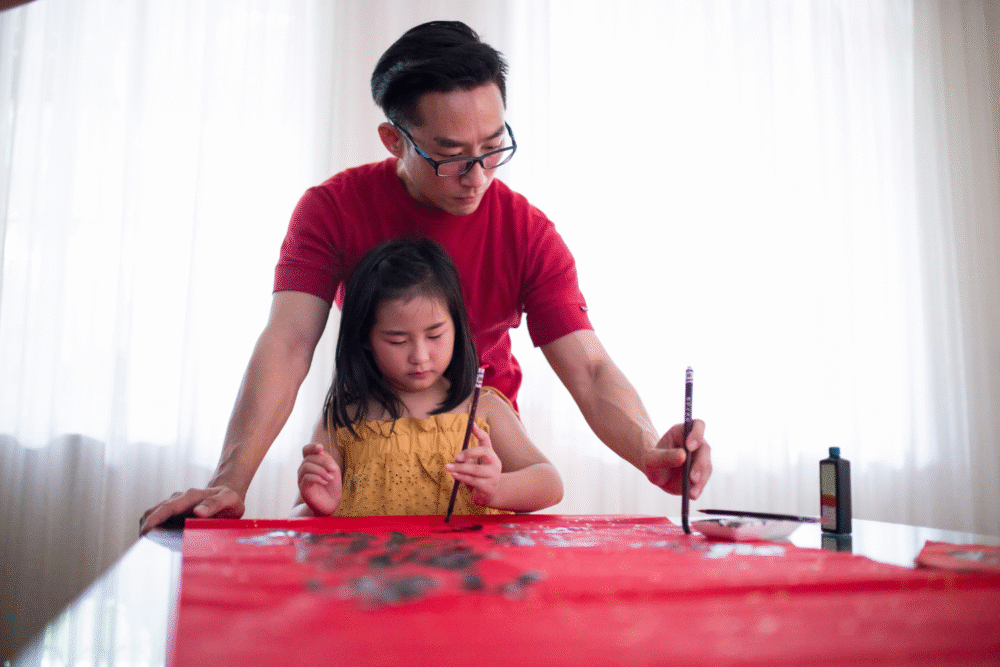
Calligraphy and hand lettering focus on creating beautiful letters with pens, brushes, and paper to develop a deliberate, meditative art form. Practitioners learn stroke order, pressure control, spacing, and layout, which transform letter shapes into expressive designs. The tactile feedback of nibs and brush pens and the slow practice of drills and alphabets promote steady attention and improve fine motor control. Styles range from traditional pointed pen scripts to modern brush lettering, and resources include practice sheets, tutorials, and inexpensive starter kits for beginners.
This hobby encourages patience and a restful pace that counters doom scrolling by channeling focus into a slow, creative craft. Start with ten minute daily drills to build muscle memory and use ruled practice sheets to track progress. A simple rule of thumb is to begin with a single tool like a soft brush pen and smooth paper to reduce frustration. Be mindful of ergonomics and good lighting, and avoid solvents or harsh inks unless you know how to handle them safely.
9. Participate in board games with friends to foster connection and fun.

Board games combine strategy, chance, and social interaction to create engaging offline entertainment for friends and family. From quick card based games to longer strategy titles, tabletop play demands face to face communication, rule following, and shared focus, all of which break the habit of solitary scrolling. Learning rule sets and negotiating turns develops concentration and social skills, and rotating games lets groups balance relaxation, competition, and cooperation. Board gaming communities and cafes also provide analog social opportunities that are screen free and restorative.
Playing board games boosts social connection and offers structured time away from digital overload while sharpening cognitive skills. Organize a regular game night or set aside a weekend afternoon and choose a game that fits the group s time and interest, aiming for sessions between thirty and ninety minutes. A practical checklist includes reading the rulebook in advance, having a timer for turns, and providing simple snacks. When playing with children, pick age appropriate games and clarify rules to keep the experience enjoyable.