
Maximize every inch of your apartment with practical and efficient space-saving solutions.

Living in a small apartment presents unique challenges that require smart planning and organization. Implementing effective apartment hacks can transform limited space into a comfortable, functional environment. Utilizing multi-functional furniture, optimizing vertical storage, and maintaining clutter-free zones help maximize square footage. These strategies enhance daily living by creating an orderly, spacious feel even in compact settings.
1. Use vertical shelving to maximize wall space efficiently.
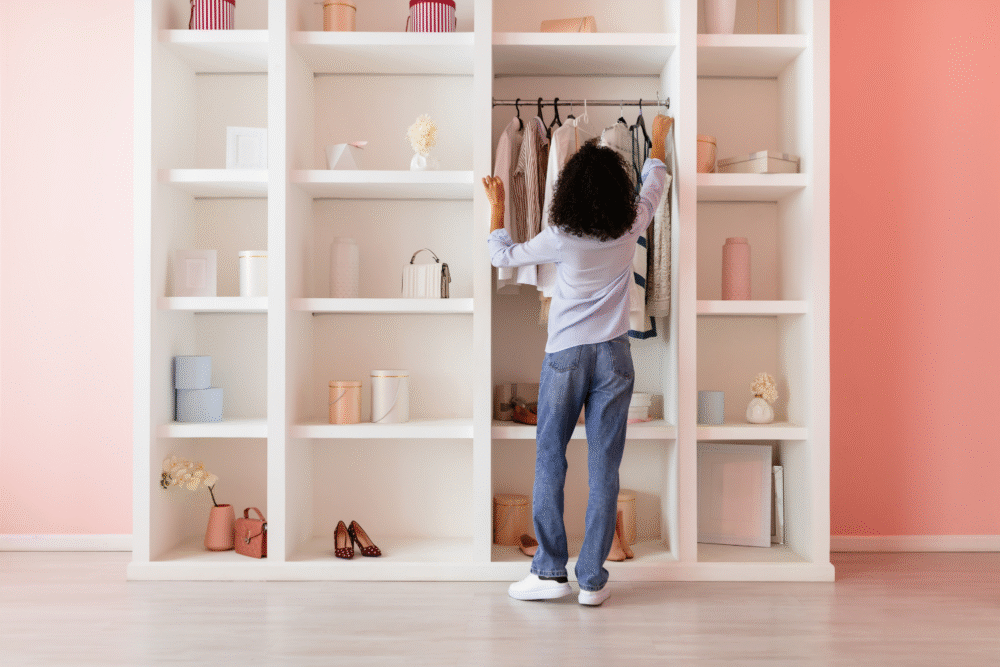
Vertical shelving utilizes unused wall space, providing an efficient way to organize without encroaching on floor area. It offers multiple levels of storage and display opportunities, making it a versatile option for books, decor, or kitchen essentials.
For small apartments, vertical shelving helps optimize storage by using height rather than floor space. This approach can transform a cluttered area into an orderly environment, without overcrowding the room. Consider versatility and adaptability when installing shelves to suit changing needs.
2. Install under-bed storage containers to hide extra belongings.
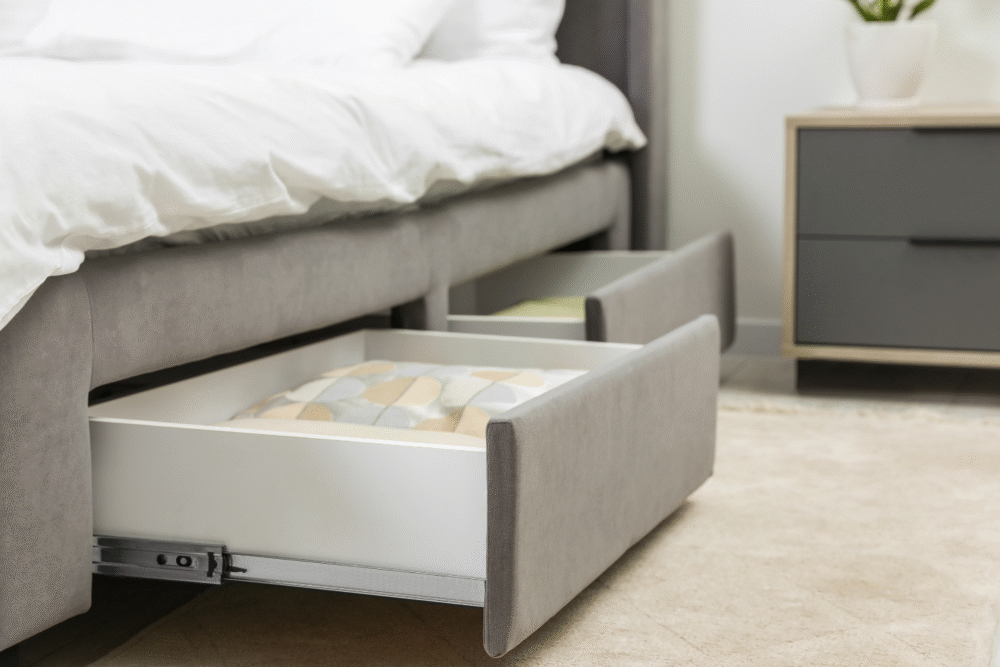
Under-bed storage containers provide a discreet solution for storing items like clothing, shoes, or seasonal bedding. These containers fit neatly underneath the bed, making use of space that often remains unutilized in small apartments, thereby freeing up valuable closet or dresser space.
Choosing the right size and type of under-bed storage can help maintain order while maximizing underused space. Consider using containers with wheels or handles for easier access. This storage method ensures belongings stay organized and accessible, contributing to a more spacious feel.
3. Choose multifunctional furniture that doubles as storage.

Furniture that serves multiple purposes, such as a sofa bed or an ottoman with storage, allows small spaces to be both functional and clutter-free. These pieces maximize usability, enabling residents to store items and accommodate guests without occupying extra room.
In compact living spaces, integrating multifunctional furniture provides flexibility and maximizes utility. For example, a convertible coffee table can transform a living area into a dining space, enhancing adaptability while keeping essential storage needs in mind.
4. Hang hooks behind doors for easy access to essentials.
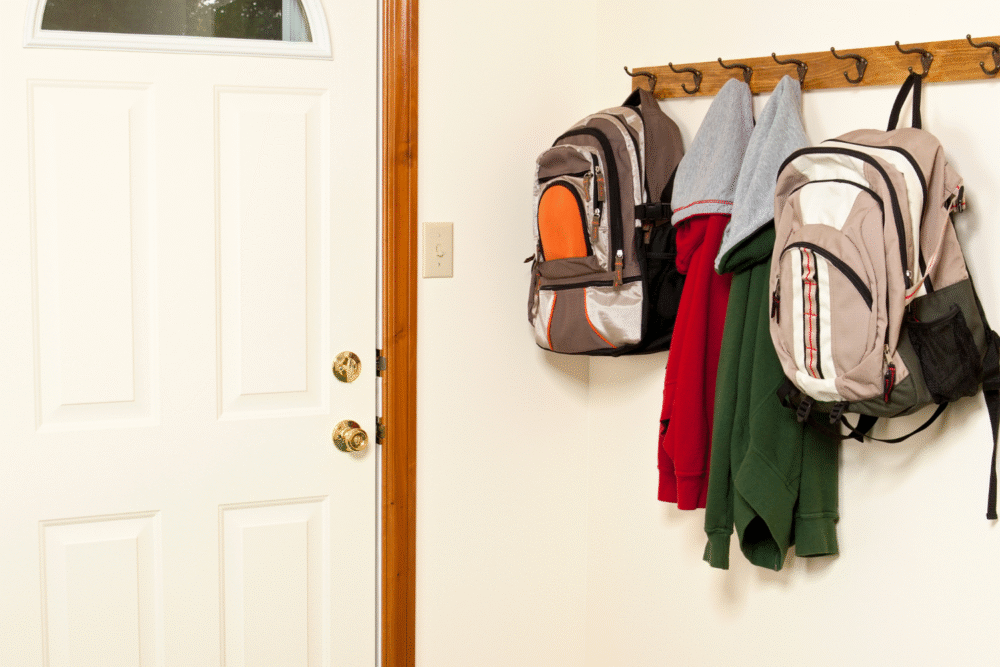
Hanging hooks behind doors can effectively utilize overlooked space, creating easy access storage for items like keys, bags, or jackets. This simple yet efficient method keeps essential items within reach without adding extra bulk to walls or surfaces.
Incorporating hooks also helps maintain organization in door-adjacent areas, preventing clutter and ensuring items don’t get lost. As a subtle space-saving solution, it contributes to a streamlined appearance, keeping small living spaces tidy and functional.
5. Utilize clear storage bins to find items quickly.

Clear storage bins facilitate quick identification of contents, helping to organize belongings logically while saving time. Their transparency eliminates the need to rummage through boxes, ensuring everything remains neatly stored even in tight spaces.
Labeling them further enhances organization, making retrieval effortless. Using clear bins in small apartments can help manage limited space by simplifying the process of storing and finding items, resulting in a structured and accessible living environment.
6. Place a foldable desk that tucks away when unused.

A foldable desk offers a flexible workspace solution in small apartments, providing a designated area for tasks when needed and neatly tucking away when not in use. This helps maintain a clutter-free atmosphere without sacrificing functionality or floor space.
Foldable desks are ideal for compact living environments, supporting various activities from work to hobbies while preserving precious space. Their ability to disappear enhances the room’s versatility, making organization and space efficiency achievable even in smaller areas.
7. Use tension rods to create additional closet sections.
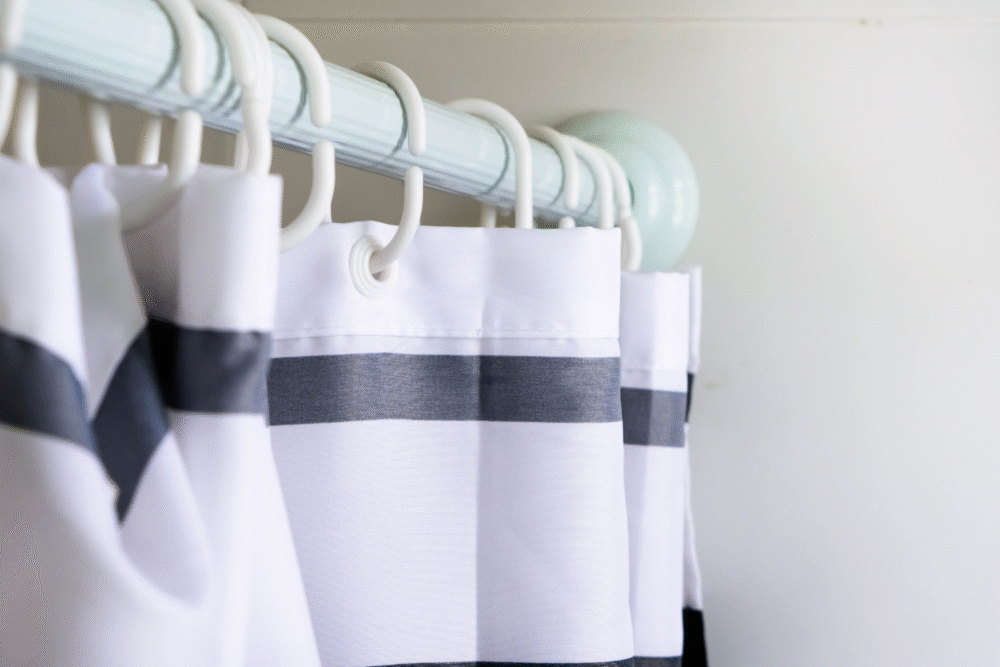
Tension rods are a versatile solution for subdividing closet space, offering an adjustable and easy-to-install option that enhances organization. Placed strategically, they can create additional hanging space for clothing or compartments for storing shoes and accessories.
In small apartments, tension rods help maximize closet potential, preventing items from becoming mixed or misplaced. This method easily adapts to changing storage needs, allowing for dynamic configuration in response to updates in wardrobe or organization preferences.
8. Add mirrors to create the illusion of a larger space.

Mirrors are a design tool that can visually expand a space, reflecting light and providing depth in compact areas. Carefully placed, they create an illusion of a larger room by amplifying existing light and emphasizing style elements without adding clutter.
In small apartments, mirrors can significantly alter ambience, making rooms feel more open and inviting. When positioned to reflect natural light or thoughtful decor, they enhance both aesthetic and spatial perception, contributing to a more comfortable living experience.
9. Arrange furniture to keep walkways open and uncluttered.
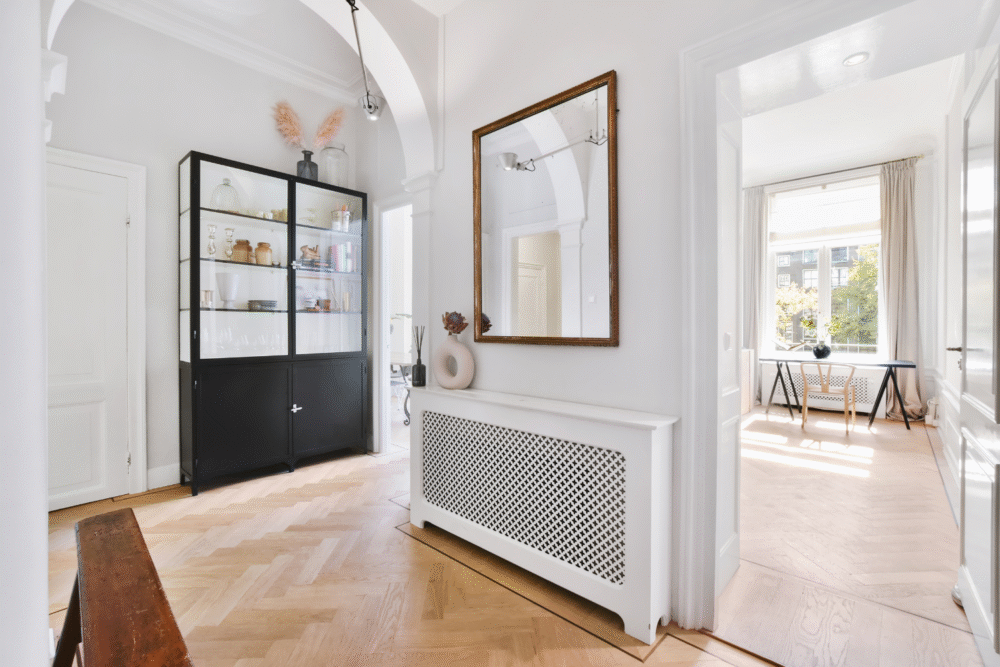
Arranging furniture to maintain open walkways ensures a room feels accessible and spacious, avoiding the crowded feeling that bulky arrangements can create. Smart placement of essential pieces highlights functionality without sacrificing comfort or aesthetic appeal.
Clear paths within a small apartment facilitate movement and contribute to an organized and welcoming atmosphere. Thoughtful arrangement provides balance, allowing residents to enjoy their space while minimizing the visual and physical clutter that can accompany dense layouts.
10. Label storage boxes to stay organized and save time.

Labeling storage boxes simplifies the process of locating items, promoting a structured and efficient organization system especially valuable in compact spaces. When belongings are consistently labeled, finding necessary items becomes quicker and more intuitive.
In small apartments, organized storage minimizes anxiety from clutter, contributes to an orderly environment, and frees up time for more enjoyable activities. A clear labeling system ensures that space, no matter how limited, remains tidy and easily navigable.