
Stories often teach us more about ourselves than advice ever could.
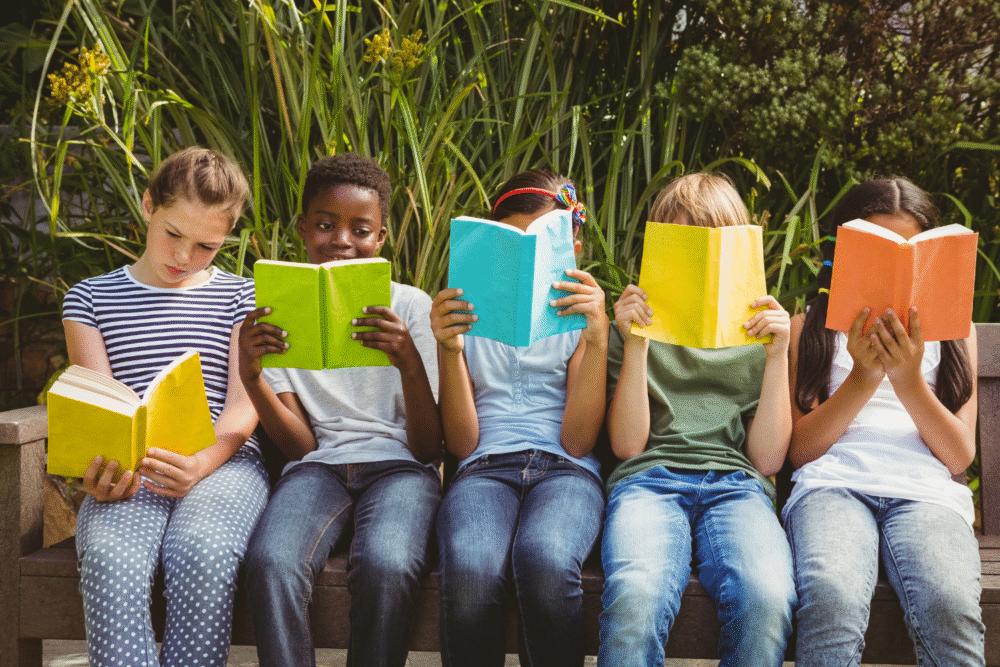
Fiction has a way of holding up a mirror, showing pieces of life we might overlook in the rush of growing up. Through characters’ struggles, heartbreaks, and small triumphs, we see our own vulnerabilities and the possibility of healing reflected back at us.
These ten novels aren’t just entertaining—they’re companions for anyone navigating adulthood, loss, or the long work of self-discovery. Each one leaves lessons that linger long after the last page.
1. The Catcher in the Rye captures the ache of adolescence.

J.D. Salinger’s iconic novel remains a touchstone for understanding teenage alienation. Holden Caulfield’s voice resonates because it’s unfiltered, raw, and unapologetically uncertain. His frustration with a “phony” world reflects the disconnection many feel on the cusp of adulthood.
Revisiting the book as an adult brings new clarity. It’s less about teenage rebellion and more about the longing for authenticity. Holden reminds us that healing begins when we stop pretending and admit what actually hurts.
2. To Kill a Mockingbird shows courage in quiet forms.

Harper Lee’s novel places moral bravery in the hands of ordinary people. Scout’s childhood perspective softens the edges of racism and injustice, yet makes their weight undeniable. The story teaches that doing what’s right often looks quieter than we imagine.
For readers, the lesson is enduring: healing society requires individuals willing to stand firm in discomfort. Atticus Finch embodies integrity, reminding us that healing isn’t just personal—it’s collective.
3. The Perks of Being a Wallflower honors vulnerability.

Stephen Chbosky’s epistolary novel captures the loneliness and fragility of growing up. Charlie’s letters reveal trauma, friendship, and the painful gap between wanting to belong and not knowing how. His perspective is tender, unpolished, and deeply human.
The book resonates because it names experiences so many keep hidden. Healing emerges not through perfection but by finding people who see you fully. Charlie’s story is proof that connection is a lifeline in messy years.
4. A Tree Grows in Brooklyn celebrates resilience.

Betty Smith’s coming-of-age story portrays poverty without stripping away hope. Francie Nolan grows up in hardship, yet finds beauty in small escapes—books, imagination, and fleeting joys. Her resilience isn’t glamorous; it’s quiet persistence against relentless odds.
For adults, the lesson is striking: resilience grows in ordinary moments, not heroic gestures. Healing happens when we allow ourselves to hold onto hope, even when life feels sparse. Francie’s world teaches that dignity can survive difficulty.
5. The Secret Life of Bees reminds us of chosen family.

Sue Monk Kidd’s novel explores loss, guilt, and the search for belonging. Lily’s journey leads her to a household of strong women who provide the love and stability her family couldn’t. Healing comes not from where she was born but from where she is embraced.
The truth here is that family isn’t always blood. Sometimes survival requires creating new bonds. Healing deepens when we find spaces where love is freely given and received.
6. The Kite Runner faces guilt and redemption.

Khaled Hosseini’s story of Amir and Hassan confronts betrayal and the long path to forgiveness. Its portrayal of childhood choices haunting adulthood is both painful and necessary. Guilt doesn’t vanish with time; it demands courage to face the past.
Readers learn that healing isn’t clean—it requires action, often at a cost. The novel shows redemption as messy but possible, reminding us that facing what we fear can set us free.
7. Little Women redefines strength and tenderness.

Louisa May Alcott’s beloved novel blends family devotion with the complexities of female independence. Each March sister embodies a path of growth, sacrifice, or rebellion, showing that growing up never follows one script.
The story heals by validating difference. Jo’s stubborn ambition and Beth’s gentle spirit both have value, reminding readers that self-worth isn’t measured against one standard. Growing up means learning to honor who we actually are.
8. Beloved forces us to face haunting histories.

Toni Morrison’s masterpiece reveals how trauma binds itself to memory. Sethe’s choices, shaped by slavery’s cruelty, show how healing is impossible without facing the past. The novel’s haunting tone makes trauma unavoidable, yet insists on the possibility of moving forward.
For readers, the lesson is profound. Healing is never linear—it requires confronting what hurts, not suppressing it. Morrison’s story compels us to see that freedom is incomplete until we untangle old wounds.
9. Life of Pi highlights resilience through imagination.

Yann Martel’s survival tale mixes allegory with adventure. Pi’s companionship with a tiger on a lifeboat demonstrates how imagination, faith, and adaptation can sustain life in impossible circumstances.
The book teaches that healing often begins with perspective. Reframing suffering doesn’t erase it, but it transforms despair into endurance. Pi’s journey reminds us that survival is both physical and spiritual, requiring creativity as much as strength.
10. Jane Eyre insists on dignity above comfort.

Charlotte Brontë’s heroine refuses to compromise her self-respect, even when love or security tempt her otherwise. Jane’s growth is marked not by grand transformation but by unwavering boundaries.
For readers, the lesson is clear: healing requires valuing yourself enough to walk away from what diminishes you. Jane embodies the power of saying no, proving that true independence starts with self-respect.