
Discover the main reasons self-checkout technology frustrates customers and affects their shopping experience.

Self-checkout systems promise convenience but often fall short, leading to customer dissatisfaction. Common issues include barcode scanning errors, slow payment processing, and confusing user interfaces. These problems disrupt the checkout flow and increase wait times. Understanding these frustrations helps explain why many shoppers avoid self-checkout lanes despite their intended benefits.
1. Machines often misread items and delay the checkout process.

Self-checkout machines sometimes struggle with accurately reading item barcodes, leading to frustrating delays. These misreads occur when scanners fail to detect the correct product information. Consequently, customers must wait for assistance, disrupting the anticipated swift checkout process.
Such glitches can undermine confidence in the technology, prompting shoppers to question its reliability. Frequent issues can lead to longer queues, overshadowing the convenience factor. To maintain satisfaction, stores must address these frequent misreads and ensure a seamless experience.
2. Limited assistance causes confusion when the system encounters errors.

Limited on-site assistance often leaves customers confused when self-checkout systems encounter errors. Without immediate help, resolving issues like misread barcodes or payment problems becomes challenging. Customers frequently become frustrated as time-consuming errors occur.
In retail environments with high foot traffic, the lack of available staff can amplify this problem. Customers, expecting a quick transaction, may instead face delays that impact their shopping experience. Ensuring sufficient assistance minimizes these frustrations and maintains operational efficiency.
3. Customers face slow payment processing due to outdated software.

Slow payment processing is a common frustration when outdated software powers self-checkout systems. Transactions lag, interrupting the streamlined experience users anticipate. Customers forced to wait for slow authorizations or system responsiveness feel their time is undervalued.
Over-reliance on antiquated technology can detract from user satisfaction, which ideally ensures fast and smooth transactions. Upgrading software or systems can improve transaction speeds, reinforcing the appeal of self-checkout stations.
4. Barcode scanners frequently fail to recognize certain product labels.

Barcode scanners in self-checkout lanes can struggle to recognize certain product labels, leading to annoyance for shoppers. This issue often arises from worn or unusual labels that fail to scan correctly. Customers then need to troubleshoot or seek assistance.
Such scanning errors can prolong the checkout process, affecting customer satisfaction and throughput. Reliable scanning technology becomes essential to handle diverse packaging designs and reduce transaction time for customers seeking efficiency.
5. Unexpected system shutdowns disrupt transactions and frustrate shoppers.

Unexpected shutdowns of self-checkout systems mid-transaction can frustrate shoppers and lead to disrupted purchases. Technical malfunctions or power fluctuations often cause these interruptions, forcing customers to restart the process.
Such disruptions are particularly problematic in busy shopping environments, surprising users and creating backlogs. Addressing system stability by deploying robust technology can minimize these unexpected interruptions, enhancing the overall shopping experience.
6. Bagging area sensors can falsely detect missing or misplaced items.

Bagging area sensors in self-checkout lanes often mistakenly detect missing or misplaced items, leading to customer dissatisfaction. Sensitive weight sensors may trigger errors if items are not placed immediately after scanning.
These sensor alerts slow transactions and may require staff intervention to clear false positives. Balancing sensitivity without compromising accuracy is important to maintain a smooth checkout process and ensure reliable performance.
7. Complex interfaces confuse users unfamiliar with digital technology.

Complex user interfaces of self-checkout machines can confuse customers unfamiliar with digital interfaces. Occasional complexity in navigation can overwhelm shoppers, particularly those less tech-savvy, deterring them from using self-checkout lanes.
User-friendly interfaces that cater to varying familiarity levels with technology can ease this experience. Streamlining navigation options allows personalization, aligns with users’ needs, and supports inclusive access to convenience-driven systems.
8. Lack of customization options hinders solving unique purchase scenarios.

Self-checkout stations often lack customization options necessary for handling unique purchase scenarios. Generic settings may not accommodate diverse transaction requirements, causing inefficiencies and user dissatisfaction.
Customers with special requests or needing tailored solutions find limited support. Incorporating choice flexibility into these systems could improve adaptability, catering effectively to different shopping needs while enhancing transaction efficiency.
9. Oversized or heavy items cause difficulties in the scanning process.
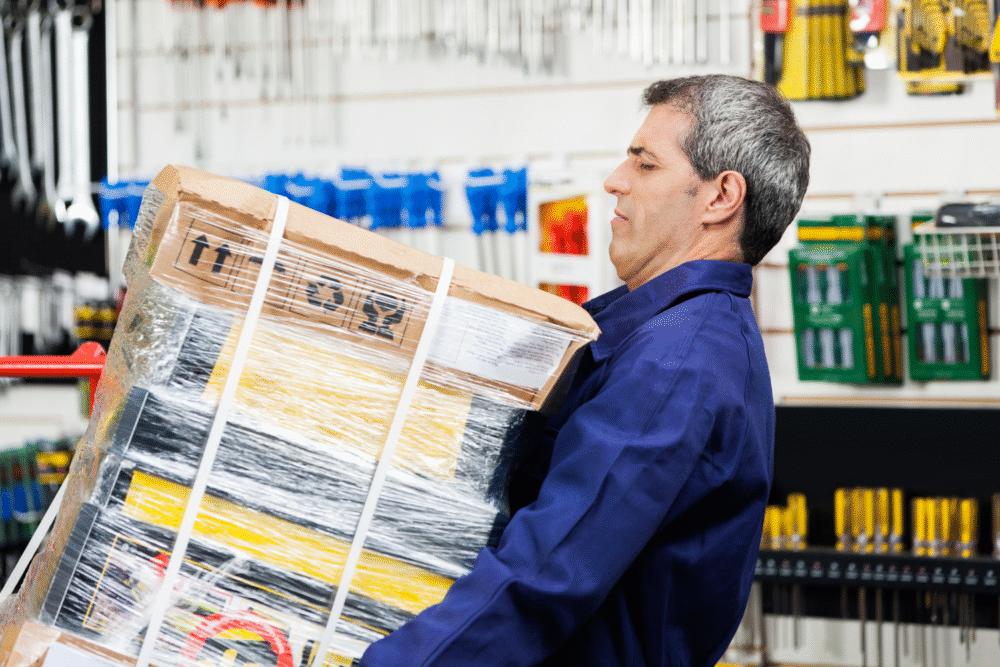
Oversized or heavy items present obstacles during the self-checkout process. Standard scanning equipment may struggle with dimensionally larger products, leading to delays. Customers often require assistance with such items, detracting from an independent checkout experience.
These challenges emphasize the need for accessible alternatives that address bulk items. Appropriate accommodations ensure seamless handling and maintain the efficiency traditional shoppers expect from self-checkout.
10. Inadequate security measures create concerns about shoplifting accusations.

Inadequate security measures at self-checkout stations can lead to shopper concerns about false accusations of shoplifting. Limited oversight and technological safeguards may fail to prevent misunderstandings, generating apprehension among customers.
Strengthening these measures can affirm trust in self-checkout environments. Implementing reliable security systems balanced against convenience ensures fairness, preventing undue stress for shopping in a streamlined manner.