
These viral parenting videos reveal the real challenges and strategies of raising young children.

Social media has transformed how parents share their experiences, with TikTok emerging as a particularly powerful platform for honest parenting content. These short-form videos capture the unfiltered reality of raising children ages five and under, from chaotic morning routines to emotional meltdowns. The platform’s algorithm has elevated content that resonates with millions of parents worldwide, creating viral moments around universal parenting struggles.
1. Managing multiple young children reveals the true complexity of family logistics.

Videos showing parents juggling three or more children under five highlight the intense multitasking required in early childhood parenting. These clips often capture moments of controlled chaos, where parents attempt to manage feeding schedules, diaper changes, and toddler demands simultaneously. The content resonates because it shows the physical and mental stamina required for this phase of parenting.
The reality of managing multiple young children involves constant prioritization and compromise. Parents must quickly assess which child’s needs are most urgent while maintaining safety and some semblance of routine. These videos validate the experience of feeling overwhelmed while demonstrating that controlled chaos is often the best possible outcome. A practical approach involves preparing as much as possible the night before and accepting that some days will simply be about survival rather than perfection.
2. Gentle parenting techniques offer alternatives to traditional discipline methods.

Gentle parenting content on TikTok demonstrates how to respond to challenging behaviors without harsh punishment or raised voices. These videos typically show parents getting down to a child’s eye level, acknowledging emotions, and setting clear boundaries with empathy. The approach focuses on understanding the root causes of behavior rather than simply stopping unwanted actions.
This parenting philosophy emphasizes connection before correction, helping children develop emotional regulation skills rather than compliance through fear. Parents using gentle techniques report stronger relationships with their children and fewer power struggles over time. However, gentle parenting requires significant emotional labor and patience from adults, particularly during stressful moments. Start by practicing one gentle technique at a time, such as naming emotions before addressing behavior, and remember that consistency matters more than perfection.
3. Young children’s unfiltered honesty provides both humor and insight into their development.
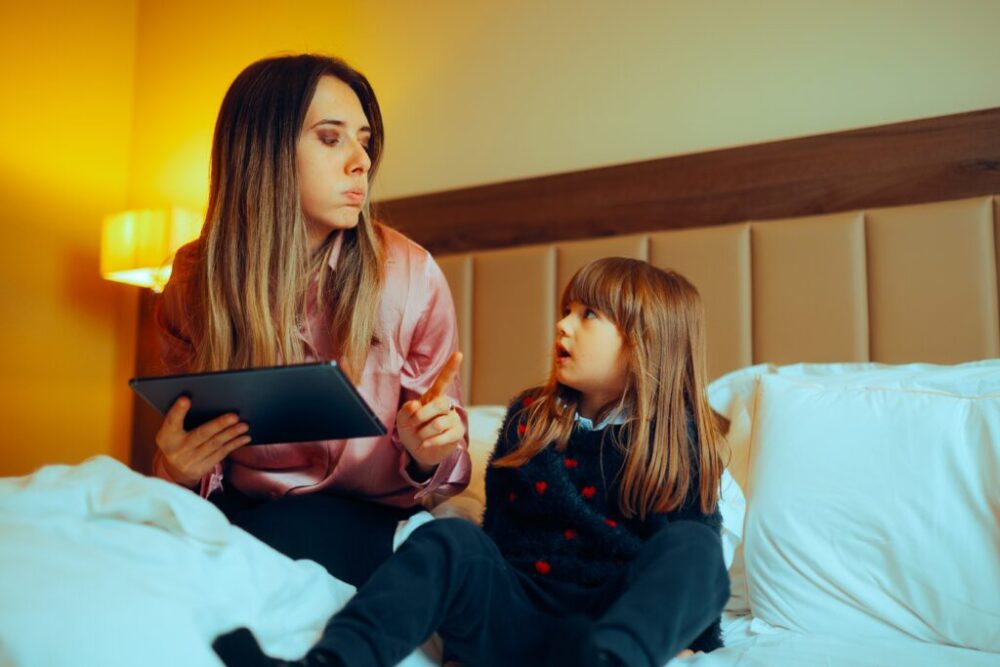
TikTok videos featuring brutally honest comments from toddlers and preschoolers showcase how young children process and articulate their observations about the world. These clips capture moments when children make embarrassing but innocent observations about their parents, strangers, or situations. The content highlights the developmental stage where children lack social filters but possess keen observational skills.
Children’s honest commentary reflects their concrete thinking and limited understanding of social norms. They often notice physical differences, emotional states, and inconsistencies that adults have learned to ignore or politely overlook. While these moments can be embarrassing for parents, they provide valuable windows into how children think and what they’re learning from their environment. Use these honest moments as opportunities to teach social skills and empathy while appreciating your child’s developing perspective on the world.
4. Toddler meltdowns require specific strategies that differ from older children’s emotional needs.

Viral videos demonstrating meltdown management show parents using techniques like staying calm, offering choices, and validating emotions while maintaining boundaries. These clips often contrast effective responses with common mistakes, such as trying to reason with an overwhelmed toddler or matching their emotional intensity. The content emphasizes that meltdowns are developmental milestones rather than behavioral problems.
Toddler brains are still developing the capacity for emotional regulation, making meltdowns a normal part of growth rather than defiance. During a meltdown, the child’s logical brain is essentially offline, making traditional discipline ineffective. Parents who understand this developmental reality can respond with patience and appropriate expectations. Keep your voice calm and steady, offer comfort without immediately trying to fix the situation, and remember that the meltdown will pass more quickly when met with understanding rather than frustration.
5. Teaching sharing and turn-taking requires patience and creative distraction techniques.

TikTok content about sharing struggles shows parents using timers, songs, and engaging activities to help toddlers wait their turn without major conflicts. These videos demonstrate how to set up environments that minimize sharing conflicts and how to intervene when disputes arise. The focus is on teaching the concept gradually rather than expecting immediate compliance.
Young children’s understanding of sharing is still developing, as they’re naturally egocentric and struggle with abstract concepts like fairness and time. Forcing sharing too early can actually increase anxiety and possessiveness in some children. Effective strategies involve providing duplicates of popular toys when possible, using visual timers to make waiting concrete, and praising attempts at sharing even when imperfect. Remember that true sharing typically doesn’t develop until around age four, so focus on taking turns rather than permanent giving up of items.
6. Sibling rivalry among young children stems from competition for parental attention and resources.

Videos addressing sibling conflicts show parents mediating disputes, teaching communication skills, and helping children express their needs without aggression. These clips often demonstrate how to avoid taking sides while ensuring safety and helping children develop problem-solving skills. The content emphasizes that some conflict is normal and even beneficial for social development.
Sibling rivalry intensifies when children are close in age and competing for the same developmental resources like parental attention, toys, and physical space. Young children lack the emotional vocabulary and self-regulation skills to handle jealousy and frustration appropriately. Parents can reduce conflicts by ensuring each child gets individual attention, avoiding comparisons, and teaching specific phrases for expressing feelings and negotiating solutions. When conflicts arise, focus on helping children identify their emotions and brainstorm solutions rather than determining who was right or wrong.
7. Feeding challenges with young children often involve power struggles and sensory preferences.

Honest feeding videos capture the reality of picky eating, meal refusal, and the exhaustion parents feel when children won’t eat prepared foods. These clips show various strategies like offering choices, involving children in preparation, and maintaining calm responses to food rejection. The content validates that feeding struggles are extremely common and rarely indicate serious problems.
Young children’s eating patterns are influenced by developmental changes, sensory sensitivities, and their natural drive for autonomy. Growth spurts and developmental leaps can dramatically affect appetite and food preferences. Many feeding battles stem from parental anxiety about nutrition combined with children’s need to assert control over their bodies. Offer a variety of foods without pressure, eat family meals together when possible, and trust that healthy children will eat enough to meet their needs over time. Consult your pediatrician if you have genuine concerns about growth or nutrition.
8. Child-friendly environments reduce behavioral challenges and support independence.
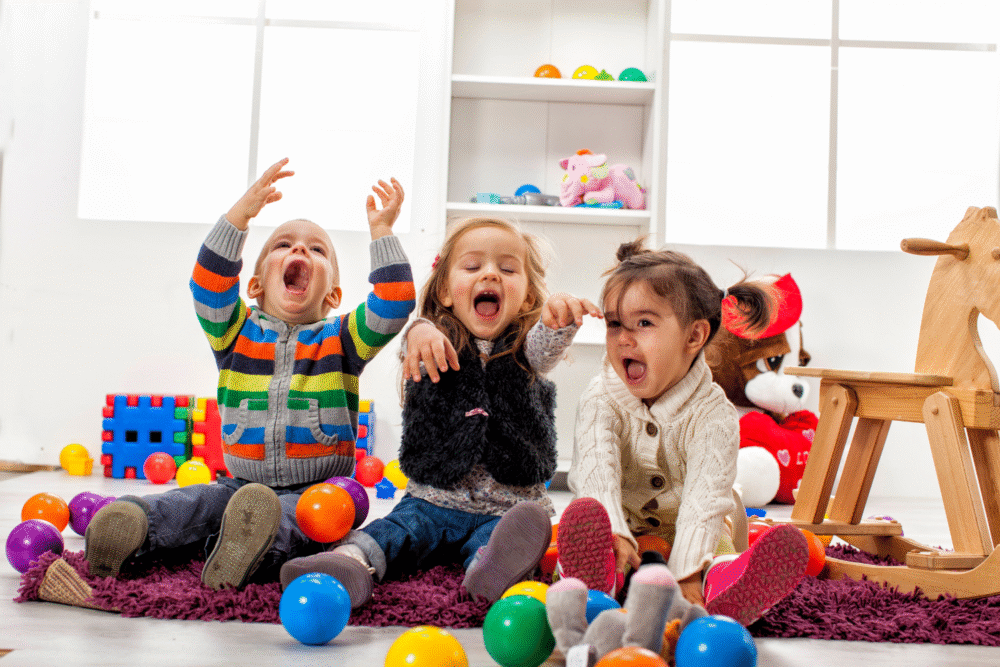
TikTok videos about organizing children’s spaces show how physical environments can either support or hinder positive behaviors. These clips demonstrate low shelving for toy access, visual schedules, and safety modifications that allow children more freedom to explore. The focus is on creating spaces that match children’s developmental needs and physical capabilities.
Environmental design significantly impacts children’s behavior, emotional regulation, and ability to follow routines independently. Spaces that are too adult-focused create constant correction and frustration for both parents and children. Child-friendly modifications include accessible storage, clear visual boundaries, and materials that can withstand enthusiastic use. Start by observing where conflicts frequently occur in your home and consider whether environmental changes could address the underlying issues. Simple modifications like step stools, low hooks, and designated play areas can dramatically reduce daily struggles.
9. Parent burnout is a common experience that requires acknowledgment and support strategies.

Viral videos about parental exhaustion normalize the intense demands of caring for young children while showing parents seeking help, taking breaks, and prioritizing self-care. These clips often contrast the idealized version of parenting with the reality of sleep deprivation, constant vigilance, and emotional labor. The content emphasizes that struggling doesn’t indicate failure as a parent.
Parenting young children requires sustained physical and emotional energy that can deplete even the most prepared adults. The combination of sleep disruption, constant decision-making, and emotional availability creates conditions that naturally lead to burnout. Recognizing burnout as a systemic issue rather than personal failure helps parents seek appropriate support. Build regular breaks into your routine, accept help when offered, and remember that taking care of yourself ultimately benefits your children. If feelings of overwhelm persist or interfere with daily functioning, consider speaking with a healthcare provider about additional support options.
10. Teaching emotional vocabulary helps young children develop self-regulation skills.

TikTok content about emotions shows parents naming feelings, demonstrating coping strategies, and helping children connect physical sensations with emotional states. These videos often feature simple techniques like deep breathing, emotion cards, or songs that help children identify and express their feelings appropriately. The emphasis is on building skills gradually through consistent practice.
Young children experience intense emotions but lack the cognitive development to understand or manage them effectively. Teaching emotional vocabulary provides tools for self-advocacy and reduces frustration that often leads to behavioral challenges. Children who can identify and communicate their feelings develop better relationships and greater resilience over time. Start with basic emotions like happy, sad, angry, and scared, using books, mirrors, and real-life moments to practice identification. Model emotional vocabulary by narrating your own feelings and demonstrating healthy coping strategies throughout daily activities.