
Understanding which everyday foods often go to waste can help improve your budget management.

Wasting food doesn’t just impact the environment—it can also strain your finances. Many common foods are discarded prematurely due to misunderstanding expiration dates, improper storage, or overbuying. By learning which items are most frequently wasted and adopting simple strategies like meal planning and better preservation methods, you can stretch your grocery dollars further and reduce unnecessary food loss.
1. Bread that goes stale before you finish it.

Bread can go stale easily due to moisture loss. When bakery-fresh, bread has up to 40% moisture. Consuming it quickly prevents waste, but improper storage hastens its demise. A loaf left unsecured on the counter may quickly join breadcrumbs or croutons due to its diminished appeal.
Yet, there’s hope in being mindful of usage and storage. Keeping bread in a bread box helps extend its life by balancing humidity. Slices forgotten in the corner of the pantry often become a financial drain, tempting replacements before necessity dictates.
2. Fresh herbs that wilt quickly in the fridge.

Fresh herbs exude their vibrant aroma, but their delicate leaves wilt swiftly. Each lush bunch seems full of culinary promise, only to lose its luster in days. Watery bottoms of fridge crisper drawers often serve as a testament to hurried plans and missed opportunities.
Embracing creative storage methods extends their vibrancy. Placing herbs in jars with water, akin to a bouquet, can stretch their usefulness. This way, unused herbs can enhance a Sunday roast instead of becoming supermarket toss-outs, ignored and costly.
3. Bananas that brown and get tossed too soon.

Bananas begin as a bright fixture in the fruit bowl. Their transformation to brown goes unnoticed until it’s too late. A split, mushy skin signifies cash slipping right past the weekly budget. They’re often neglected, especially when unplanned ripeness occurs unexpectedly.
Though these bananas seem destined for waste, they harbor future potential. Once spotted, they can be revived as smoothie ingredients or batch-baked delights. Missing this chance turns energy-giving gold to unavoidable waste.
4. Leftover vegetables forgotten at the back of the fridge.

Forgotten vegetables languish in the shadows of the refrigerator. These vibrant gems offer potential nutrition and savings but often blend into obscurity amid busyness. Their presence turns evident only after they’re undesirable for main dishes, forcing regretful throws.
With the right observational spin, they avoid this fate. Spotting them early allows for reinvention in hearty soups or casseroles. Such pots grant a second life to weary greens, transforming what might have been disregarded into substantial meals.
5. Cheese that hardens or molds unused.

Cheese possesses a sumptuous appeal yet risks untimely diminishment. As it sits unused, a waxy, tough rind forms. Underneath lurks mold like unwelcome guests on the dairy’s luxurious surface, spiraling once-tasty goods toward ruin without attention.
Fortunately, finesse exists in controlled portions and storage aids. Wrapping cheese in parchment allows it to breathe while reducing spoilage likelihood. Thus, every wedge or block can dispense satisfaction without financial or culinary disappointment.
6. Cooked rice left over and thrown away.
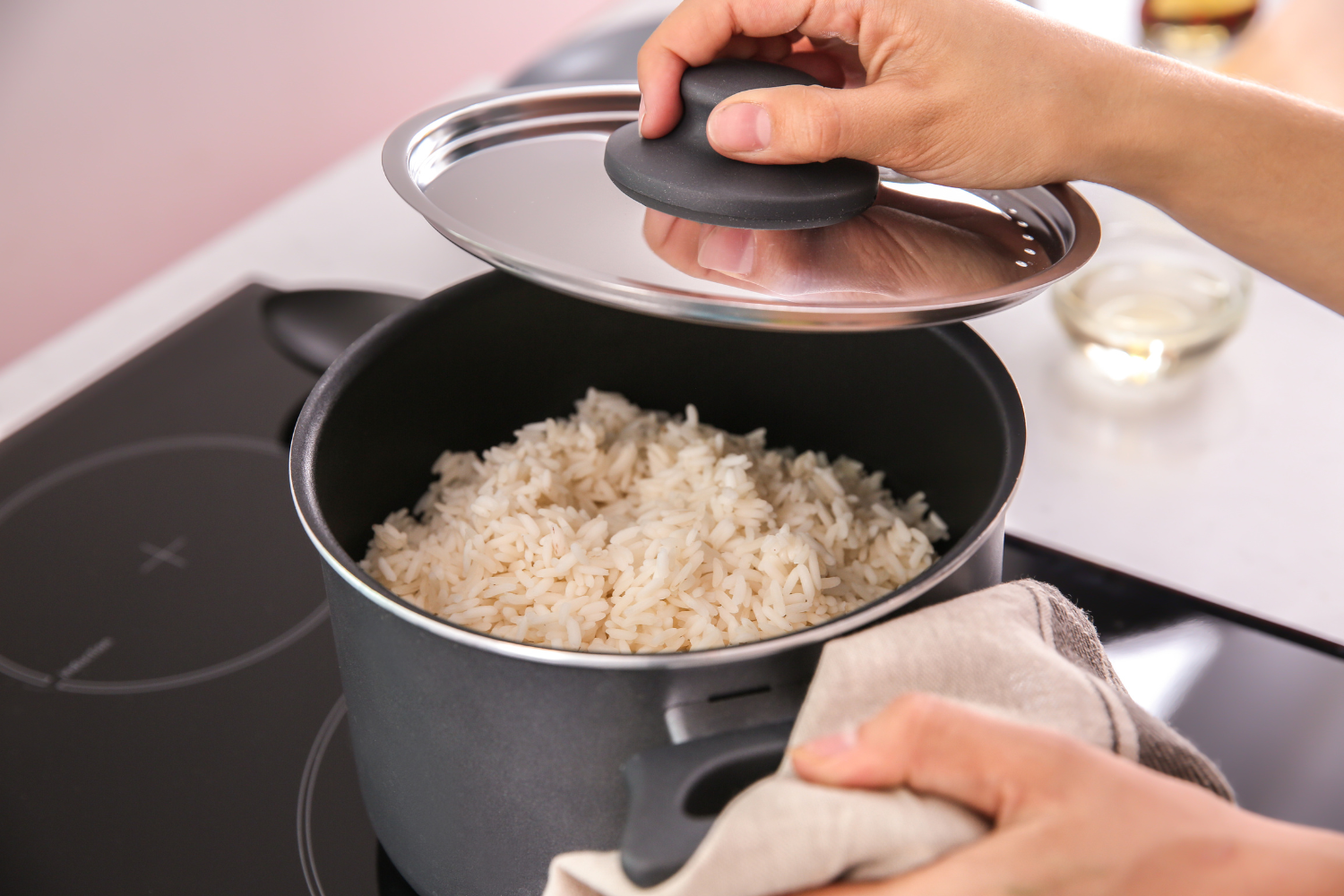
Cooked rice remains adaptable yet misunderstood post-dinner. It rests patiently in chilled containers, often clumped and less enticing than its initial steam. With busy days after the excitement wanes, it’s overlooked or discarded swiftly.
Used beyond its first intent, rice transforms a planned waste into new dishes. Incorporating it into fried rice or a comforting stir-fry rearranges dining dynamics, maximizing meals and preventing losses from overlooked inventory.
7. Milk that sours before being consumed.

Milk sours swiftly when its consumption timeline is misjudged. With each pour, its creamy potential diminishes if not curated meticulously. An overlooked glass or unwanted carton gradually edges toward the realm of unseen but steady expenses.
Watching expiration dates closely preserves freshness. Sealed correctly, milk rides further along its intended path while uncut cartons patiently wait their turn. Regular reminders prevent fridge dweller oblivion and needless replacements.
8. Meat stored improperly and discarded prematurely.

Meat often meets its fate long before intended delight at dinner. Failure to store it properly leads to pernicious spoilage. Sitting improperly wrapped, its nature changes, illustrating an unfortunate bonus investment.
Understanding required conditions keeps quality—all in pursuit of safe consumption. It can be straightforward, yet remaining mindful daily prevents premature needless waste while respectfully managing resources.
9. Fresh berries that spoil before you eat them.

Fresh berries embody delicate sweetness with a fleeting period of perfection. Their arrival in handheld containers signifies brief moments enjoyed or expensively lost if missed. Stored poorly or undiscovered, mold quickly stakes an irreversible claim.
Yet when handled and presented efficiently, they endure longer. Rehousing from original cases ensures breathability, prolonging lusciously tart bursts of vibrant energy. A single awareness shift offers generous returns post-pick.
10. Salad greens that wilt and are discarded.

Salad greens inspire visions of freshness, yet their presence begs speed. Left untouched, they exhibit distress, collapsing into wilting oblivion. Yesterday’s hope seems less appealing when later greeted by soggy leaves.
Gentle handling uplifts their tenure. Silkily covered in breathable escapes, they breathe freely, blending future-focused grocery trips with fragile contributions. Visible resilience preludes indulgence or resource management refinement.
11. Citrus fruits that dry out or mold unnoticed.

Citrus fruits emit zestful colors, promising juicy, tangy benefits. However, they’re prone to unnoticed changes, leading to shriveled skins or mold’s quiet spread if neglected too long. Each fruit’s life speaks quietly when masked under precludes of convenience.
Prope handling encircles them in longevity. When stored with ventilation, blessings of tang persist until self-assurance meets external ambition without doubt—each peel encountering promising uninterrupted application toward purpose-driven sweetness.