
A weak dollar subtly raises daily expenses through higher prices and inflation pressures.

When the dollar loses value against other currencies, its effects reach beyond international borders into everyday life. A weaker dollar often means higher costs for imported goods, energy, and travel, which collectively push up the overall cost of living. Understanding these influences can help consumers better manage budgets and anticipate changes in household spending amid shifting currency values.
1. Higher prices for imported goods can stretch your monthly budget.

A weak dollar leads to higher prices for imported goods by making foreign products more expensive for American consumers. When each dollar buys less on the international market, businesses often pass those costs onto consumers. Your monthly budget can feel the pinch.
Household staples from electronics to coffee beans can see noticeable price hikes. Shoppers find themselves recalculating grocery lists or postponing non-essential purchases. Import-heavy retailers, faced with increased costs, may adjust pricing, impacting consumers’ purchasing power in subtle but tangible ways.
2. Travel expenses may climb as foreign currency becomes more expensive.

The cost of international travel can surge when the dollar weakens, since dollars buy fewer euros, yen, or pesos abroad. As exchange rates shift unfavorably, travelers need more money to cover the same trip costs.
Enjoying a latte at a Parisian café or budgeting for train tickets may require more careful planning. While overseas, American tourists might find themselves reevaluating souvenir purchases or dining options. Many discover their travel savings deplete faster, as costs for accommodations and activities rise along with currency fluctuations.
3. Everyday items that rely on overseas materials could see price hikes.

Everyday items that incorporate imported materials may experience cost increases when the dollar weakens. Products like clothing often rely on fabrics or components sourced internationally, which can inflate final retail prices.
Finding jeans made with imported cotton at higher prices isn’t uncommon. Consumers notice these changes gradually but inevitably, as retailers adjust product costs. It’s a ripple effect, seen across numerous necessities, from cleaning supplies to tools, all feeling the weight of currency shifts.
4. Inflation pressures might rise due to costlier international supply chains.
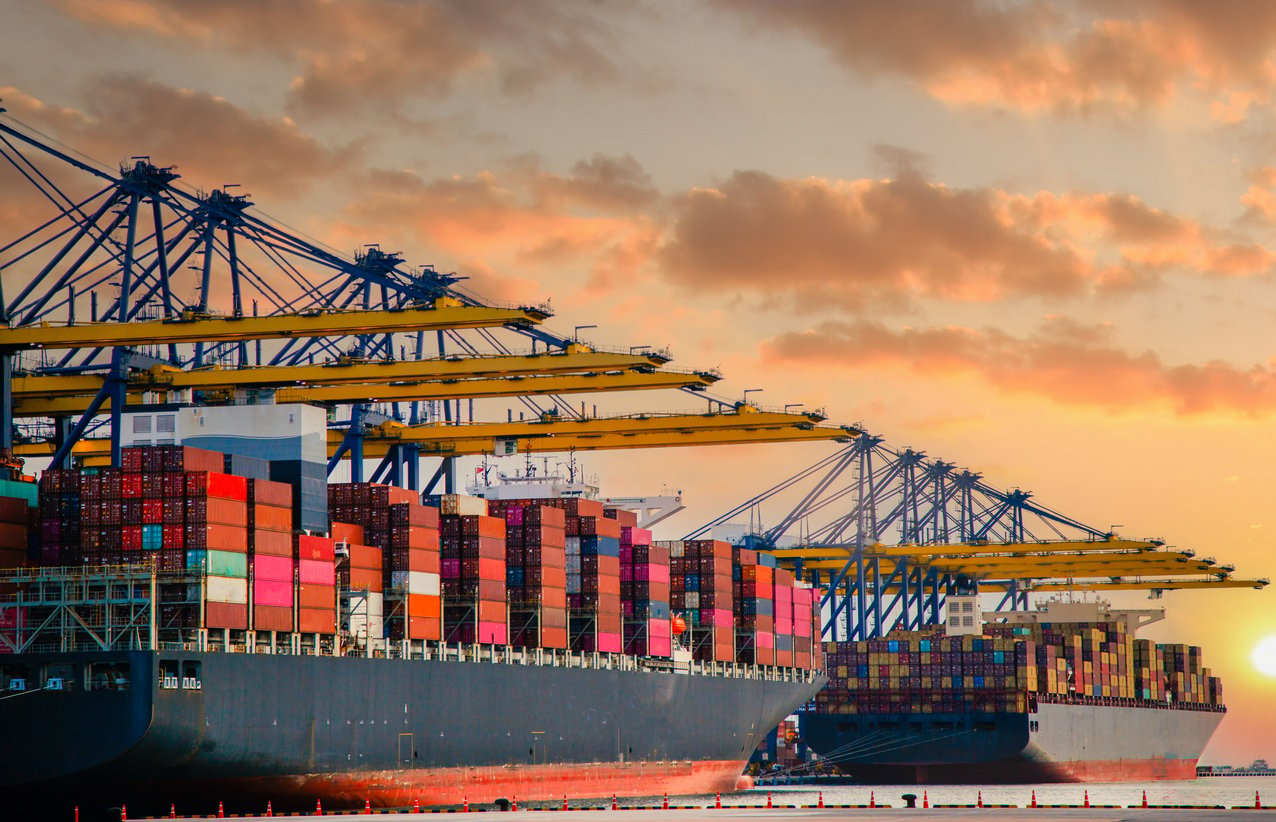
Inflation pressures can mount when the dollar loses strength because international supply chains become more expensive. Transportation and material costs escalate, which businesses often pass through to customers in the form of higher prices.
Supply chain complexities can intensify these impacts. Small businesses might struggle more than larger competitors, having less room to absorb increased expenses. This can affect everything from basic groceries to high-end gadgets, leading to broader economic challenges over time.
5. Utility bills could increase if energy imports become more costly.

Utility bills might increase if energy imports become more expensive due to a weaker dollar. Energy companies, reliant on foreign fuel supplies, face higher costs, often transferring those to consumers through adjusted rates.
For households, this might translate into steeper heating bills or gas costs fluctuating at the pump. Families need to budget for higher regular expenses, noticing small but steady hikes on monthly statements. The effect can amplify during peak demand times, like winter or high travel months.
6. Dining out may become pricier as restaurants face higher ingredient costs.

Dining out may become costlier as restaurants face heightened ingredient costs tied to a weak dollar. Many eateries rely on imported foods and wines, which become more expensive when the dollar buys less abroad.
Chefs may rework menus, substituting cost-effective ingredients or adjusting portion sizes for new budgets. Diners might note unfamiliar items or subtly higher prices, as establishments strive to maintain profitability while offering satisfying meals. It’s a shift often seen on quietly changing menu pages.
7. Durable goods like electronics can jump in price with currency weakness.

Durable goods like electronics can jump in price when the dollar weakens, primarily because their manufacturing frequently depends on imported components. Consumers eye price tags on smartphones or laptops, noticing the climb.
Tech enthusiasts planning upgrades or new purchases may re-evaluate priorities. Even routine replacements can stretch budgets further than anticipated, factoring into broader spending decisions. It’s a technology marketplace reality: when the dollar wobbles, high-demand gadgets rarely escape unchanged.