
Remote work reshapes job markets, spotlighting states with growing telecommuting opportunities.

Remote work has transformed employment landscapes across the United States, creating new job opportunities that reach beyond traditional office locations. Certain states have emerged as leaders in this shift, leveraging digital infrastructure, supportive policies, and diverse industries to expand access to remote positions. Understanding these trends helps job seekers and policymakers identify where telecommuting is reshaping economic growth and labor market prospects nationwide.
1. California provides diverse industries supporting a broad range of remote jobs.
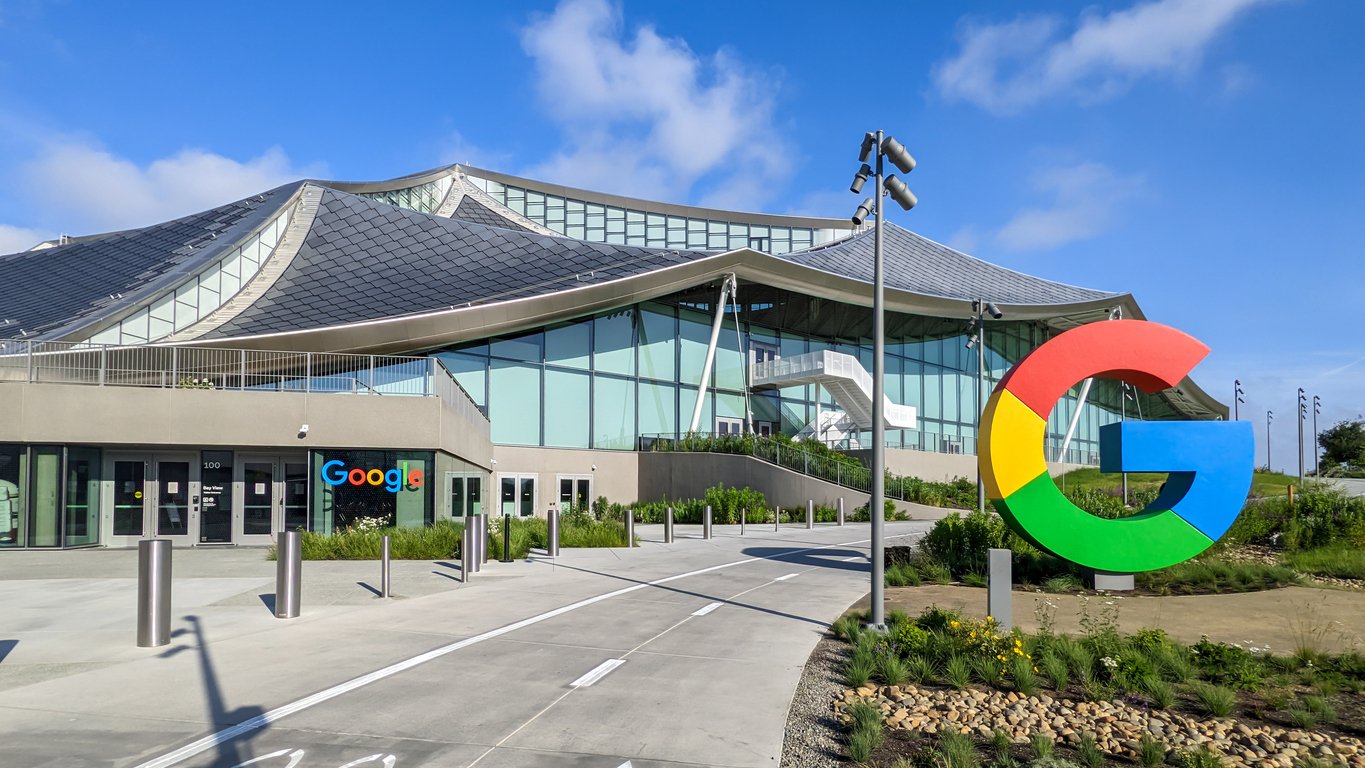
California hosts a multitude of industries, from tech to entertainment, which collectively create varied remote job opportunities. The bustling state equips its workforce with a robust digital infrastructure. It’s a vast landscape where urban energy and remote flexibility coexist fruitfully.
Remote workers here tap into not just the tech giants of Silicon Valley but also diverse creative roles in Los Angeles. The state’s progressive stance on flexible work arrangements sets a precedent. Rich networking opportunities abound, making it an attractive choice for ambitious telecommuters.
2. Texas offers affordable living costs alongside expanding remote work options.

Texas combines reasonable living costs with a thriving economy, granting remote workers financial breathing room. The state has invested in digital infrastructure, enabling smooth telecommuting. Industries like oil and tech provide many roles adaptable to remote conditions, broadening one’s professional scope.
While cities like Austin and Dallas lead in job opportunities, smaller towns also offer remote options without the urban price tag. Affordability permits a better work-life balance, especially for those seeking a slower pace. Remote professionals find Texas enticing due to job growth and comfortable living.
3. Florida combines warm weather with growing remote-friendly employment sectors.
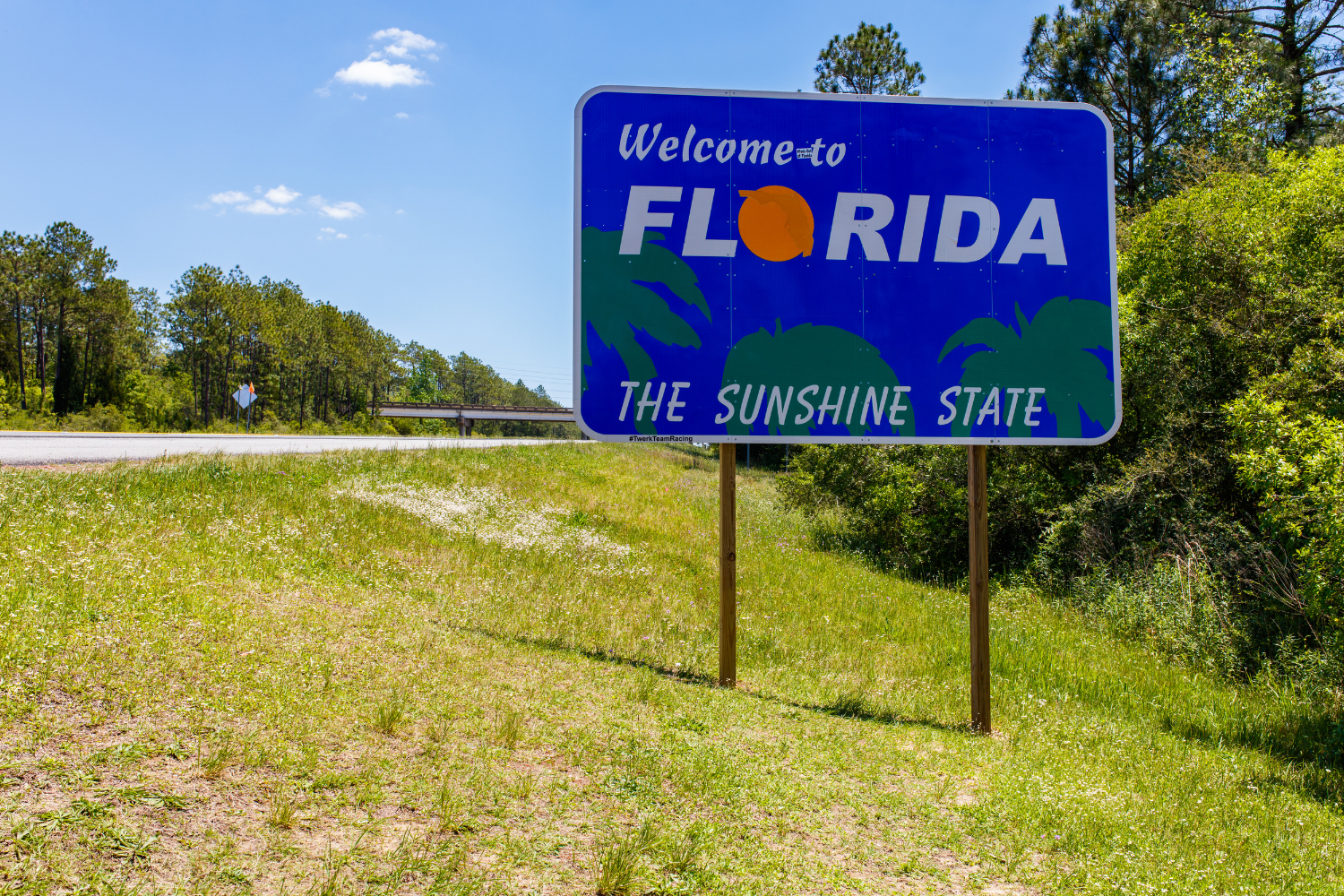
Florida’s sunny climate is complemented by a rise in remote-friendly industries, particularly in tourism and finance. The allure of coastal living is matched by an influx of job roles that prioritize flexibility. Companies here progressively adopt telecommuting, broadening employment prospects.
The state attracts individuals eager for a blend of leisure and professional growth. A supportive network of remote meetups and co-working spaces enhances this appeal. With remote work increasingly viable, moving to the Sunshine State promises warmth in both lifestyle and career.
4. Colorado boasts a strong tech scene ideal for remote professionals.

Colorado’s tech scene, vibrant and innovative, serves as an ideal environment for remote professionals. Boulder and Denver are key tech hubs that foster a culture of work-life integration, supported by stunning natural backdrops. The state’s digital workforce continues to expand.
While technology leads the charge, other sectors like education and healthcare also embrace remote roles here. This diversified remote job market ensures rich prospects for career growth. Coupled with active, outdoor lifestyles, Colorado’s appeal soars for those seeking balance and advancement.
5. Washington is home to numerous companies that embrace flexible work policies.

Washington hosts numerous forward-thinking companies promoting flexible work policies, particularly in Seattle’s bustling tech environment. This attitude extends opportunities for remote workers across various sectors. The synergy between work and technology finds a stronghold in this Pacific Northwest state.
The landscape is shaped by tech giants and creative enterprises, offering a wide spectrum of remote roles. Commuter culture shifts towards telecommuting, fostering a healthier work-life rhythm. Washington’s progressive work policies remain pivotal in workplace evolution, positioning it as a pioneer in remote employment.
6. New York features a dynamic job market increasingly open to remote roles.

New York harnesses its dynamic job market by increasingly welcoming remote roles across diverse sectors. Manhattan’s energy influences work patterns throughout the state, encouraging flexible job configurations. This shift promises myriad opportunities for skilled telecommuters exploring new horizons.
Industries pivot towards digital adaptation, broadening access to remote work. Finance, media, and tech sectors lead in offering virtual roles. The state’s vibrant culture coupled with digital connectivity draws ambitious professionals eager for a stimulating environment while working from anywhere.
7. Oregon supports remote work with vibrant communities and quality of life.

Oregon’s embrace of remote work is supported by liveable communities and an enviable quality of life. Portland, in particular, stands out for its creative industries leveraging remote possibilities effectively. The state’s green landscapes enhance this remote working ethos.
As community-mindedness prevails, local resources and groups cultivate a supporting environment for remote professionals. The region’s health-conscious culture complements the flexibility of working from home. Oregon’s blend of natural beauty and remote work underscores its appeal for those seeking both professional and personal fulfillment.
8. Georgia attracts remote workers through a combination of opportunity and culture.

Georgia, with Atlanta at its core, appeals to remote workers through its rich opportunities and cultural vibrancy. Business-friendly policies attract telecommuting roles, enhancing career prospects across multiple sectors such as film and tech. Its cultural heritage adds another layer of appeal.
As tech startups thrive, remote positions grow, providing professionals a chance to contribute to innovative projects. The state’s hospitable atmosphere fosters community, enriching daily life for telecommuters. Georgia’s unique blend of opportunity and tradition creates an inviting space for ambitious careers.
9. North Carolina is developing tech hubs that encourage remote employment growth.

North Carolina nurtures burgeoning tech hubs, propelling remote employment growth across the state. Cities like Raleigh and Charlotte transform into key centers for digital innovation, welcoming professionals from various disciplines. This technological evolution supports exciting remote work options.
The Research Triangle exemplifies the convergence of tech and research, expanding virtual job roles. Public-private collaborations drive regional development, harnessing local talent for remote work. Opportunities abound in this emerging sector, making North Carolina an attractive destination for forward-thinking professionals.
10. Massachusetts leads in education and innovation, fostering remote job availability.

Massachusetts leads in fostering remote job availability through its strong focus on education and innovation. Boston’s academic institutions nurture talent that drives breakthrough industries, positioning the state as a hub for telecommuting roles in sectors like biotechnology and higher education.
Remote work here benefits from a prestigious academic ecosystem that encourages digital transformation. The state balances historical charm and technological advancement, attracting professionals seeking cutting-edge opportunities. Massachusetts continues to cultivate an environment where intellectual curiosity meets career advancement, both remotely interconnected.