
Explore how vintage kitchen gadgets have become prized collectibles over time.
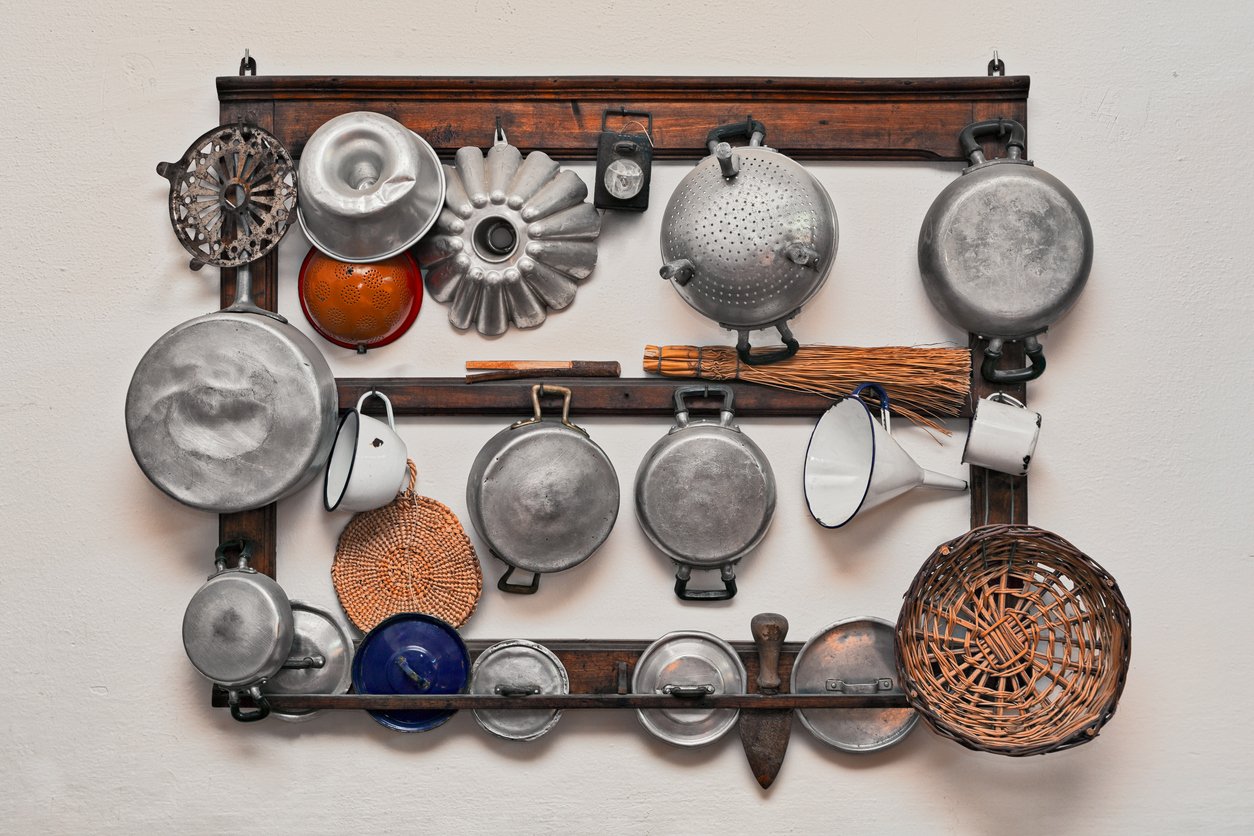
Vintage kitchen gadgets tell stories of culinary history and craftsmanship, often blending function with charm. These retro tools, once essential in everyday cooking, have gained value as collectibles due to their rarity, design, and condition. Understanding which items hold true worth requires knowledge of their origins and how well they have been preserved over the years, making the hunt both practical and fascinating.
1. Hand-cranked egg beaters that predate modern electric mixers.

Hand-cranked egg beaters introduced an easier method to mix ingredients before electric mixers became mainstream. These gadgets, often made with smooth wooden grips and metal gears, were kitchen staples in the early 20th century, adding charm and utility to the daily preparation of meals.
Interest in these vintage items often comes from collectors who appreciate their historical significance and mechanical simplicity. A well-preserved egg beater with intact gears can fetch a premium, showcasing the beauty of manual culinary effort in a modern world where electricity dominates.
2. Cast iron waffle irons designed for opening over an open flame.
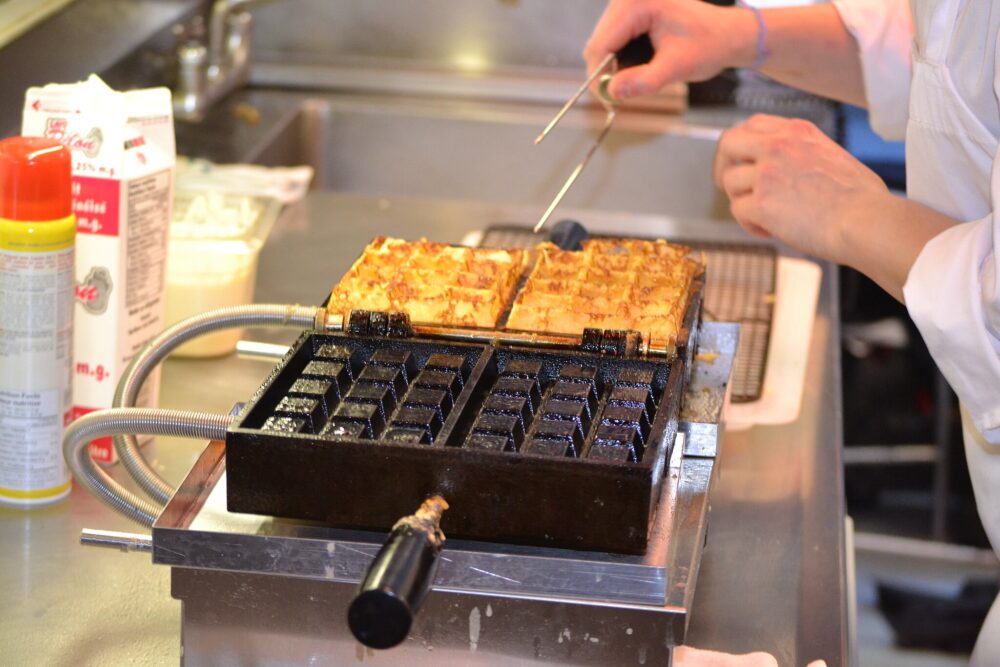
Cast iron waffle irons, used over open flames, brought crispy treats into homes long before electric appliances took over. These hefty tools feature intricate patterns that reflect craftsmanship and design that modern enthusiasts find both practical and visually appealing in today’s kitchens.
Collectors value these waffle irons not only for their functionality but also for the stories they tell of family breakfasts enjoyed by the hearth. Their sturdy build and ability to still produce delicious waffles make them a prized possession among those seeking authenticity in culinary experiences.
3. Manual coffee grinders prized for controlling grind size precisely.

Manual coffee grinders allowed people to control their coffee’s grind size precisely, influencing the flavor and quality of daily brews. These gadgets often sported ornate metal bodies and wooden bases that added a decorative touch to breakfast tables.
Their appeal lies in the ritual and the control they offer, a quality that modern automated grinders can lack. Collecting these grinders often reflects a desire to connect with the slower pace of past mornings when making coffee was an art form, not just a routine.
4. Butter churns that turned cream into butter with simple manual effort.
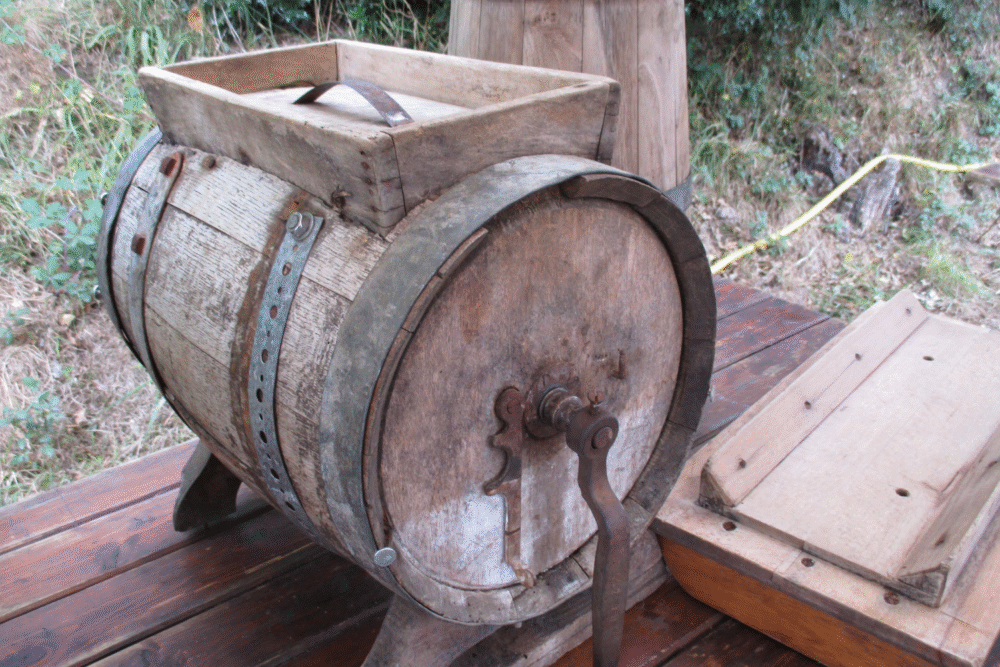
Butter churns were simple yet transformative, converting cream into butter through manual effort. These gadgets, often featuring glass jars and wooden paddles, became icons of self-sufficiency and practicality on farmsteads and in early rural kitchens.
They are sought after today for their aesthetic charm and as symbols of a do-it-yourself ethos. The tactile process of churning butter resonates with those who appreciate the hands-on aspect of traditional food preparation, bridging the gap between past and present culinary arts.
5. Vintage rotary cheese graters favored for consistency and durability.

Vintage rotary cheese graters stood out for their consistent results and rugged build. These gadgets usually feature a hand-crank mechanism and sharp steel drums, offering durability that has lasted decades despite modern kitchen advancements.
Many enthusiasts seek these graters for their unmatched durability and the nostalgia they evoke. Embracing a rotary grater means choosing a tactile connection to food that echoes the satisfaction of manual labor over modern convenience, making them desirable collectibles.
6. Ice cream scoops with built-in warming mechanisms to ease serving.

Ice cream scoops with warming mechanisms revolutionized serving frozen treats. Designed with liquid-filled handles, these gadgets applied gentle heat, letting users scoop with ease even from the hardest ice creams, providing a clever solution to a common kitchen frustration.
Collectors treasure these scoops as innovative pieces of history that combined function with a touch of luxury. In an age where convenience often leads, owning such a scoop represents an appreciation for smart craftsmanship that melds utility with kitchen artistry.
7. Mechanical food scales once essential for precise ingredient measurement.
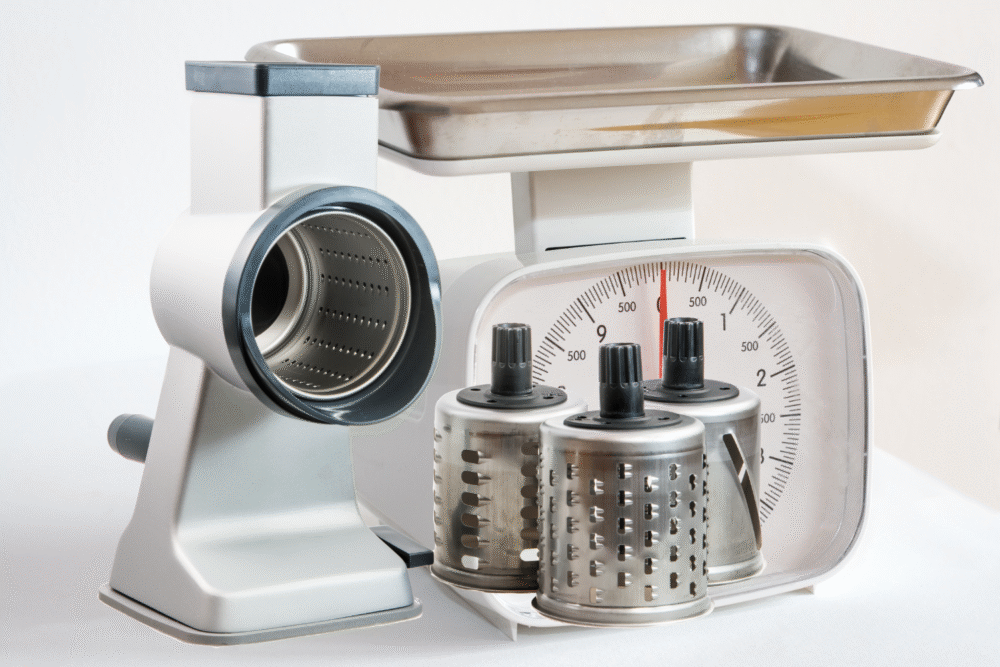
Mechanical food scales measured ingredients precisely before digital scales made precision ubiquitous. These analog scales featured weight dials or sliding balances that called for care and skill when measuring dry goods and spices in bustling kitchens.
Their enduring appeal rests in the visual and tactile feedback they provide, elements which digital counterparts cannot replicate. Collectors and chefs alike appreciate the nostalgia and accuracy these scales bring, honoring a tradition where measuring by hand was both an art and a science.
8. Handheld pasta cutters designed for crafting homemade noodles expertly.
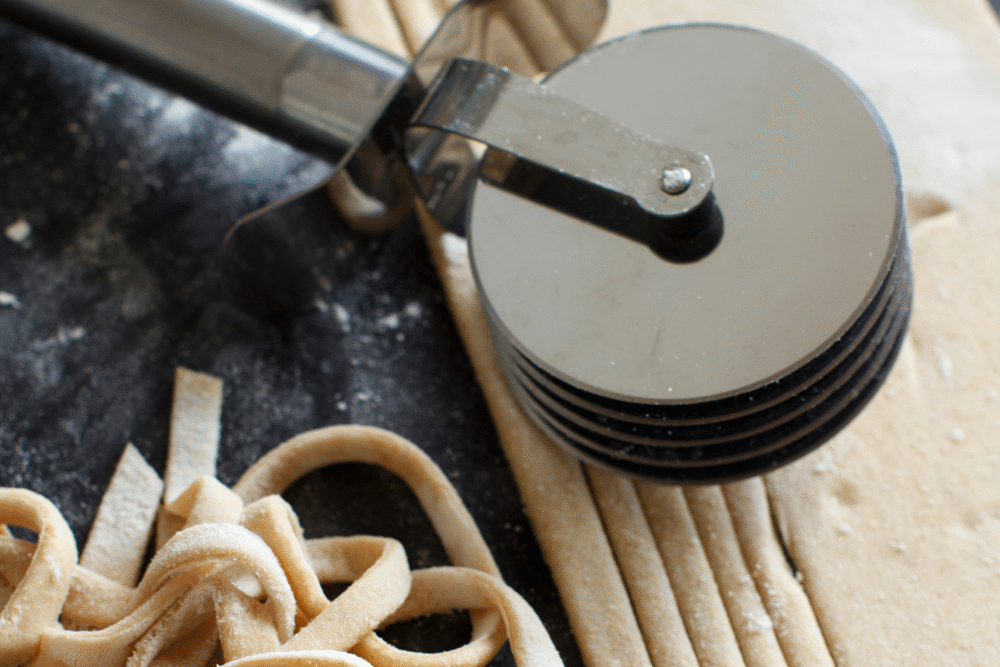
Handheld pasta cutters offered home cooks the means to craft homemade noodles expertly. With wooden handles and rotating blades, these tools created an array of pasta shapes, bringing authenticity and tradition to homemade Italian dishes.
Beyond practical usage, these cutters embody an appreciation for culinary traditions passed through generations. Collectors often seek these tools for both their functional and decorative value, using them as emblems of simplicity and craftsmanship that articulate a storied culinary past.
9. Retro-style apple corers and peelers that simplify fruit preparation.
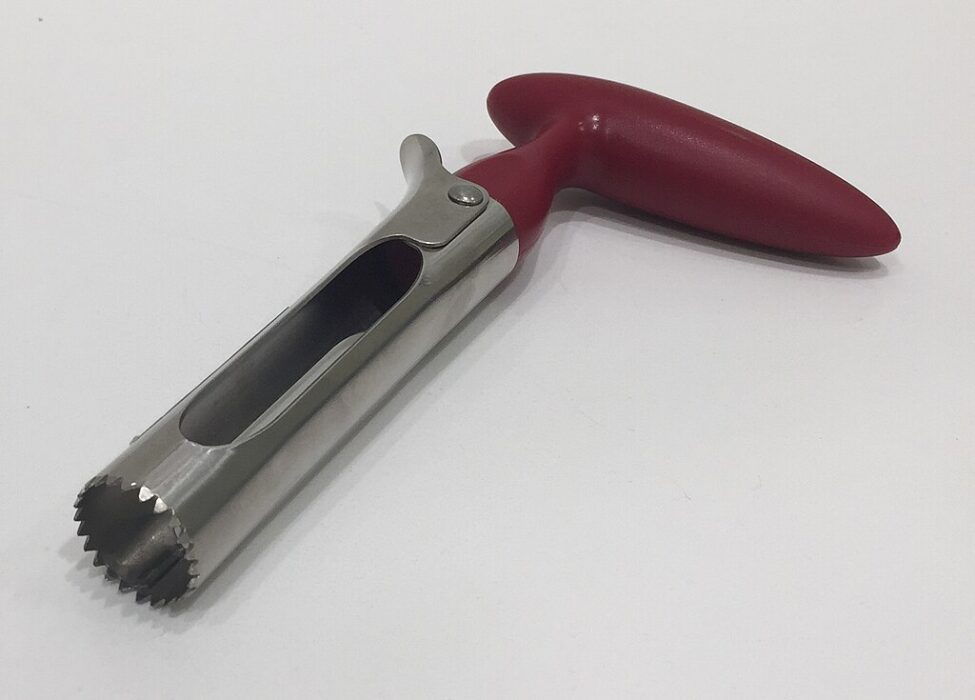
Retro-style apple corers and peelers simplified fruit preparation with mechanical efficiency. These hand-cranked devices rapidly removed seeds and skins, turning a mundane task into an engaging kitchen ritual for household cooks.
Sought after by collectors, these gadgets recall an era when tools were designed to blend utility with aesthetic appeal. The rhythmic cranking echoes the values of thrift and resourcefulness still appreciated by both modern cooks and heritage enthusiasts.
10. Manual citrus juicers built for extracting juice without electricity.

Manual citrus juicers extracted fresh juice without electricity, offering a straightforward solution to enjoy fresh flavors. Their simple designs often included ridged cones and sturdy bases that anchored the juicer during vigorous squeezing.
Many collectors cherish these juicers for their effective simplicity and role in morning rituals. The hands-on pressing process remains a quiet celebration of fresh ingredients, maintaining a cherished connection to traditional kitchen practices.
11. Vintage meat grinders intended to offer fresh ground meats at home.

Vintage meat grinders allowed families to enjoy freshly ground meats, promoting a sense of control over food ingredients. Heavy-duty and often made of cast iron, these gadgets offered a sturdy means to custom blend meats at home.
Collectors value these grinders not just for their utility but for their connection to a time of family recipes and shared meals. Reflecting both a past necessity and enduring appeal, they embody a culinary practice where craftsmanship meets personalization.
12. Oil lamps designed as early kitchen lighting before widespread electricity.

Oil lamps served as essential kitchen lighting, shedding warm glows before electricity became standard. These lamps often featured glass chimneys and decorative metalwork that added grace to otherwise practical fixtures.
Their glow brought comfort to evening meals, evoking a time when light came from crafted objects rather than flicking a switch. Today, collectors hold these lamps in high regard, appreciating the delicate balance of beauty and function they bring to kitchens.