
Retailers use subtle tricks in store design and pricing to boost your grocery spending.
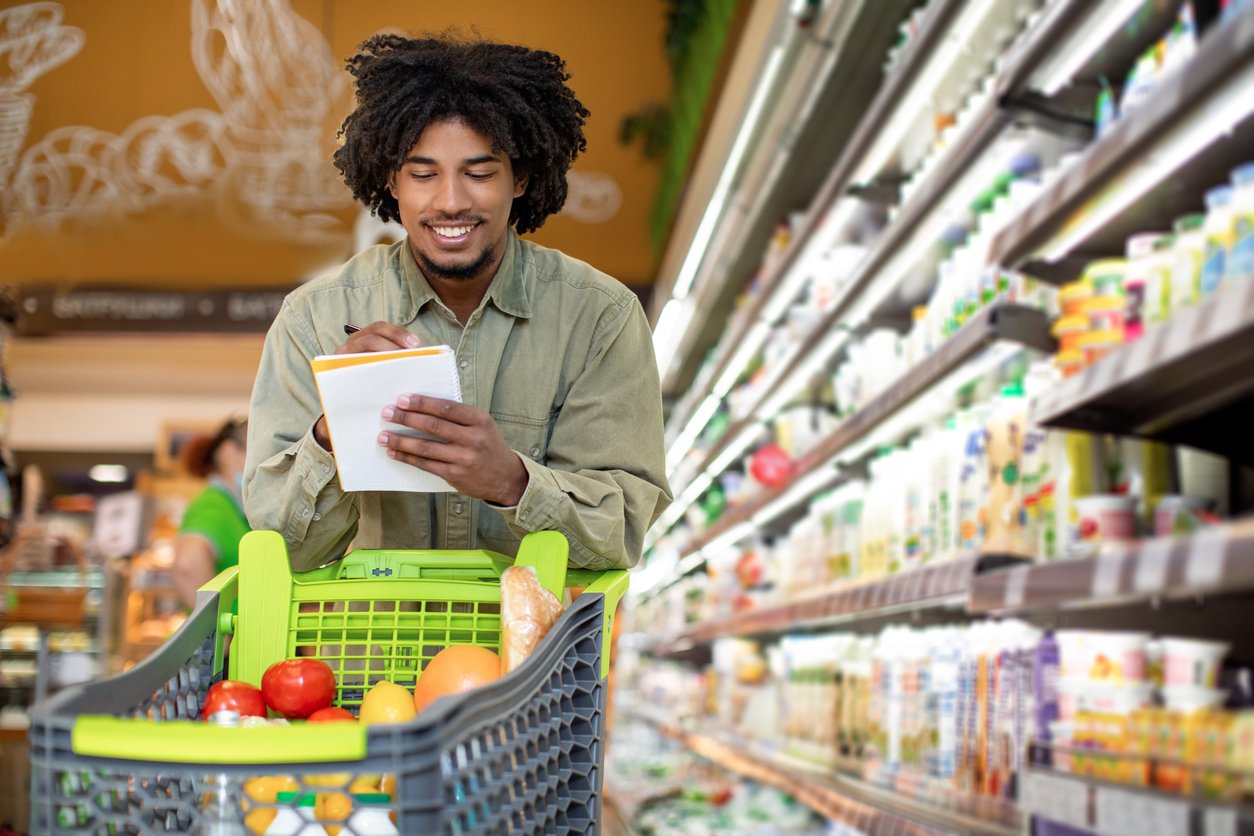
Grocery stores carefully design shopping experiences to encourage spending beyond what you planned. From the placement of everyday essentials to strategic product bundling, retailers employ a variety of hidden tactics that influence your choices and raise your bill. Understanding these subtle strategies—like eye-level product placement, confusing discounts, and clever scent marketing—can help you shop smarter and stay in control of your budget.
1. Position essentials at store back to encourage impulse purchases upfront.

Essentials often find their place at the very back of the store. This strategic positioning means shoppers must walk through enticing aisles, filled with tempting impulse buys, to reach milk and bread. Gazing at colorful new snacks, anyone might just grab something unexpected.
Navigating the aisles, stowed with eye-catching promotions and discounts, can lead to more purchases. Encouraging impromptu decisions, this arrangement effectively keeps carts loaded with impulse items before shoppers even reach their primary targets. Reflecting on these encounters can reveal why carts brim upon reaching essentials.
2. Use smaller shopping carts to subconsciously limit spending and speed trips.

Some stores provide smaller shopping carts. These petite carts subtly encourage quicker shopping outings, while covertly promoting limited spending. By reducing the available space, retailers effectively shape consumer behavior with minimal intervention. A compact cart suggests a less-is-more approach.
Encountering aisles with compact carts could spur shoppers into a brisk pace, while simultaneously imagining fewer items as sufficient. This clever method quietly nudges purchasing decisions without overt influence. Shoppers may feel done sooner than anticipated, feeling in sync with a budget-friendly mindset.
3. Place high-profit items at eye level to catch immediate attention.

High-profit items occupy the prized eye-level position on shelves. This coveted space attracts quick glances and fast decisions, as it’s the first area most people scan. Chocolates and gourmet sauces catch direct attention, gaining notability over brands below or above.
In this space, products not only gain visibility but also become more accessible, potentially swaying brand choices in favor of more expensive options. Shoppers navigating crowded aisles might easily surrender to these visual cues. This arrangement effectively balances business profit goals with consumer habits.
4. Arrange tempting snacks near checkout lanes for last-minute buys.
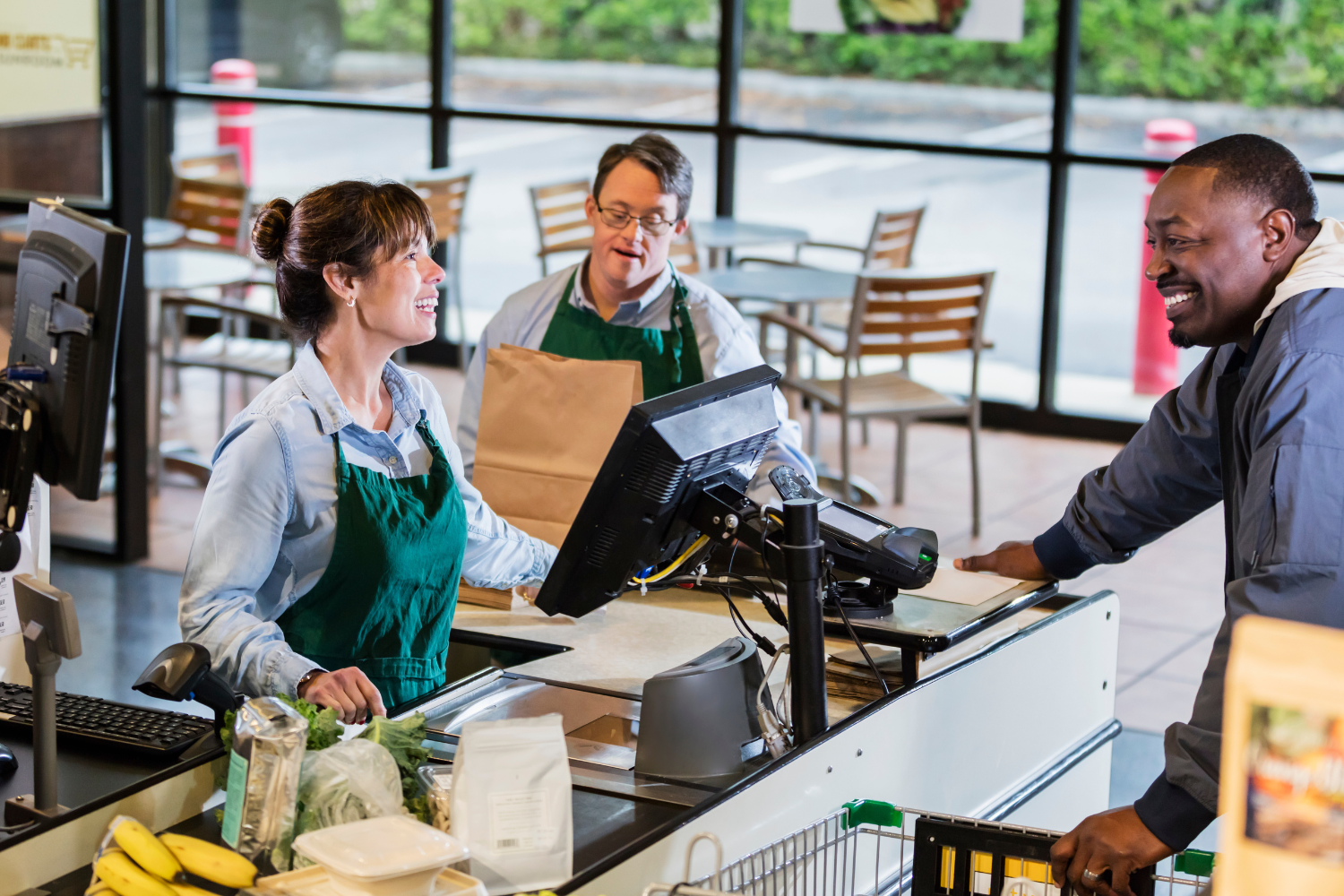
Near checkout lanes, irresistible snacks await their spotlight moment. These little treasures are positioned for last-minute decisions, tempting even the most disciplined shopper. As lines form and with longer waits, a candy bar or magazine might suddenly seem necessary.
This arrangement capitalizes on a captive audience, as minds wander while inching forward. The wait can spur mini indulgences, turning checkout areas into active sales zones. This method showcases the nuanced dance between shopper patience and surprise purchases during inevitable waiting moments.
5. Offer bulk deals that promote buying more than actually needed.

Retailers often offer bulk deals, promoting large purchases. The prospect of savings entices, yet larger quantities may exceed actual needs. A substantial bag of rice or pasta might cost less per unit, but may sit unused in the pantry.
Purchasing more than desired can lead shoppers to spend beyond intended budgets. While value appears maximized, the unused surplus might diminish perceived savings. Astute observation can help discern between genuine savings and excessive accumulation. Shoppers find themselves evaluating consumption against enticing cost figures.
6. Employ subtle scent marketing to evoke appetite and prolong shopping.
Scent marketing subtly permeates retail environments, often without notice. A whiff of freshly baked bread or roasted coffee can elicit hunger and invite lingered strolls. These aromas, designed to stimulate appetite, craft an inviting shopping atmosphere, drawing customers further.
Unseen, scent-based strategies can prolong shopping durations, subtly influencing selections as noses lead the way forward. Calming scents might guide peaceful browsing, while spicy hints ignite impulsive choices. Emerging from these scented realms, shoppers may find carts fuller than anticipated, charmed by subliminal cues.
7. Use confusing price signage to make discounts appear more significant.

Confusing price signage dresses up many store shelves, lending discounts extra allure. By carefully presenting numbers and creating offers that appear grandiose, retailers enhance perceived value. Products flaunt discounted labels, spurring excitement without instantly ensuring savings.
With signs that blur clear comprehension, customers might misinterpret actual savings. Illusions of drastic markdowns entice eager shoppers, leading to purchases whose savings may not materialize. Deciphering these signs can be a puzzle, making deliberation key to understanding real cost reductions.
8. Play upbeat music to create a faster, more impulsive shopping pace.

Upbeat, energizing music plays overhead, setting the shopping tempo. Quick melodies encourage a brisk, impulsive shopping cadence, leading customers through aisles with spirited assurance. Retailers orchestrate playlists that guide shopping ventures without breaking focus.
This fast-paced rhythm subtly promotes impromptu choices, perhaps suggesting lesser scrutiny over intended lists. While a catchy tune might add cheer, it can also foster a speedier shopping environment, sidestepping detailed comparisons. Thus, music becomes a silent yet impactful companion in a bustling retail symphony.
9. Bundle complementary items together to encourage higher total spending.

Bundling complementary items serves as a persuasive tactic. Grouped products, like pasta with sauce, suggest cohesion, inviting higher total purchases. These harmonious sets make logical sense, appearing convenient and time-saving, bolstered by curated package designs.
In this setting, shoppers might favor bundled items, perceiving them as cost-effective, even if individual needs differ. The subtle encouragement to buy more than intended merits a closer look at individual pricing. Such bundles masterfully leverage perceived convenience against the backdrop of comprehensive consumption.
10. Rotate product placement regularly to disrupt shopping routines and boost sales.

Product placement undergoes regular shifts, disrupting familiar patterns. By moving items to unexpected spaces, retailers pique shopper curiosity, interrupting routines that guide habitual paths. Noticing a favorite cereal in an unusual spot can lead to unplanned exploration.
These systematic rearrangements invigorate store layouts, encouraging shoppers to explore and engage. As they traverse unfamiliarly stocked aisles, purchasing unexpected items can occur left and right. The altered ambiance invites new discoveries, as shoppers adapt to emergent store pathways.