
These U.S. cities are considered climate havens. Evaluate their trade-offs, services, and everyday livability.

By 2050, certain U.S. cities once considered off the radar are poised to become booming population centers. As climate change intensifies, so-called “climate havens” with milder weather, freshwater access, and minimal disaster risk are drawing increased attention. These safe zones may offer refuge from rising sea levels, extreme heat, and drought—sparking a migration shift that’s already starting to reshape regional planning.
1. Buffalo, New York pairs freshwater access with inland security.
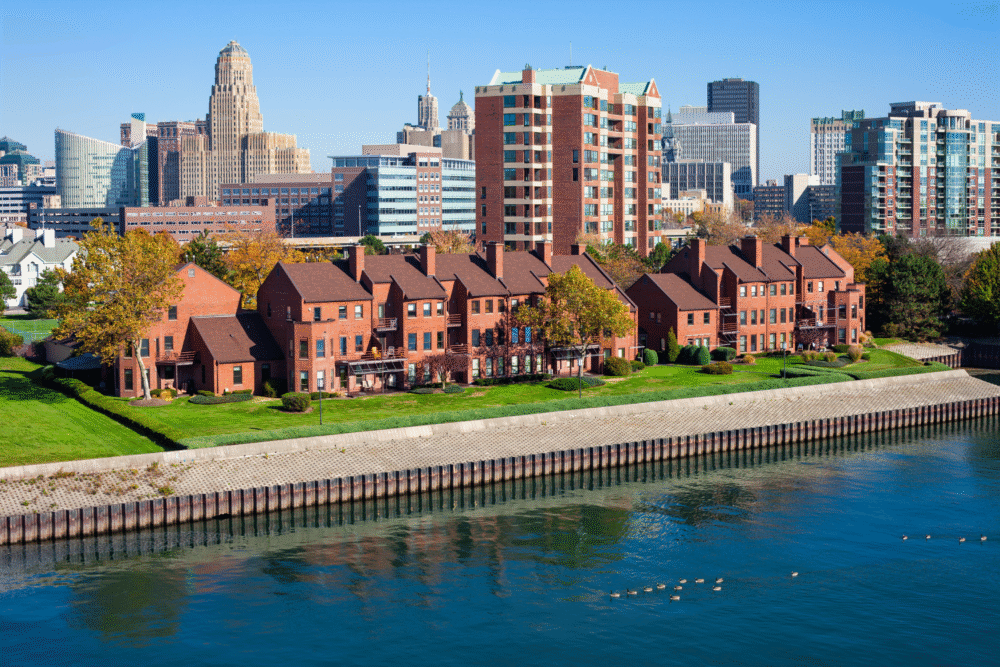
Anchored on Lake Erie and connected to the Niagara watershed, Buffalo benefits from extensive freshwater and distance from ocean storm surge. Decades of snow management experience and a growing focus on green infrastructure support day-to-day reliability. Challenges include winter intensity and legacy housing in need of efficiency upgrades. For everyday planning, consider how proximity to parks, transit, and services reduces exposure during extremes. Rule of thumb: when comparing homes, check attic insulation depth, window condition, and local floodplain maps; upgrading air sealing and ventilation can make older houses more comfortable and lower utility bills while improving resilience.
2. Rochester, New York combines moderated summers with water security.
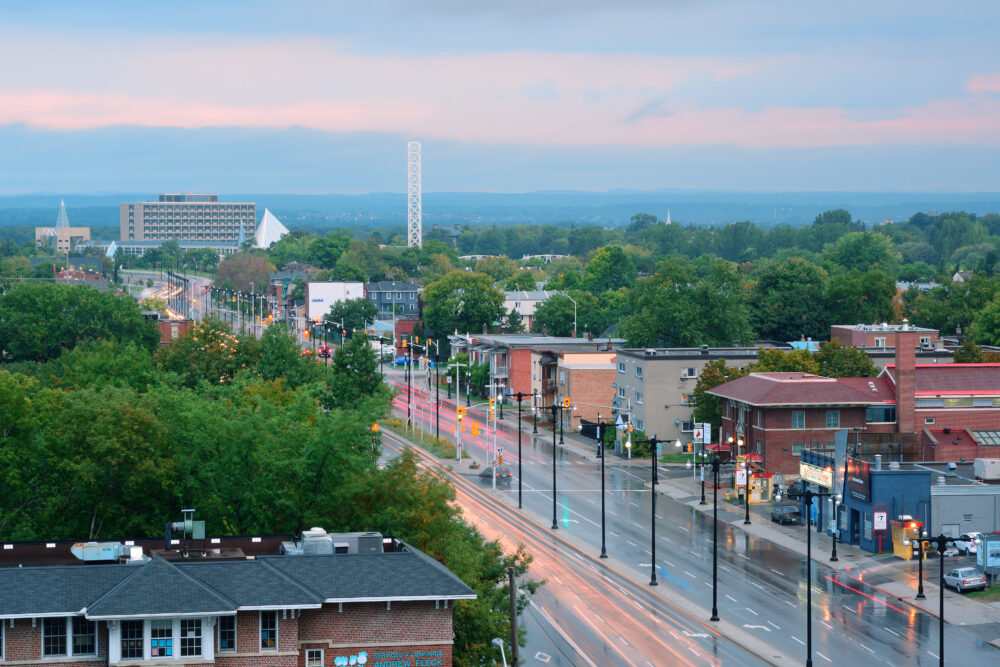
Rochester’s location near Lake Ontario helps take the edge off peak heat while ensuring access to freshwater. A strong university and healthcare presence supports economic diversity and public research capacity. Watch for localized flooding near waterways and older roofs or basements that need waterproofing. For daily life, tree canopy and neighborhood green space make noticeable differences during heat waves. Tip: ask sellers or property managers for recent moisture and radon tests, and scan city-level stormwater plans. As you compare neighborhoods, note shade coverage on summer afternoons and sidewalk connectivity; both can reduce cooling needs and make errands manageable without a car.
3. Syracuse, New York balances inland elevation with livable costs.

Syracuse sits inland at modest elevation, with access to the Finger Lakes region and established snow operations. It’s often cited for relatively affordable housing and a manageable urban footprint. Trade-offs include freeze–thaw cycles that stress roofs, masonry, and roads. For residents, insulation, gutter maintenance, and proper grading around foundations go a long way. Practical step: when touring homes, look for ice-dam history, downspout extensions, and sump-pump backup power. If renting, ask about window age and heating system efficiency; a well-sealed unit with programmable thermostats can reduce bills and keep indoor temperatures steadier during shoulder seasons.
4. Pittsburgh, Pennsylvania leverages rivers and a diversified economy.

Pittsburgh’s post-industrial reinvention brings research, healthcare, and tech activity alongside riverfront amenities. Inland location reduces coastal risks, and topography offers many neighborhoods above river levels. Watch for valley and floodplain exposure as well as landslide-prone slopes after heavy rain. Everyday tip: pair your housing search with the city’s topography—choose blocks with stable soils, good drainage, and multiple travel routes. Consider induction cooking and efficient heat pumps to improve indoor air quality during regional smoke events. As a rule of thumb, prioritize buildings with modern electrical panels to support future electrification and backup power options safely.
5. Cleveland, Ohio marries Great Lakes cooling with urban services.
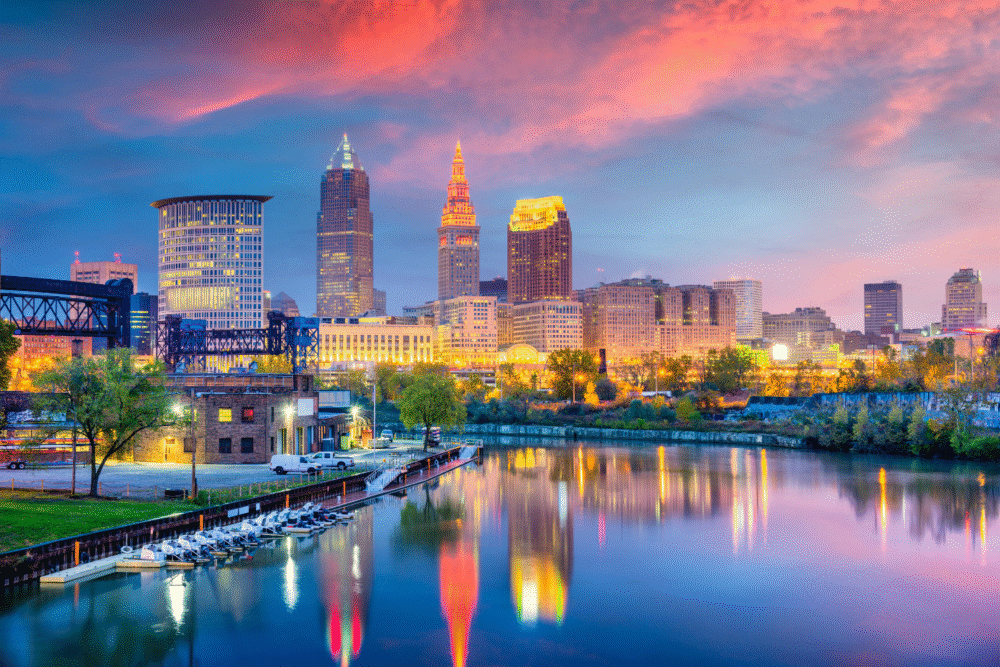
On Lake Erie, Cleveland benefits from moderated summer peaks and abundant freshwater. A regional healthcare hub and cultural institutions add stability. Legacy housing stock can be a plus if you plan efficiency upgrades; older homes often have solid bones but need sealing and ventilation. Everyday guidance: check for basement moisture control, exterior grading, and tree canopy on your block. When renting, ask about storm windows and air filtration. For preparedness, keep a simple home checklist—flashlights, battery backup for phones, and a week’s worth of shelf-stable food and water—so routine Midwestern storms don’t disrupt daily life.
6. Detroit, Michigan offers freshwater proximity and room to grow.
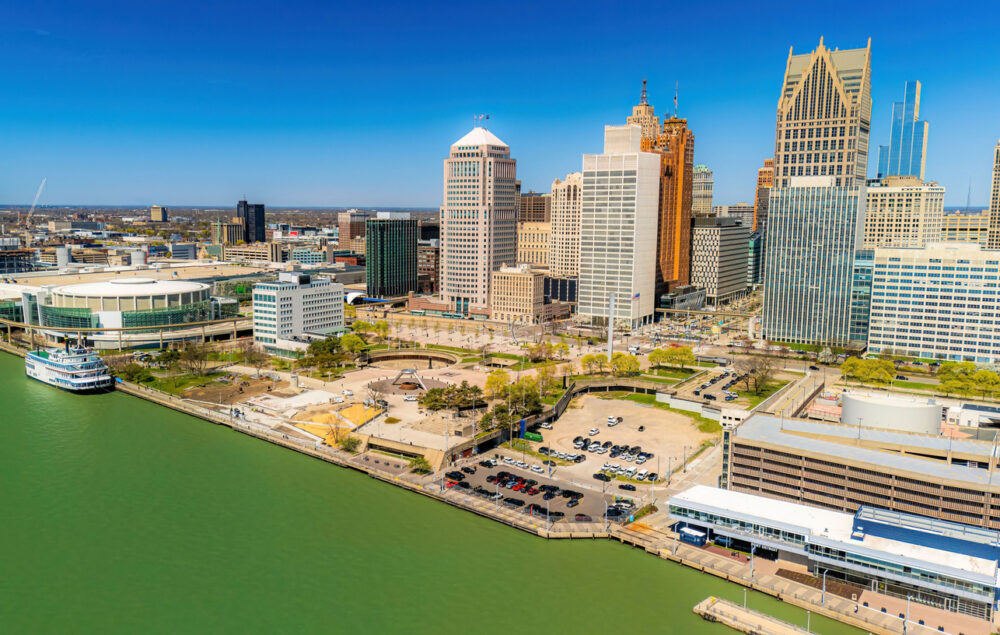
Detroit’s location on the Detroit River and close to the Great Lakes provides water access, shipping advantages, and lake moderation. The city’s grid and wide streets can support cooling corridors and expanded tree canopy. Trade-offs include managing heavy rain in older neighborhoods and budgeting for energy upgrades in larger homes. For daily living, favor blocks with intact sidewalks and transit connections that reduce car dependence during heat or snow. Tip: if you’re buying, schedule a blower-door test and energy audit early; modest air sealing, smarter thermostats, and right-sized heat pumps can noticeably improve comfort and resilience.
7. Chicago, Illinois benefits from lake influence and major infrastructure.

Chicago’s Lake Michigan shoreline helps temper temperature swings, while a large transit network, district cooling, and extensive public services support reliability. The flip side is urban heat in dense corridors, periodic lakefront flooding, and insurance considerations near water. Practical tip: choose buildings with good shade, reflective roofs, or green roofs where available. For renters, ask about indoor filtration (MERV-13 or better) and local cooling centers. Keep a personal go-bag with medications, copies of IDs, and transit cards; in big cities, having essentials ready can turn service interruptions into minor inconveniences rather than full-day disruptions.
8. Milwaukee, Wisconsin pairs lake moderation with compact neighborhoods.

Milwaukee’s location on Lake Michigan, growing riverwalk network, and compact neighborhoods make errands feasible without long car trips. Like many legacy cities, combined sewers and older basements require attention after heavy rain. For everyday planning, focus on blocks with healthy street trees and nearby clinics or pharmacies. Tip: if you work from home, test cell and internet redundancy (hotspot plus wired connection) so storms don’t derail your day. As part of your home setup, keep gutters clear, add backflow valves where appropriate, and store essential documents in waterproof sleeves to reduce common post-storm hassles.
9. Madison, Wisconsin couples lakes, campuses, and civic planning.

Madison’s isthmus setting between two lakes, strong public sector, and university presence support steady services and research-informed planning. Trade-offs include localized flooding around low-lying areas and winter freeze–thaw impacts. For everyday life, prioritize neighborhoods with bike paths and grocery access within a short trip; proximity reduces weather exposure and transportation costs. Rule of thumb: if a basement is part of your plan, budget for dehumidification, sealed sump covers, and backup power. In apartments, confirm window quality and ask about building-wide ventilation standards; balanced ventilation helps in both winter and summer without spiking energy bills.
10. Duluth, Minnesota offers northern latitude and Lake Superior’s buffer.
Duluth’s cooler northern climate and Lake Superior’s presence reduce extreme heat days and provide freshwater access. Hillside neighborhoods can deliver breezes and views but require attention to runoff control. Winter length is the obvious trade-off; reliable heating and sealed envelopes are essential. Daily-life tip: map your commute and services with winter in mind—grade, plowing routes, and transit shelters matter. For housing, check roof snow-load history, exterior drainage, and air-sealed attics. Keep a simple vehicle kit (blanket, shovel, traction aids) to turn snowy days into manageable ones rather than emergencies.
11. Minneapolis–Saint Paul, Minnesota prioritizes parks and four-season design.

The Twin Cities pair extensive park systems and lakes with four-season building practices and a diverse economy. While summers can trend warmer and winter storms persist, local infrastructure and indoor–outdoor amenities support year-round livability. For everyday comfort, target homes with upgraded windows, smart thermostats, and good ventilation. Tip: confirm that attic insulation and air sealing are complete before investing in new HVAC—tightening the envelope often yields the biggest comfort gains. For renters, ask about access to cooling rooms and building-wide filtration, which help during heat waves or regional smoke days.
12. Burlington, Vermont blends elevation, forests, and lake access.

Sitting on Lake Champlain with surrounding forests and hills, Burlington benefits from cooler averages and abundant outdoor space. It’s smaller than big metros, which can mean fewer services in some categories but strong community networks. Watch for localized flooding and icing in shoulder seasons. Practical step: explore neighborhoods on foot at different times of day to check wind, shade, and sidewalk conditions. If you’re moving from a hotter climate, consider ceiling fans, window awnings, and efficient dehumidifiers; small additions can keep homes comfortable without heavy cooling loads while improving indoor air quality.
13. Portland, Maine pairs coastal latitude with small-city scale.

Farther north on the Atlantic, Portland often experiences cooler summers than many large East Coast metros, with a walkable core and a strong food and healthcare ecosystem. Coastal storms remain a consideration, so elevation and distance from immediate waterfront matter when choosing housing. Everyday guidance: look for blocks with good drainage, modern windows, and access to clinics and pharmacies year-round. Keep a simple household preparedness plan—flashlights, shelf-stable food, and a refill reminder for prescriptions. If you’re comparing units, ask about insulation, air sealing, and mechanical ventilation; better envelopes reduce drafts and maintain comfort in all seasons.