
Small reactors could power your neighborhood someday.
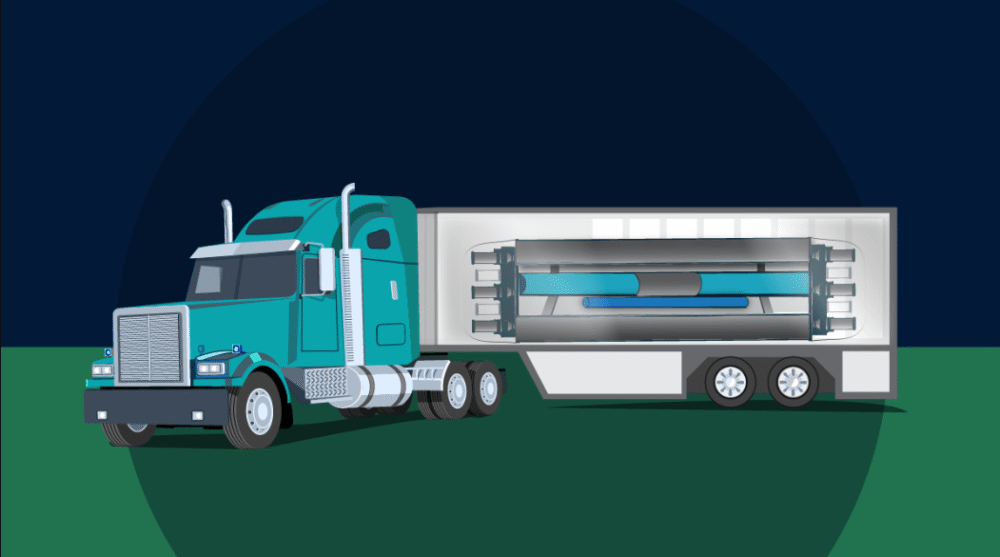
Tiny nuclear reactors, often called microreactors, are being created to make smaller amounts of power in a safer, easier way. Imagine something that could fit on a piece of land about the size of a football field and still produce enough energy for a whole community. Unlike today’s massive power plants, these are designed with simpler systems and less hassle. Experts say they could bring electricity to towns, college campuses, or even far-off places without needing huge amounts of equipment.
If they work as planned, these small reactors could change the way communities get energy. They might lower costs, provide steady power during emergencies, and help cut down on carbon pollution—all while being close to the people who actually use the electricity.
1. You’d get resilient, on-site power.
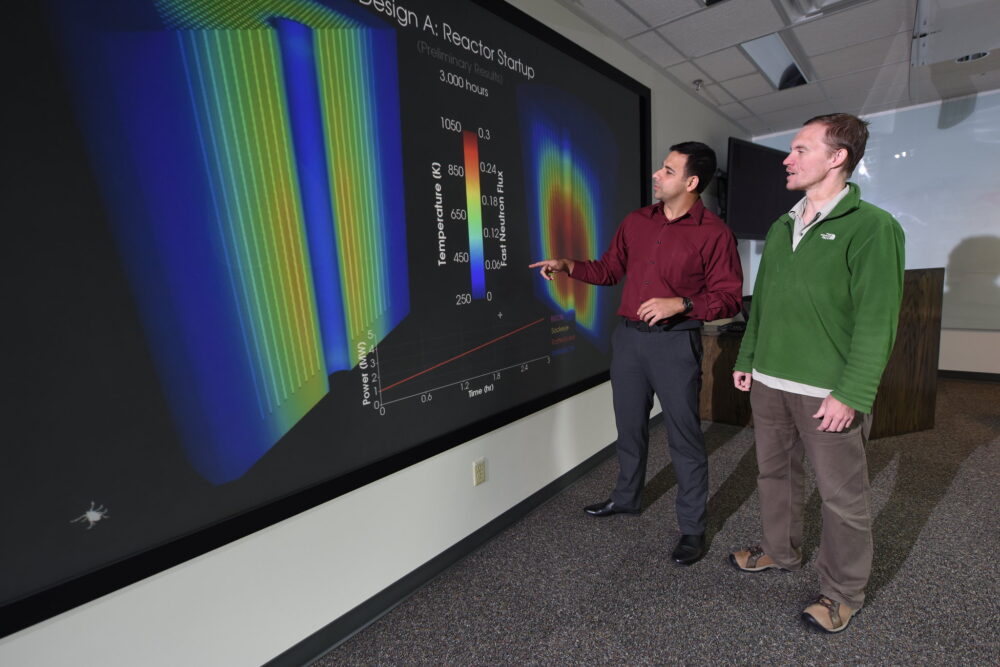
One of the biggest perks is energy reliability. With a microreactor nearby, communities wouldn’t depend entirely on distant grids. During storms, blackouts, or infrastructure failures, local power would stay online—helping critical services, hospitals, and schools stay functional.
That means fewer disruptions and less scrambling when disasters strike. In areas where grid stability is weak, having energy produced close by becomes a buffer against outages. Over time, it could change how we think about emergency planning and infrastructure.
2. It could lower electricity costs over time.

Though initial costs will be steep, once a microreactor is operating, it may generate power more cheaply than buying from the grid or using fossil fuels. Locally produced energy avoids long transmission lines, losses, and middlemen.
Communities could see gradual cost savings—especially if power use is predictable and steady. That could free up money for other needs. As more such reactors deploy, economies of scale may further reduce costs per unit of electricity.
3. Carbon emissions could drop sharply.
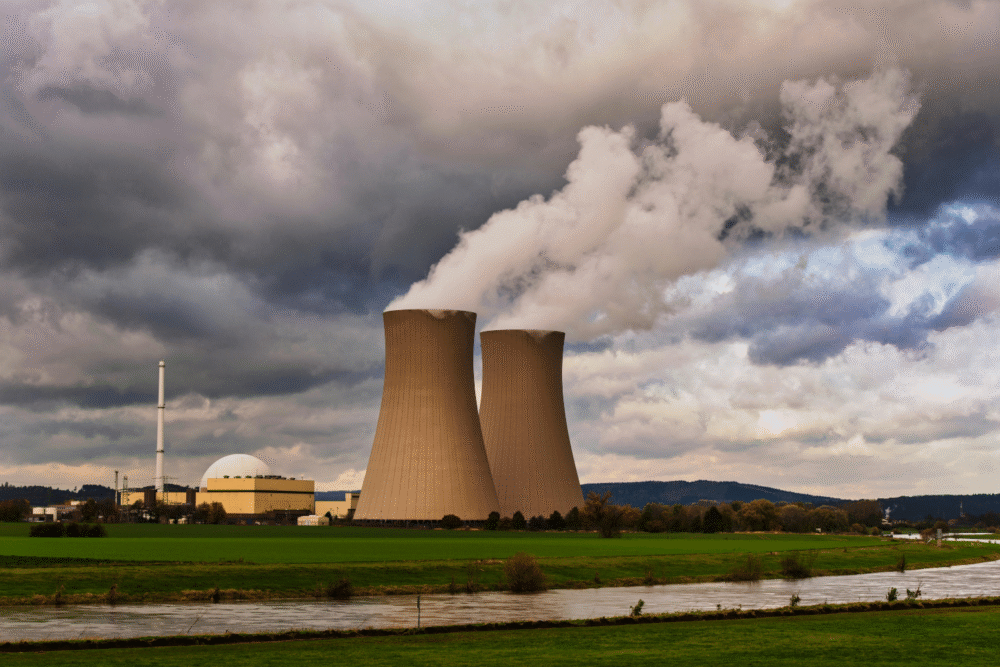
Because microreactors run on nuclear fission, they produce virtually no carbon emissions during operation. That makes them powerful tools in the shift away from fossil fuels. Communities with one could more credibly aim for clean energy goals.
Pairing a small reactor with renewables (solar, wind) could smooth out variability and reduce the need for fossil backup plants. Local power that is both reliable and clean is a sharp contrast to polluting generators or distant coal plants.
4. Jobs and growth become local opportunities.
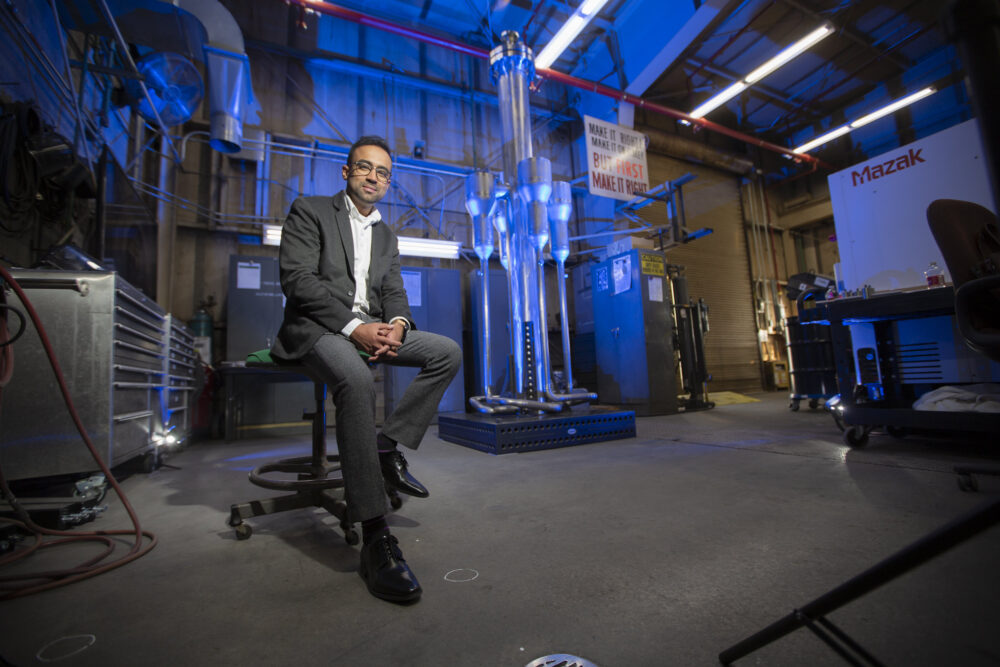
A reactor nearby creates demand—for site operators, maintenance teams, security, monitoring, and possibly even education around nuclear tech. Many roles can be filled by locals, turning energy into economic development.
Over time, that can attract supporting industries, like training centers, parts suppliers, or innovation labs. Energy would no longer be just a cost — it becomes something the community can influence and benefit from directly.
5. You could influence how it looks, feels, and fits in.
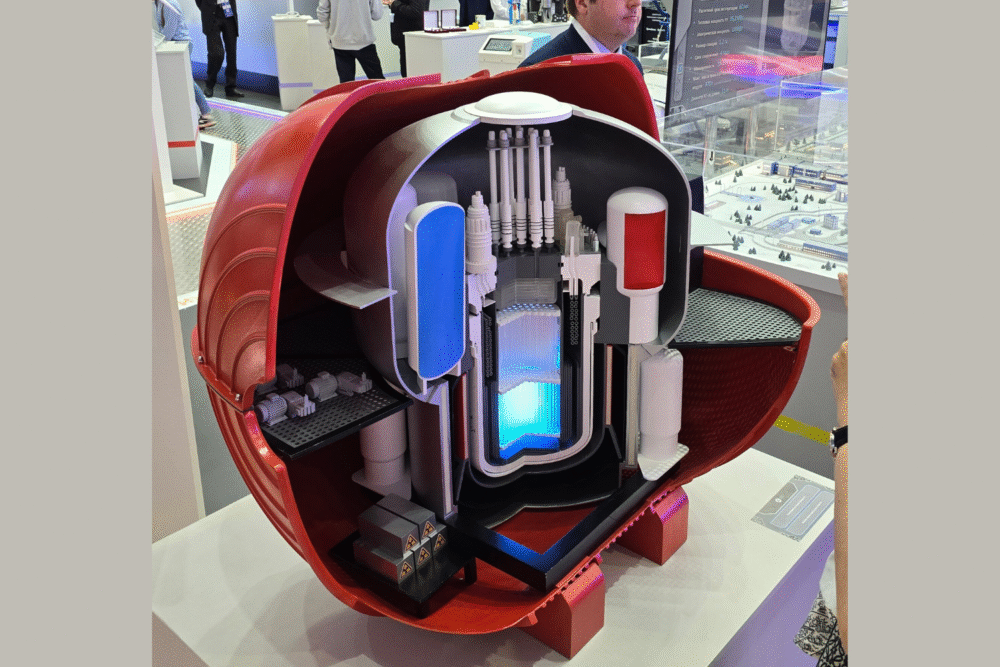
Unlike massive power plants, small reactors might be designed in collaboration with the people who live nearby. In pilot projects, engineers and communities co-design layouts, aesthetics, and public space integration.
That input helps reduce opposition and increase trust. If a reactor feels like part of the neighborhood—not an alien installation—it’s easier to accept. Embedding visitor centers, landscaping, or open plazas can make it feel more civic than industrial.