
Avoid common grocery swaps that increase food waste despite appearing budget-friendly.

Shopping smart at the grocery store often means looking for ways to save money, but not all cost-cutting strategies work as expected. Some popular savings swaps can inadvertently cause more food to spoil or go unused, leading to waste. Understanding these pitfalls helps shoppers make better choices that truly stretch the budget without sacrificing freshness or meal variety. Careful planning and informed decisions are key to getting the most value from each grocery trip.
1. Choosing bulk items without a clear plan often leads to wasted food.

Buying in bulk is often seen as a cost-saving measure. However, without a clear plan for consumption, items may linger in the pantry past their prime, leading to waste. Large packages of rice or pasta can surpass household needs, silently expiring in the cupboard.
To avoid this, consider weekly consumption rates before purchasing. A family who buys more than can be used in a reasonable time may find unused bags filling the kitchen pantry. Planning meals that incorporate bulk purchases ensures items are utilized within shelf life.
2. Swapping fresh produce for frozen can reduce nutrient value unexpectedly.
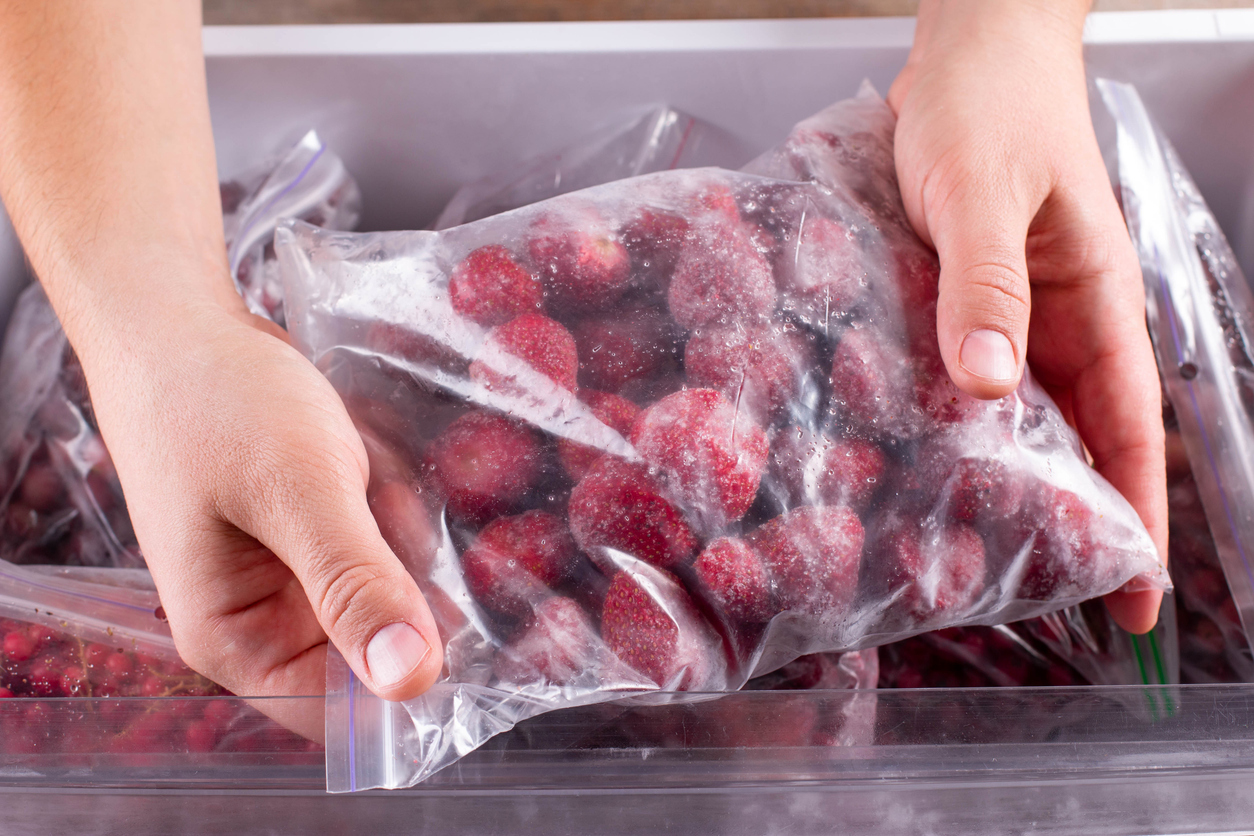
While frozen produce offers year-round availability, opting for it over fresh may reduce nutrient intake. Frozen vegetables may suffer from freezer burn or get lost behind newer items, resulting in quality loss. The texture might not satisfy those expecting crisp bites.
Nutrient retention can vary. Thermal processing and improper storage can further diminish benefits, subtly impacting meals. For a stir-fry, fresh vegetables maintain texture and flavor better, whereas frozen options may become soggy and muted after cooking.
3. Opting for discounted near-expiry products may result in spoilage.

Attractive discounts on soon-to-expire items lure budget-conscious shoppers. These reductions promise savings but may end in spoilage if consumed too late. Perishables like yogurt or deli meats often exceed their limited safe timeframe, potentially filling the trash instead.
Timing remains critical. Without immediate plans, these products risk being forgotten in the back of the fridge. Families expecting to save costs may instead encounter frequent spoilage. For real savings, plan to incorporate these products into meals promptly.
4. Using coupons for items outside your regular consumption causes waste.

Coupons often drive purchases outside one’s usual shopping habits. Acquiring items merely because they’re discounted leads to cluttered pantries and forgotten products. Extra jars, bottles, or boxes offer limited value if they don’t align with familiar preferences and usages.
Unused items can stack up. For example, a coupon-induced purchase of exotic spices might end untouched in a spice rack, overshadowed by classic seasonings. Thus, sporadic savings shouldn’t overshadow practical value, ensuring stock aligns with daily consumption.
5. Replacing smaller packages with larger, unfamiliar sizes encourages overbuying.
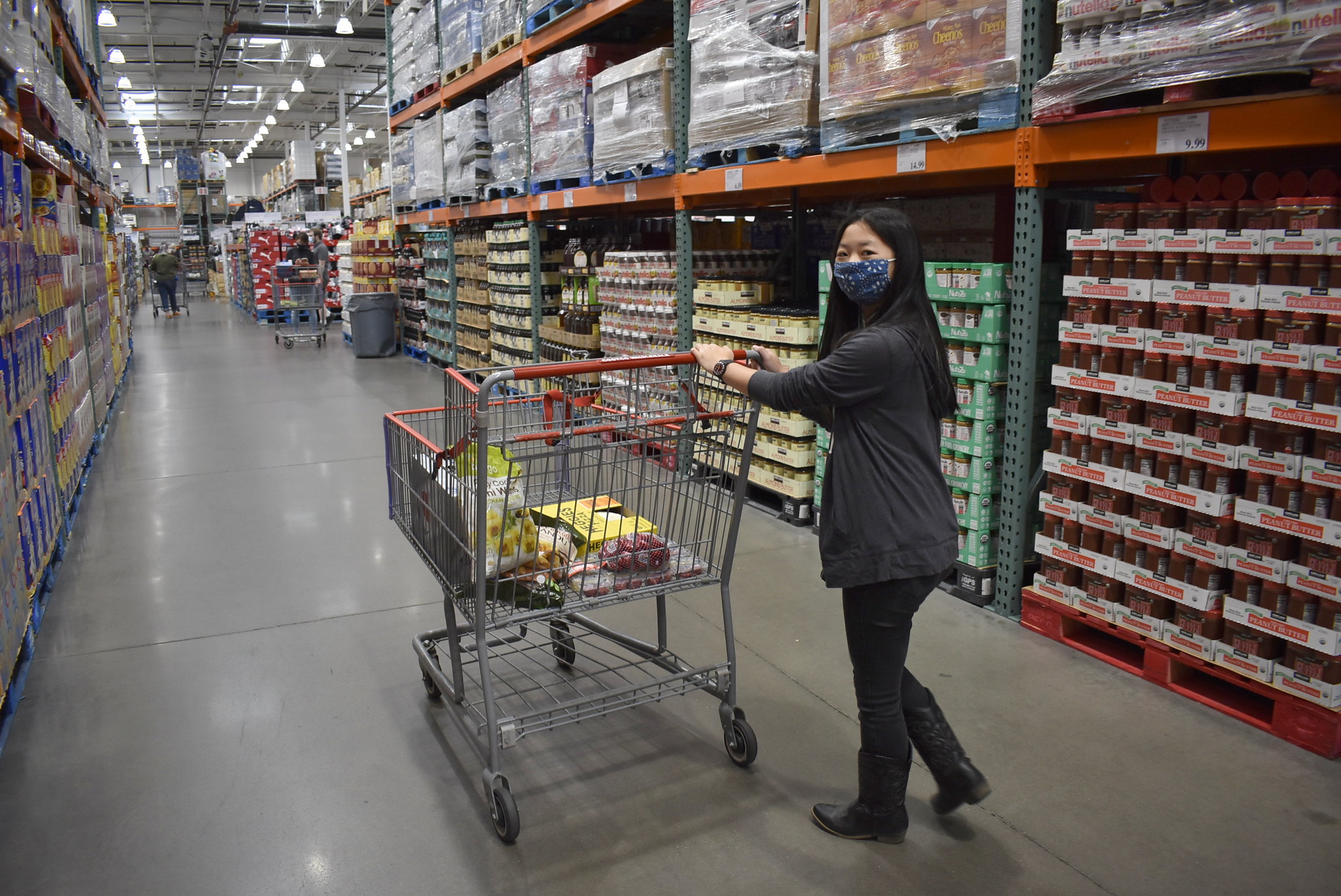
Larger, unfamiliar package sizes may tempt shoppers with apparent value. These supersized products, though budget-friendly per unit, encourage overbuying. Snacks or cereals, often nestled in expansive boxes, can lead to waste if family members lose interest or taste preferences shift.
Voluminous quantities require mindful portion control. Those exploring new products without experience might find themselves with overflowing containers. This expanse, unaccustomed to ordinary serving sizes, may eventually go stale or become unappetizing.
6. Substituting name brands with generic versions might compromise quality and freshness.

Generic brands frequently serve as economical alternatives to known labels. However, there’s a potential compromise in quality. Lower-priced items can lack the freshness of name brands, influencing flavor and longevity. Off-brand pasta sauces now perched on store shelves may disappoint in taste tests.
Quality disparities require attention. While brands economize production, freshness may decline, affecting meals. Should an experienced palate note the culinary difference immediately, disappointment may drive preference back to trusted labels, waning initial savings.
7. Buying more perishable goods just because they’re on sale increases waste.

Perishables on sale appear irresistible. Yet, purchasing excess fruits or dairy simply due to discounts can accelerate waste. Seasonal produce, although overflowing detention carts, might exceed household consumption capacity, reducing potentially untouched foods to waste fate.
Sale-induced surpluses require cautious calculation. Overestimating immediate needs results in rapid spoilage. A fridge crowded with onions or tomatoes without an immediate meal plan can see them soften and spoil, neutralizing the initial bargain.
8. Selecting multi-packs without storage space can cause premature spoilage.
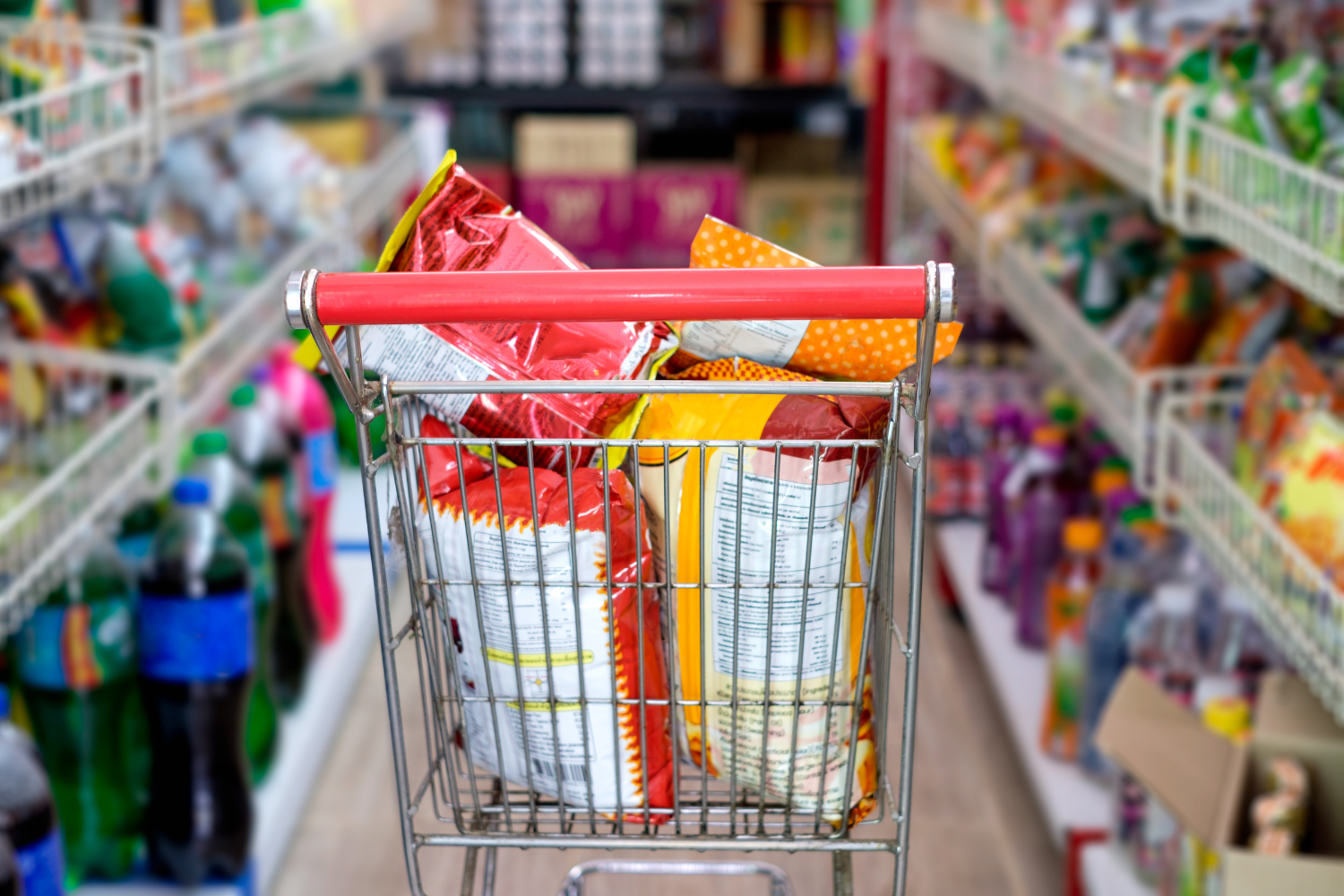
Multipacks promise value but space constraints often lead to premature spoilage. This is especially true in limited kitchens where storage options cluster. Multipacks line crowded shelves, nestled among reused packaging, concealing goods lost behind frequent usage.
Organizational strategies matter. The absence of free space may compress contents, causing bruised or spoiled products. For instance, stacking milk cartons without clearance caps may cause leakage, damaging nearby contents. Optimal storage practices surpass perceived initials savings.
9. Trading versatile staples for specialized products can limit meal flexibility.

Specialized items restrict meal versatility compared to staple combinations. Gourmet sauces or exclusive grains appeal with distinct appeal, yet their narrow applications limit meal adaptability, cluttering pantry shelves with specialized selections waiting for rare culinary conditions.
Staples lend fluidity. The restrictiveness of focused ingredients may limit experimental dining, leading to limited usage and forgettable lifespan. Traditional staples offer wider adaptation, creating dishes from familiar components with far-reaching balances between cost-efficiency and overall arrangement.