
Certain HOA rules can unexpectedly increase costs and diminish neighborly connections in communities.
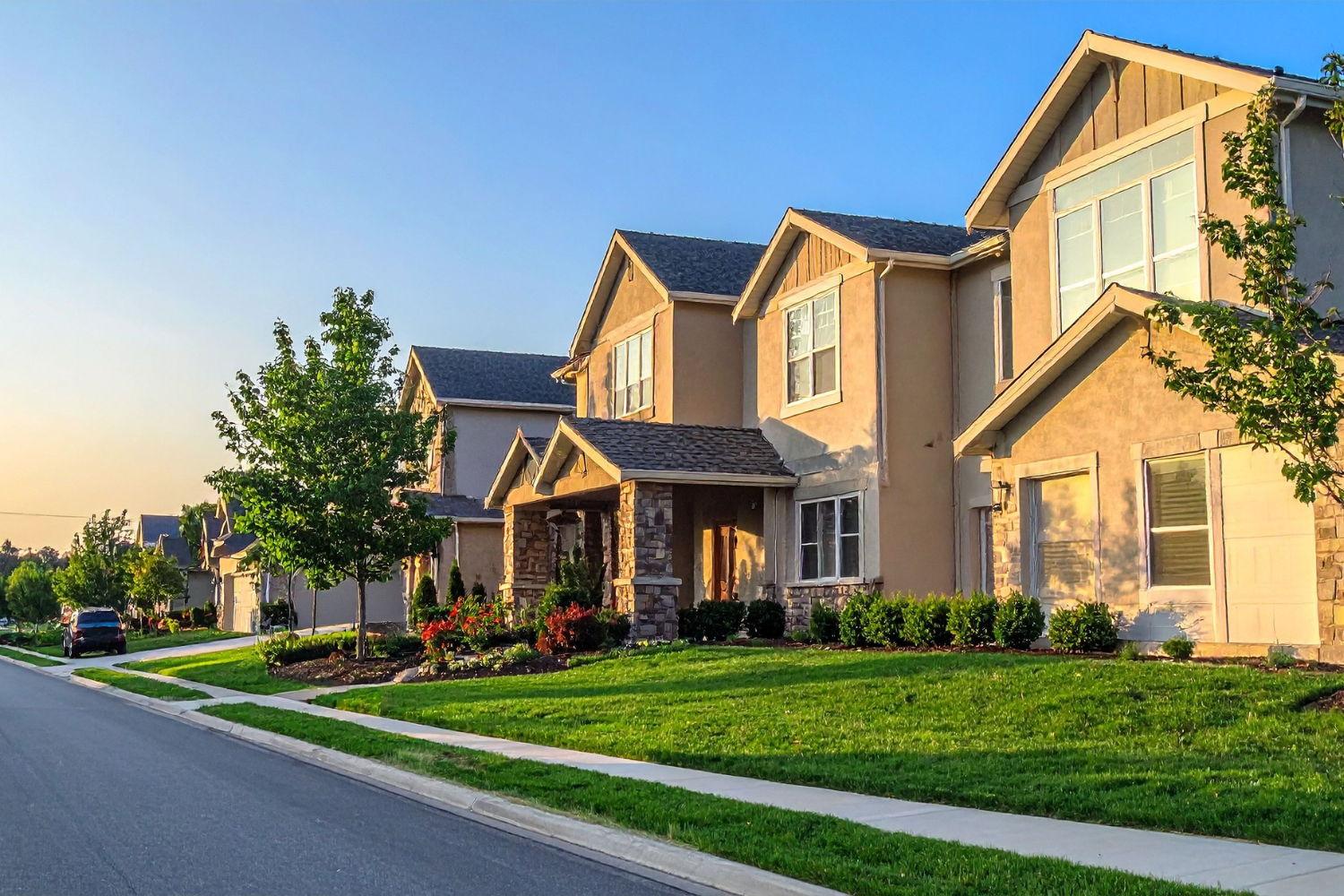
Homeowners associations (HOAs) aim to maintain neighborhood standards, but some rules can quietly inflate living expenses and erode community spirit. Restrictions on rentals, costly renovations, and limited use of shared spaces often create financial burdens while weakening social bonds among residents. Understanding these impacts helps homeowners balance regulations with affordable living and stronger neighborhood ties, fostering a more harmonious community environment.
1. Restricting rental options can limit neighborhood diversity and increase housing expenses.

Restricting rental options can limit who has access to live in a community, driving up demand and consequently increasing housing expenses. With fewer rental opportunities, homogeneity in the neighborhood might prevail, discouraging a mix of backgrounds and perspectives that enrich community life.
Neighborhood diversity thrives when residents bring varied experiences and cultures. Limiting rentals can stifle this vibrancy, making it harder for potential residents to find affordable housing. Ultimately, rules that restrict rentals may create an exclusive environment, straining potential for inclusive community growth.
2. Mandating frequent exterior renovations often results in unexpected homeowner costs.

Mandating frequent exterior renovations can compel homeowners to spend money regularly, even if their homes are in good repair. New paint, fence repairs, or roof treatments can add up quickly, sometimes unexpectedly straining household budgets with these periodic demands.
While curb appeal benefits the entire neighborhood, constant renovations can shift a community’s focus from spirit to appearance. Homeowners may find themselves prioritizing aesthetics over meaningful interactions with neighbors, diverting time and money from social engagement to meet HOA expectations.
3. Enforcing stringent landscaping standards may inflate maintenance bills for residents.

Stringent landscaping standards can result in inflated maintenance bills, impacting homeowners who must adhere to specific requirements for lawns and gardens. Frequent mowing, pruning, and fertilization to conform can add significant costs over time, squeezing household budgets.
Communities may appear pristine but at the expense of relaxed, accessible living for all residents. Overemphasis on landscaping can lead to resentment, particularly if maintaining a manicured appearance detracts from focusing on fostering friendly neighborly relations and community engagement.
4. Charging high fees for architectural approvals can burden homeowners financially.

Charging high fees for architectural approvals burdens homeowners financially, complicating renovation plans or necessary upgrades. If a homeowner dreams of a new deck or energy-efficient windows, steep approval costs can stymie creativity and practicality.
Discouraged homeowners may delay or cancel improvements, diminishing property satisfaction. Instead of appreciating personal space enhancements, residents might find themselves weighed down by bureaucratic hurdles, leading to general dissatisfaction and weakened allegiance to community guidelines.
5. Limiting shared amenities usage might reduce communal interactions among neighbors.

Limiting shared amenities usage can separate neighbors and weaken communality. Restricted access—whether pool hours or gym reservations—diminishes the neighborly interactions that naturally occur when spaces are open and welcoming to all at convenient times.
Shared amenities are more than just facilities; they are gathering points for relationships to blossom. When access is curtailed, spontaneous neighborly encounters decrease, with fewer opportunities for friendships to form naturally, reducing the vibrancy of community life.
6. Imposing fines for minor violations often creates tension within the community

Imposing fines for minor violations can create an atmosphere of tension and criticism. Residents may find themselves more focused on minor infractions than on fostering positive relationships, with rules looming larger than neighborly goodwill.
When fines become punitive instead of corrective, community spirit can erode. A minor lawn infraction turning into a notable fine replaces conversations over fences with cold communications, making friendliness seem less important than strict adherence to rules, fraying the social fabric.
7. Requiring membership in costly social clubs can discourage neighbor participation.

Requiring membership in costly social clubs might deter individuals who would otherwise join in. Not only does it place additional financial stress on households, but it also creates social barriers, limiting engagement to those who can comfortably pay fees.
Such exclusive participation clashes with the idea of open community ties. Instead of fostering inclusive settings, club requirements can make socializing feel like a privilege, reserved for those who can afford it, reducing overall community cohesion and spontaneity.
8. Prohibiting casual social gatherings reduces opportunities for building community bonds.

Prohibiting casual social gatherings can sap energy from neighborhood dynamics. Limitations on impromptu meetings, barbecues, or block parties restrict spontaneous connection and joy that naturally build strong ties and friendships among residents.
Social gathering restrictions can drive neighbors to interact less frequently, deepening separation. Over-regulation might make homes feel less welcoming, where porches and backyards become merely private, limiting spaces rather than places of shared stories and companionship.
9. Excessive rules on property modifications may hinder personal expression and satisfaction.

Excessive rules on property modifications limit personal expression, often curbing satisfaction from living in one’s own space. When homeowners face numerous restrictions on creative changes, it can make a home feel more like a temporary residence instead of a personal sanctuary.
Restrictive policies can prevent homes from reflecting the personalities and histories of those within. Shielded from personal touch, properties may lack unique charm, stunting the sense of belonging that evolves when residents infuse their physical spaces with personal significance.