
Understand which vintage collectibles look costly but lack true value to avoid costly mistakes.

Many vintage items may seem valuable at first glance due to their appearance or age, but collectors often avoid them for valid reasons. Factors like poor craftsmanship, common reproductions, condition issues, and low market demand can greatly reduce an item’s collectibility. Knowing how to spot these less desirable pieces helps enthusiasts make informed decisions and invest wisely in truly authentic, valuable collectibles.
1. Faux antique furniture with noticeably cheap materials and construction details
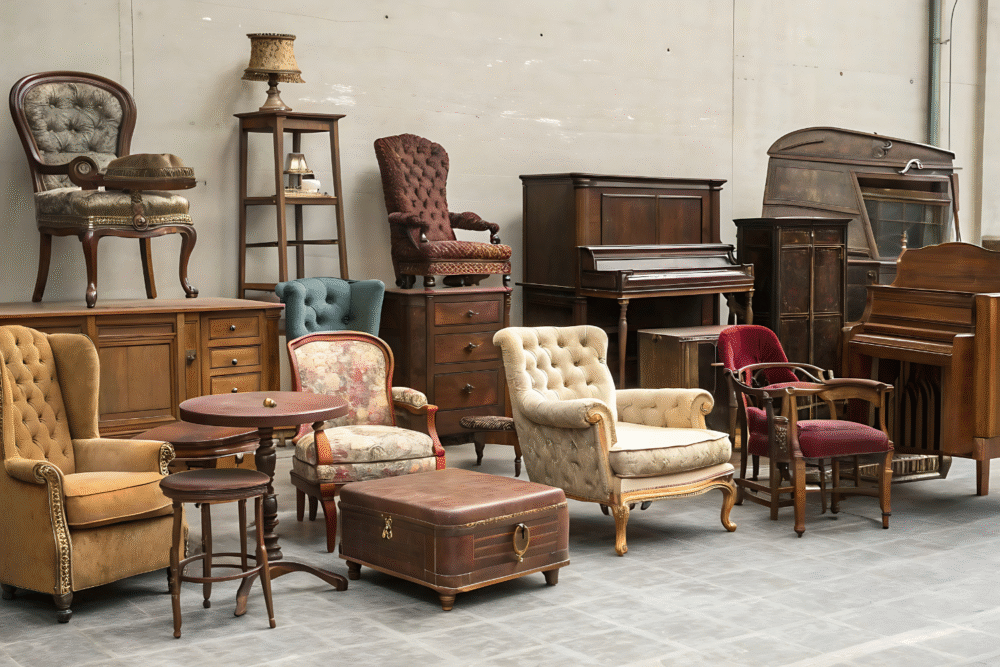
Recognizing faux antique furniture involves closely examining materials and construction. While these pieces may appear aged and valuable, low-quality wood or visible machine-made joints often give them away. The thrill of a good find can obscure details like mismatched grain or hastily applied finishes.
Collectors give these imitations a wide berth, as true value lies in authentic craftsmanship and history. The contrast between genuine antique and replicated designs becomes evident in subtle details. An experienced eye catches these, illustrating how real value is more than skin deep in the world of vintage guards.
2. Reproduced vintage jewelry lacking original craftsmanship and authentic markings.

Reproduced vintage jewelry often lacks the hallmarks of authenticity, such as artisan precision and unique stamps. While gleaming metals and gemstones may gleam convincingly, close inspection reveals telltale signs. Missing maker’s marks or uneven settings diminish their allure to discerning collectors.
For jewelry enthusiasts, capturing authentic vintage pieces means seeking craftsmanship that endures beyond first impressions. Enthusiasts value original techniques, like distinctive engravings, which cannot be easily imitated. Understanding these nuances underscores the difference between glossy mimicry and genuine artistry that collectors cherish.
3. Mass-produced vintage ceramics that mimic high-end collectible pottery styles.

Mass-produced vintage ceramics often mirror the aesthetics of truly collectible pottery but fall short in execution. These pieces might emulate high-end glazes, yet their lack of refinement reveals them as common imitations. Textured surfaces and uniform colors give them away easily.
Collectors are keenly aware of market trends and discern true high-end pieces from mere replications. When value aligns with rarity and expertise, genuine craftsmanship is most apparent in intricate details. Mass production tends to gloss over the character that imbues collectibles with true worth.
4. Vintage designer handbags with altered logos or obvious modern repairs.

Vintage designer handbags often become suspect when logos appear tampered with or repairs seem obvious. Collectors value integrity over ostentation, making authenticity paramount. Altered logos or modern stitching betray once-prized accessories, revealing them as less desirable.
Among handbag enthusiasts, the integrity of iconic designs is critical. Though age can add character, repairs must preserve rather than change original charm. The difference between embellishment and authentic restoration speaks volumes about a piece’s collecting potential and enduring appeal.
5. Retro electronics that appear rare but fail modern functionality tests.

Retro electronics can seem fascinating artifacts until modern functionality tests reveal shortcomings. Prized for their retro allure, these gadgets often lack operational durability. From radios that cannot tune to TVs that resist broadcast signals, exploring inner workings quickly demystifies claimed rarity.
Collectors seek functional integrity, favoring working models that capture technological history. While exterior design invigorates interest, true collectibles blend aesthetics with operational authenticity. When form outpaces function, collectibles lose their luster amid the march of time.
6. Old postcards with common prints that hold little historical significance.
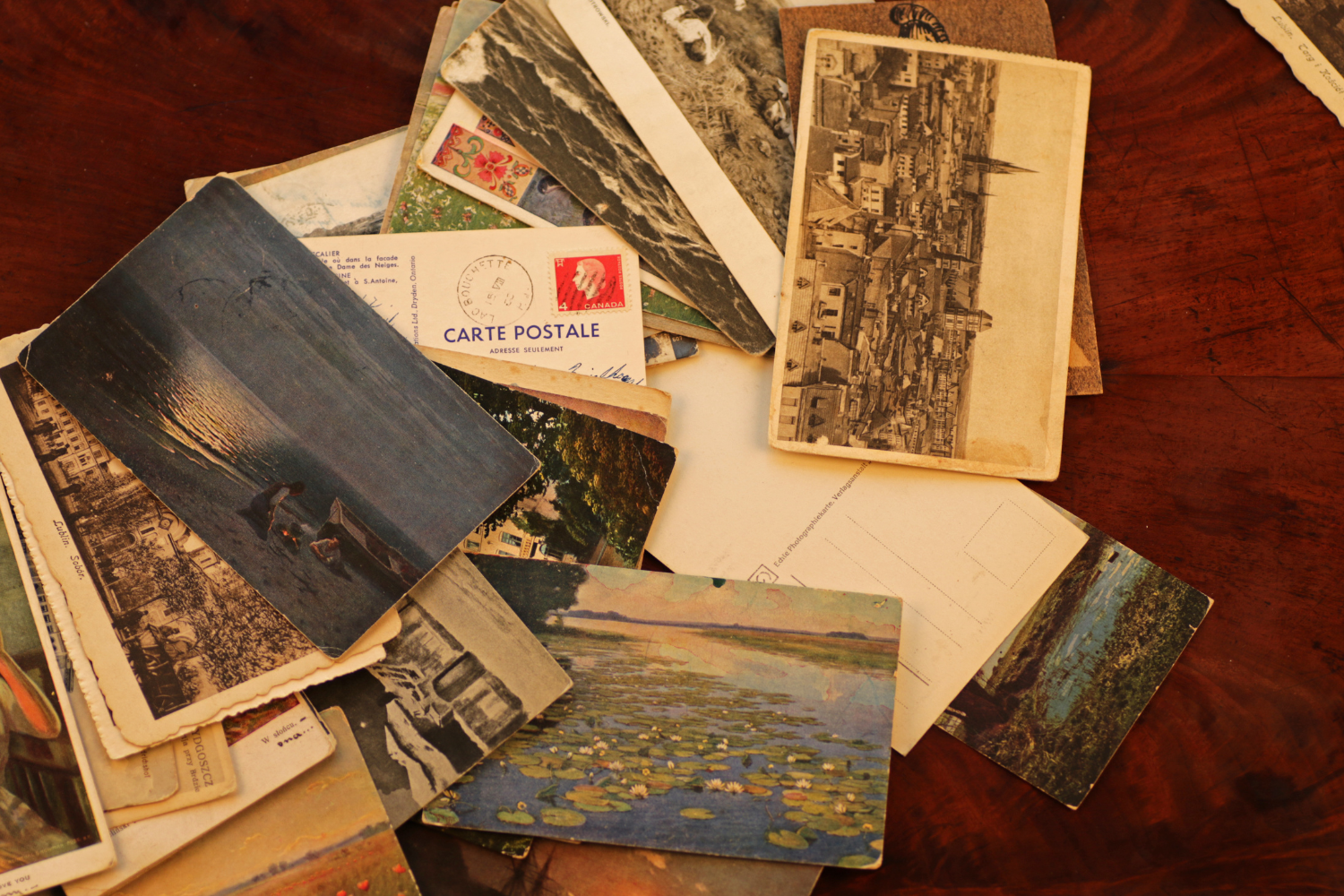
Old postcards bearing common prints quickly lose collector intrigue despite initial historical appeal. Pictures from prominent destinations often saturate markets, narrating obvious tales. Scarcity bridges historical context, turning simple images into collectible treasures of the past.
Collectors find revelatory value in obscure postcards brimming with personal stories or rare imprints. Delving beyond picturesque facades unearths significance in quiet narratives. Common prints contrast sharply with rarities, reminding enthusiasts of their pursuit for forgotten whispers of history.
7. Vintage clothing pieces made from synthetic fabrics rather than natural fibers.

Vintage clothing gains charm when crafted from natural fibers but loses allure through synthetic substitutions. While colorful and accessible, synthetic garments lack the luxurious touch collectors prize. Peering beneath vibrant hues and patterned prints reveals mismatched simplicity.
Discerning fashion collectors value periods when quality resonated through natural materials. The nuance of natural fibers shows in wear, texture, and lasting comfort, celebrated qualities verging beyond ephemeral fashion. A garment’s fabric tells tales few threads reveal from bygone eras.
8. Imitation mid-century modern decor items lacking authentic designer signatures.
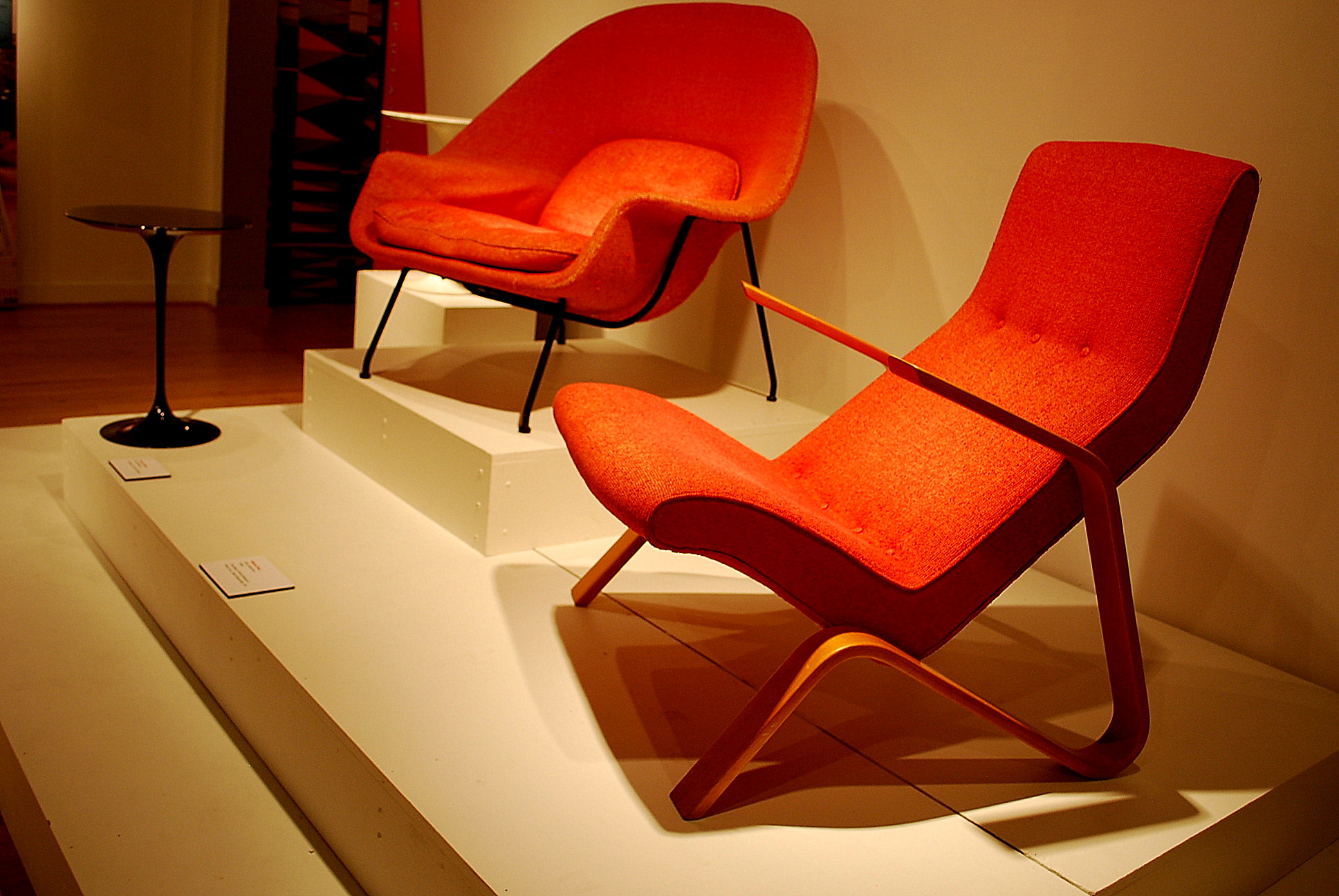
Imitation mid-century modern decor replicates iconic shapes without bearing true designer imprints. These pieces frequent networks with recognizable forms fighting for authenticity lost during reproduction. Beside this, subtle differences abound when authenticity anchors value for those in pursuit.
Mid-century enthusiasts engage with famed designer stories that underscore genuine finds against readily available replicas. Cherished works intertwine creator legacies, marking true distinction in collectibles. This recurring dance with imitation beams vibrant celebration of enduring design legacies worth more than appearances imply.
9. Vintage glassware featuring printed patterns that easily fade or chip.

Vintage glassware sporting charming printed patterns often confronts challenges in value retention. While visually appealing, these prints tend to fade or chip easily, reducing desirability among collectors. Sturdy, well-preserved patterns hold the attention of those who prize longevity.
In the world of glassware, the rich interplay of function and form elevates pieces from ordinary to exceptional. Collectors admire pieces that balance enduring patterns with craftsmanship over fleeting trends. Shopping for glassware mirrors the careful quest for pieces that withstand time’s careful gaze.