
Growing up with these toys revealed a household’s creativity and social warmth in childhood play culture.
Certain toys and games have long signaled a home where imagination and togetherness thrived. From classic wooden train sets to timeless board games, these playthings shaped not only individual creativity but also family dynamics and friendships. Understanding which toys were truly cherished helps reveal how childhood experiences reflected broader cultural trends without relying solely on expense or popularity. This exploration uncovers what made a house feel genuinely cool to kids and visitors alike.
1. Having a classic wooden train set that sparked endless imaginative journeys.

Classic wooden train sets were more than just toys; they were portals into realms of imagination, where children laid tracks on carpets and set miniature locomotives on whimsical journeys. Enthusiastic engine whirs echoed through homes, sparking excitement at each twist and turn of the railway.
These toys symbolized a creative household, encouraging storytelling and planning skills as children mimicked the sound of speeding wheels. While not every home featured these trains, those that did offered a playful retreat where friends gathered to witness imaginary cities spring to life along wooden tracks.
2. Owning a collection of colorful building blocks for creative construction play.
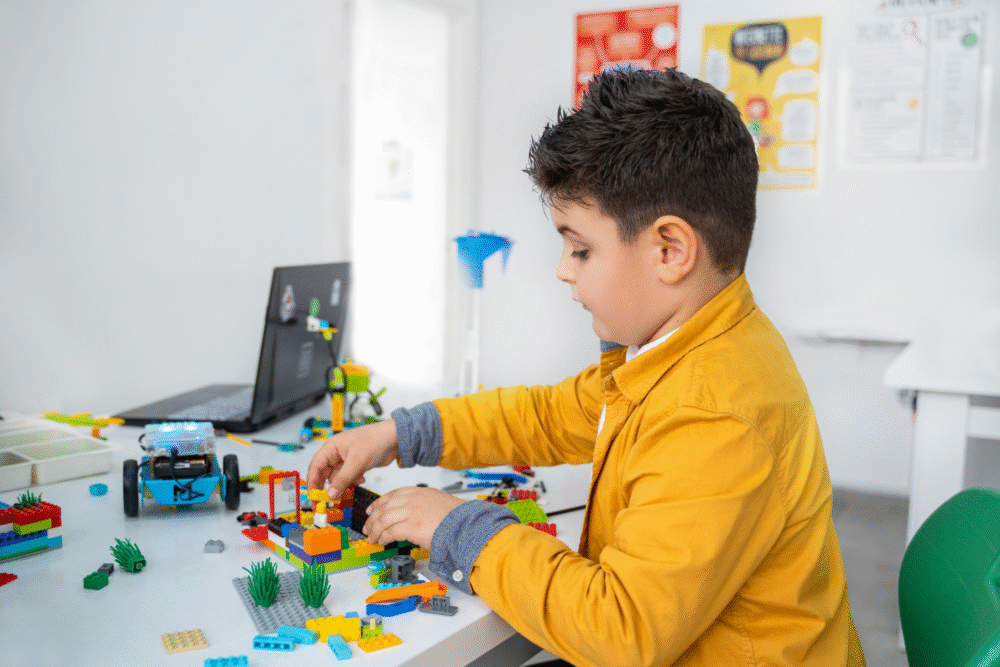
Colorful building blocks transformed idle mornings into creative construction marathons. As blocks snapped together, towering castles and imaginative cities arose on bedroom floors, inviting young architects to dream up endless stories. Children often revisited these build-and-break sessions, mastering cause and effect with every collapsing tower.
In homes where these blocks were a staple, creativity thrived, shaping playtime into a collaborative activity. Parents often joined, creating bridges and walls alongside their kids. The simple blocks hinted at a household where invention was celebrated, fostering both individual exploration and group play.
3. Playing with vintage board games that brought the whole family together.
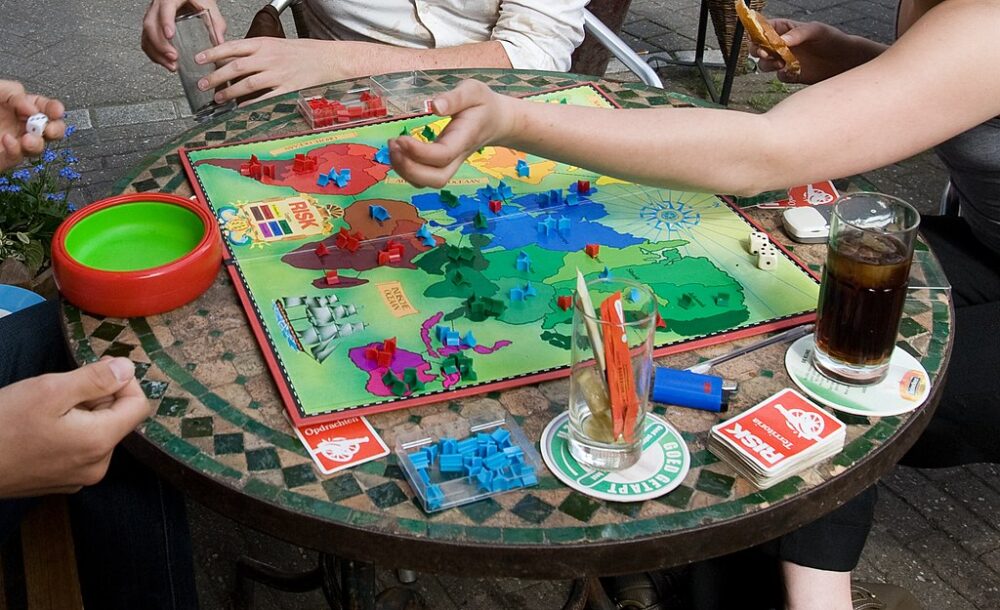
Vintage board games often turned ordinary evenings into lively family affairs, where laughter and strategy entwined at the dining room table. From epic rounds of Monopoly to tactical moves in Risk, these games invited players to engage deeply, considering their next calculated step.
For families, these board games meant more than collecting properties or achieving world domination; they were about bonding and sharpening minds. In houses where every evening could bring a different game night theme, relationships grew stronger as players learned lessons in patience and sportsmanship while vying for victory.
4. Having a sturdy bicycle that doubled as freedom and neighborhood exploration.

A sturdy bicycle offered not just transport but liberation, granting children the means to explore neighborhoods with sunlit freedom. Pedaling down leafy lanes, kids discovered secret trails and favorite hideouts, bonding with friends over shared two-wheeler adventures.
These bicycles indicated a love for the outdoors and an independent spirit. As the wind whipped past, young riders learned the lay of the land and developed a sense of space and place. Navigating through streets and trails provided more profound lessons in responsibility than any classroom could.
5. Enjoying timeless action figures that inspired heroic adventures every afternoon.

Timeless action figures sparked heroic tales every afternoon, with miniature soldiers or caped crusaders battling on carpets and sofas. Sometimes battlefields and hideouts unfurled through cardboard and cushions as imaginations soared beyond physical boundaries.
In these houses, the presence of action figures pointed to dynamic, adventurous play. Friendships blossomed around shared storylines, and alliances often formed over the fate of plastic heroes. The echoes of staged battles and negotiations resounded, indicating a world where creativity and camaraderie intertwined in endless permutations.
6. Possessing a well-loved dollhouse filled with tiny, detailed furniture pieces.

The well-loved dollhouse, filled with tiny furniture, acted as a universe unto itself, where children orchestrated the lives of its residents. Each room contained possibilities, from cozy kitchens to snug bedrooms, where life scripts played out in miniature.
Such dollhouses became a stage for social development, as kids imagined complex narratives, symbolizing a strong foundation of empathy and storytelling within the home. Hours of play encouraged children to understand relationships and roles, carrying these insights into real-life interactions beyond the front door.
7. Having a set of art supplies encouraging creative expression and colorful projects.

A bright set of art supplies greeted every budding artist, urging experimentation across blank canvases and thick paper. As colorful smudges crossed hands and faces, creativity spilled from page edges onto desks and walls.
In homes where art thrived, ideas materialized through vibrant pastels and watercolors, enriching daily routine with bursts of color. Each crayon or brushstroke opened pathways to imagination, where family members connected through both shared projects and distinct artistic visions. Together, they created a kaleidoscope of memory and expression.