
The U.S. air travel system is showing cracks while staffing shortages bite.
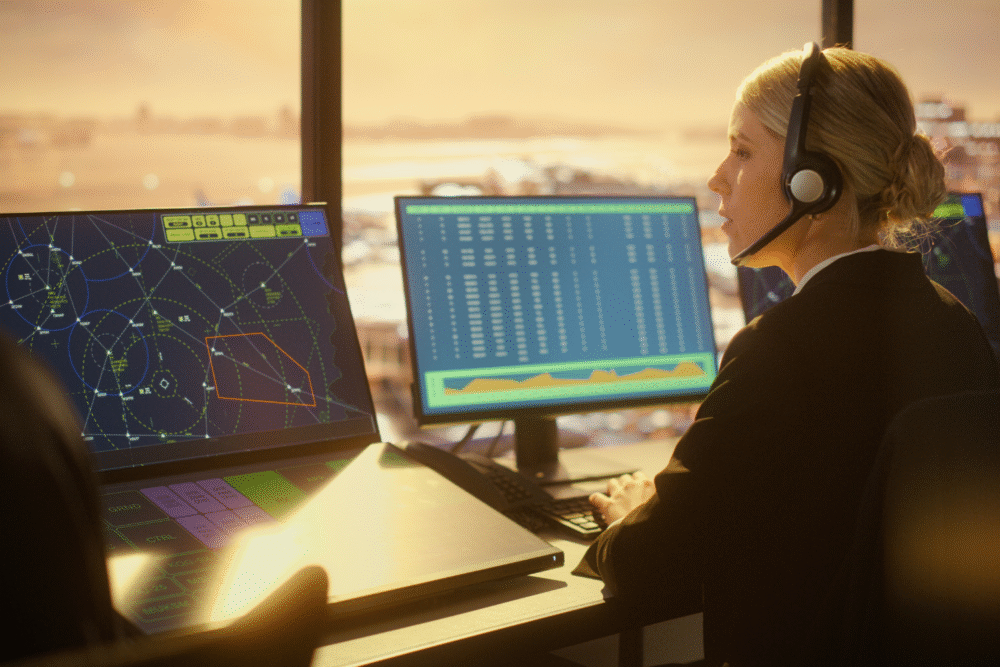
An alarming number of American airports are grappling with significant air traffic controller shortages, causing flight delays, cancellations, and ground-holds. These gaps are both long-standing and deepening as hiring lags and retirements accelerate.
Passengers often think bad weather or mechanical issues are to blame, but the real issue for many flights is simply not enough people in the tower. Here are 11 airports where controller shortfalls are already disrupting travel.
1. Chicago O’Hare (ORD) has seen larger-than-usual delays due to ATC staffing.
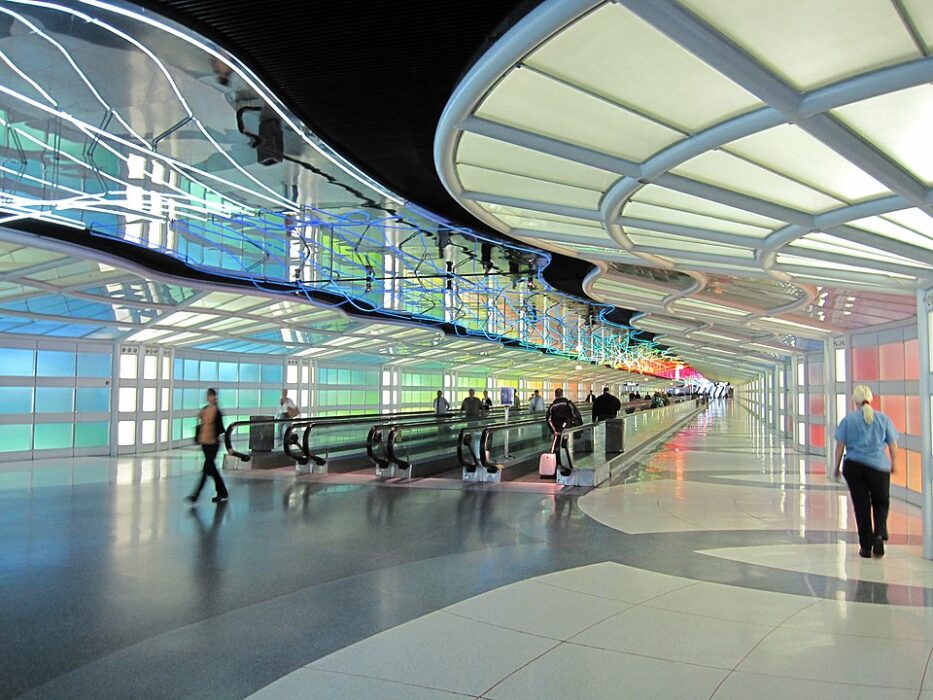
Chicago’s major hub recently received alerts from the Federal Aviation Administration (FAA) citing “staffing triggers” at the approach and departure control facilities tied to O’Hare. That means fewer certified controllers than needed, which limits how many aircraft can take off or land safely in a given hour. These operational caps translate into longer taxi times, postponed departures and more missed connections.
While the terminals remain open and busy, the shortage puts pressure on airlines and crews alike—and when even one controller calls in sick or leaves the shift early, the system loses its margin for error.
2. Newark Liberty International (EWR) is under flight caps because towers cannot keep up.
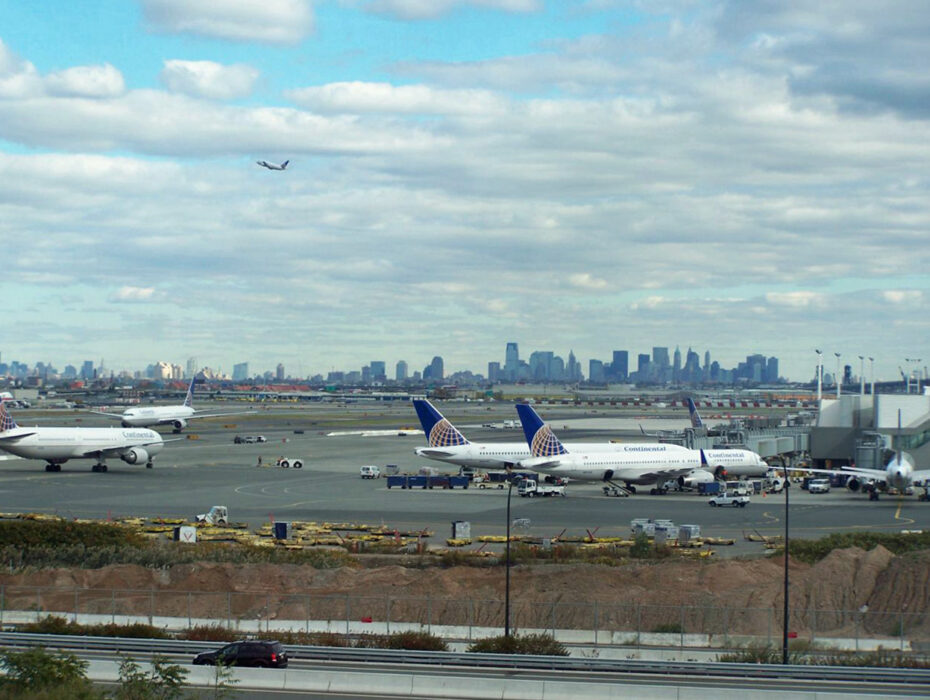
Newark’s airspace has been flagged repeatedly due to insufficient controller staffing; in response, the FAA imposed hourly flight volume limits at the airport. This means fewer departures and arrivals compared to pre-shortage levels, and airlines have had to cut routes or reschedule operations.
With so many daily flights reliant on tightly synced air-traffic flows, the deficit of controllers slows everything down. It’s less about closed runways than about fewer qualified personnel managing complex sequences of landings and take-offs.
3. LAX—including Burbank Airport (BUR)—have operated with dangerous staffing lows.
In one recent incident, the air traffic control tower at Burbank was unmanned for hours because certified controllers were unavailable, forcing remote facilities to take over. Flights were delayed by hours and some canceled. The issue highlights how even secondary airports are vulnerable when staffing falls behind.
When local towers go dark, travel ripple effects extend beyond that airport. Traffic congestion, reroutes and delays at nearby major airports like LAX and others become unavoidable, since the regional system depends on each node functioning properly.
4. Nashville International (BNA) experienced ground-delays as controllers became overstretched.

The Nashville facility saw official advisories for staffing shortfalls that triggered operational restrictions and significant delays. With fewer controllers than necessary for the evening shift, aircraft arrivals and departures had to be spaced further apart, reducing throughput.
That kind of constraint is especially tough in a hub city where many travelers rely on tight connections. The result isn’t just a handful of delayed flights—it can cascade into missed onward travel, hotel issues and general gridlock for the local travel ecosystem.
5. Philadelphia International (PHL) and nearby control centers face major staffing alarm flags.

Approach and departure radar facilities serving Philadelphia saw staffing alerts issued by the FAA, meaning keyed-in controllers were either absent or unavailable. These centers handle heavy volumes of air traffic, and any reduction in personnel forces slower handling of aircraft sequences.
For passengers at PHL, that means that even on “clear weather” days delays can spike—because the bottleneck isn’t the runway, it’s the human resource behind it. Airports often try to mask this as weather or technical issues, but staffing is the root.
6. Houston’s air-traffic control sectors are reporting short-staffing.
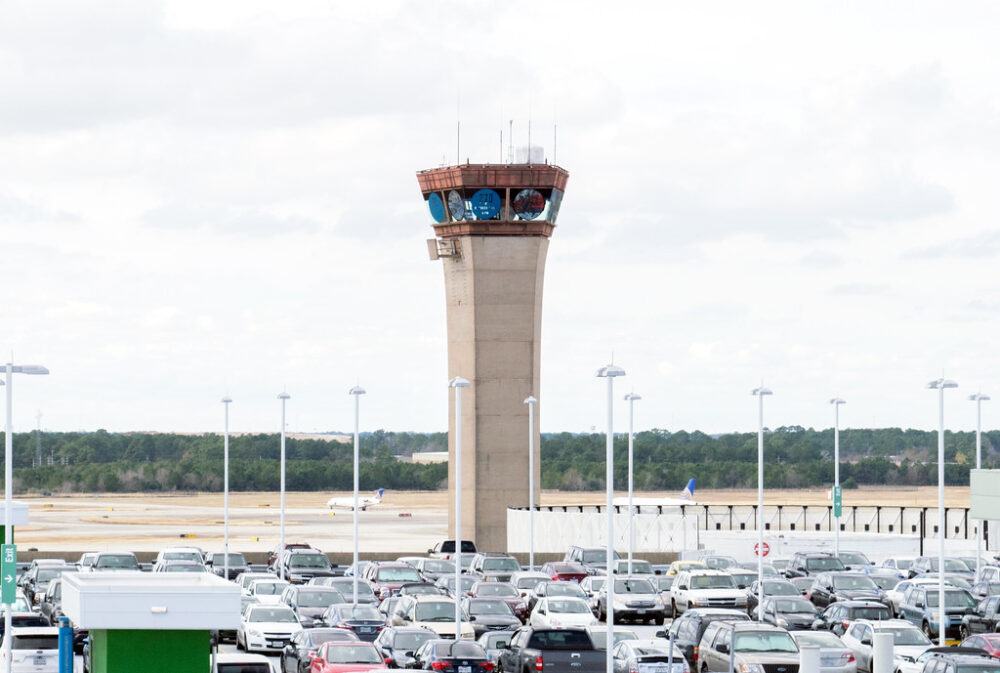
Control centers that manage the Houston airspace have also been identified by the FAA as under-staffed. With fewer controllers on duty, the rate of takeoffs and landings must be reduced to maintain safe separation and avoid controller fatigue.
Houston is a busy hub and any slowdown there impacts connecting flights across the country. The local delay isn’t isolated; it ripples out, reducing airline schedule resilience and increasing vulnerability to further disruptions.
7. Denver International (DEN) has seen an uptick in delays tied to controller gaps during major shifts.
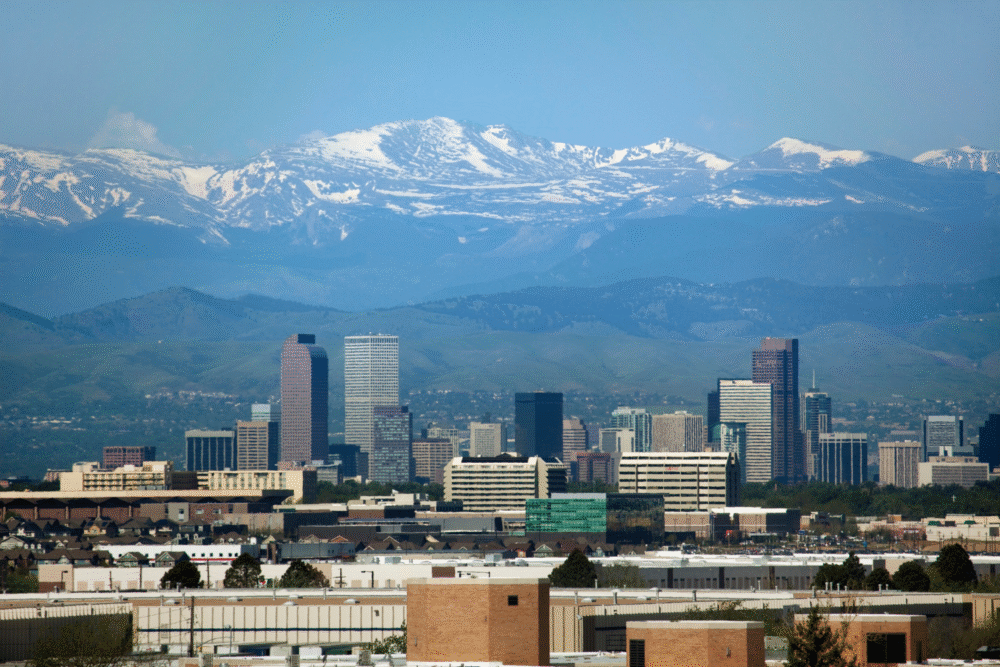
Denver’s airspace control has been marked with “staffing triggers” in recent advisories. When understaffed, controllers face heavier workloads, longer shifts and more complex traffic mixes, which raises risk and reduces operational flexibility.
Travelers passing through DEN may notice that flights stack up more than usual, especially when timing is tight or traffic is heavy. What looks like a random delay can often trace back to the fact that the tower doesn’t have as many trained controllers as it should.
8. Las Vegas airports and nearby radar facilities are flagged for vulnerability due to low controller headcounts.

Las Vegas airspace control centers have been listed by the FAA as facilities potentially impacted by staffing shortfalls. The region’s high volume of evening flights and busy approaches magnify the risk when controller numbers are eroded.
Since Vegas is a major destination with lots of inbound and outbound flows, any capacity reduction slows the entire system. Passengers may experience longer taxi times or fewer flight options simply because the air-traffic system has reduced its safe operational envelope.
9. Boston control sectors covering airports such as Logan are under staffing pressure.

Control centers in the Boston region, which oversee multiple busy airports and approach paths, were included in FAA advisories about low staffing. Reduced personnel means more spacing between aircraft and fewer total movements allowed per hour.
For travelers using Boston’s airports, it means a higher baseline of delay risk—even when weather is fine. These structural staffing deficiencies make scheduling less reliable and reduce the buffer airlines typically rely on when things don’t go perfectly.
10. Ronald Reagan and Washington National, are impacted by controller shortfalls.
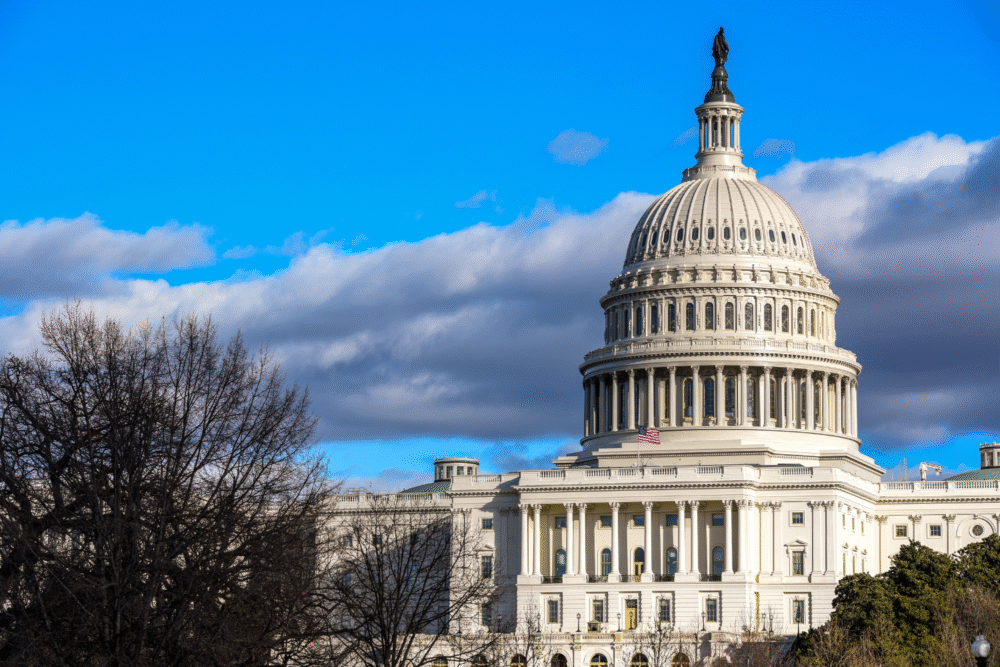
Air traffic facilities covering the Washington-D.C. airspace have faced alerts for inadequate staffing levels. Given the region’s complex airspace, fewer controllers mean slower handling of arrivals and departures and reduced hourly capacity.
For passengers flying into or out of this corridor, that translates into tighter margins for connections and higher chances of delay when anything goes off schedule. The system is operating closer to its limit than most realize.
11. Phoenix control centers have been noted for vulnerability caused by understaffing.

Facilities managing Phoenix and surrounding airspace have appeared in advisory lists for reduced staffing, meaning arrival and departure flows may need to be throttled. With high daytime summer volumes and critical connecting corridors, any manpower drop hurts.
Passengers at Phoenix may not hear “controller shortage” on the intercom, but they’ll feel it through longer waits, less flexibility and constrained flight options. The issue isn’t local alone—it contributes to national network fragility.