
Avoid common habits that increase your risk of theft during business travel journeys.

Business travel exposes professionals to unique security challenges, including the risk of theft. Certain everyday behaviors can unintentionally make travelers vulnerable, from leaving valuables unattended to wearing flashy items that attract unwanted attention. Understanding these habits and adopting simple precautions helps protect your belongings and maintain personal safety. Staying vigilant and prepared is key to reducing risks while traveling for work.
1. Leaving valuables unattended in hotel rooms at any time.

Leaving valuables unattended, even briefly, in hotel rooms can invite unwelcome attention. Thieves often target luggage and personal items, especially when left in plain sight. Hotel guests may not notice anything amiss until it’s too late—after the items have vanished.
Understanding the risk of theft in hotel environments helps highlight the importance of vigilance. Locking away valuables when not in use or ensuring the room remains secure can mitigate potential loss. Even a seemingly secure space isn’t immune from opportunistic theft when items are left exposed.
2. Displaying expensive electronics openly in busy airports or stations.

Expensive electronics, like laptops and smartphones, easily catch the eye in crowded places. Airports and stations brim with people, making them fertile ground for theft. A thief needs only a moment of distraction to snatch devices, unseen amid the bustling atmosphere.
Instead of displaying electronics openly, travelers can keep tech gadgets tucked away until needed, maintaining a lower profile. Limiting exposure in crowded environments serves as a practical measure to protect against opportunistic theft, emphasizing the importance of awareness in busy transit locations.
3. Sharing detailed travel plans publicly on social media platforms.

Posting detailed travel itineraries on social media can inadvertently increase vulnerability. Sharing real-time location and plans provides easy access for those with ill intent. Information, once public, can be used to predict movements and target travelers when they are unaware.
Keeping travel plans private adds a crucial layer of security. By not broadcasting schedules online, travelers reduce the chance of being monitored and approached. Balancing connectivity with caution ensures safety while remaining digitally engaged during journeys.
4. Using easily guessable passwords on devices and travel apps.

Passwords that are easy to guess compromise both digital security and travel apps. A weak password can result in unauthorized access to sensitive information. Personal data, if breached, might affect travel plans by providing others control over accounts and reservations.
Prioritizing robust password creation reduces vulnerability significantly. Strong, unique passwords help safeguard confidential data, ensuring apps and devices stay secure. Maintaining security awareness in digital interactions during travel fortifies one’s defenses against potential cyber threats.
5. Ignoring secure luggage options and leaving bags unlocked.
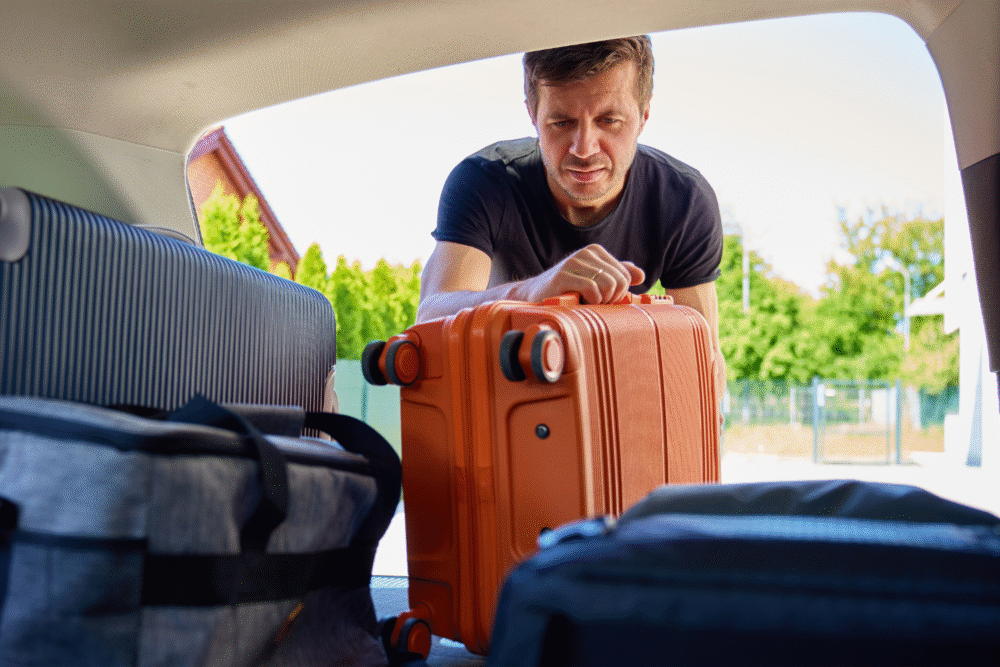
Overlooking secure luggage measures leaves possessions susceptible to theft. Unlocked bags, especially in shared or public settings, can be accessed quickly. Opportunistic thieves might snatch and search through belongings, seizing valuables in the process.
Choosing luggage with secure locks prevents unauthorized access and minimizes risk. Awareness of luggage safety fosters resilience against theft as travelers navigate transit points. Reinforcing physical security elements highlights the importance of maintaining vigilance in protecting personal items.
6. Carrying large amounts of cash instead of using cards wisely.

Carrying large amounts of cash poses a significant risk during business travel. While cash offers convenience, it also draws the attention of potential thieves. Without careful management, the loss of cash can leave travelers stranded and vulnerable.
Opting to use credit or debit cards instead of holding cash ensures a safer financial journey. Cards provide additional layers of security, with protective measures and limits against fraudulent activity. Balancing financial practicality with safety facilitates smoother travel experiences.
7. Accepting help from strangers without verifying their identity first.

Accepting help from strangers can pose risks, especially regarding personal safety. In busy areas, offers of assistance might conceal ulterior motives. Unsuspecting travelers may inadvertently place trust in individuals intending to exploit their hospitality.
Verifying identities before accepting help minimizes exposure to potential threats. Identifying credible sources or requesting official support reinforces one’s security. Discerning helpful intentions from deceptive behavior mitigates risks, prioritizing traveler safety amidst the chaos of public exchanges.
8. Neglecting to use hotel safes or secure lockers consistently.

Hotel safes and secure lockers play a critical role in protecting valuables during travel. When underutilized, these security measures leave possessions exposed to possible theft. Simple oversight can result in unexpected losses within what should be a safe harbor.
Regular use of secure storage options significantly enhances peace of mind for hotel guests. By consistently securing belongings, travelers ensure their valuable items remain safe while they are away. This habitual approach supports broader travel security measures efficiently.
9. Wearing flashy jewelry or accessories that draw unnecessary attention.

Flashy jewelry and accessories tend to draw attention more than desired. Vibrant or shiny adornments can signal wealth, making travelers more noticeable to opportunist thieves. In unfamiliar settings, remaining low-key often proves advantageous for ensuring personal safety.
Choosing understated accessories reduces the likelihood of standing out in crowds. Subtlety in apparel prevents inadvertent exposure to unwanted attention, reinforcing a sense of security. Emphasizing caution with appearances supports broader safety strategies during travel.
10. Rushing through public spaces without staying aware of surroundings.
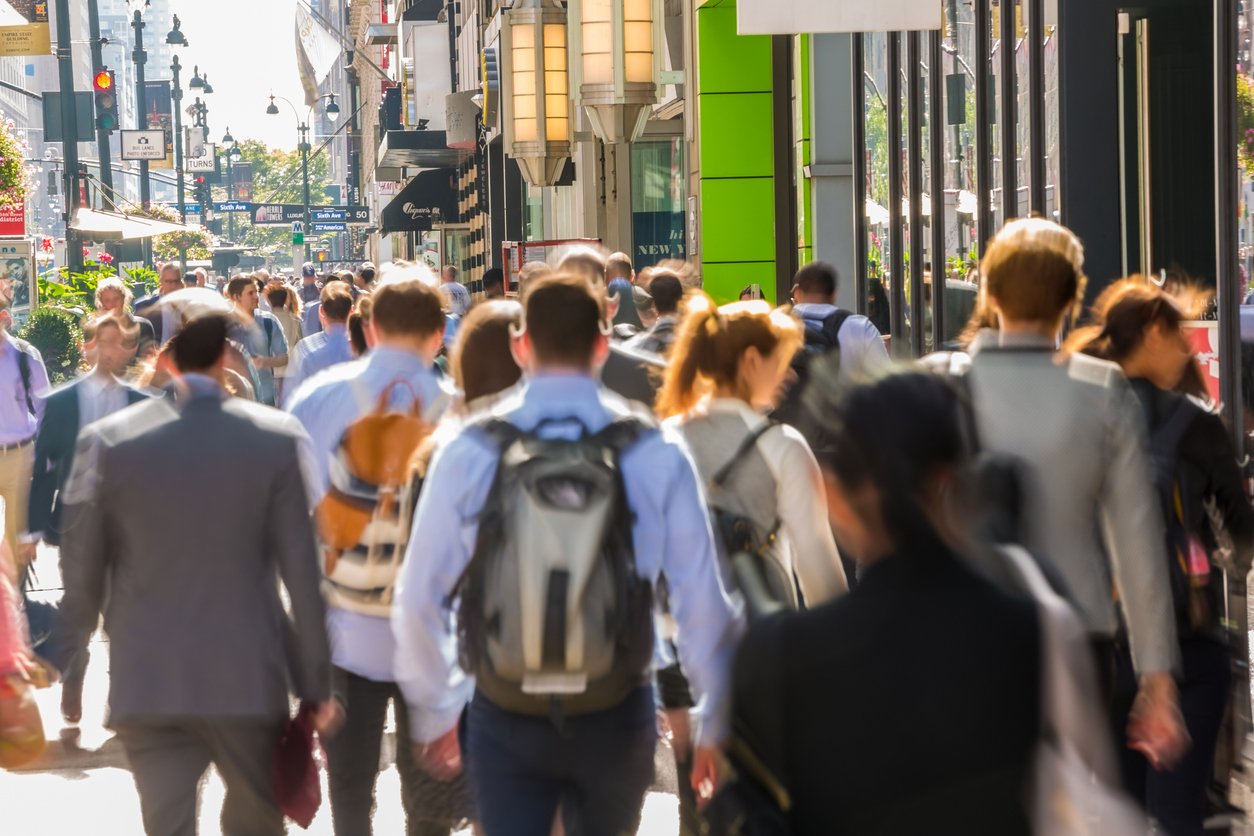
Rushing through crowded spaces heightens the risk of overlooking personal safety. In the haste to navigate busy environments, travelers often divert attention away from potential dangers. Unnoticed, thieves exploit these moments of distraction to their advantage.
Maintaining awareness, even amidst urgency, minimizes threats typically encountered in busy transit areas. Deliberate pacing throughout populated locations allows individuals to identify potential hazards. The contrast between haste and caution underscores a proactive approach to personal safety.