
Recognize which collectibles often fail to grow in value and why they make poor investments.
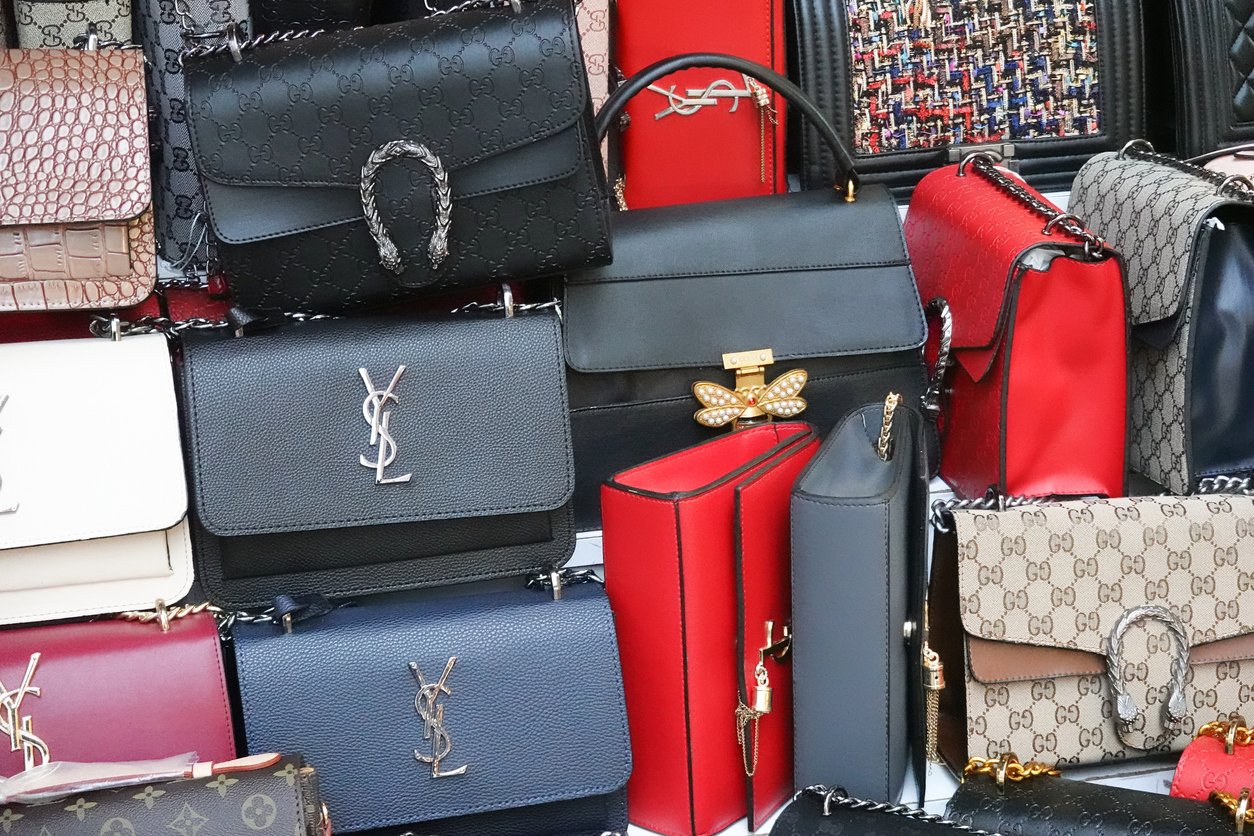
Many collectibles may seem appealing as investments, but not all hold their value over time. Factors such as lack of rarity, poor condition, market oversaturation, and absence of authenticity often lead to depreciation. Understanding which common collectibles rarely appreciate can help avoid costly mistakes. Careful research and attention to market trends are essential before investing in items that might only offer sentimental value instead of financial gain.
1. Old postcards with limited demand rarely gain significant value over time.
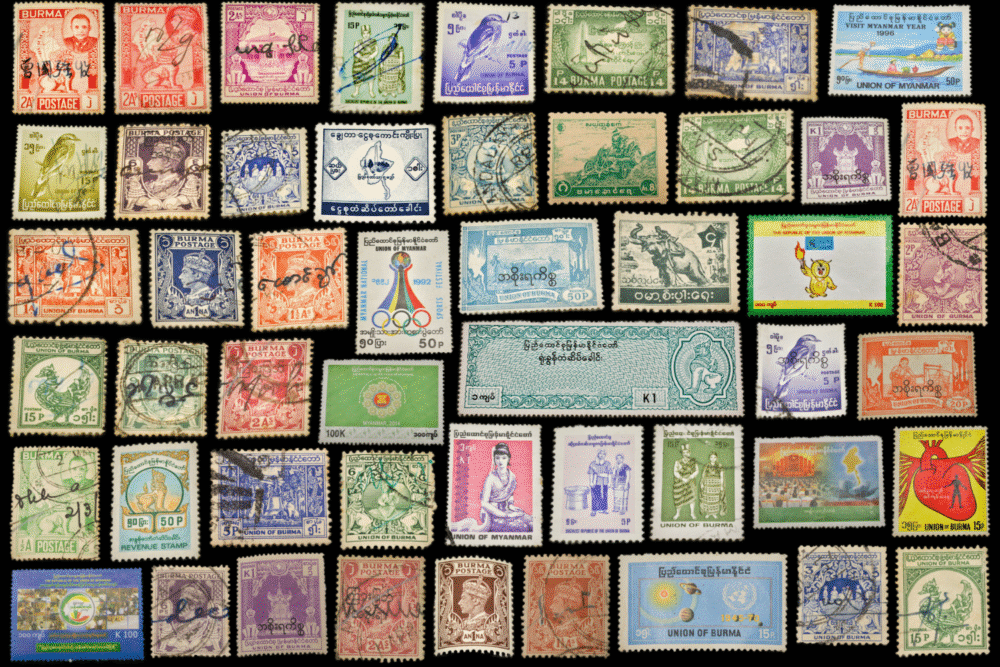
Old postcards evoke memories but don’t often yield investment returns. While they can jog memories of travels and exchanges, their market appeal remains low. The factors of age and aesthetic may create personal attachment, yet these elements rarely translate into noteworthy financial appreciation.
Collectors might cherish a tattered postcard from a distant relative, but its monetary value pales without market demand or historical relevance. Authenticity and rarity, critical in the collectibles market, generally evade these items. Instead, their abundance and varying conditions often lead them to languish in absence of substantial collector interest.
2. Mass-produced figurines often lack rarity needed for strong investment potential.

Mass-produced figurines rarely offer the rarity needed for profitable investments. Characters from TV shows or movies can bring fleeting joy to fans, but the vast quantity made available diminishes their financial potential. Here, rarity becomes currency, a quality hard to find in widely produced items.
A limited-edition figurine might capture collector fancy, commanding higher prices. However, most figures stay within the realm of daily enjoyment rather than substantial investments. Market saturation leads to overvaluation, making it easy to overpay in hopes the items will achieve appreciation contrary to reality.
3. Cheap costume jewelry usually doesn’t appreciate despite nostalgic appeal.

Cheap costume jewelry glints under light but seldom increases in value. While beads and metals may replicate more valuable peers, the cost to quality ratio typically remains skewed away from genuine appreciation. Sentimental charm may ensnare the heart, yet financial gain seldom follows.
A string of faux pearls might remind its owner of beloved memories, but lacks the substance to attract serious collectors. With limited market demand, their appeal is often fleeting, trapped in personal nostalgia rather than burgeoned by authenticity or rarity. Their ephemeral allure detracts from any enduring material worth.
4. Common trading cards without rarity or condition seldom increase in worth.

Common trading cards face difficulty in appreciating without essential factors like rarity and condition. Despite their colorful appeal and popularity among enthusiasts young and old, these cards may languish in drawers unless they hold intact rarity or historical significance.
A pristine card featuring a legendary sports figure or iconic character could attract collector gaze. Yet, those mass-produced suffer from oversupply and neglect, leaving financial gain elusive. Condition plays a significant role; lack of care or protective measures often results in depreciation alongside dwindling interest in newer renditions.
5. Promotional items from fast-food chains rarely develop lasting collector interest.

Promotional items from fast-food chains capture attention yet often fail as investments. Reflecting brief popular trends, they provide momentary excitement rather than longevity. Here, the buzz quickly dissipates post-promotion, leaving behind an oversaturated market.
A dated toy from a renowned chain might nestle in a drawer, but its financial growth remains stunted. Collectors prioritize documented rarity, authenticity, and time-honored appeal, undervaluing items arising from fleeting promotional efforts. Emotional nostalgia overshadows the practical demand or scarcity needed for lucrative reselling.
6. Inexpensive souvenir spoons often struggle to attract serious collectors.

Inexpensive souvenir spoons, though collectible, struggle to engage serious collector interest. These items recount places visited, often in attractive forms, yet remain economically stagnant. With their widespread production, the rarity needed for successful investment rarely materializes.
Collecting souvenir spoons mirrors the map of a traveler’s journey, but this charm fails to convert into significant monetary value. The market focuses on rarity and scarcity; abundant spoons rarely achieve this. Serious collectors may avert these items for more promising opportunities that extend beyond mere imagery or sentimentality.
7. Popular video game merchandise without limited editions rarely appreciates.

Popular video game merchandise without limited editions or exclusivity finds itself stationary in value over time. While a coveted gaming franchise will generate initial excitement, widespread distribution can preclude significant appreciation. This industry thrives on passionate fan engagement, yet lacks scarcity in abundance.
Exclusively numbered items may catch the discerning collector’s eye, crossing into investment territory. Yet, most merchandise remains tethered to its original purchase price. Gamers cherish these tokens of their favorite digital worlds, financially tethered by their pervasiveness and absence of unique differentiation.
8. Generic sports memorabilia without authentication or scarcity usually lacks value.

Generic sports memorabilia without authentication or scarcity often offers low investment returns. While fans cherish these as reminders of beloved teams or athletes, financial prospects depend greatly on legitimacy and rarity, not mass-market accessibility.
A signed ball authenticated by a renowned player captures collector attention and could appreciate favorably. However, items lacking such authenticity become mired in commonality, devoid of both distinctiveness and financial promise. Emotional attachment may lead to purchase, but without scarcity or verification, true value remains elusive, trailing genuine collector interests.