
Your money might not survive the war, even if you do.
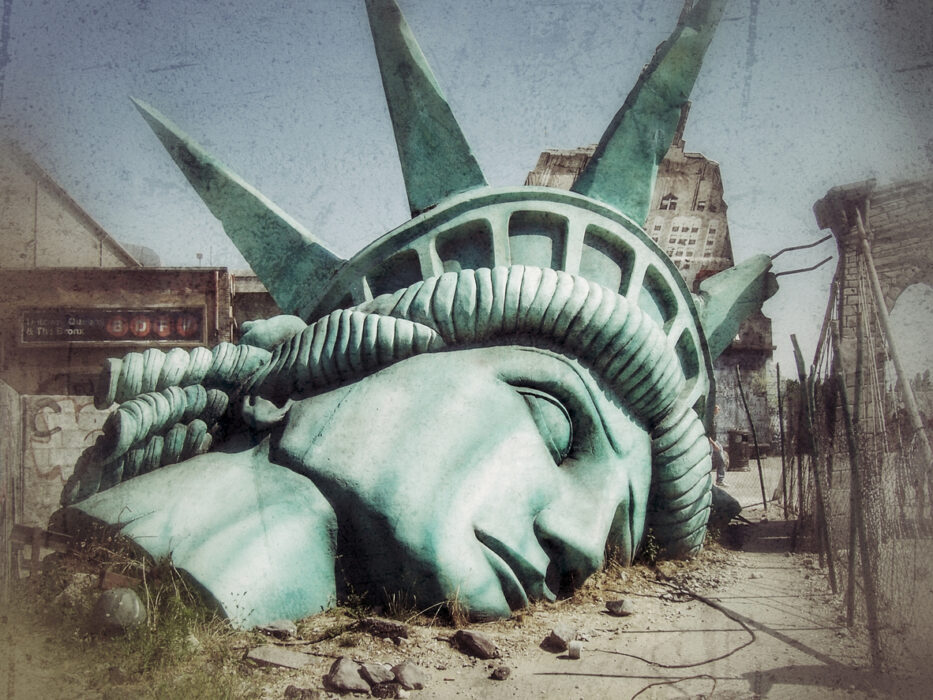
War has a way of ripping through economies long before the first boots hit the ground. When tensions escalate and missiles start flying, markets panic, supply chains collapse, and the entire financial system shudders. World War 3 might feel like a dystopian fantasy, but if it ever happens, your bank account, retirement plan, and paycheck could take a direct hit—without warning.
This isn’t about doomsday prepping in a bunker with canned beans. It’s about understanding how global conflict could sneak into your everyday financial life. Inflation could spike overnight, investments might become worthless, and even your job could vanish as industries grind to a halt. These nine financial gut punches could hit anyone, no matter how prepared they think they are. And while you might not be able to stop a world war, knowing how it could break your wallet might be the wake-up call you didn’t realize you needed.
1. Global markets would crash and wipe out your investments overnight.

The first casualty in any world war wouldn’t be on a battlefield—it would be in the stock market, according to Kenneth Rogoff at the International Monetary Fund. Investors hate uncertainty, and nothing rattles them like the outbreak of global conflict. Stocks, mutual funds, and even retirement accounts would plummet as panic sets in. It happened during past wars, and a third world war would likely make those crashes look mild by comparison.
Even “safe” investments like index funds and blue-chip stocks wouldn’t be immune. Military tensions would send markets into a tailspin, and algorithms would accelerate the damage by dumping shares faster than you can log into your trading app. Retirement savers who’ve spent decades building their nest egg might see years of gains wiped out in hours. While markets might recover eventually, most people won’t have the luxury of waiting that long.
2. Currency values would swing wildly and crush your purchasing power.
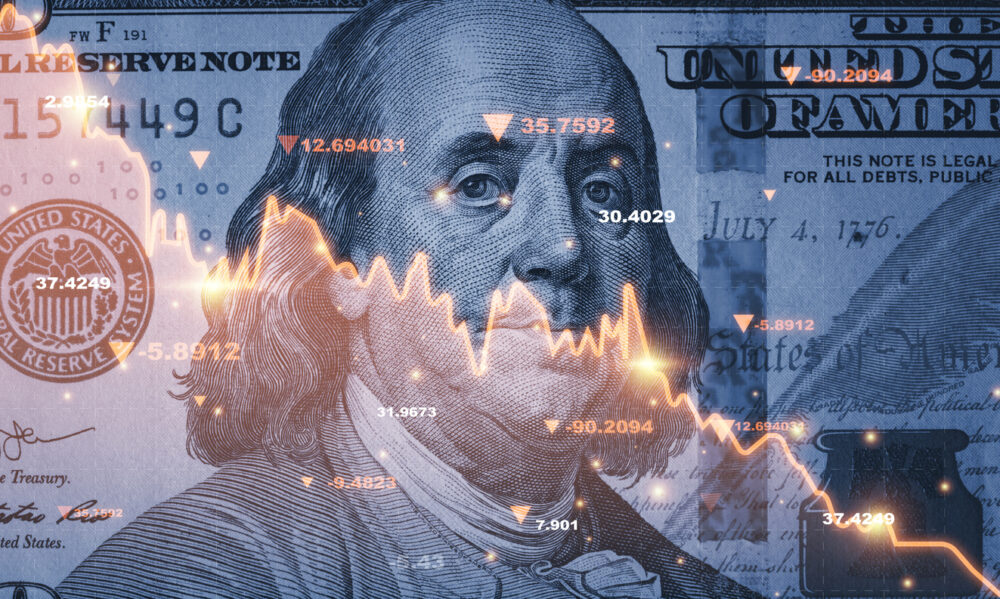
In a global war, currencies become weapons. Central banks scramble to prop up their economies, print money, or defend against capital flight. That means the dollar might suddenly drop in value—or spike—depending on what’s happening politically and militarily, as reported by George J Hall at PubMed Central. But either way, your paycheck won’t go as far, and imported goods could become insanely expensive.
Hyperinflation could become a very real threat. If war causes oil shortages, shipping disruptions, or collapses in manufacturing, basic items could cost two to three times what they do now. Even if you’ve been financially stable, that kind of price surge can demolish a household budget. Your savings might technically still exist, but what you can buy with them would shrink dramatically.
3. Supply chain chaos would make everyday items unaffordable.
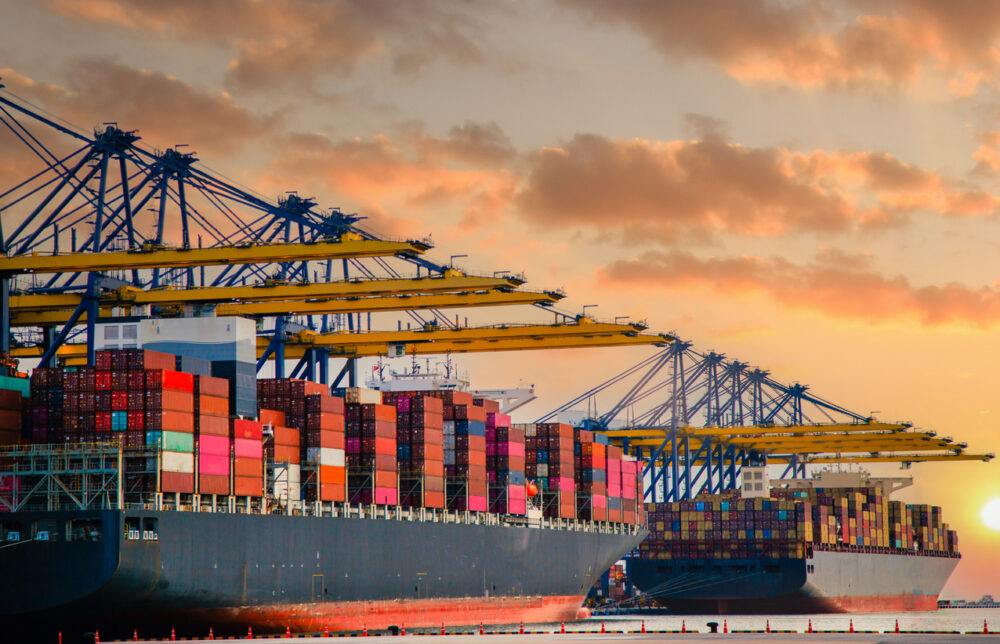
We’ve already seen how a ship stuck in the Suez Canal can disrupt global supply. Now imagine what happens when ports are bombed, airspace is closed, and international trade grinds to a halt. Goods like food, medicine, and electronics could vanish from shelves—and what’s left would skyrocket in price, as stated by Abu Rayhan at Research Gate.
For consumers, this would be a nightmare. Need a replacement part for your car? Expect a six-month delay and double the cost. Groceries could get sparse, and tech gadgets might become luxury items again. This level of disruption doesn’t just affect convenience—it hits your wallet hard. It turns budgeting into a guessing game and forces tough decisions about what’s worth spending on.
4. Interest rates could spike, crushing mortgages and loans.

In times of war, governments often raise interest rates to stabilize their economies or fight off inflation. That means any debt you have—credit cards, auto loans, mortgages—could get way more expensive. Even fixed-rate mortgages might not protect you if war triggers a financial system reset or forces banks into emergency policy changes.
Imagine paying double your current mortgage interest because of war-induced rate hikes. Suddenly, what was a manageable monthly payment becomes a financial chokehold. And good luck trying to refinance or take out a loan in that environment—lenders tighten up fast when uncertainty hits. This isn’t just theoretical. In every major global conflict, borrowing becomes more difficult and more painful.
5. Job loss would skyrocket across most non-defense industries.

If you don’t work in defense, healthcare, or emergency infrastructure, your job could be in serious danger. War doesn’t just shift national priorities—it pulls money, talent, and attention away from “non-essential” sectors. Companies cut staff, pause projects, or shut down entirely when wartime economies take over.
Even jobs that seem stable today—tech, education, entertainment—might suddenly become luxury services no one can afford. Mass layoffs and hiring freezes could hit fast, and unemployment benefits may not stretch far in a wartime economy. Losing your income during a conflict doesn’t just sting—it could mean complete financial ruin if you’re not prepared.
6. Cyberattacks could empty your accounts and wreck financial institutions.

Modern wars don’t just involve bombs and bullets—they include keyboards and code. Cyberattacks on banks, investment platforms, and payment processors could erase balances, delay transactions, or expose your data. Hackers aligned with enemy states might crash financial systems as a tactic of war, leaving you unable to access money when you need it most.
Imagine going to withdraw cash and discovering your bank’s entire network is down—or worse, your account has been drained due to a breach. Even if insurance covers the loss, that process could take months. During war, every delay can feel like a crisis, especially if it affects food, shelter, or transportation. Your finances could disappear with the click of a malicious mouse.
7. War taxes and asset seizures could hit even average citizens.

When governments need cash fast to fund a war, they often turn to the public. Emergency taxes, wealth levies, or even temporary seizures of assets aren’t uncommon in large-scale conflicts. Think savings accounts, investment portfolios, or property being tapped to “support the national effort.” History has plenty of examples.
If you’ve worked hard to build financial security, this kind of government overreach can feel like betrayal. But during global war, normal rules go out the window. The money you thought was safe might be redirected to tanks and drones. And saying no won’t be an option when laws shift in the name of national survival. Your wealth could become someone else’s war fund.
8. Insurance might stop covering major losses or go bankrupt entirely.

When war becomes the backdrop, insurance companies panic. Many policies have “acts of war” exclusions, meaning if your home, car, or business is damaged during a conflict, you’re on your own. Even if you’re not directly in a war zone, the economic ripple effect could cause insurers to pull out of regions, deny claims, or go belly-up under the weight of payouts.
If your financial safety net is built on insurance policies, that safety could vanish at the worst time. Flooded claims systems, increased fraud, and tightened policies would make it harder to recover from personal disasters. The irony? You paid your premiums faithfully for years—and still ended up empty-handed when it mattered most.
9. Real estate could crash or become impossible to buy or sell.

In war, mobility becomes scarce. People don’t move, banks stop lending, and housing markets freeze. If you’re trying to buy a home during a global conflict, good luck finding financing—or a seller willing to negotiate in a collapsing economy. If you already own property, its value could tank, and buyers could vanish entirely.
Wartime uncertainty also drives people out of cities and into perceived safe zones, which means your neighborhood could suddenly boom or bust without warning. Investors pull out, developments halt, and property taxes might rise to cover public costs. For many, real estate will go from being their greatest asset to a frozen liability they can’t unload.