
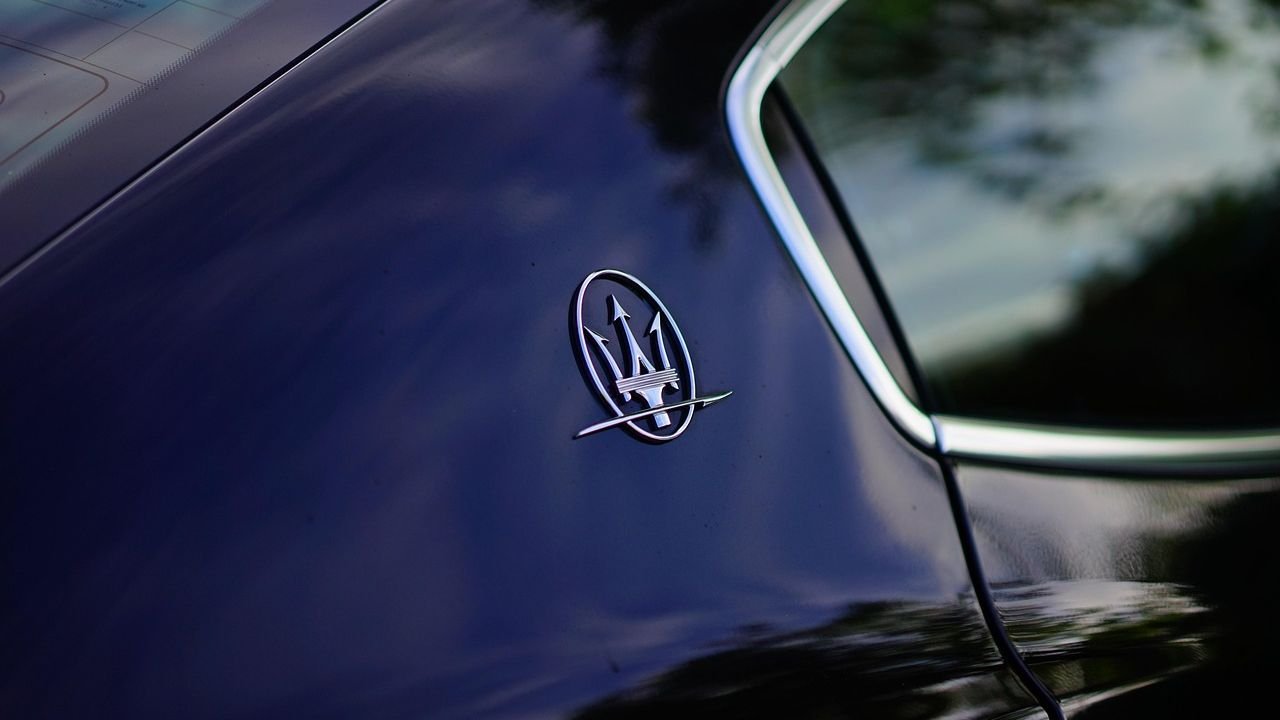
There’s a quiet revolution happening in the world of luxury. Not on runways. Not in flashy ad campaigns. Somewhere far more subtle, more private, more coded. While mainstream shoppers still chase monograms and recognizable logos, a different kind of consumer has moved on entirely. These are the people who genuinely don’t need to announce anything.
The brands they wear, carry, and collect are almost invisible to most eyes. No oversized logos. No loud color-blocking. Just extraordinary material, unforgiving craftsmanship, and a kind of insiders-only recognition that feels more exclusive than any billboard campaign ever could. Curious which brands make this ultra-exclusive list? Let’s dive in.
Why the Logo Is No Longer the Point

Seminal research by Han, Nunes, and Drèze demonstrated how consumers signal status with more or less conspicuous branding depending on the audience they want to impress or avoid. Honestly, that research feels more relevant right now than ever. The wealthiest consumers have quietly moved to a different frequency.
Status is increasingly signaled not through conspicuous branding but through subtle, exclusive markers identifiable only to those with the cultural capital to decode them. This transformation is often referred to as “quiet luxury” or “stealth wealth,” reflecting a broader evolution in consumer behavior. Think of it like a secret language. If you know, you know. If you don’t, you were never meant to.
Fifty million luxury consumers exited the market between 2022 and 2024, according to a report from Bain & Company. That’s not a small number. It’s a seismic shift. A McKinsey 2024 consumer sentiment survey reported that more than 60 percent of high-income shoppers are favoring quality-over-quantity buying behaviors. The era of loud luxury is giving way to something far more refined.
1. Loro Piana – The Cashmere Kingdom Nobody Talks About

Here’s the thing about Loro Piana: it is arguably the most expensive brand that most people have never heard of. That’s entirely by design. Unlike brands that invite celebrities to endorse them or advertise heavily, Loro Piana’s clothing designs lack conspicuous logos. There’s a tiny interior label. That’s it.
The Italian house, founded in 1924, built its reputation on sourcing the world’s finest fibers, including vicuña, baby cashmere, and proprietary wools. Their pieces cost astronomical sums yet remain visually understated. A Loro Piana cashmere blazer might run $5,000 but features no visible branding beyond a tiny interior label.
Baby cashmere, harvested once in a goat kid’s lifetime, yields approximately 30 grams per animal. Vicuña wool, sourced from wild camelids in Peru, sells for over $3,000 per yard. That’s not a typo. Bain & Company’s 2024 Luxury Report reveals that personal luxury goods experienced their first contraction in 15 years, yet Loro Piana thrived with double-digit growth. When everyone else slows down, Loro Piana accelerates.
Silicon Valley bigwigs often wear Loro Piana’s basic, brand-less base layers. The richest people in the world choose clothes that look almost ordinary to everyone else. That’s the whole point.
2. Brunello Cucinelli – The Billionaire’s Uniform
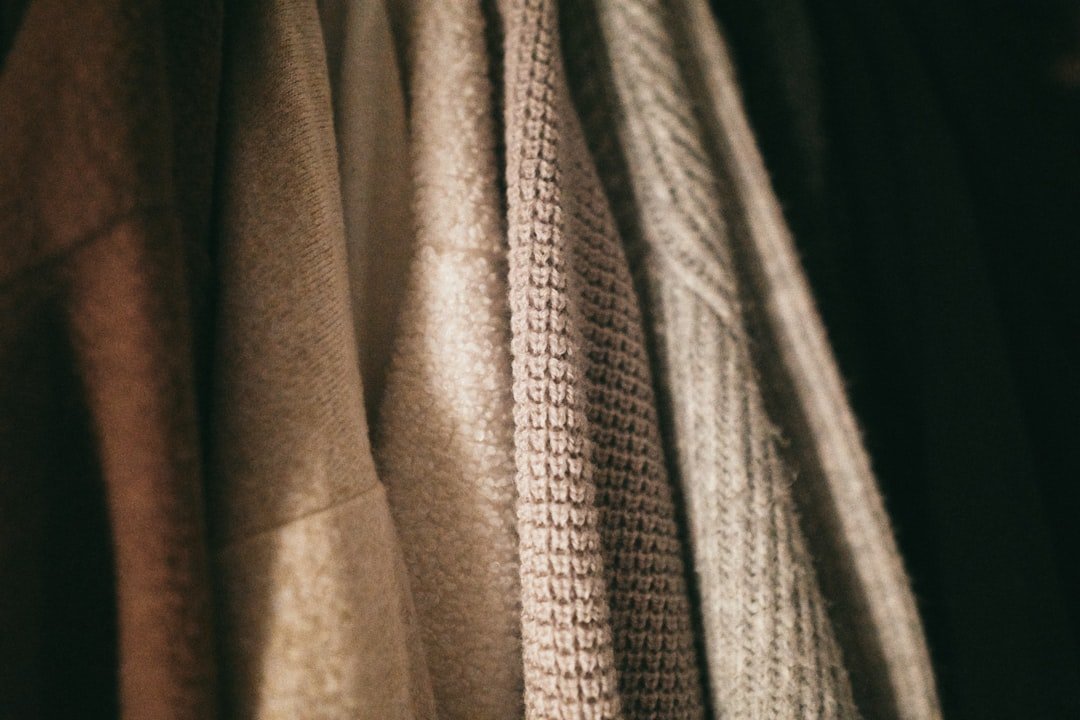
If you’ve ever wondered what Jeff Bezos or Mark Zuckerberg are actually wearing in those casual photos, it’s often Brunello Cucinelli. Cucinelli is famous all over the world for its cashmere sweaters, for its completely neutral and anonymous total looks, worn by Bezos and Zuckerberg, who the designer has signed all the gray t-shirts he wears, as well as by half of the powerful of Silicon Valley.
Brunello Cucinelli transformed cashmere into philosophy. Founded in 1978 in Solomeo, Italy, the brand champions “humanistic capitalism” – fair wages, dignified working conditions, and sustainable production. It’s not just a sweater. It’s a belief system with a price tag.
Brunello Cucinelli continues seeing steady growth despite broader retail volatility, largely due to its commitment to minimalist design and exceptional materials. The brand sources only the finest cashmere from Inner Mongolia and Mongolia, selecting only the best from the neck and belly regions, hand-collected and hand-dyed with plant dyes. The garments are handmade by the finest Italian craftsmen, making each cashmere piece a unique collectible. That level of obsession with raw material quality is extraordinarily rare.
3. Hermès – Accessible by Name, Impossible in Practice
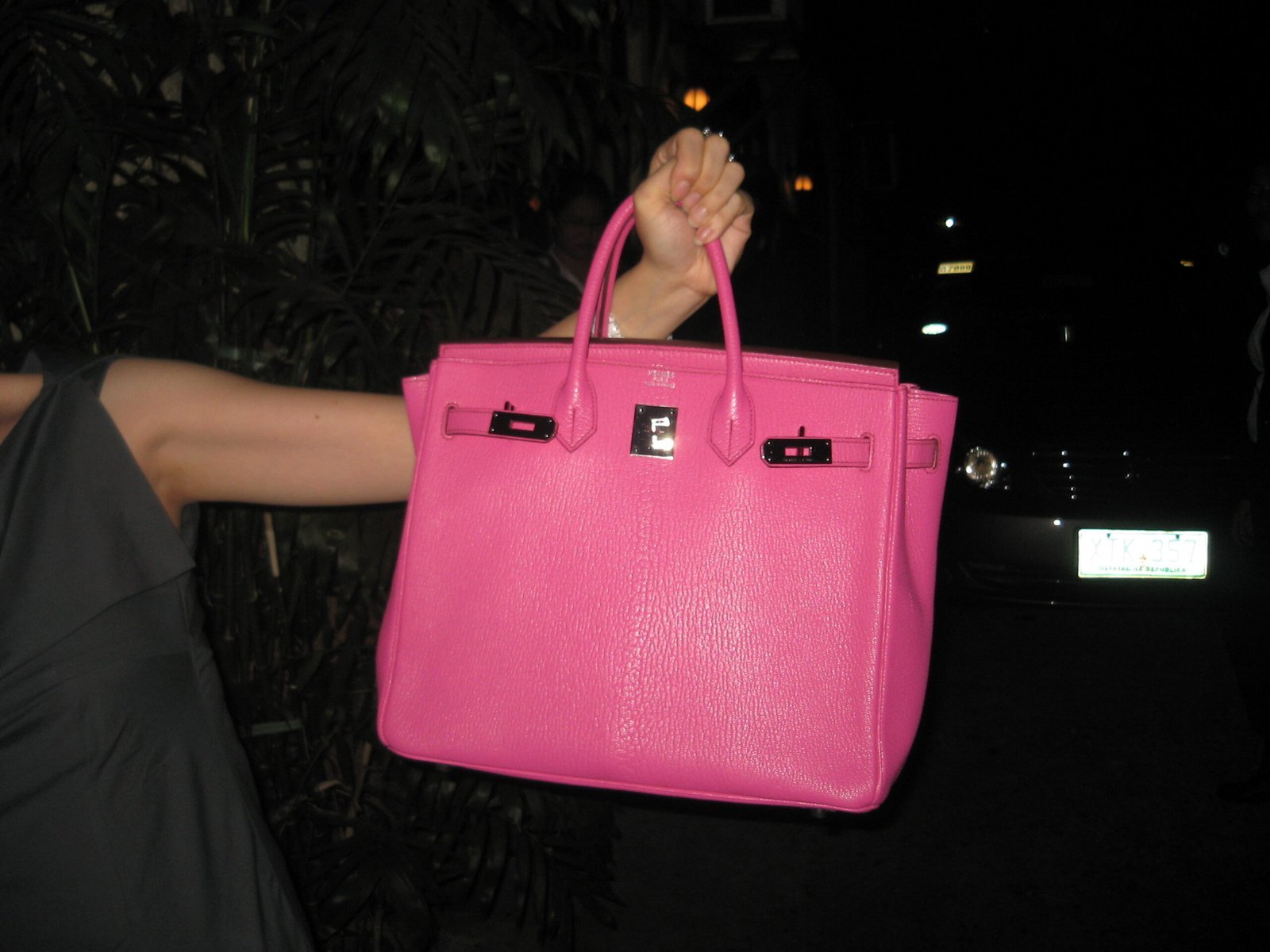
Let’s be real: nearly everyone has heard of Hermès. Yet it belongs on this list precisely because actually owning a Birkin or Kelly bag remains one of the more genuinely exclusive experiences in modern retail. Having a Hermès Birkin was once the litmus test for being extremely wealthy, with year-long wait-lists and eye-popping price tags. The purse was the ultimate symbol of luxury.
What makes Hermès quiet luxury is almost paradoxical – it is extremely expensive yet subtle. A $15,000 Birkin has no visible logo, just a small stamped “H.” The luxury is in knowing, not showing. That single stamped letter on a bag that costs more than most people’s cars is such a perfect encapsulation of this entire movement.
Hermès posted robust growth through 2024-2025, including plus thirteen percent sales growth in Q2 2024, with resilience continuing into 2025 despite sector headwinds. Rolex reserves certain models like the Daytona or GMT-Master II for longstanding clients, and such practices create hierarchies even among the wealthy. Hermès operates in a similar vein: exclusivity is weaponized, not advertised.
4. Bottega Veneta – When the Weave Becomes the Logo
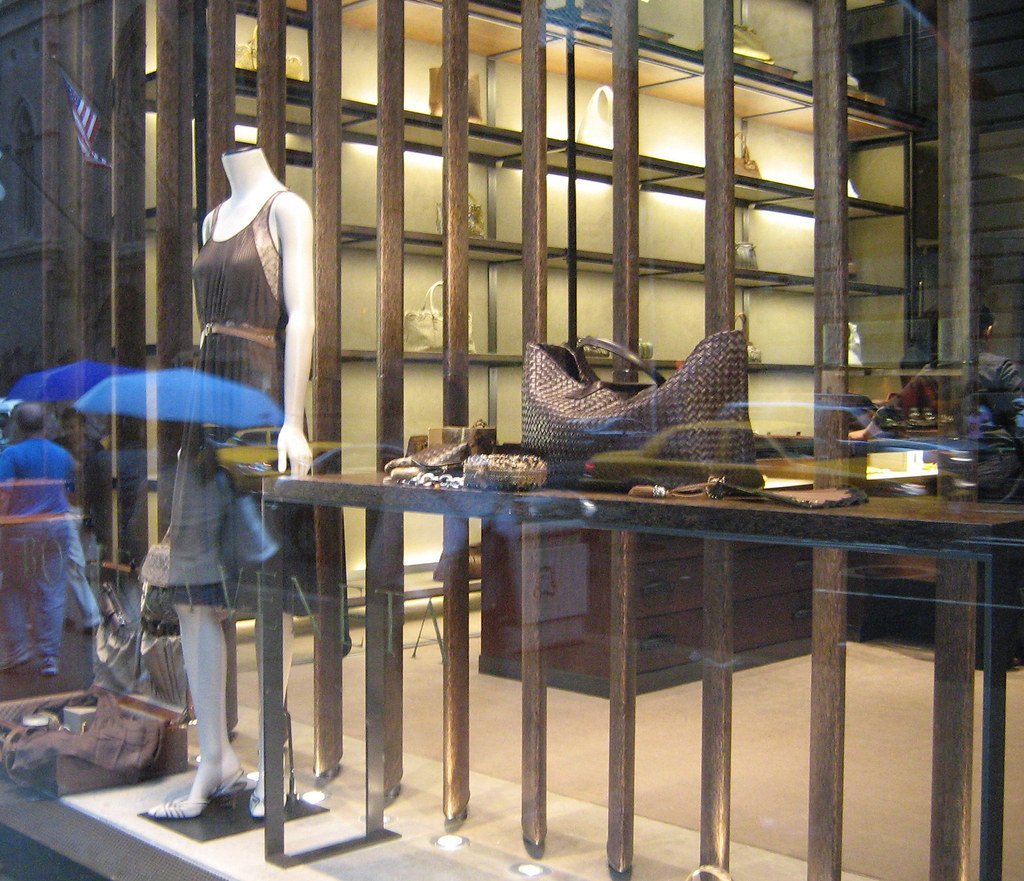
No logo. No monogram. Just an extraordinarily intricate woven leather technique that insiders recognize from across a crowded room. Bottega Veneta, under former creative director Daniel Lee, mastered this by replacing logos with intricate leather weaving techniques. Its “Pouch” bag became a status symbol precisely because it lacked obvious branding – a signal decipherable only within elite circles.
Bottega Veneta deliberately omits visible logos to cultivate timelessness and elevate perceived brand value. That’s a genuinely bold business decision when you think about it. Most brands fight for recognition at a distance. Bottega Veneta decided that if you need to squint to see the branding, that’s actually better.
Bottega Veneta’s logo-free approach has set an industry standard for quiet luxury branding. In resale performance, Bottega Veneta made it to the top ten of most-searched brands, overtaking Burberry and Balenciaga. The market has spoken clearly: understated wins.
5. The Row – The Most Expensive Garments Nobody Will Notice
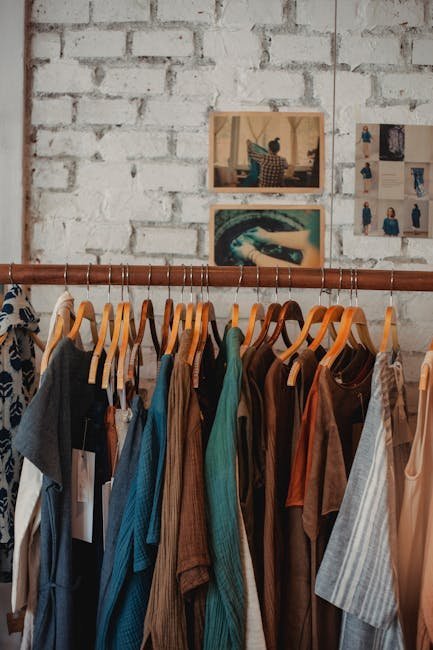
The Row was founded by Mary-Kate and Ashley Olsen in 2006. It is, I think, one of the most interesting brand stories in modern luxury. Nobody talks about it loudly. Its fans defend it fiercely, almost privately. And its prices are absolutely staggering for how utterly unassuming everything looks.
The Row has seen increasing interest from younger luxury shoppers, particularly those embracing stealth wealth and quiet luxury trends. Gen Z and millennials admire The Row for its authenticity, focusing on quality over trends, which aligns with their growing preference for sustainable, long-lasting fashion.
The brand’s Margaux bag is arguably the it-bag of 2024, with resale value up 44 percent compared to previous year data from The RealReal. Margaux bags sold on The RealReal for an average of 15 percent over the original retail price, even when offered pre-loved. That’s a remarkable resale premium for a bag with virtually no visible branding. The 2024 opening of a boutique in Amagansett signals The Row’s understanding of its core customer. Hamptons summer residents – the quietly wealthy who summer east of the highway – represent the ideal demographic.
6. Patek Philippe – The Watch Your Grandchildren Will Fight Over
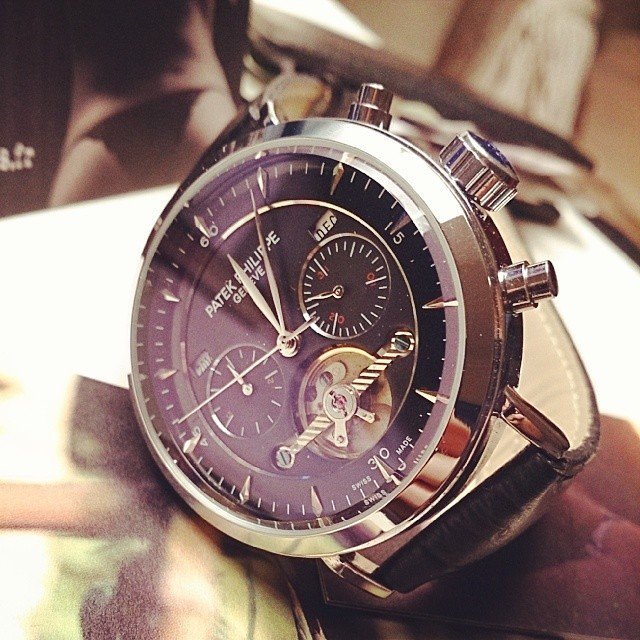
There are expensive watches, and then there is Patek Philippe. The difference isn’t just price. It’s an entirely different philosophy about time, ownership, and legacy. The Calatrava is a symbol of understatement, and the famous brand message “You never actually own a Patek Philippe. You merely look after it for the next generation” fits perfectly. It’s not about a quick gain in prestige, but about lasting values that are passed down through generations.
The Nautilus has become a status symbol with demand far outpacing supply and secondary market prices often exceeding retail by several multiples. This scarcity, paired with Patek Philippe’s meticulous craftsmanship and nearly two centuries of heritage, elevates its watches to the highest echelon of desirability.
In the world of quiet luxury accessories, Patek Philippe, A. Lange & Söhne, and Jaeger-LeCoultre are favored over flashier alternatives. These timepieces emphasize exceptional movements, understated dials, and designs that connoisseurs recognize but that don’t announce themselves loudly. The Patek Philippe Calatrava or A. Lange & Söhne maintains discretion while signaling serious wealth to knowledgeable observers. That’s the whole game.
7. Loewe – The Quietly Ascendant Spanish House
If you’ve noticed more editors and fashion insiders suddenly carrying certain sculptural leather pieces but couldn’t quite identify the brand, that’s probably Loewe. Loewe is a Spanish luxury fashion house renowned for its exceptional leather craftsmanship. Its reputation is built upon decades of experience in leather craftsmanship. The brand’s commitment to traditional leatherworking combined with modern innovation has resulted in products that are both timeless and contemporary.
Loewe experienced a boost in searches of roughly 59 percent on The RealReal resale platform in 2023, a signal that a genuinely informed luxury buyer was paying attention. Resale search spikes like that don’t happen without strong underlying demand from people who actually know what they’re doing.
Loewe’s artisans meticulously handcraft each piece, ensuring the highest quality and attention to detail, helping maintain luxury resale value on the secondhand market. Still relatively unknown to the general public, Loewe occupies that rare sweet spot where the taste-makers know, and nearly everyone else is still catching up.
8. Valextra – The Brand Only Insiders Know by Name
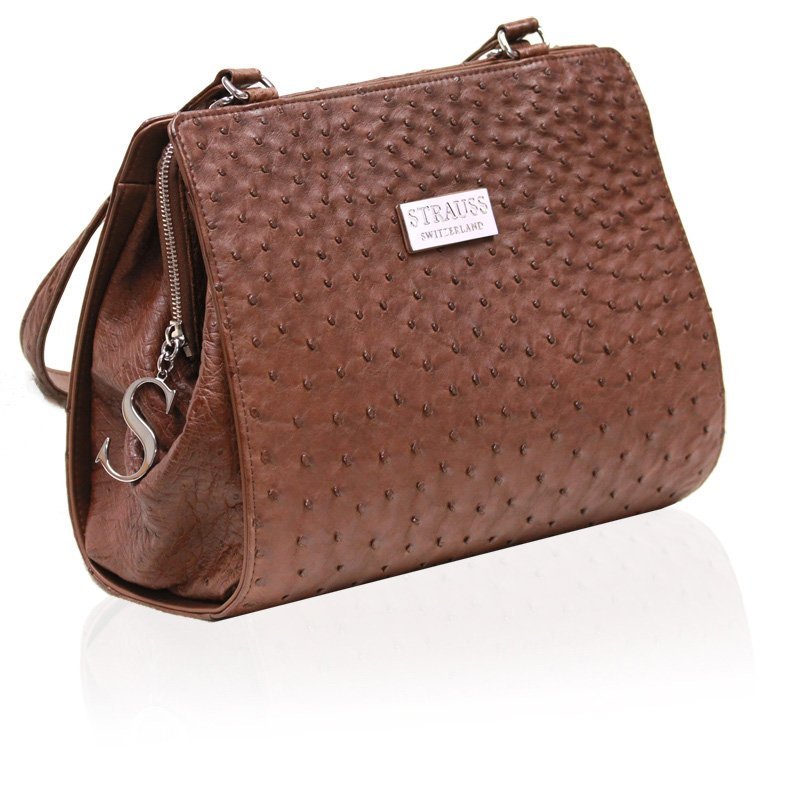
Valextra might be the purest expression of the entire quiet luxury philosophy. Founded in Milan in 1937, it makes bags and leather goods of extraordinary quality with absolutely zero visible branding. None. Brands like Valextra and Bottega Veneta offer impeccable craftsmanship in classic designs. The focus for quiet luxury bags remains on quality leather that develops patina, hand-stitching, and timeless shapes that transcend trends.
It’s almost impossible to describe a Valextra bag without resorting to words like “architectural” or “pure.” The boxes are clean, the shapes geometric, and the leather develops this extraordinary, personal patina over years of use. The bag literally becomes yours in a way fast fashion never could. Vintage Cartier Tank watches suggest inherited wealth, while Hermès belts without H buckles, Bottega Veneta woven leather goods, and Valextra document holders complete the stealth wealth picture.
According to the 2024 Deloitte Global Fashion & Luxury Report, high-net-worth consumers increasingly prefer brands that communicate “intellectual luxury” – where rarity, craftsmanship, and heritage supersede logos or hype. Valextra is perhaps the most literal expression of that research finding available on the market today.
The Psychology Behind Not Showing Off
So why does any of this matter? It’s worth stepping back and understanding why an $800 cashmere baseball cap with no logo could be a more powerful status signal than a bag covered in monograms that everyone recognizes. According to Pierre Bourdieu’s theory of cultural capital (1984), individuals use cultural knowledge and taste to signal their class position. In the context of quiet luxury, the ability to discern and appreciate subtle luxury items becomes a way of signaling that you belong to the upper echelons of society. It’s not just about having money – it’s about having the right kind of knowledge and taste.
These brands allow wealthy individuals to signal status exclusively to their peers while remaining invisible to broader audiences. Research on luxury consumption reveals that inconspicuous consumption functions as in-group identification. The cashmere baseball cap that costs $800 looks ordinary to most but signals insider knowledge to fellow elite.
Rather than broadcasting their wealth through recognizable symbols, high-status consumers engage in refined consumption practices that require specialized knowledge to decode. These discreet signals enable individuals to navigate elite social circles while maintaining a level of exclusivity that mass consumers cannot easily access. The code is the product. Knowing the code is the status.
What This All Means for the Future of Luxury

The world of luxury is genuinely at an inflection point. Fifty million luxury consumers exited the market between 2022 and 2024. At the same time, the truly ultra-wealthy kept spending, just differently. The 2024 Bain luxury market study found that more than 70 percent of younger luxury buyers consider craftsmanship and material quality as the top factor influencing repeat purchases.
In a world overflowing with noise, quiet luxury branding is winning by doing less, but doing it better. As consumer tastes mature and technology allows for more personalized, direct communication, the brands that will thrive are those that understand understatement is the new status symbol.
Quiet luxury in 2026 represents a holistic lifestyle philosophy extending far beyond fashion into automobiles, interiors, travel, technology, and personal values. It has moved decisively beyond a fashion trend into something more fundamental, a shift in how success and taste are expressed at the very top of the wealth ladder. The logo is no longer the point. It never really was.
What’s your take on this shift? Has the era of the quiet flex truly replaced the loud logo – or do you think the monogram still holds its own? Share your thoughts in the comments.