Why Dupe Culture Can Be a Smart Money Strategy—If You Avoid These Costly Mistakes

In a world of influencers and luxury logos, the dupe has become a quiet rebellion.

©Image license via Canva

In the brightly lit world of social media, where luxury goods are flaunted as markers of success, a fascinating counter-movement has taken hold. It’s called “dupe culture,” a digitally native phenomenon where consumers actively seek out and celebrate affordable alternatives to high-end products, from Stanley cups and Lululemon leggings to designer handbags. What might seem like a simple hunt for knockoffs is actually a more nuanced consumer strategy.

This is more than just a trend; it’s a statement about value, a rejection of the idea that a logo is worth a thousand-dollar markup. It’s a smart financial strategy for navigating an expensive world, but only if you do it thoughtfully and avoid the costly mistakes that can turn a smart buy into a bad one.

Read more

The New “Junk-Fee” Rule Hotels & Ticket Sites Don’t Advertise—and How It Puts Cash Back in Your Pocket

The price you see is finally the price you’ll pay.

©Image license via Canva

For years, the online booking experience has been a masterclass in deception, a frustrating game of bait-and-switch where the price you are first shown is rarely the price you actually pay. This practice of “drip pricing,” where mandatory fees for everything from “resort services” to “ticket processing” are dripped in at the very end of the checkout process, has been a scourge on consumers.

But the game has just changed. A new federal “junk fee” rule has finally taken effect, forcing a radical transparency on the hotel and live event industries. The era of the surprise fee is over, and understanding how this new rule works is the key to ensuring you are never overcharged again.

Read more

Do Large SALT Deductions Primarily Benefit the Wealthy? 8 Things Everyday Taxpayers Should Understand About These Tax Changes

Learn how state and local tax deduction limits affect different income levels and what these policy changes mean for your tax planning strategy.

©Image license via iStock

The state and local tax (SALT) deduction allows taxpayers who itemize to deduct certain state and local taxes from their federal taxable income. These include property taxes, state income taxes, and state sales taxes. When deduction limits are imposed or removed, the changes don’t affect all taxpayers equally, often creating different outcomes based on income level, location, and homeownership status.

Understanding SALT deduction policies helps you evaluate how tax changes might affect your specific situation and plan accordingly. These deductions interact with other tax provisions in complex ways, making it important to understand both the direct effects and broader implications for tax policy and regional economic differences across the country.

Read more

These Financial Storms Are Heading to Your Wallet—Protect Yourself Now

The economic forecast for the rest of 2025 is looking increasingly turbulent.

©Image license via Canva

After a period of relative calm, a new set of financial storm clouds is gathering on the horizon. A number of economic and political pressures are converging that could have a direct and painful impact on the wallets of everyday American families. From a potential resurgence of inflation to a volatile housing market, the financial waters are about to get choppy.

Now is the time to check on your financial lifeboats and to make sure you are prepared for the coming turbulence.

Read more

9 Reasons Buy-Now-Pay-Later (BNPL) for Groceries is a Debt Trap

The normalization of debt for daily bread is a dangerous financial frontier.

©Image license via Canva

In the ever-expanding universe of consumer credit, a new and unsettling frontier has opened: your grocery aisle. The Buy Now, Pay Later (BNPL) services that first took root in fashion and electronics have now crept into the most essential category of human spending. The ability to split the cost of your milk, eggs, and bread into four interest-free payments is being marketed as a flexible, modern way to manage your cash flow.

But this convenience masks a perilous financial trap. The application of installment debt to everyday consumables—items that are gone long before they are paid for—is a fundamental shift in our relationship with money. It’s a practice that encourages poor financial habits and can quickly spiral into a cycle of debt for those who can least afford it.

Read more

9 Grocery Items Likely to Remain Budget-Friendly Amid Rising Tariffs

Navigating the checkout aisle when global economics gets personal.

©Image license via Canva

In the grand theater of global trade, where tariffs are wielded like chess pieces by world leaders, the consequences often land with a quiet thud in the most mundane of places: your grocery cart. The intricate dance of supply chains and import taxes can feel distant, until the price of your favorite coffee or fruit suddenly climbs.

Yet, not all foods are caught in this economic crossfire. A strategic approach to your shopping list can insulate your wallet from the shocks of international markets, focusing on staples that are reliably homegrown, hearty, and less susceptible to the whims of geopolitical tensions.

Read more

Do These Things To Stop Overpaying for Auto Insurance Because of Tariffs

How global trade wars are quietly inflating your car insurance.

©Image license via Canva

In the complex ecosystem of your personal finances, your auto insurance premium can often feel like a black box, a number calculated by mysterious forces beyond your control. You might blame your driving record, your zip code, or even your age, but a powerful and often invisible factor is now at play: global trade policy.

The tariffs imposed on imported steel, aluminum, and a host of other automotive parts have created a ripple effect that ends directly in your insurance bill. As the cost to repair vehicles climbs due to these taxes on foreign components, insurers are passing that expense directly on to you. Stopping this overpayment requires a proactive stance against a problem that starts thousands of miles away.

Read more

Will “Pay with Crypto” at Checkout Actually Save You Money?

The crypto dream of everyday payments meets the harsh reality of the checkout line.

©Image license via Canva

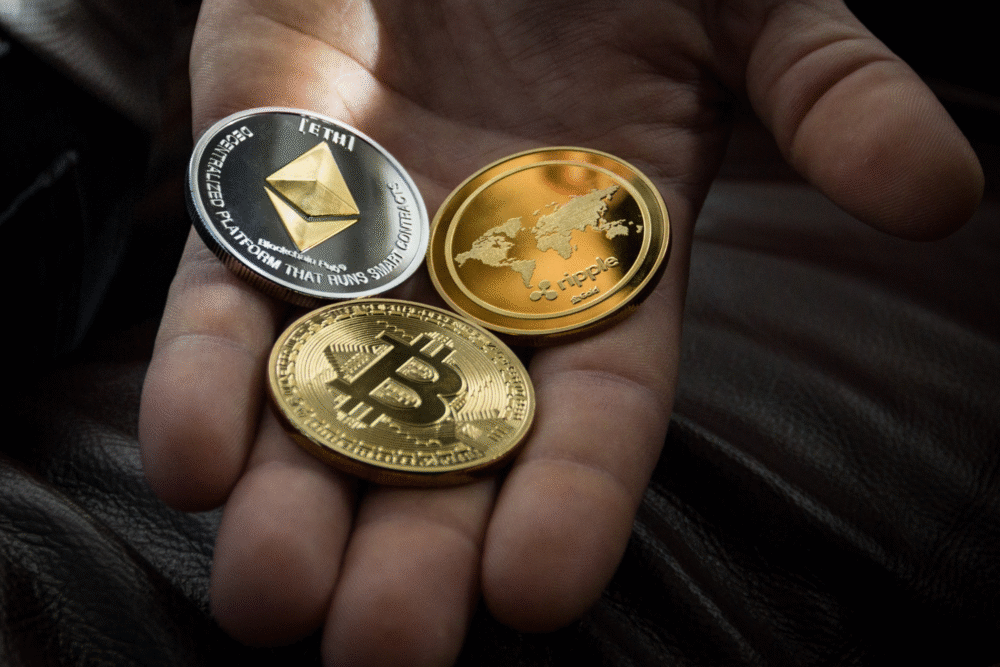
For years, the prophets of cryptocurrency have preached a gospel of decentralized finance, a world where we could break free from the shackles of traditional banks and transact directly with one another. The ultimate expression of this vision is the simple act of buying a cup of coffee or a new pair of shoes with crypto. The “pay with crypto” button is now appearing on more checkouts, promising a glimpse of this futuristic economy.

But behind the utopian promise lies a thicket of practical and financial complications. For the average consumer, the question is not whether you can pay with crypto, but whether you should. The reality is that for most everyday purchases, using crypto is a financially complex and potentially costly choice.

Read more