
Understanding the inverse correlation between gold prices and the U.S. dollar value is key for investors.
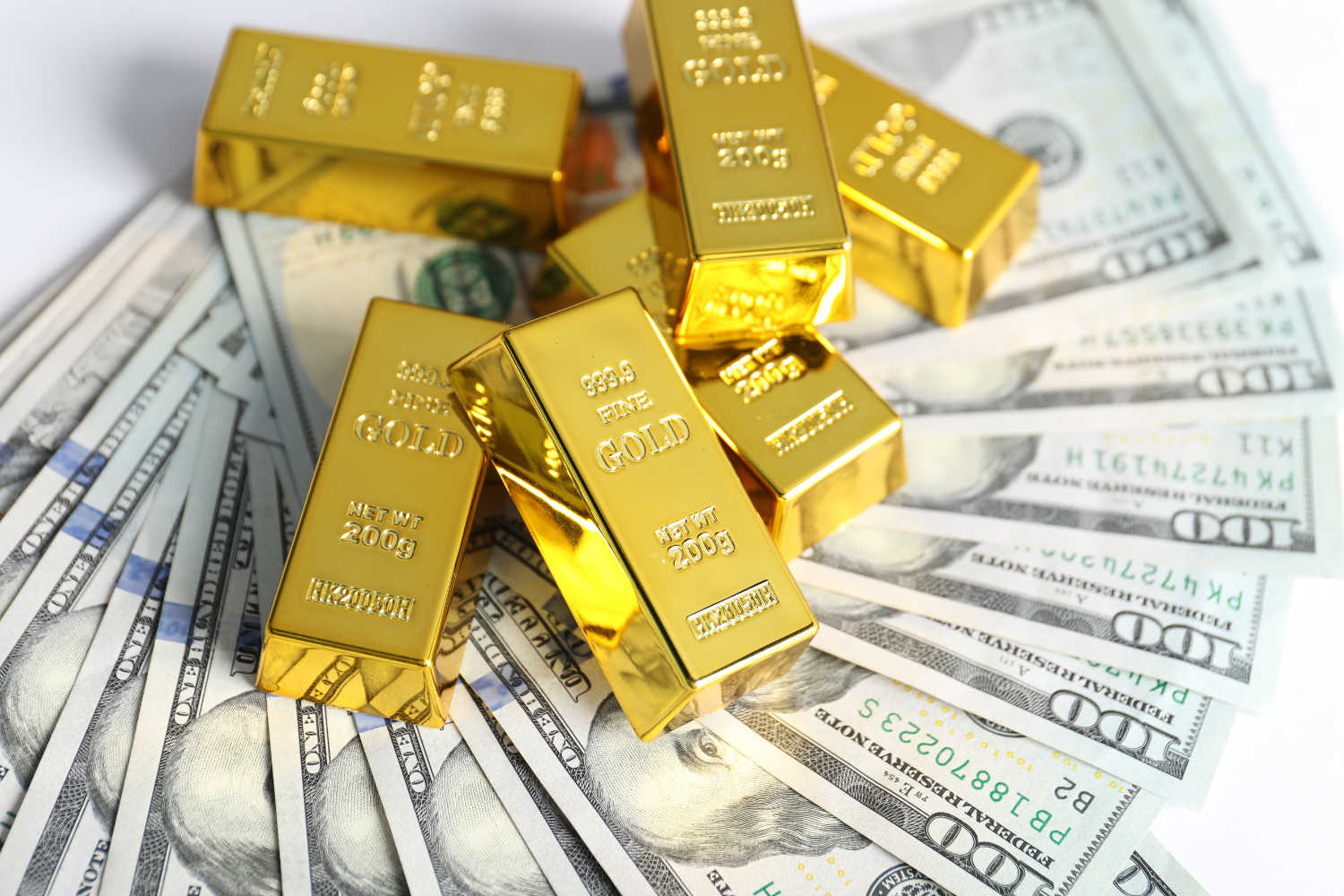
Gold and the U.S. dollar often move in opposite directions due to a complex relationship influenced by economic factors such as inflation, interest rates, and geopolitical events. When the dollar weakens, gold can become more attractive as a stable store of value or inflation hedge. However, this inverse correlation is not absolute and depends on broader market conditions and policy decisions, according to insights from the Federal Reserve and the International Monetary Fund.
1. Inflation expectations influence gold prices and the U.S. dollar value.

Inflation expectations shape both gold prices and the U.S. dollar value. When inflation rises, people tend to see gold as a hedge, boosting its allure. Meanwhile, the dollar can lose appeal, as its purchasing power erodes amid rising prices and economic adjustments.
Uncertainty about future inflation can amplify this effect, influencing investment decisions. For example, a surge in expected inflation might propel investors toward gold while sidestepping currency risks. This dynamic interaction underscores the importance of understanding inflation’s role in the financial landscape.
2. Interest rate changes impact the attractiveness of gold versus dollars.

Interest rate changes tweak the attractiveness of gold versus the U.S. dollar. Higher interest rates typically make the dollar more appealing, as investors chase returns. Conversely, low rates can diminish the dollar’s appeal, turning attention toward gold’s stability.
As rates rise, borrowing costs increase, focusing on short-term gains over more secure investments like gold. An investor might pivot to dollars, balancing the trade-offs. This interplay explains why interest rate decisions can ripple through investment portfolios, subtly shifting preferences.
3. Economic uncertainty drives investors toward gold as a safe haven.

Economic uncertainty pushes investors to seek gold as a safe haven. During unstable periods, gold’s perceived security grows, offering a refuge from volatility. When markets tremble, the yellow metal often shines, capturing wary investors’ attention despite its non-yielding nature.
In times of crisis, the stability of gold provides a welcome contrast to fluctuating currencies. Consider a recession scenario where investor anxiety escalates, nudging portfolios toward gold. Such conditions demonstrate its enduring appeal when financial markets waver.
4. Strengthening dollar reduces gold buying power for international buyers.

A strengthening dollar reduces gold buying power for international buyers. When the dollar appreciates, gold typically becomes more expensive worldwide. Foreign investors often scale back purchases, affected by currency exchange shifts and potential budget constraints.
As global buyers adjust, this can impact gold’s demand and pricing subtleties. Picture a robust dollar dampening interest abroad, prompting sellers to reconsider positions. Understanding these dynamics highlights how currency values influence market reach and global trade patterns.
5. Central bank policies alter the balance between gold and currency

Central bank policies influence the balance between gold and currency. Policy shifts, like quantitative easing, can affect interest rates and, consequently, dollar strength. When money supply increases, inflationary fears may drive investors toward gold, countering potential dollar weakness.
With policy changes, investment landscapes transform, affecting allocation strategies. Imagining tighter monetary policies dampening gold’s allure while boosting currency stability shows how such decisions guide market responses. Navigating these shifts requires staying attuned to evolving institutional actions.
6. Geopolitical tensions increase demand for gold over the U.S. dollar.

Geopolitical tensions elevate demand for gold over the U.S. dollar. In moments of crisis, gold’s allure as a stable store of value grows. Investors look beyond borders, favoring the tangible security it provides over fluctuating currencies caught in political cross-currents.
When tensions rise, the preference for gold indicates a broader sentiment shift. Picture a geopolitical conflict escalating, stirring market anxiety and driving a pivot to tangible assets. Such scenarios illuminate gold’s unique capacity to attract during global unease.
7. Currency supply levels affect the relative value of both assets.

Currency supply levels impact the relative value of gold and the dollar. When supply expands, currency depreciation might follow, boosting gold’s allure. Conversely, a restricted currency supply can bolster the dollar’s strength, decreasing gold’s role as a refuge.
These supply dynamics affect buying power across global markets, influencing decisions about asset allocation. Imagine a sudden increase in the currency supply sparking inflation fears, steering investors to gold. Such scenarios highlight how supply levels can sway financial strategies.
8. Market risk appetite determines preference for gold or dollar assets.

Market risk appetite shapes preference for gold or dollar assets. When risk tolerance ebbs, gold’s allure grows as a stable shelter. Conversely, a bullish outlook often sees investors flock back to dollars, seizing opportunities in more volatile assets.
Shifts in sentiment guide these moves, reflecting broader economic narratives. For instance, a market convinced of immediate growth might favor rapid gains, bypassing gold’s stability. Understanding risk appetite shifts provides insight into evolving investment emphases.
9. Commodity price trends can sway gold and dollar movements differently.

Commodity price trends can influence gold and dollar movements differently. As raw materials fluctuate, they impact input costs, altering profit expectations and, in turn, investment attractiveness. Gold may rise when commodity prices explode, while the dollar strengthens in periods of lower costs.
These interactions guide investment paths, affecting stability perceptions. Picture a scenario where spiking oil prices draw attention to tangible assets, boosting gold’s shine. This illustrates the balancing act faced when navigating intertwined asset classes.
10. Trade deficits influence currency strength and gold investment patterns.

Trade deficits influence both currency strength and gold investment patterns. Larger deficits often weaken the dollar by increasing its supply overseas, encouraging gold as a hedge. Conversely, narrowing deficits can bolster the dollar, redirecting investments.
As trade dynamics adjust, so do asset strategies, reflecting global economic intricacies. Visualize a widening deficit pushing currency valuations lower, spurring interest in gold’s timeless appeal. Capturing these nuances unravels how monetary flows influence financial landscapes.
11. Currency intervention by governments shifts gold and dollar correlations.

Currency intervention by governments shifts gold and dollar correlations. When central banks act to stabilize currencies, they can create ripple effects in the gold market, influencing its perceived value. Such interventions might artificially inflate the currency, impacting gold’s traditional safe-haven role.
As global economies respond, these actions reshape investment views in real-time. Envisaging a government stepping in to prop a faltering currency underlines the balancing act between stabilizing economies and maintaining gold’s allure. Such dynamics reveal shifting economic priorities.
12. Investor sentiment often drives the inverse relationship between gold and dollar.

Investor sentiment significantly motivates the inverse relationship between gold and the dollar. When confidence in the dollar wanes, due to policy shifts or external shocks, attention often turns to gold. Its historical value steadies nerves amidst economic turbulence.
Optimism or pessimism sways these preferences, coloring investment landscapes. Consider a scenario where diminished confidence in currency forecasting boosts gold demand. Such shifts spotlight the complex interplay between hope and caution amid financial uncertainty.