
Paying pros for everything adds up fast—these simple fixes save your space and your cash.

Owning a home comes with surprises—and not always the fun kind. Things break, leak, loosen, and wear out way more often than anyone tells you during the tour. And every time you call a plumber, handyman, or electrician, the bill seems to have its own set of tools digging into your budget. The good news is, a lot of the everyday maintenance and minor fixes don’t require a pro. You just need a little confidence, a few basic tools, and the right how-to knowledge.
DIY doesn’t mean duct-taping everything until it looks passable. These are real solutions that can keep your home running smoothly and help you avoid bigger (and pricier) problems down the line. Some take five minutes. Some take an hour. All of them cost way less than hiring out—and you’ll feel wildly accomplished when you knock them off the list yourself. These 10 DIY homeowner hacks are totally doable, even for beginners, and they’ll keep your house (and your wallet) a whole lot happier.
1. Unclogging a slow drain doesn’t require a plumber visit.
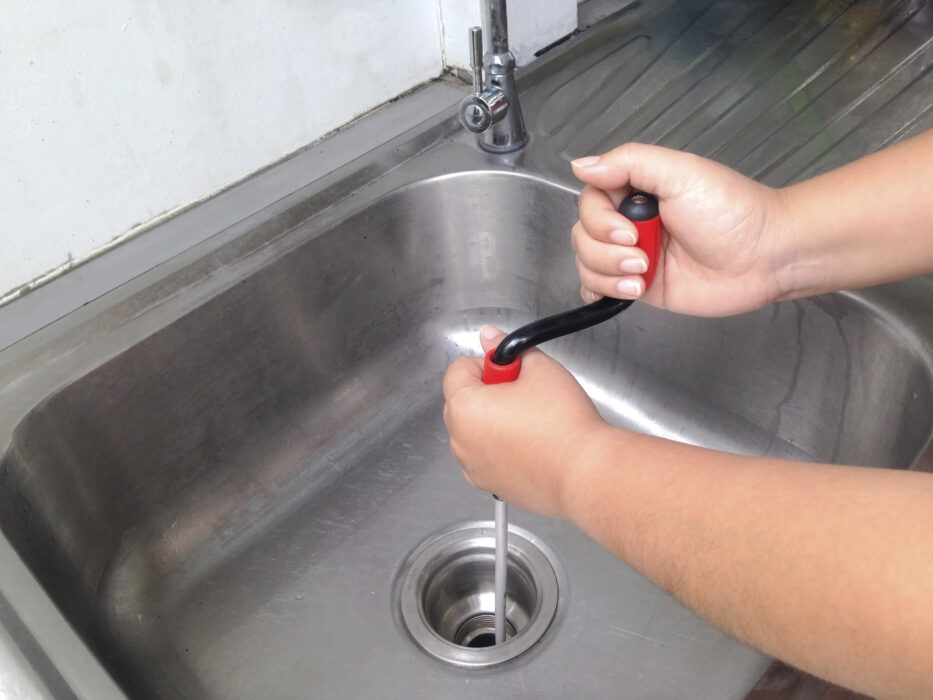
That sink or shower that’s taking forever to drain? It’s probably just built-up gunk—and you don’t need chemicals or a plumber to fix it, according to Ashlyn Needham at Southern Living. A cheap plastic drain snake (also called a hair clog remover) works wonders. Stick it in, twist gently, and pull up what’s blocking the flow. It’s gross, but oddly satisfying.
Once it’s clear, pour a mix of baking soda and vinegar down the drain, followed by hot water. This natural combo helps break up leftover grime and keeps things flowing. You’ll spend under $10 total, and your water will drain like it’s brand new—no plumber invoice necessary.
2. Fixing a running toilet saves water and cash every month.

That constant trickle sound your toilet makes isn’t just annoying—it’s racking up your water bill. Luckily, it’s often caused by a worn-out flapper or fill valve, both of which are easy and inexpensive to replace. Most hardware stores even sell repair kits with simple instructions right on the box.
Turn off the water supply, drain the tank, and swap out the faulty parts. You’ll be surprised how straightforward it is. This 20-minute fix can stop the leak, cut down on waste, and save you money month after month as reported by James Schuelke at WikiHow. Plus, you’ll feel like a plumbing hero afterward.
3. Sealing window drafts makes your home more efficient.
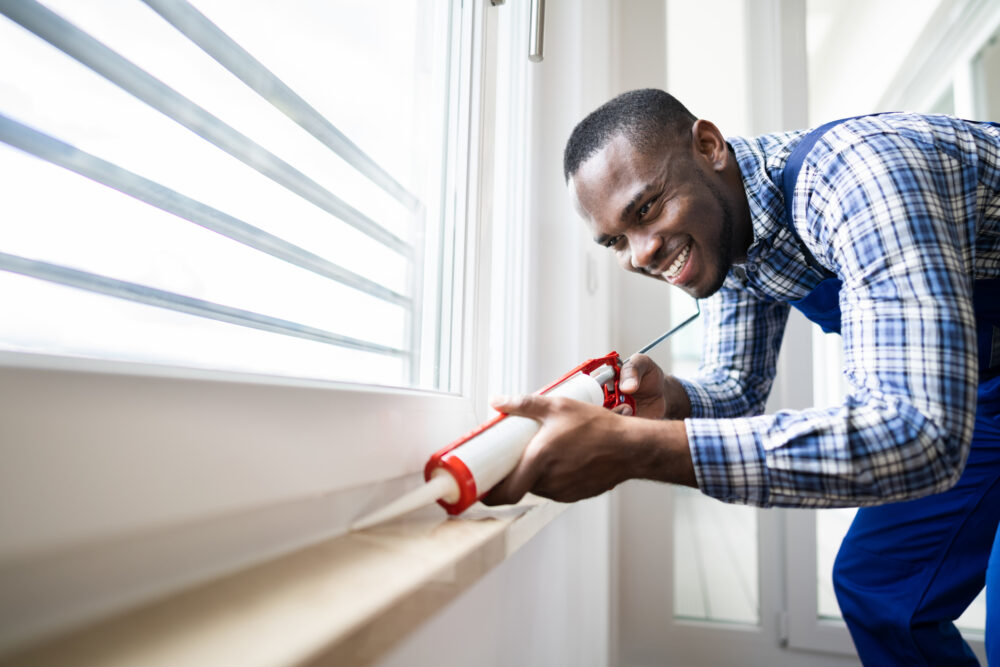
If you’ve ever sat near a window and felt a chilly breeze despite the glass being shut, you’ve got a draft. These little air leaks don’t just make your house less cozy—they also drive up heating and cooling costs. A simple tube of weatherproof caulk or peel-and-stick foam strips can make a big difference, as stated by the authors at Kellogg Supply.
Spend a weekend sealing the gaps around windows and doors. You’ll immediately feel a change in indoor temperature, and your energy bills will reflect it, too. It’s one of those small efforts that pays off all year long. Your HVAC system will thank you—and so will your wallet.
4. Replacing a broken light switch is easier than it looks.
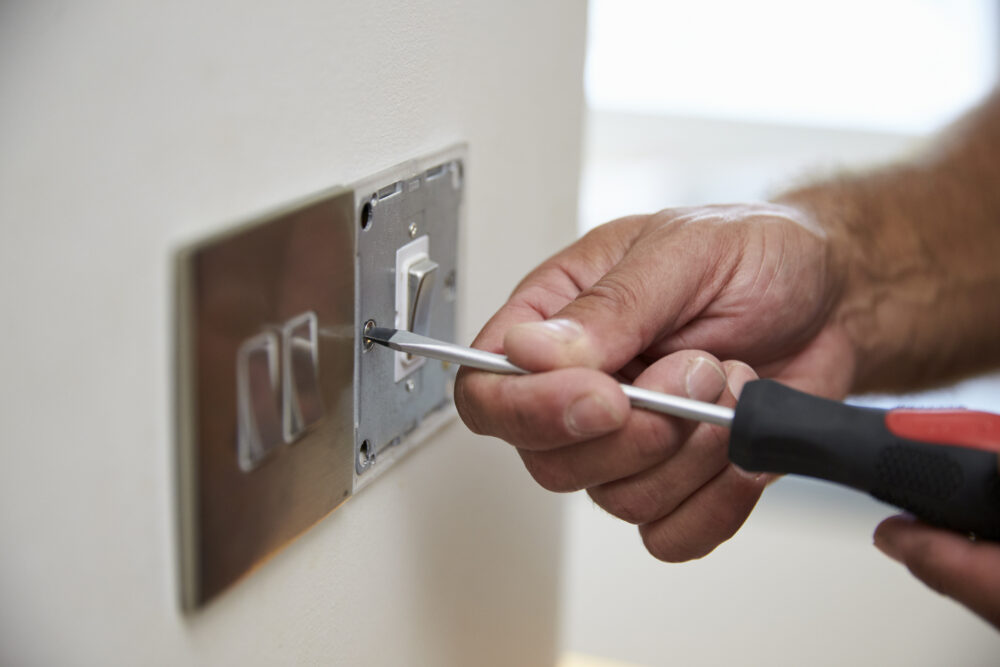
A switch that flickers, sticks, or just doesn’t work anymore doesn’t always mean calling in an electrician. Replacing a basic light switch is a beginner-level electrical task—as long as you take safety seriously. Turn off the power at the breaker, double-check with a voltage tester, and follow a simple wiring diagram.
Swapping out the old switch usually takes about 15 minutes. Just label your wires, unscrew the old unit, and connect the new one in the same order. Once it’s done, you’ll have a working switch and a boost of confidence. Just don’t forget to turn the power back on when you’re finished.
5. Repairing minor drywall holes keeps your walls looking fresh.

Little dings and nail holes add up over time, especially in high-traffic areas. Luckily, patching small drywall damage is one of the easiest repairs you can do. You just need some spackle, a putty knife, and a bit of sandpaper. For slightly bigger holes, a wall patch kit works great and includes everything you need.
Once patched, a quick coat of paint will blend it all in like nothing ever happened. Regular touch-ups make your home feel cleaner and more maintained—plus, it’s one of the fastest ways to prep your place for guests or a future listing. No drywall pro needed.
6. Replacing cabinet hardware can transform your kitchen for cheap.

Swapping out dated or dull cabinet knobs and pulls is an easy, affordable upgrade that makes your kitchen or bathroom feel instantly fresher. All you need is a screwdriver, maybe a measuring tape, and some new hardware that fits the existing holes—or a cheap template to drill new ones.
Choose styles that match your home’s vibe and keep it consistent for a polished look. You’ll be shocked at how much this small change can do to elevate the space. It’s also renter-friendly in some cases—just keep the old hardware to put back before moving out.
7. Cleaning your dryer vent helps prevent fires and improves efficiency.
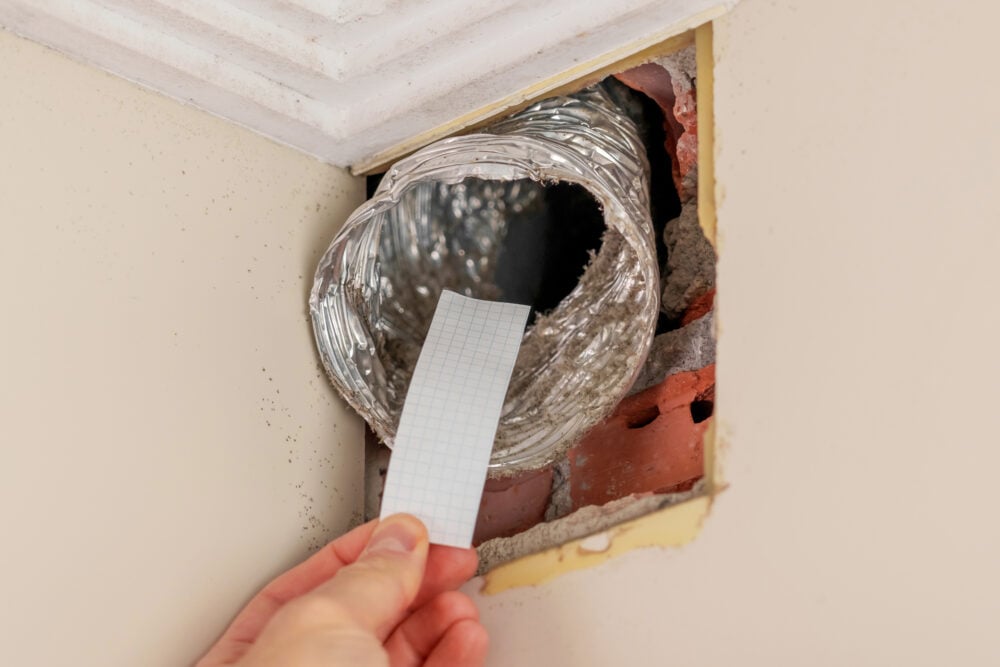
Most people clean the lint trap regularly, but the vent that leads outside gets neglected—and that’s where real problems start. Lint buildup in the vent hose is a serious fire risk and makes your dryer work harder. You can clean it out yourself with a dryer vent brush kit that attaches to a drill.
Disconnect the vent, gently vacuum what you can, and then snake the brush through to grab the deeper buildup. It’s a satisfying task with a big payoff: better airflow, faster drying times, and reduced fire risk. Aim to do this once or twice a year, especially if you notice clothes taking longer to dry.
8. Touching up chipped trim keeps your baseboards looking sharp.
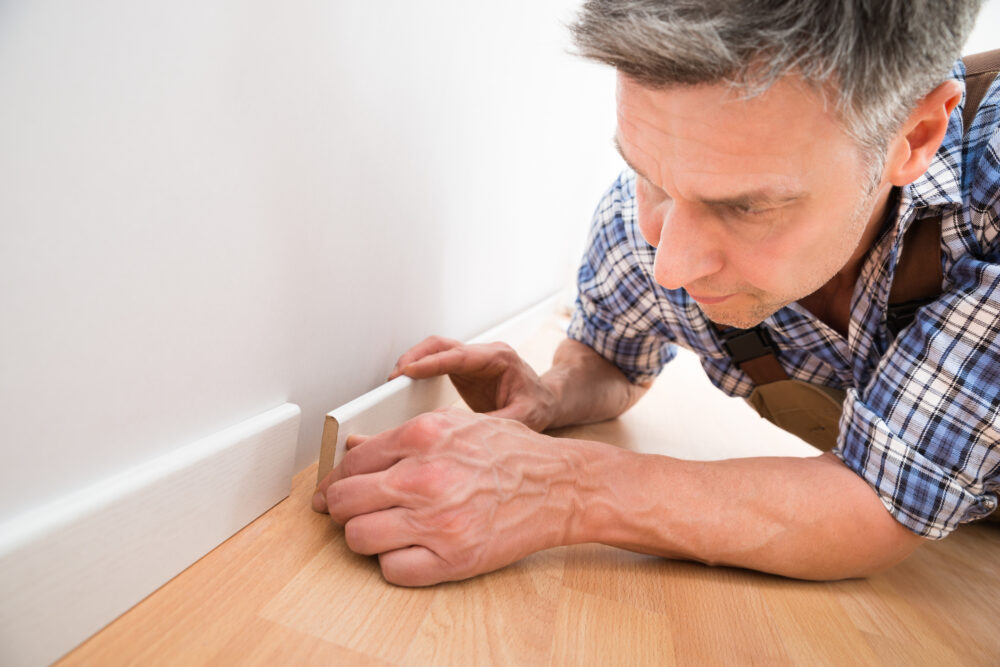
Scuffed baseboards and door trim can make an otherwise clean room look dingy. The fix? A small container of paint, a steady hand, and 30 minutes of quiet satisfaction. Clean the surface first, use painter’s tape for clean edges, and dab a little semi-gloss or satin paint over the damage.
You don’t need to repaint the whole house. Just touching up high-traffic areas gives your rooms a quick refresh and makes your home feel more polished. It’s the kind of detail guests don’t consciously notice—but they feel the difference when everything looks crisp and cared for.
9. Swapping out air filters keeps your HVAC working better, longer.
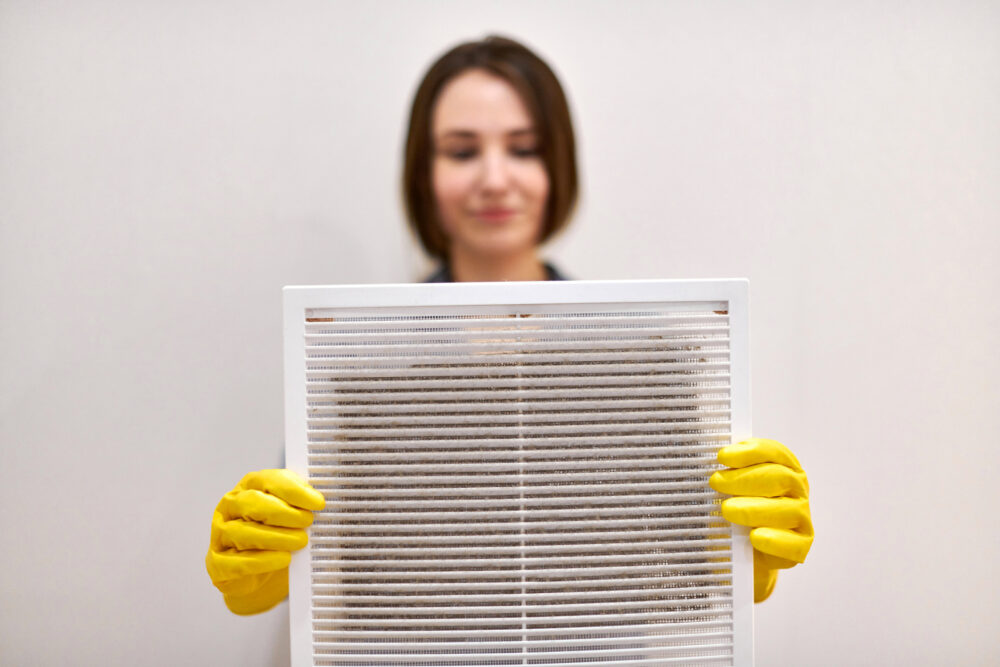
It’s one of the simplest maintenance tasks—but also one of the most ignored. Dirty air filters make your HVAC system work harder, raise your energy bills, and blow dusty air around your house. Replacing them every 1–3 months is cheap and only takes a few minutes.
Just find the right size (it’s printed on the old filter), slide out the old one, and pop the new one in. That’s it. You’ll breathe cleaner air and extend the life of one of the most expensive systems in your home. Set a calendar reminder—you’ll thank yourself later.
10. Tightening loose doorknobs and handles avoids future damage.
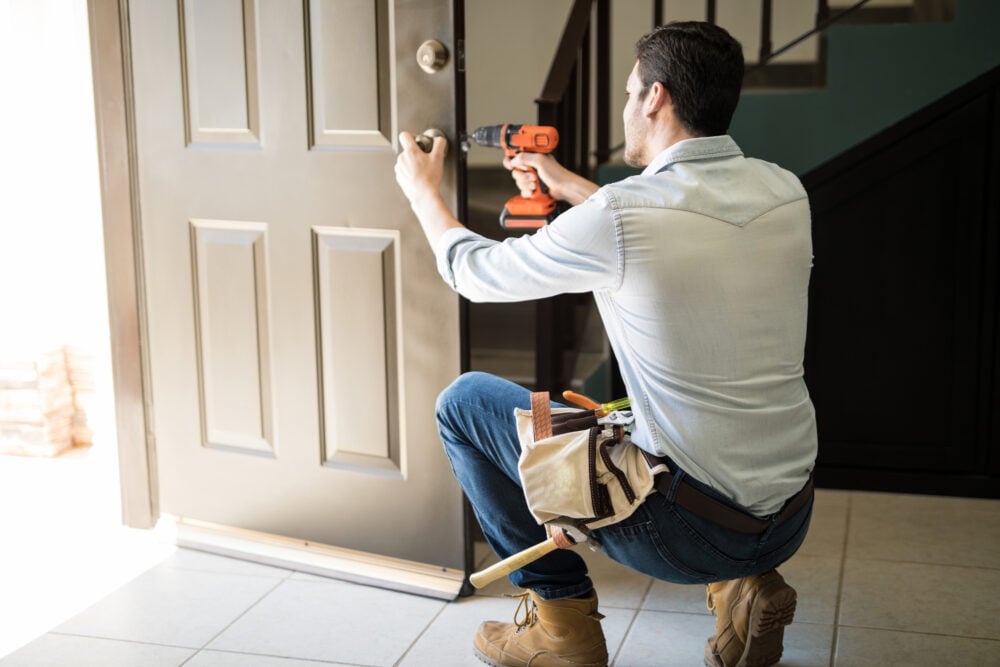
A wobbly doorknob isn’t just annoying—it can lead to stripped screws or a busted latch if left unchecked. Most knobs and handles just need a quick turn of the screwdriver to tighten them up. For handles with hidden screws, a small Allen wrench usually does the trick.
Don’t wait until the knob falls off in your hand. A few minutes of upkeep can save you from replacing the entire mechanism later. Plus, a tight, smoothly operating door just feels better—and it’s one of those subtle signs of a well-maintained home you’ll start to notice everywhere.