
Federal Reserve policy decisions shape interest rates and inflation, influencing your savings strategy directly.
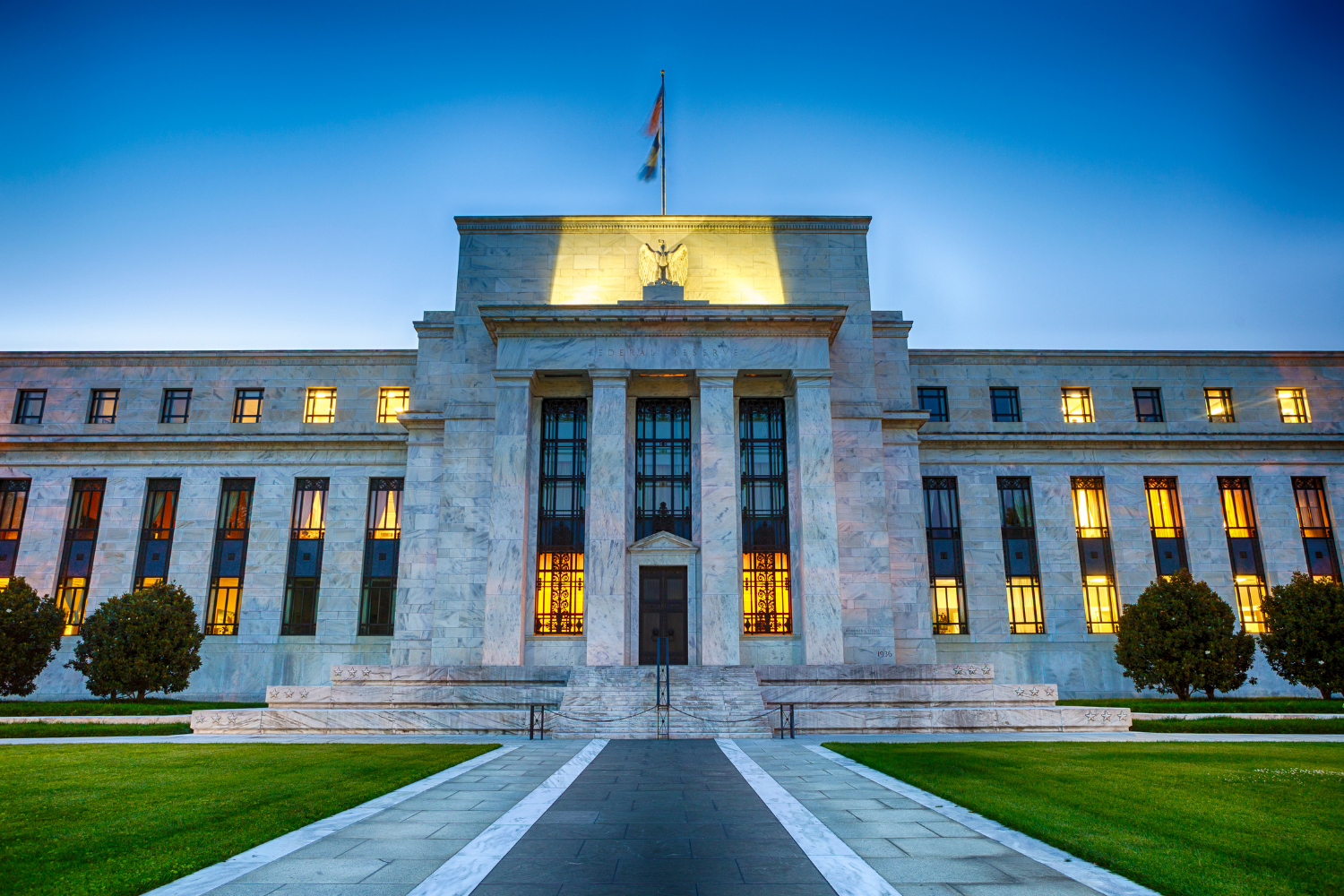
Federal Reserve policy decisions have a significant impact on personal savings plans by influencing key economic factors such as interest rates and inflation. As the central bank adjusts its monetary policy, the returns on savings accounts and the real value of saved money can shift, affecting how individuals plan their finances. Understanding these dynamics helps savers adapt strategies to protect and grow their funds amidst changing economic conditions.
1. Federal Reserve interest rate changes influence the returns on your savings accounts.

Federal Reserve interest rate decisions play a crucial role in determining the returns on savings accounts. When the Fed raises rates, banks often follow suit by increasing the interest rates they offer on savings accounts, aiming to attract more deposits amid heightened borrowing costs.
Not all savings accounts are equally affected by these changes; some may be slow to reflect rate hikes, while others might quickly adapt. Monitoring these adjustments helps savers make informed decisions on where their money could earn more, especially in high-yield accounts.
2. Inflation adjustments by the Federal Reserve impact the purchasing power of saved money.

The Federal Reserve’s efforts to control inflation have direct consequences on the purchasing power of money kept in savings. By adjusting interest rates, the Fed seeks to maintain price stability, influencing what savers can ultimately buy with their accumulated funds.
As inflation rises, the real value of untouched savings might diminish, making it harder to afford the same goods and services over time. Thus, understanding the interplay between inflation and savings can help in devising strategies to preserve purchasing power.
3. Federal Reserve policies can alter borrowing costs, affecting your overall financial planning.

Federal Reserve policies can indirectly alter borrowing costs, which in turn impacts individual financial plans. Lower interest rates often make borrowing cheaper, encouraging spending and investment, while higher rates might restrain these activities to curb inflation.
For those managing debts, such as mortgages or student loans, shifts in borrowing costs require strategic financial adjustments. Evaluating current loan conditions and potential future changes allows for a more resilient financial outlook amid varying policy landscapes.
4. Changes in federal funds rates can shift how banks set savings account interest rates.

Changes in federal funds rates send ripples through banking institutions, influencing how they determine savings account interest rates. When the Fed adjusts these rates, banks recalibrate the interest they pay to savers to align with broader economic conditions.
This chain reaction means that even subtle shifts in the federal funds rate can prompt banks to quickly revise their offerings. Savers attuned to these fluctuations can better position themselves to benefit from competitive rates introduced by financial institutions.
5. Federal Reserve monetary policy may influence economic stability and your risk tolerance.

Federal Reserve monetary policy extends its reach beyond immediate rate changes, touching broader economic stability, which impacts how individuals judge their risk tolerance. When policies promote a stable economic environment, individuals might feel more comfortable with aggressive investment strategies.
Conversely, during periods of uncertainty, capital preservation might take precedence over high-return ventures. Understanding the Federal Reserve’s commitment to stability can guide personal investment and savings approaches by highlighting potential risks and market dynamics.
6. The central bank’s decisions can affect the timing and strategy of your savings contributions.

The timing and strategy for savings contributions can be influenced by the Federal Reserve’s policy announcements. Rate changes encourage savers to reconsider the best moments to deposit funds or start new savings plans, aligned with likely future interest environments.
Savers keen on maximizing returns might adjust their contributions based on anticipated policy impacts, either accelerating deposits before a rate drop or holding back during possible hikes. Such timing differentiation aids in achieving optimal savings outcomes over time.
7. Federal Reserve actions might change the attractiveness of fixed versus variable savings options.

Federal Reserve actions might shift the attractiveness of fixed versus variable savings options. In a higher interest rate environment, fixed-rate products, such as CDs, might offer appealing returns secured over a defined period, enticing longer-term commitments.
Variable rate products, however, could benefit from rising rates, offering potential for higher returns as changes take effect. Evaluating the merits of fixed and variable options helps in aligning savings choices with prevailing economic conditions, balancing growth and security.
8. Adjustments in the money supply impact the real value of your accumulated savings.

Adjustments in the money supply orchestrated by the Federal Reserve can impact both inflation and the real value of saved money. When the Fed expands the money supply, it can eventually lead to higher inflation, eroding the purchasing power of existing savings.
Conversely, tightening the money supply often aims to control inflation, preserving the real value of savings. Understanding these dynamics, including supply adjustments, fosters clearer expectations regarding future money value, informing strategic savings decisions.
9. Federal Reserve signals about economic growth guide your expectations for future saving needs.

Signals from the Federal Reserve about expected economic growth serve to guide how individuals approach their saving needs. Predictions of robust growth might suggest expanding savings efforts for future investment opportunities and improved income potential amid economic prosperity.
On the other hand, cautious growth projections could prompt savers to focus on building an emergency fund or securing stable, less risky investment forms. Analyzing these signals sharpens long-term savings goals, aligning them with plausible economic paths.
10. Policy shifts can affect the competitiveness of savings products offered by financial institutions.

Policy shifts from the Federal Reserve affect the competitiveness within the landscape of savings products offered by banks and other financial institutions. When the Fed signals rate changes, financial products get adjusted to reflect potential future earnings against inflation and market trends.
Higher interest opportunities may arise in such an environment, compelling banks to offer enticing savings packages. Staying informed about these offerings encourages exploration of more attractive, high-yield savings instruments.
11. The Federal Reserve’s outlook on inflation helps shape long-term savings goals and priorities.

By articulating its inflation outlook, the Federal Reserve guides individuals in shaping long-term savings priorities. A forecast of steady inflation might encourage focusing on growth-oriented savings strategies to accumulate wealth over an extended horizon, considering inflation preserving purchasing power.
If elevated inflation is anticipated, more conservative savings approaches may take precedence, emphasizing the importance of hedging against value loss. Understanding these inflation projections helps adjust savings objectives to align with future economic conditions.
12. Changes in federal monetary policy influence the landscape for retirement savings planning.

Changes in federal monetary policy create ripples in the retirement savings domain, affecting rates of return on long-term investments and annuities. Rate shifts by the Federal Reserve influence the appeal of various retirement vehicles, guiding savers on where to allocate resources.
Savers might pivot strategies based on perceived future interest environments, balancing risk and stability. Thoughtful alignment of retirement savings plans with monetary policy shifts can harness the benefits of advantageous rates and mitigate potential downsides.