
A close look at how tariffs triggered widespread economic troubles during the Great Depression era.
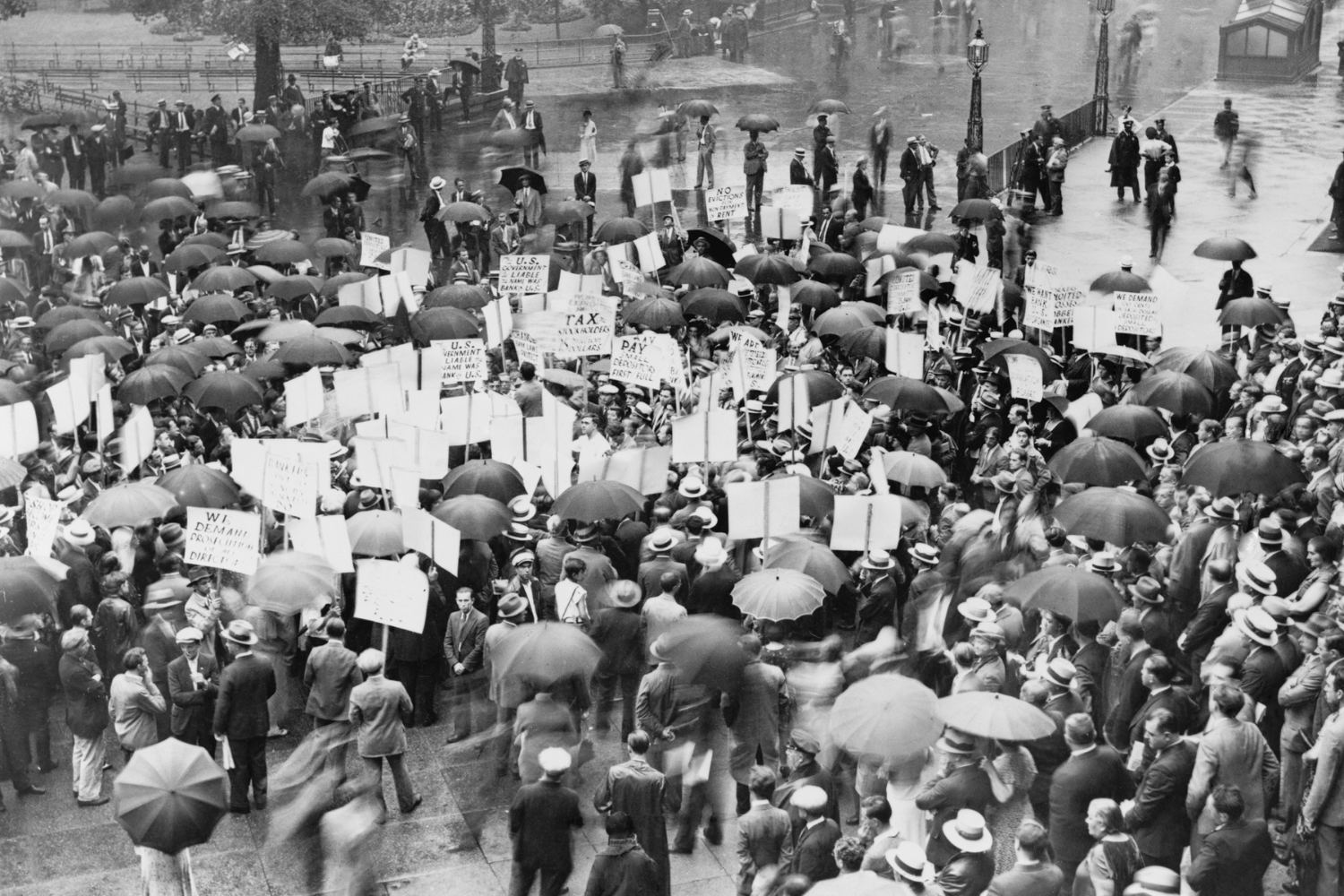
Tariffs, while intended to protect domestic industries, have historically played a significant role in deepening economic crises, particularly during the Great Depression. By disrupting trade and provoking retaliatory measures, these taxes on imports strained global relations and supply chains, leading to declines in consumer spending and investment. Understanding these complex dynamics sheds light on the broader consequences of protectionist policies and offers critical lessons for shaping balanced trade strategies to promote long-term economic stability.
1. Understand how tariffs disrupt international trade and supply chains.

International trade and supply chains rely on seamless exchanges of goods and services across borders. Tariffs, by imposing additional costs, disrupt this flow, leading to inefficient reallocations of resources and delays in production cycles. A single policy change can ripple across industries, affecting everything from raw materials to finished goods.
Examining the Great Depression, one sees how tariffs worsened an already fragile global economy. Protectionist policies led to widespread retaliations, severing trade links and stalling economic growth. This historical lesson underscores the delicate balance in maintaining open trade channels to facilitate stable economic relationships worldwide.
2. Recognize the impact of tariffs on consumer prices and spending.

Rising tariffs often result in higher consumer prices as the effects trickle down through the supply chain. When imported goods become more expensive, consumers face hard choices in their everyday spending. Over time, this can curtail overall economic activity as consumption ebbs.
During the Great Depression, increased tariffs strained household budgets and fueled further economic decline. The resulting decreased buying power demonstrated the intricate links between trade policy and consumer economics, emphasizing the importance of considering broad economic impacts when evaluating new tariff measures.
3. Learn how retaliatory tariffs escalate trade tensions between countries.
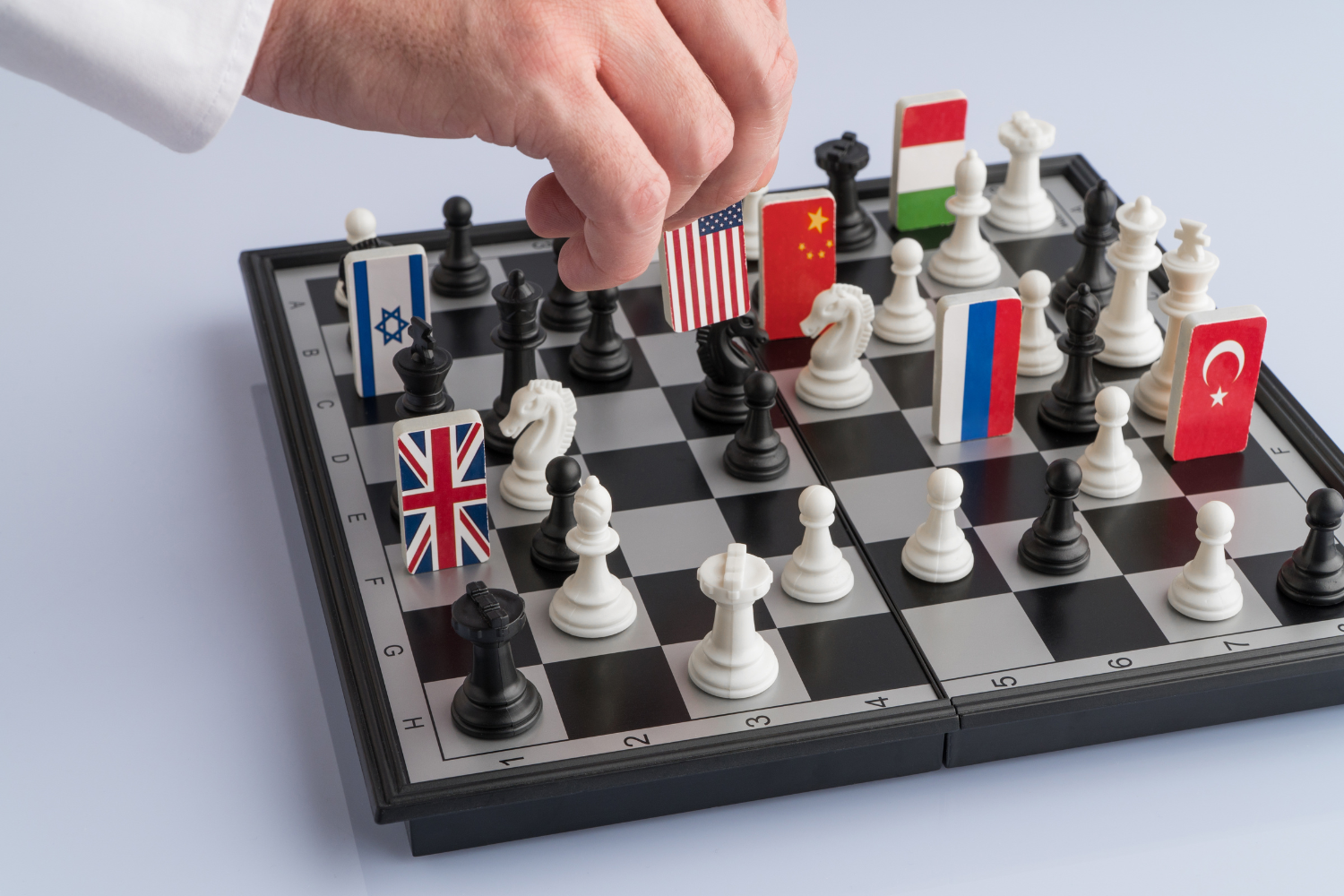
Retaliatory tariffs emerge when countries respond to imposed tariffs by enacting their own. This tit-for-tat escalation can lead to trade wars, hurting both parties involved. Countries may find themselves in a compliance trap, navigating retaliations rather than advancing cooperation.
The strain from these escalating tariffs was evident in the trade tensions throughout the Great Depression. Hostile trade environments fostered even deeper economic strains as retaliations piled up. Caution must be exercised to avoid knee-jerk policies that could further endanger fragile trade relations and economic structures.
4. See how tariffs can reduce market confidence and investment activity.

Tariffs can send shockwaves through markets, diminishing confidence among investors. Sudden changes in trade policy create uncertainty, leading investors to pull back or redirect funds elsewhere. Market volatility may follow as stakeholders scramble to adapt to evolving economic landscapes.
In the Great Depression, protectionist tariffs led to withdrawn investments and market contractions. This historical example illustrates the importance of maintaining investor confidence through stable and predictable trade policies, enhancing economic resilience during turbulent times.
5. Appreciate the importance of balanced trade policies in economic stability.

Balanced trade policies contribute to economic stability by ensuring fair and equitable exchanges. Imposing tariffs without considering their full consequences can create imbalances, with protective measures leading to unintended consequences across sectors. Fair trade agreements aim to foster mutual growth supportively.
The 1930s showed how unbalanced protectionist policies contributed to spiraling economic issues. They reduced global economic interactions and exacerbated financial instabilities. Modern economies can take cues from this era, emphasizing collaborative trade models that promote overall market health and efficiency.
6. Notice the role of tariffs in shrinking export opportunities for businesses.

Tariffs may shrink export opportunities, limiting business access to international markets. By raising the cost of domestic goods abroad, tariffs make them less competitive, reducing demand. Export industries can suffer from these constraints, facing narrowed markets and stunted growth.
The Great Depression revealed how tariffs directly restricted exporters, leading to a cycle of reduced production and job losses. Understanding these dynamics helps in shaping policies that open rather than close market pathways, fostering sustainable export growth and economic vitality.
7. Understand how tariffs can lead to job losses in export industries.

Tariffs affect employment by making exported goods less desirable on the global stage. Industries focused on international sales might face reduced orders, resulting in job cuts. This employment downturn can ripple through local economies, hitting workers and their families with unexpected financial challenges.
During the 1930s, closing off export opportunities led to significant job losses in critical sectors. Recognizing these patterns offers insights into the importance of balance in trade policy, safeguarding jobs while supporting international commerce’s beneficial dynamics.
8. Discover how tariffs can trigger inflation through increased production costs.

Production costs rise when tariffs increase the price of imported materials and components. This often leads to inflation, as businesses pass additional costs onto consumers. Inflation can erode purchasing power, placing further pressure on economic growth and stability.
Historical context from the Great Depression signals cautious vigilance against widespread price increases. Inflationary pressures sparked by protective tariffs led to decreased demand, reinforcing economic hardship. Analyzing these patterns encourages a careful approach when structuring policies that impact prices and production costs.
9. Learn how economic isolationism can deepen financial downturns.

Economic isolationism can intensify financial downturns, as seen when nations close off trade with protective tariffs. By limiting cross-border economic interactions, opportunities for collaborative growth and resource sharing diminish, concentrating economic hardships internally rather than diffusing them globally.
History warns through the Great Depression about deepened financial woes linked to exclusionary trade policies. These lessons remind present-day economies of the risks associated with withdrawing from international cooperation, emphasizing openness as a resilience pillar during challenging times.
10. Recognize the consequences of tariff-induced supply shortages on markets.

Tariff-induced supply shortages limit market access to necessary goods by disrupting import channels. Essential items can become scarce, and availability issues ripple through related industries. Consumers and producers alike face disruptions as the supply chain experiences bottlenecks.
These shortages were painfully evident during the Great Depression, when supply disruptions led to widespread shortages in once-plentiful sectors. Understanding this history is crucial for avoiding similar pitfalls and ensuring modern economies can maintain steady resource flows and market balances.
11. See how tariffs can strain diplomatic relations and global cooperation.

Tariffs strain diplomatic relations when they impose unilateral costs on international trade partners. These tensions can lead to conflict, reducing global cooperation on key issues. Establishing mutual respect and understanding in trade negotiations can help ease these strains, fostering international peace.
The strained global relations of the Great Depression highlight the risks when countries confront each other through restrictive trade policies. Reviewing past conflicts helps present-day nations navigate diplomacy wisely, preserving partnerships and economic benefits realized through peaceful collaboration.
12. Understand the ripple effects of tariffs on small business sustainability.

Small businesses can be vulnerable to the ripple effects of tariffs on global trade. Faced with increased costs for imported goods and the loss of competitive pricing, they may find survival challenging. These challenges underscore the need for thoughtful trade policies that support small enterprises.
Historical lessons demonstrate how small businesses, as seen during the Great Depression, suffered under rigid, unforgiving tariff structures. Recognizing these vulnerabilities highlights the importance of economic policies that promote diversity in markets and empower grassroots entrepreneurship for community sustainability.
13. Appreciate the value of multilateral agreements in preventing trade conflicts.

Multilateral agreements offer a roadmap for reducing trade conflicts, promoting cooperative frameworks essential for global trade. Agreements aimed at establishing shared standards minimize confrontations and help resolve disputes effectively. Collaborative networks allow countries to navigate differences without resorting to punitive tariffs.
Such frameworks proved pivotal during economic fragility in earlier eras, suggesting pathways to stability today. Learning from this history emphasizes multilateral diplomacy’s role in preventing trade wars through mutual understanding and equitable negotiation platforms.
14. Notice how tariff policies can disproportionately affect vulnerable communities.
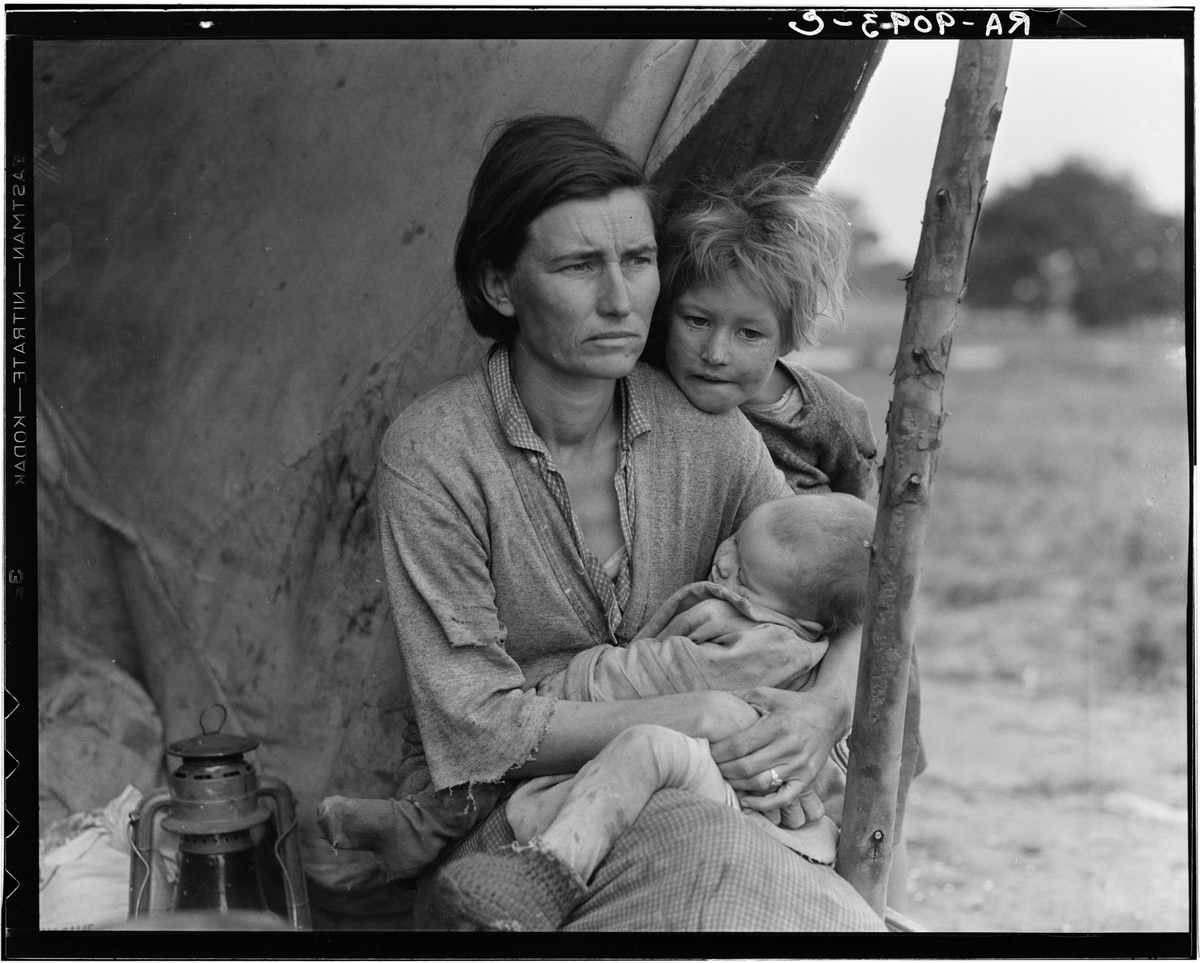
Communities without economic resilience feel the brunt of tariff impacts. Tariffs can lead to increased costs on everyday goods, disproportionately affecting vulnerable populations. This disparity raises questions about equity and the importance of prioritizing inclusivity in economic policy decision-making.
The suffering during the Great Depression painted vivid reminders of how hard-hitting economic policies could disproportionately harm weaker segments. Recognizing these historical precedents emphasizes the importance of safeguards aimed at protecting those least able to endure economic shocks.
15. Learn from history how tariffs contributed to economic contraction phases.
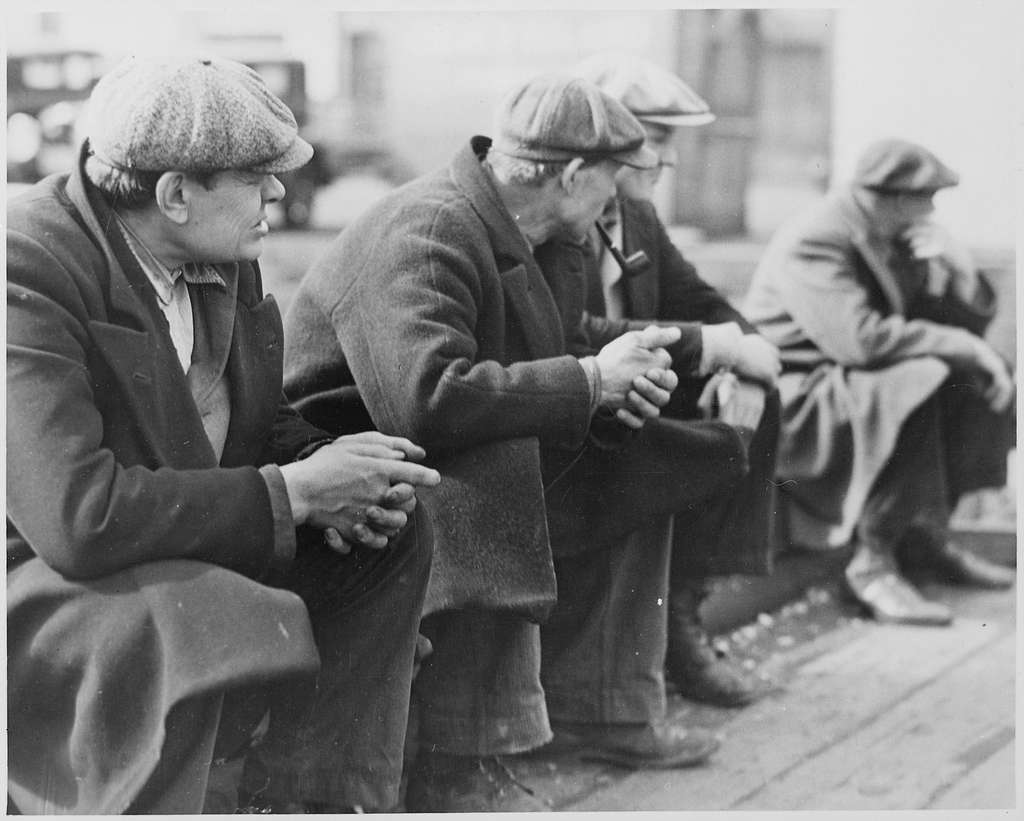
The Great Depression illustrated tariffs’ role in deepening economic challenges. As the economy contracted, restrictive trade measures compounded financial woes, reducing international commerce and stifling recovery efforts. The result was a prolonged downturn with painful social and economic repercussions worldwide.
Understanding these historical consequences aids modern policymakers in recognizing the long-term fallout of insular trade strategies. Such insight advocates for careful trade policy consideration, balancing protection with the shared benefits of an integrated global economy, avoiding repeating past mistakes.
16. Recognize the necessity of adaptive economic policies during crises.
Adaptive economic policies offer necessary frameworks for responding to crises effectively. These adaptable frameworks provide resilience by accommodating changing conditions, supporting recovery, and promoting stability. They empower economies to weather shocks and remain flexible in unforeseen challenges.
The recovery from the Great Depression highlighted the need for policy innovation and adaptability. Examining past recovery strategies underscores the significance of flexible approaches and cooperation in facing economic upheavals, ensuring proactive responses to future uncertainties.