

There’s a quiet little game being played every time you walk down a supermarket aisle. The name-brand packaging glows under the fluorescent lights, the logos look familiar and trustworthy, and before you know it, you’ve spent twice what you needed to. Honestly, I’ve been there more times than I care to admit.
Here’s the thing though: for a surprising number of everyday household items, the cheaper version works just as well, or at least well enough that the difference is practically invisible. The savings, on the other hand, are very real. Let’s dive in.
1. Toilet Paper
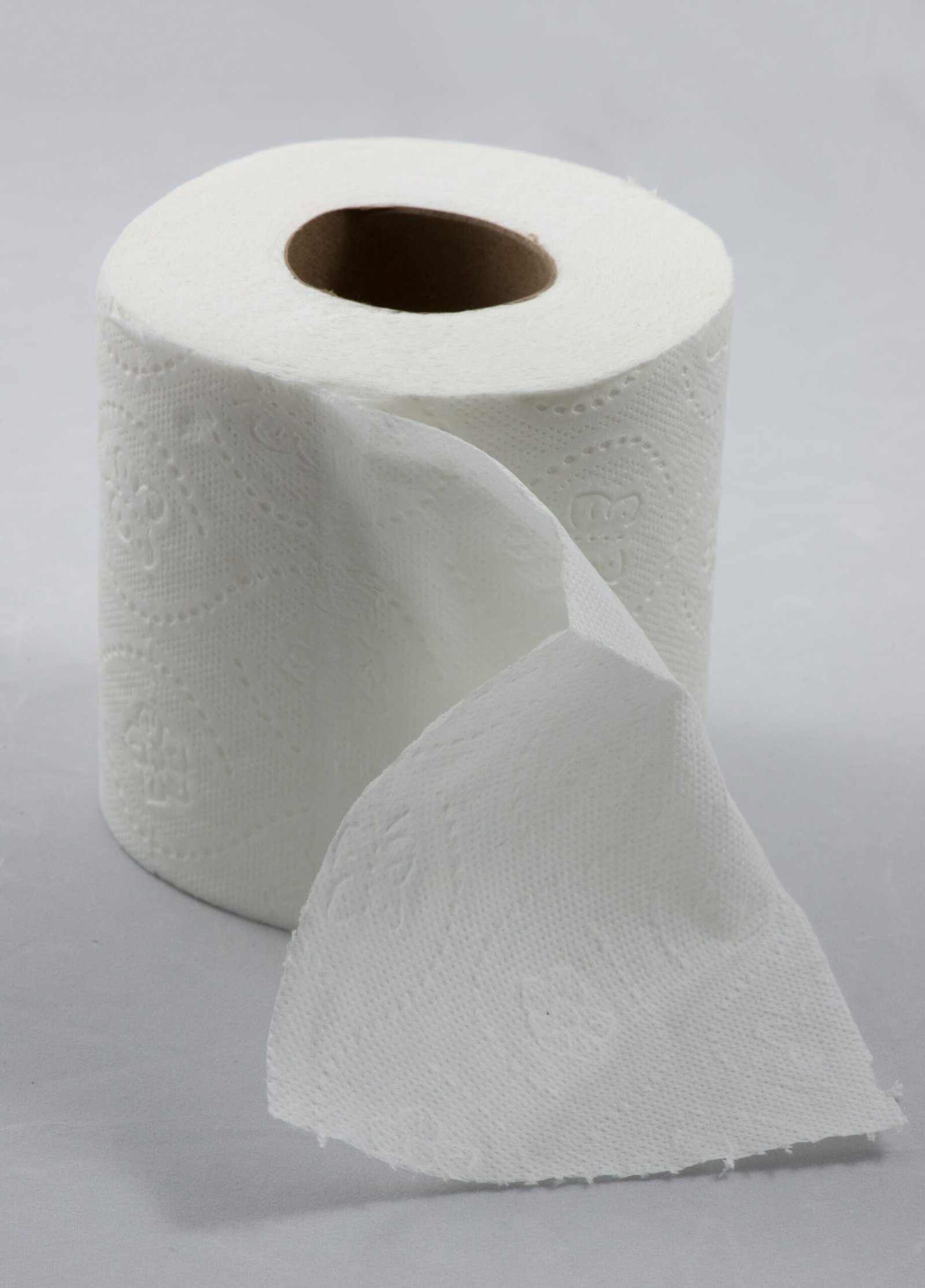
Let’s be real. Few household debates are more personal than toilet paper. People cling to their brand like it’s a personality trait. Yet the data tells a different story.
After reviewing the results of a June 2025 Consumer Reports nationally representative survey of 2,016 adults, the team learned which cleaning supplies people most often purchase at bulk warehouse stores, then did comparison shopping at major retailers including Costco, BJ’s, and Sam’s Club. Their findings on toilet paper pricing were eye-opening.
All the stores carried generic toilet paper, and there was a three-way tie for cheapest across Costco, BJ’s, and King Kullen – all landing at just 1 cent per square foot. Compare that to name brands like Cottonelle and Charmin, which can run three to six times that price per square foot.
Amazon’s own Presto 2-Ply Ultra-Soft Toilet Paper is reportedly pretty soft and holds its own against other well-known brands, with many users mentioning how gentle and comfortable it feels, some even comparing it to premium brands but at a more reasonable price. Sometimes comfortable and affordable genuinely go hand in hand.
2. Trash Bags

Nobody enjoys paying for trash bags. It’s one of those purchases where you literally throw your money away – sometimes twice. So buying generic here is a no-brainer.
Consumer Reports found that all stores offered generic-brand 13-gallon trash bags, with two stores tying for the cheapest at 8 cents per bag – Costco at $16.99 for 200 bags and Sam’s Club at $16.98 for 200 bags – while the most expensive option at Stop & Shop ran 19 cents per bag. That’s more than double the price per bag for a product you’re simply going to toss.
Generic trash bags from warehouse stores or store brands like Walmart’s Great Value line handle the vast majority of everyday household waste without a problem. The premium bags often tout features like extra stretch or odor control, but for routine kitchen garbage, a basic bag does the job just fine.
3. Dish Soap
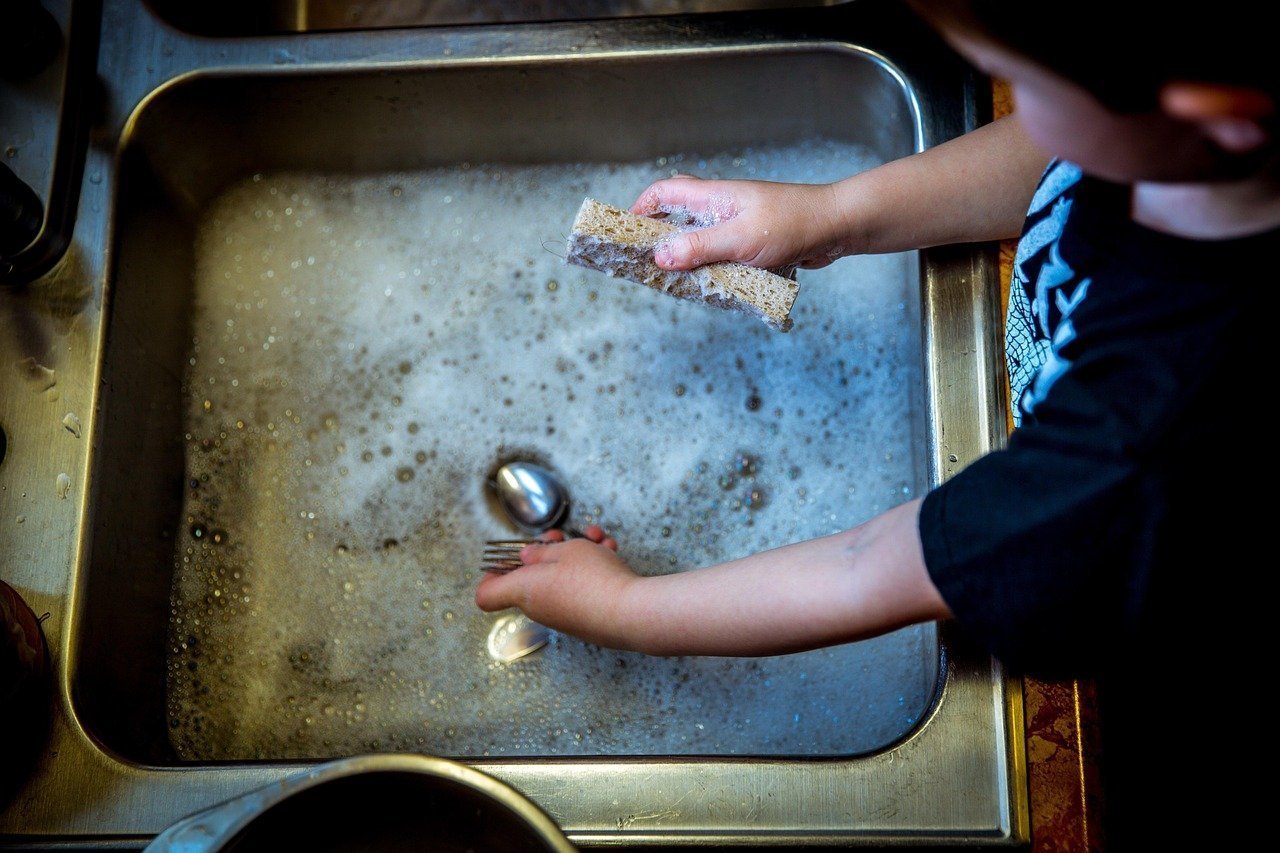
Dawn has one of the most iconic household product reputations in America. It’s the one they use on wildlife after oil spills, and the marketing reminds you of that constantly. But here’s the honest truth: most of us are not rescuing pelicans. We’re washing cereal bowls.
All the stores Consumer Reports surveyed carried generic dish soap brands, and the best deal found was at BJ’s at just 8 cents per fluid ounce – making BJ’s the overall winner whether you prefer name-brand or generic dish soap. That’s a meaningful difference for something you squeeze out daily.
Consumer Reports found that roughly half of Americans who belong to a membership-based retailer said they purchase cleaning products like multipurpose cleaners, glass cleaners, or dishwashing liquid there. For everyday greasy dishes and basic kitchen cleanup, a store-brand dish soap almost always gets the job done. Save the premium stuff for when you’re really battling baked-on lasagna.
4. Laundry Detergent
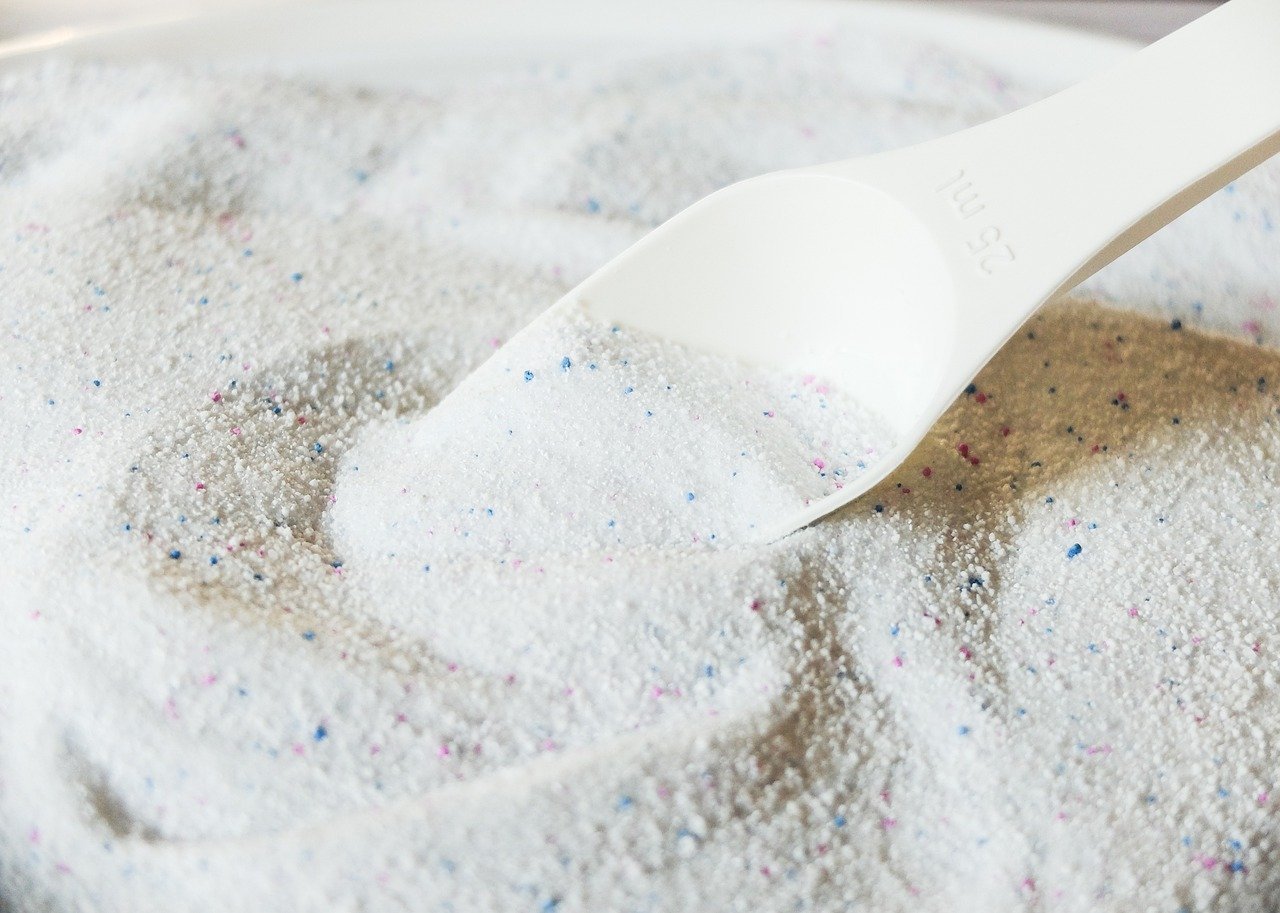
This one sparks more debate than almost anything else on this list. People feel deeply loyal to their laundry detergent, and I get it – your clothes smell a certain way, feel a certain way, and you trust that.
Consumer Reports’ survey showed that roughly three in five Americans who belong to a membership-based retailer regularly buy laundry detergent there, with Tide liquid tying for the cheapest name-brand price at Costco and Sam’s Club, both landing at around 12 cents per fluid ounce. Generic versions at those same stores cost considerably less.
For lightly soiled everyday laundry – think T-shirts, socks, and everyday wear – a generic or store-brand liquid detergent gets the job done effectively. Stop and Shop was actually the only store that did not offer a generic liquid laundry detergent, meaning most major retailers give you that budget-friendly choice. It’s worth experimenting with it for at least a few loads before dismissing it entirely.
5. Paper Towels
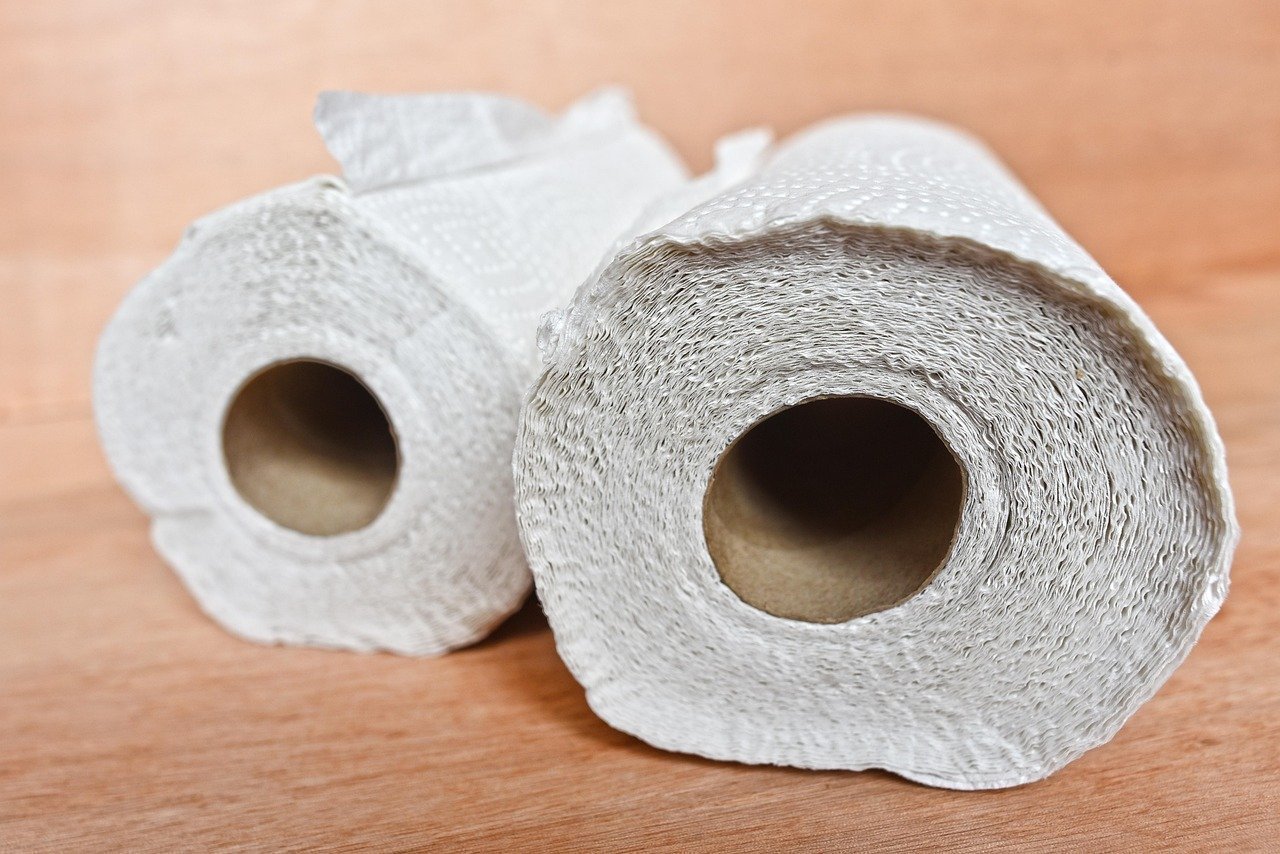
Okay, I want to give you the full picture here because this one is a little more nuanced than the others. The generic-is-always-better rule does have its caveats when it comes to paper towels.
Consumer Reports spent weeks putting six popular paper towel brands – Amazon Basics, Brawny, Bounty, Amazon’s Presto!, Scott, and Sparkle – through a series of pick-up, strength, and absorbency tests. The winner was Bounty, which had the highest overall score, but it came at a price – it was the most expensive brand tested, and Consumer Reports said Brawny could be a good alternative for those trying to save a few dollars without losing out on performance.
If you are looking for a good paper towel but want to save some money, Aldi’s Boulder brand is worth a look – it soaked up all of Taste of Home’s drippy messes, absorbing every bit of spilled liquid, and though it wasn’t the strongest, it was durable and at an affordable price, making it more than worth it. So while the very cheapest options can disappoint, mid-tier budget brands often hit a sweet spot. Think of it like buying a store-brand running shoe instead of a designer one – still gets you across the finish line.
6. Aluminum Foil and Plastic Wrap

Reynolds Wrap has dominated kitchen drawers for decades. It’s a great product – nobody’s arguing that. But for everyday roasting, covering leftovers, or lining a baking pan, you don’t need the premium version.
The generic brand for either aluminum foil or plastic wrap at Walmart works as well as Reynolds does, yet costs about $2 less – and name brands really make zero difference when it comes to these basic kitchen aids. That $2 per box adds up over a year of regular cooking.
Where you might want to invest in a slightly better product is for heavy-duty tasks like grilling or long-term freezer storage – situations where thicker foil makes a real difference. For everything else, grab the store brand and move on. Your pot roast won’t know the difference, I promise.
7. Multipurpose Cleaning Sprays
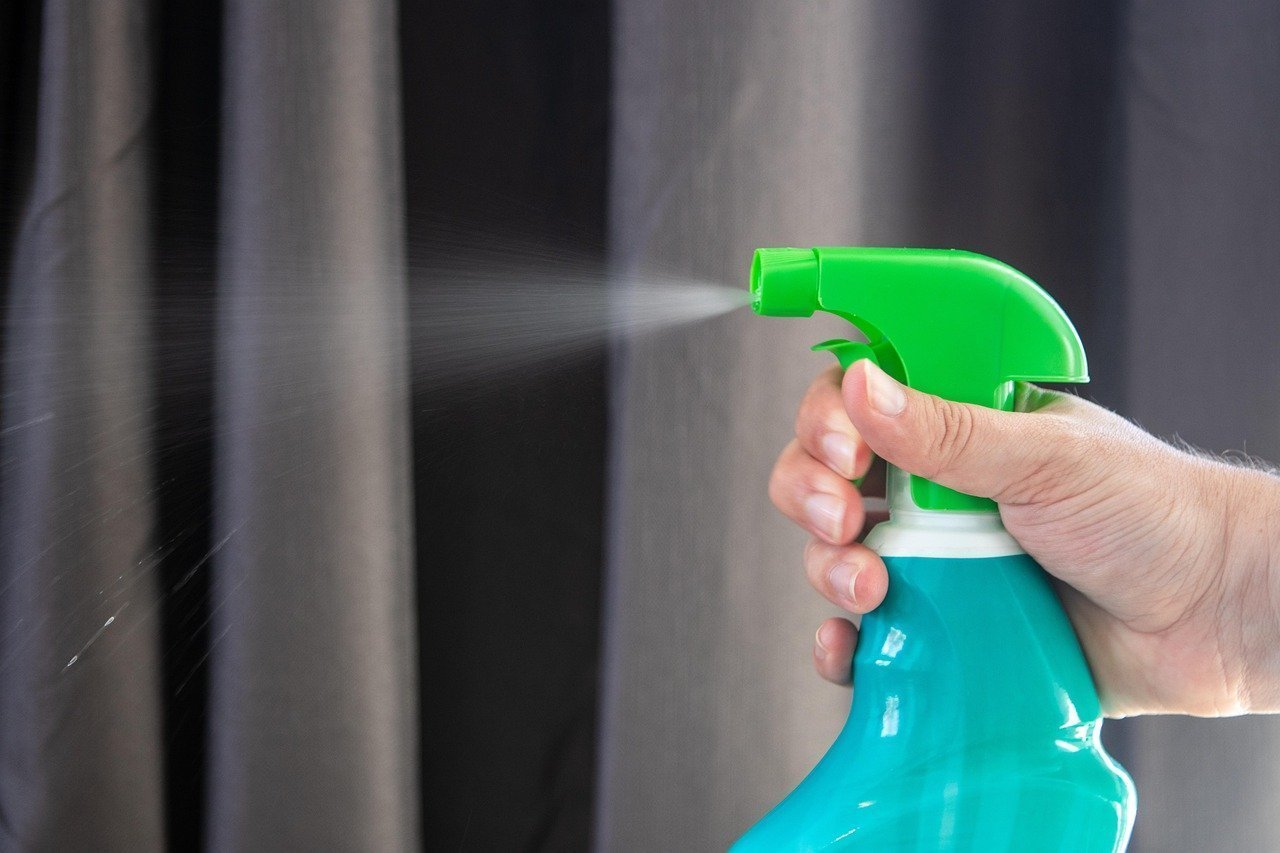
Walk down the cleaning aisle and you’ll see bold claims everywhere – “cuts through grease,” “kills 99.9% of germs,” “hospital strength.” A lot of that is marketing talking. The active ingredients in most cleaners are remarkably similar across brands.
Consumer Reports found that Stop and Shop and King Kullen were among the only stores that carried generic multipurpose cleaners, with Stop and Shop offering the better deal at $3.29 for 32 fluid ounces, or 10 cents per fluid ounce. Compare that to premium brand cleaners which can run more than double that per ounce.
For everyday counter wiping, bathroom touch-ups, and general surface cleaning at home, a store-brand all-purpose cleaner handles the task perfectly well. When it comes to things like bleach to scrub a toilet or a counter cleaner, generics do the job just the same – you can spend $4 on Clorox wipes, or buy the generic from Walmart or Target for about $2. The math is not complicated.
8. Disinfectant Wipes
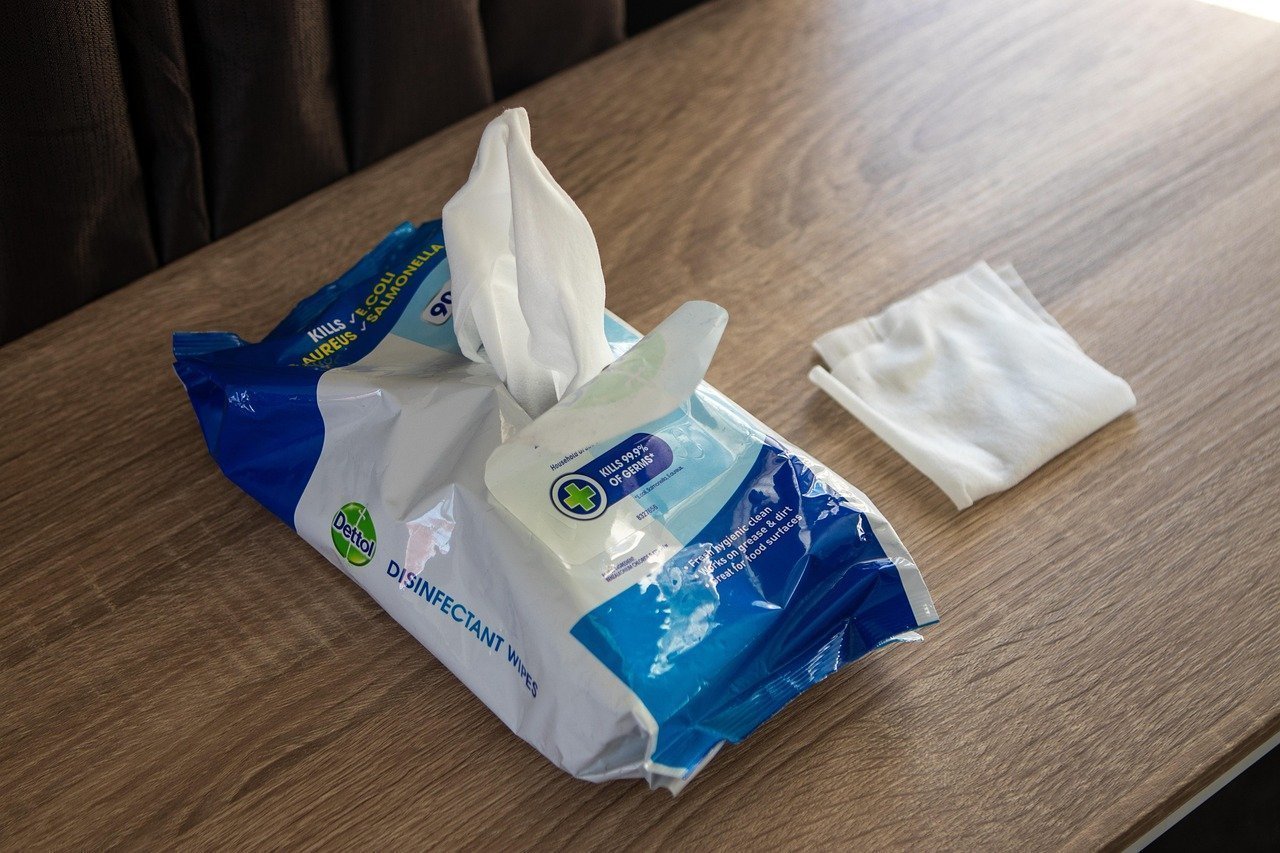
Clorox wipes became a cultural obsession during the pandemic years, and the habit stuck. Most households now keep a tub of disinfectant wipes somewhere near the kitchen or bathroom. The name-brand version is convenient – but it is far from the only option that works.
Store-brand disinfectant wipes from Target, Walmart, or Costco contain the same EPA-registered active ingredients as the leading name brands. The key is checking that the label states it kills bacteria and viruses – that’s what matters, not the logo on the canister.
Disinfecting wipes usable on pretty much every surface in your home can easily cut through grime, and disinfecting usually requires the product to remain on the surface for about 3 to 5 minutes – that wait time applies regardless of which brand you buy. A generic wipe left on a surface for the right amount of time outperforms any premium wipe used incorrectly.
9. Dish Soap for the Dishwasher
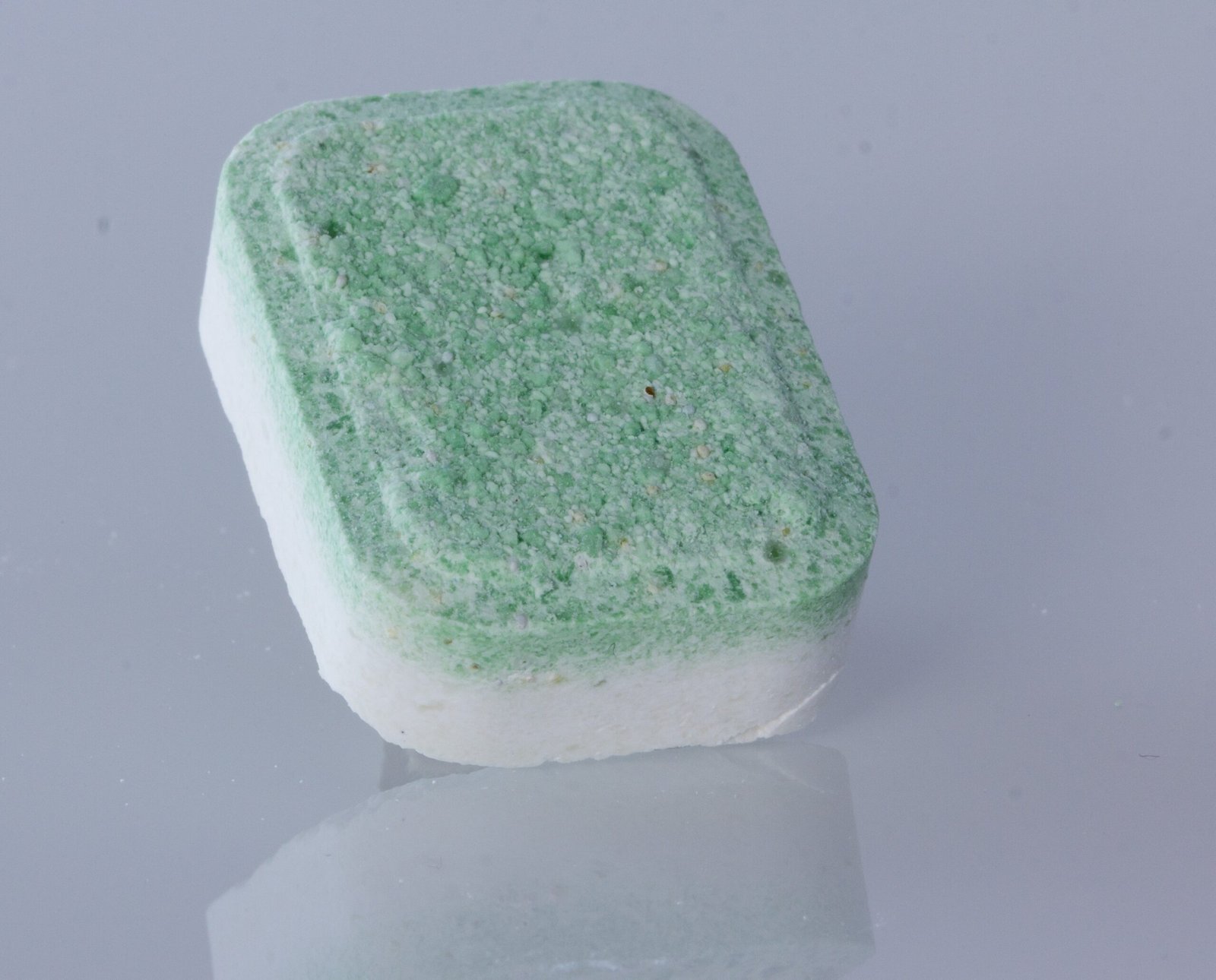
People often confuse dish soap with dishwasher detergent, but they’re actually quite different products. And it turns out, when it comes to dishwasher pods and packs, generic options have improved enormously in recent years.
I know it sounds crazy, but many store-brand dishwasher pods now compete seriously with major brands in cleaning performance for everyday loads. The main advantage of premium pods tends to be in tackling heavily soiled or greasy dishes in one clean cycle – but for standard family loads, the gap has narrowed substantially.
Dishwasher detergent pods that wash away grease and contain enzymes to break down stuck-on food, while also preventing hard water stains and residue, can be found well within budget ranges at major retailers. Look for any store-brand or value pod that lists enzymes among its active ingredients – that’s the real cleaning muscle, not the brand name.
10. Baking Soda and Basic Pantry Staples Used for Cleaning
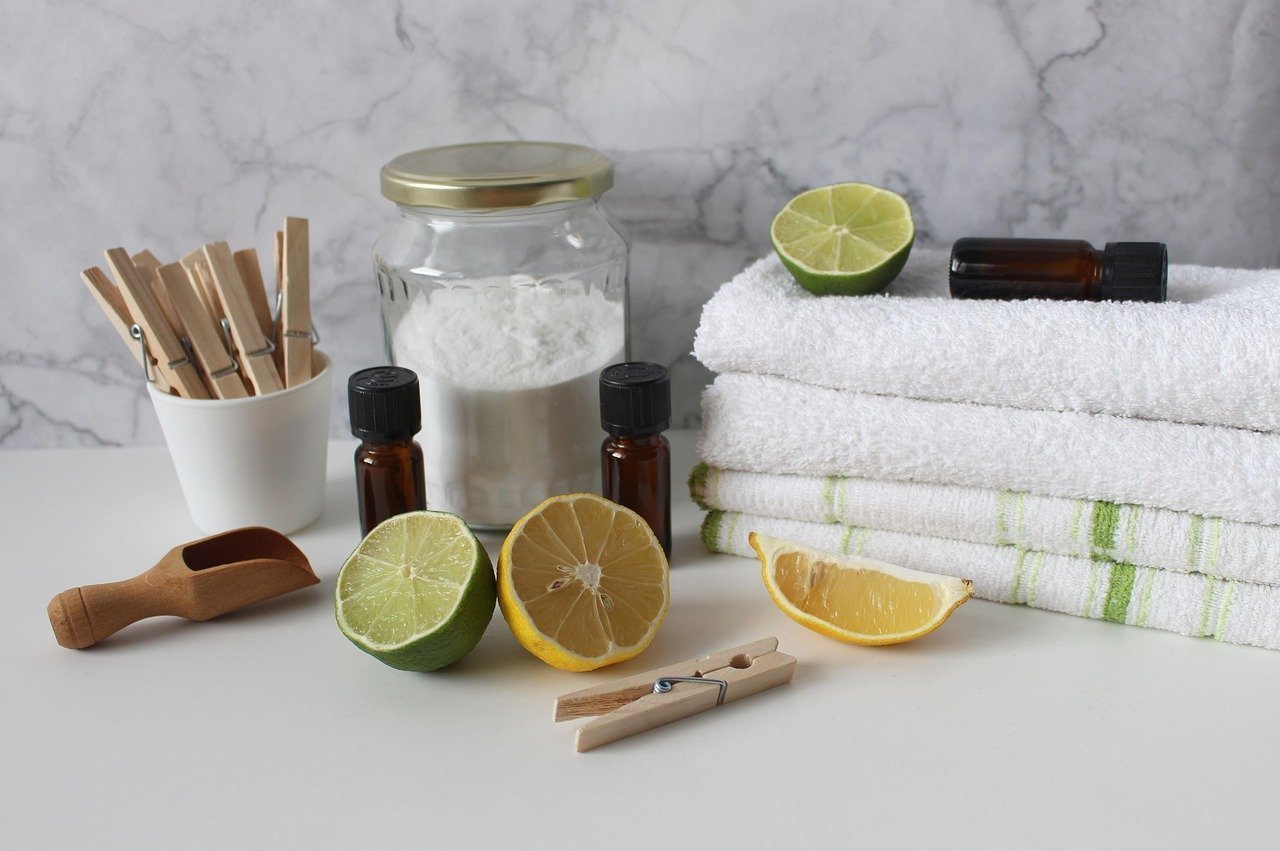
This last one might be the most underrated money-saver of all. Baking soda, white vinegar, and basic pantry staples are the unsung heroes of budget household cleaning. Arm and Hammer has had a brilliant run marketing baking soda, but the truth is, baking soda is baking soda.
Whether it comes in an Arm and Hammer box or a store-brand box, the chemical compound – sodium bicarbonate – is identical. You can use it to clean drains, deodorize fridges, scrub sinks, and boost laundry. The same goes for white vinegar, which is a highly effective all-natural cleaner and fabric softener alternative that costs almost nothing in generic form.
Store-brand products, often referred to as generics or private-label brands, have emerged as a popular alternative to name brands, promising significant savings. And for basic commodities like baking soda – where the “product” is literally just a pure chemical compound – there is genuinely nothing the premium brand offers that the generic doesn’t. It’s the same stuff in a different box, full stop.
Every Dollar Adds Up

Here’s the real takeaway: nobody is saying to go cheap on everything, all the time. Some products genuinely reward the extra spend. But for the ten categories above, the evidence consistently points in the same direction – the cheaper version holds its own.
Consumers constantly grapple with grocery shopping decisions, particularly when it comes to balancing quality and cost, and store-brand products have emerged as a popular alternative to name brands, promising significant savings. The key is knowing which items are worth the premium and which ones simply are not.
Think of it this way: switching to generic on just a handful of these items across a full year could easily save a typical household hundreds of dollars – money that could go toward something that actually brings you joy. So next time you’re standing in the aisle staring at two near-identical products with very different price tags, you know what to do. What would you have reached for before reading this?