
There’s a quiet shift happening in the way people spend their money – and honestly, it’s one of the smartest financial moves of our generation. Millions of Americans are skipping the brand-new aisle and heading straight for secondhand options, not because they have to, but because they’ve done the math. The savings are real. The quality? Often just as good.
The numbers back this up in a big way. According to OfferUp’s 2025 Recommerce Report, a staggering 93% of Americans bought a secondhand item in the past year. That’s not a fringe movement – that’s almost everyone. So let’s get into the 10 specific items where buying used is genuinely one of the smartest decisions you can make for your wallet.
1. Used Cars: The Smartest Big-Ticket Purchase You Can Make
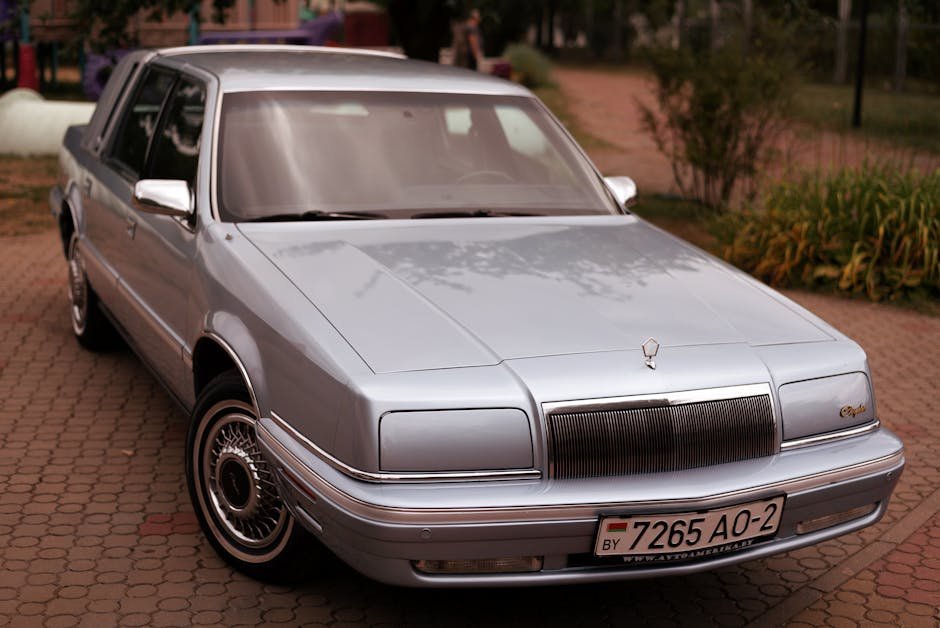
Let’s be real – buying a brand-new car might be one of the most expensive habits in modern life. The moment you drive a new vehicle off the lot, it starts losing value fast. There’s a long-standing debate about new vs. used vehicles, but when simply driving a new car off the lot reduces the value by thousands of dollars, buying a like-new, pre-owned model can result in significant savings.
Inflation and cost uncertainty about tariffs make buying a used vehicle an appealing option for anyone looking to save money. Think of it this way: someone else absorbs the steepest depreciation hit, and you inherit a perfectly functional car at a fraction of the original price. If you are considering a certified pre-owned (CPO) car, you also get the added benefits of a multipoint inspection, a full maintenance history, and a CPO warranty – meaning you’re not flying blind.
Many dealerships carry vehicles that are virtually brand new with low mileage because they were used as rental cars. People also upgrade vehicles regularly, so it’s quite possible to find a used car in great working condition for a price that fits your budget. Honestly, the used car market in 2026 is one of the best places to protect your savings while still getting reliable transportation.
2. Electronics and Smartphones: Stop Paying Full Price for a Chip and a Screen
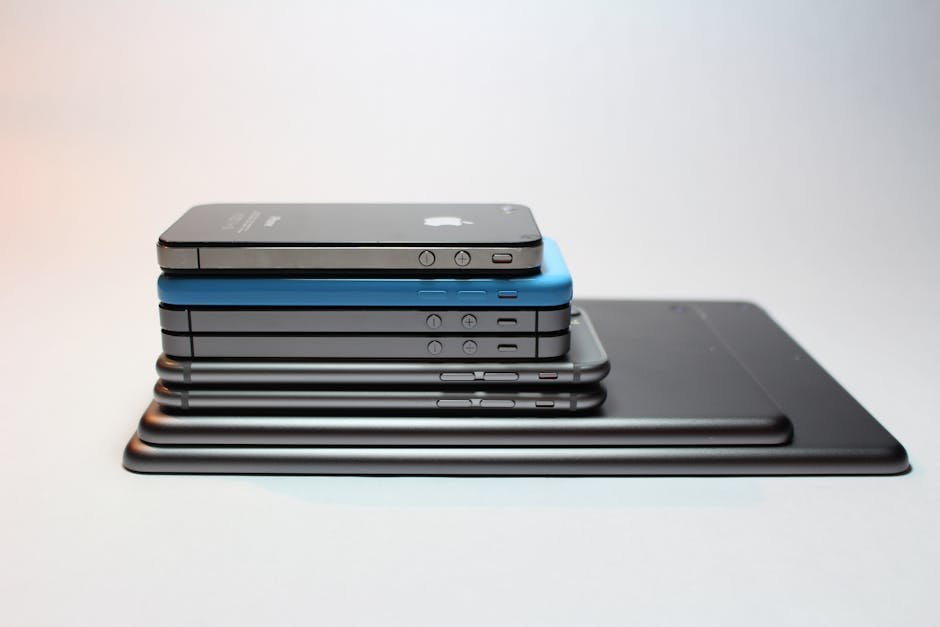
Here’s the thing about electronics: a refurbished phone or laptop does exactly the same job as a brand-new one. The only real difference is the price tag. Buying refurbished technology can cost 15 to 20 percent less than buying new and comes with climate and environmental benefits. In reality, many refurbished devices look and perform identically to new ones.
The global refurbished electronics market size was valued at over 110 billion dollars in 2024 and is projected to reach over 262 billion dollars by 2032. That explosive growth tells you something: this isn’t a niche hobby anymore. People are waking up to the value. E-waste is the fastest-growing stream of trash in the world, but many castoff laptops, iPads, headphones, and more are just in need of a little TLC. Platforms like Back Market sell professionally refurbished items that are returnable within 30 days and come with a one-year warranty.
If you’re a little nervous about a secondhand market, you can buy preowned devices directly from brands, including Apple and Microsoft. In Apple’s case, items might still be covered by an existing Apple Care plan or other warranty. So the safety net is there. You just have to be willing to look for it.
3. Furniture: Pay a Fraction, Get Twice the Character
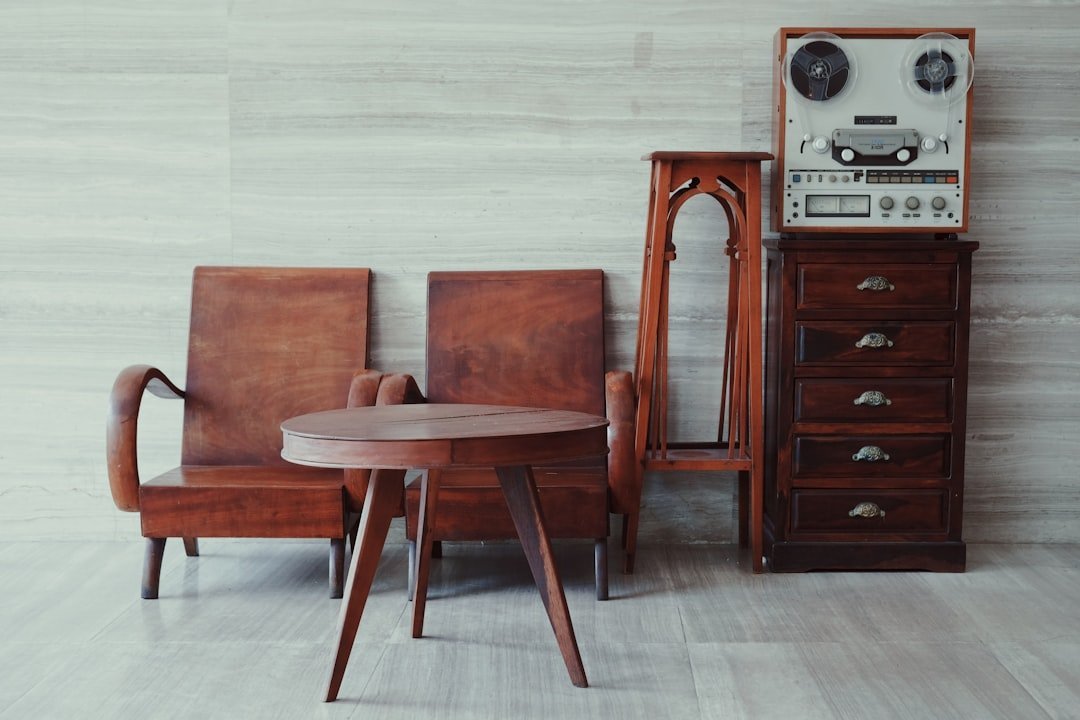
New furniture is shockingly expensive, and the quality at mid-range price points has actually declined over the years. Buying used flips that equation completely. There’s a constant buy-and-sell market for secondhand wood furniture, from everyday items like tables, chairs, dressers, and cabinets, to rare craftsman pieces like armoires and bureaus.
According to Google Trends data, “used furniture” maintained the highest search interest throughout 2025, indicating a steady and consistent demand for pre-owned home furnishings. People aren’t just searching out of curiosity – they’re buying. If you feel like the quality of items has significantly decreased in recent years, buying secondhand gives you the option to buy older things that are better quality. You can even customize or update the piece to add uniqueness while appreciating the way things used to be made.
I think there’s also something genuinely satisfying about a well-made vintage side table or a solid wood dresser that will outlast anything flat-packed today. Most secondhand activity happens in categories like furniture, electronics, tools, and sporting goods – proof that savvy shoppers have already figured this out.
4. Clothing and Apparel: Secondhand Is the New Standard
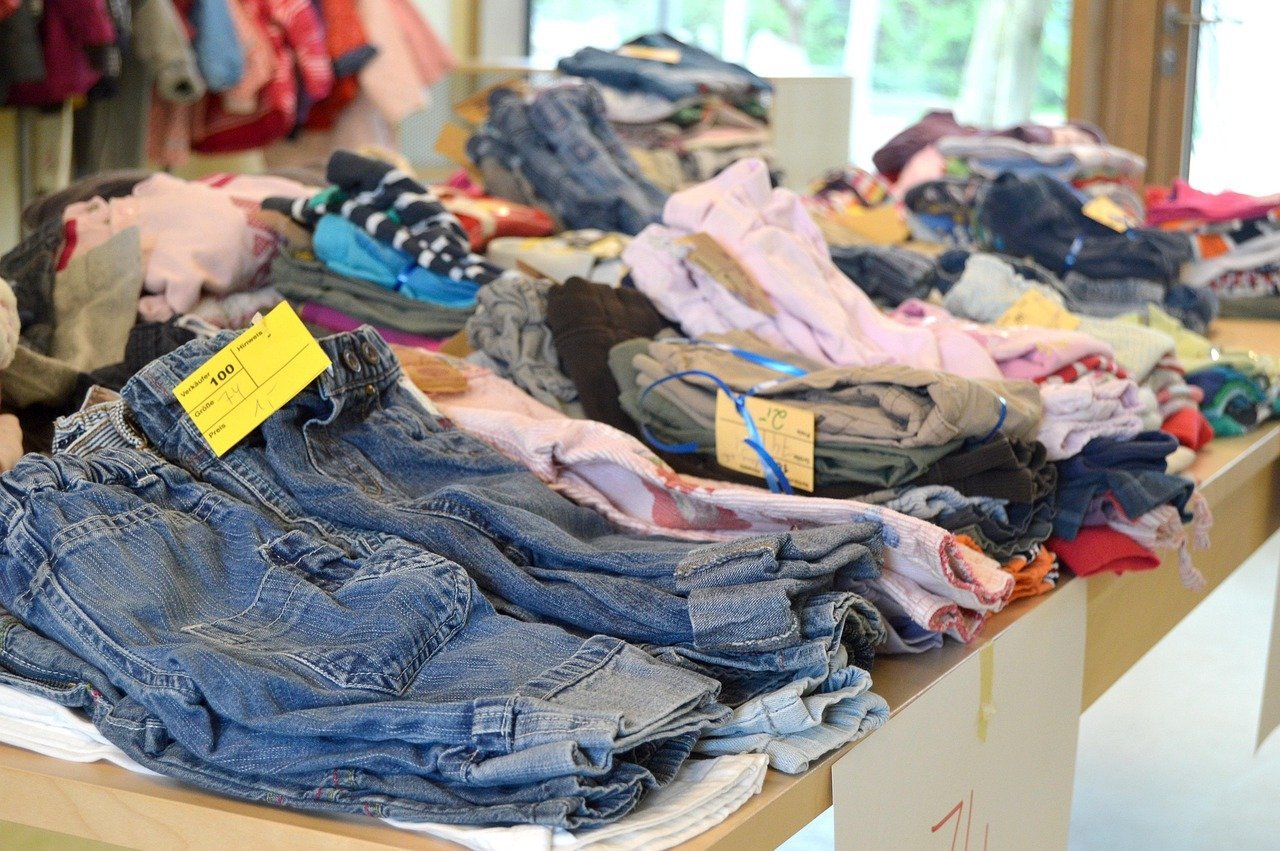
If you’re still buying every piece of clothing brand new, you’re genuinely leaving money on the table. A full 58% of U.S. shoppers purchased secondhand apparel in 2024 – that’s more than half the country. The stigma is gone. Thrifting is mainstream.
Consumers in a PYMNTS study reported saving 30 to 35 percent by buying used items, and clothing is one of the easiest categories to shop secondhand with consistent results. According to ThredUp’s 2025 Resale Report, 46% of consumers now say that if they can find an item secondhand, they won’t buy it new. That’s a powerful mindset shift.
Secondhand apparel sales in the U.S. increased by 14% from 2023 to 2024, and the trend is only accelerating. Platforms like ThredUp, Poshmark, and Depop make it easier than ever to find quality pieces at steep discounts. The key is knowing what to look for – natural fabrics, quality stitching, and trusted brands hold up beautifully.
5. Books: The Most Obvious Secondhand Purchase That Many People Still Miss
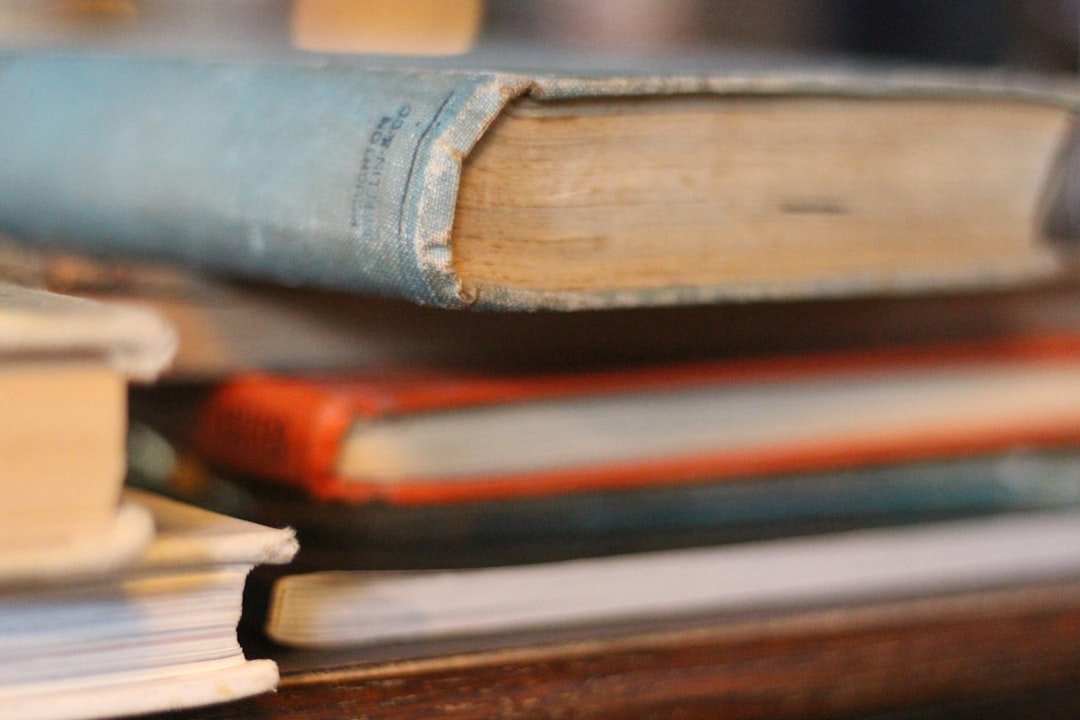
Paying full retail price for a book in 2026 is, I’ll say it, a bit unnecessary. Used books are everywhere – thrift stores, eBay, AbeBooks, local library sales – and most of them are in near-perfect condition. Books are described as “the ultimate good-to-buy-used category” by resale industry experts.
Children’s books are a particularly smart secondhand buy. Children’s books are terrific to purchase used, and at farmers markets, families have found brand-new “used” editions of classic titles for around four dollars each – approximately a two-thirds discount off retail price. That math is hard to argue with.
Coffee table books, textbooks, cookbooks – none of them change content once they’re printed. When it comes to coffee-table books, which are meant more for display than reading, buying used is by far the most cost-conscious route. Save your money. The words on the page are exactly the same.
6. Sporting Goods and Outdoor Gear: Because Kids and Seasons Change Fast
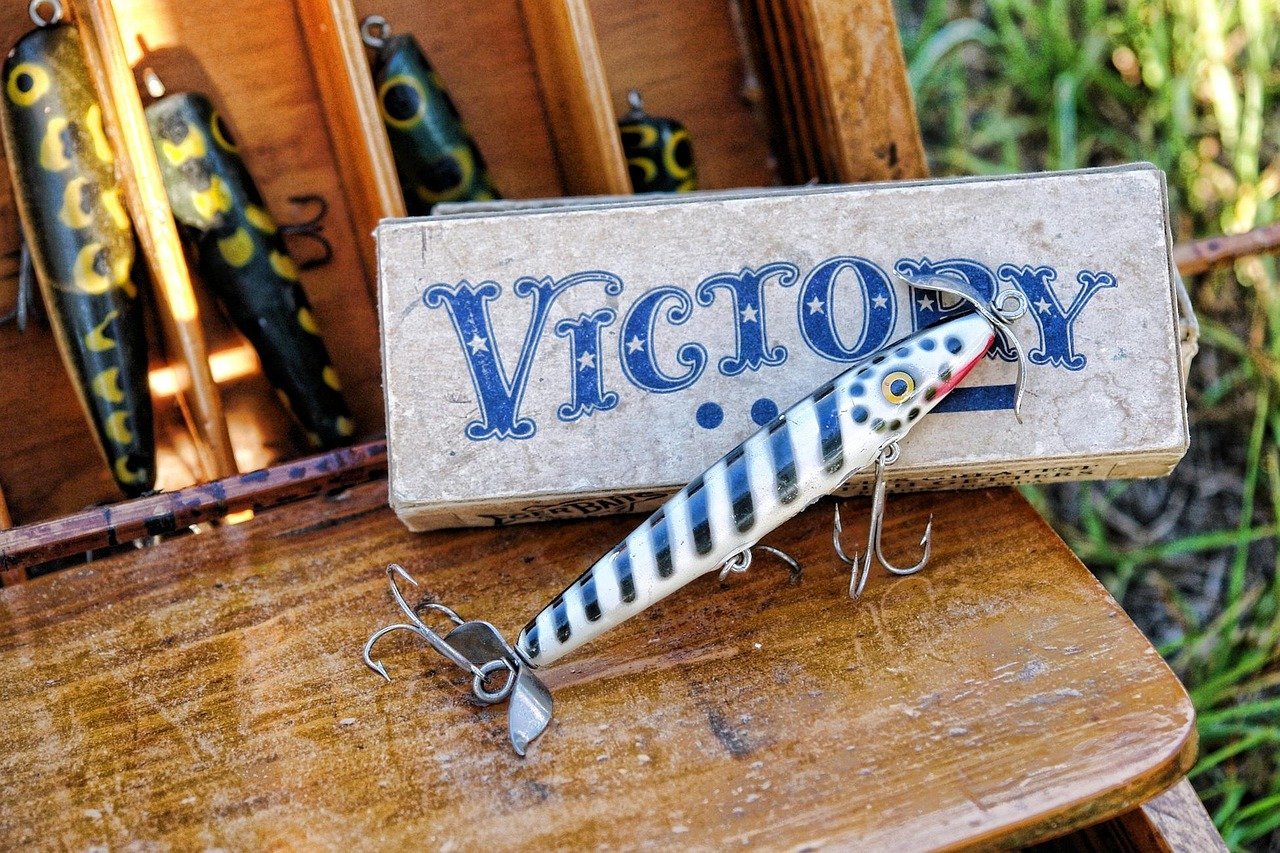
Sporting goods are one of the greatest secondhand bargains out there, especially for families. Kids grow out of equipment constantly, adults lose interest in hobbies, and seasons change – which means quality gear gets offloaded at dramatically reduced prices. When you have growing kids who need new sports gear or are trying different sports, the costs can add up quickly. Unless your kid is fully grown or committed to a sport, buying used sports gear can be a great option.
The outdoor gear resale market has matured significantly. Platforms like Geartrade can outfit almost any outdoorsy or athletic hobby, from hiking and flyfishing to biking and skateboarding. Outdoor lovers send their used kit to Geartrade’s warehouses, where the team inspects wares to ensure quality before anything is sold.
REI is one of the stores that benefited most from consumers switching to secondhand, seeing a nearly 100% surge in purchases in 2023. Millennials who favored renting or buying used outdoor equipment rather than new drove this growth. A used kayak paddles just as well as a new one. A used pair of skis still carves the same slope. Why pay double?
7. Musical Instruments: Where Used Often Means Better
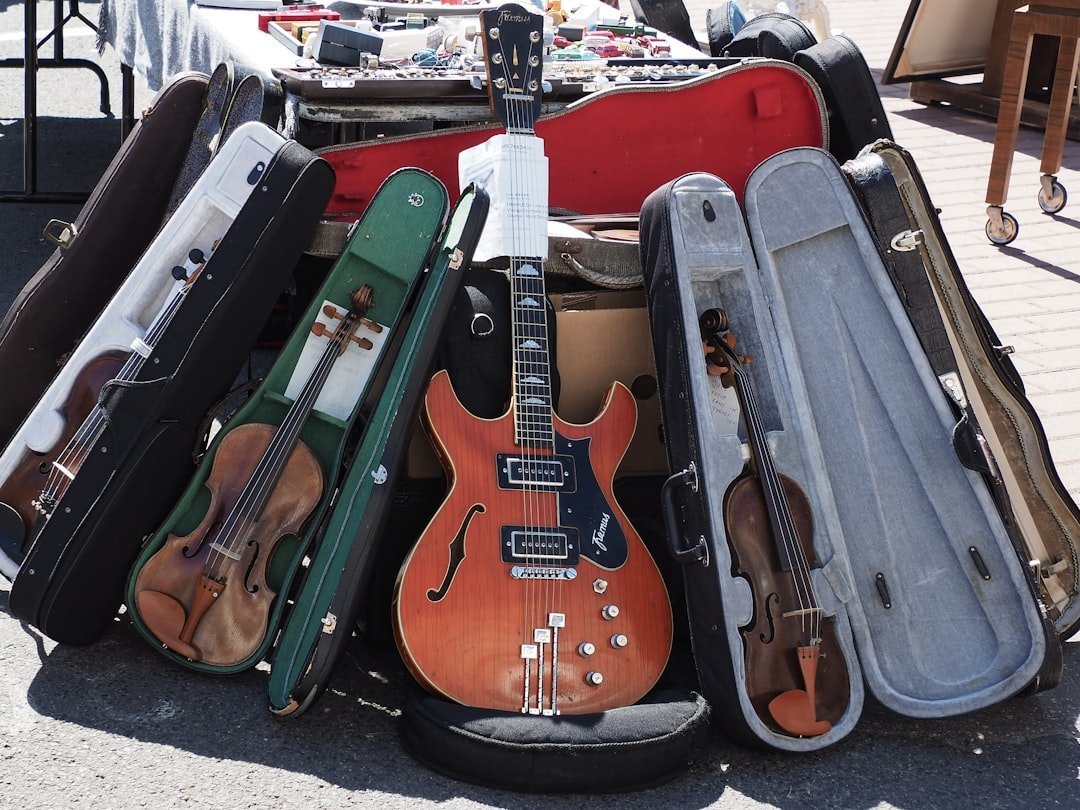
Here’s something that might surprise you: older instruments are frequently considered superior to their modern counterparts. Wood that’s been played for years develops a richer resonance. Metal hardware settles and warms. Buying a used guitar or piano isn’t just smart financially – it can actually be a better musical decision.
For parents or grandparents of kids who are considering taking up a musical instrument, buying used is the smartest way to go. This is particularly true for brass or woodwind instruments, though you’ll want to replace the mouthpieces. The same applies to guitars and violins, though the strings will often need to be replaced.
Platforms like Reverb are the go-to for any instrument you might be looking for: electric, acoustic, and bass guitars, synths, drums, DJ equipment, orchestra instruments, and more. It’s a person-to-person marketplace where sellers set their own return policies. Just inspect carefully, ask about history, and you’ll almost always end up with something remarkable at a fraction of new pricing.
8. Exercise Equipment: The Eternal Abandoned Resolution Market
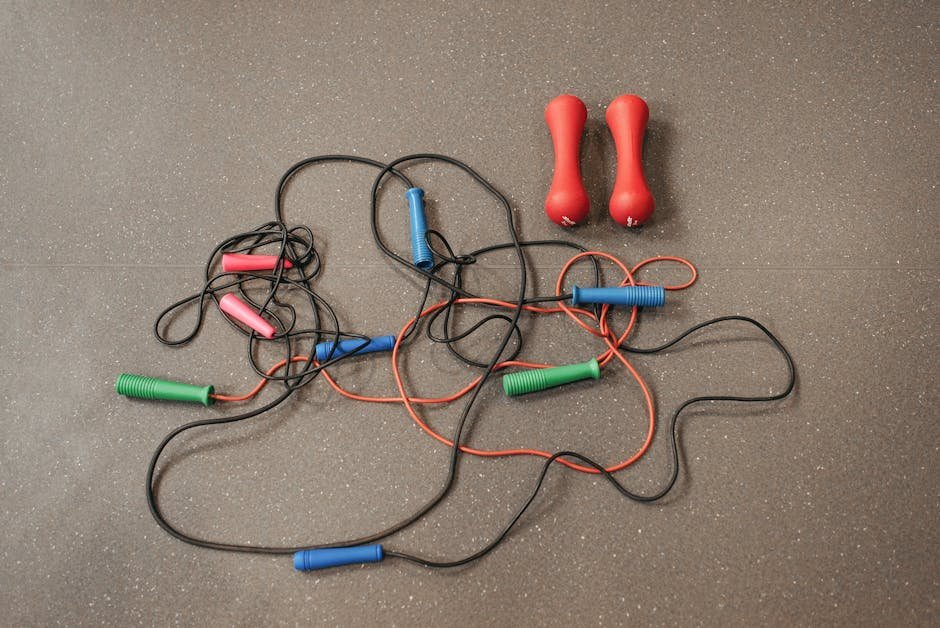
Gym equipment might be the single most reliable secondhand market in existence – because people buy it with great intentions and then, well, life happens. Exercise equipment like treadmills, ellipticals, and dumbbells are often still in great condition. Many people buy these items with the intention of starting a regimen but fall off quickly and then try to unload the bulky goods.
This creates a constant stream of barely-used equipment flooding platforms like Facebook Marketplace, Craigslist, and OfferUp – often at prices that seem almost embarrassingly low. Think about it: a treadmill that was used for three weeks is mechanically identical to a new one. The person selling it just ran out of motivation, not miles.
Nearly seven in ten shoppers turn to secondhand when the economy feels uncertain, and about eight in ten buy used to save money or offset rising costs. Exercise equipment is one of the cleanest categories to buy secondhand because the wear-and-tear is usually minimal and the savings are substantial. Your home gym doesn’t need to drain your savings account.
9. Tools: Older and Heavier Often Means Better Built
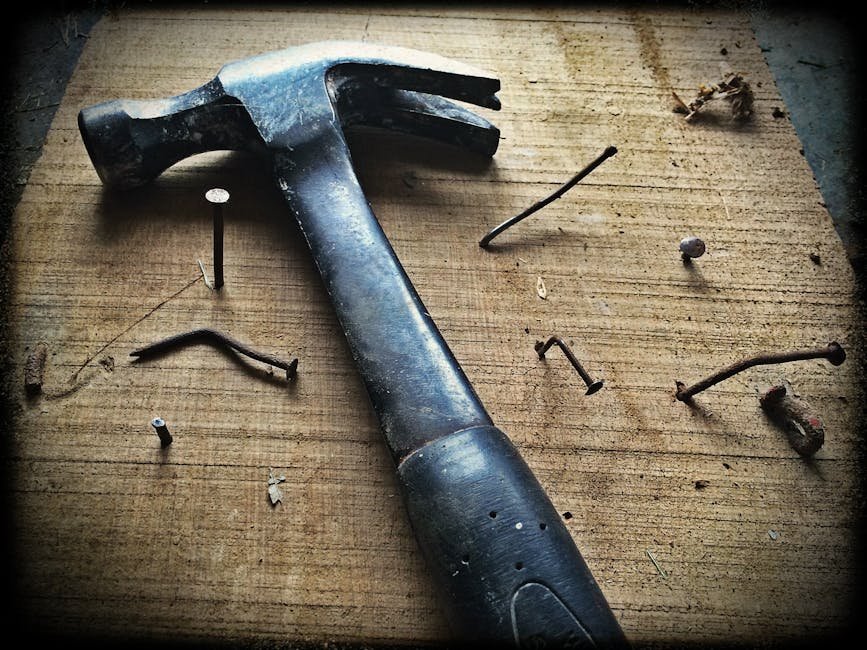
Power tools and hand tools from previous decades were often built to a higher standard than what you find on shelves today. Cast iron bases, thicker steel, heavier construction – older tools frequently outperform their modern budget equivalents. It’s easy to find a wide variety of hand tools available used at a great discount.
Garage sales, estate sales, and platforms like Craigslist are goldmines for used tools. For DIYers where owning tools is justifiable, platforms like CPO carry certified refurbished power tools from all the big brands – DeWALT, Bosch, Makita, Craftsman, and more – and offer a 120-day money-back guarantee on all refurbished wares. That’s serious buyer protection.
It’s hard to say for sure just how much you’ll save on any given tool, but the deals can be dramatic. A well-maintained used drill or circular saw from a reputable brand will outlast a cheap new one every single time. Most secondhand activity in the U.S. is happening in categories like furniture, electronics, tools, and sporting goods – and tools are an especially strong category for value hunters.
10. Pet Supplies: Smart Savings for Your Four-Legged Family Members
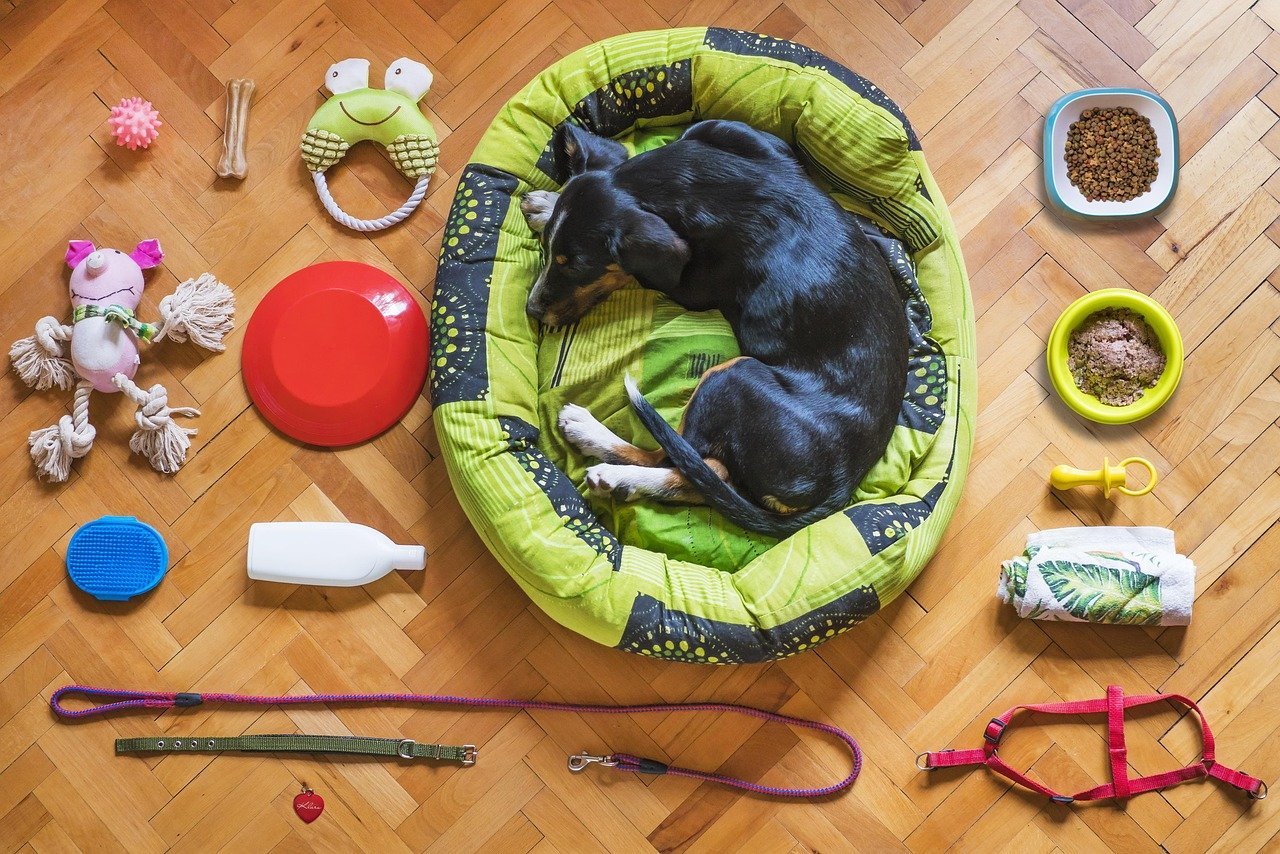
Pet supplies are expensive – anyone with a dog or cat knows the costs add up fast. Crates, leashes, feeding bowls, carriers, even agility equipment for dogs can cost a fortune new. The good news is that many of these items are completely safe and sensible to buy used. There may be no savvier way to pick up basic items for your pet than secondhand. Pet crates, for example, sell quickly at garage and yard sales because they are very costly when purchased new.
Experts also encourage dog owners to buy feeding bowls, leashes, and collars secondhand, since they can be pricey at the pet store. A stainless steel bowl is a stainless steel bowl. It doesn’t matter if it’s been used before – a good wash and it’s perfectly fine. Veterinarians say that solid pet products, like food bowls and dog crates, are generally safe to buy used, as long as you clean them thoroughly.
Just be selective about what you buy. Soft items like pet beds or fabric toys are better purchased new for hygiene reasons – but for the hard goods? Skip the pet store markup entirely. The savings over the lifetime of a pet can be genuinely significant, and your dog won’t notice the difference between a new crate and a gently used one.
The Bottom Line: A Used Version of Smart Money Management
The secondhand market is no longer a last resort. It’s a deliberate, data-backed strategy for protecting your money without sacrificing quality. The U.S. secondhand market is currently worth about 56 billion dollars as of 2025, up over 14% from 2024 – and millions of people are benefiting from it every single day.
The majority of shoppers say they shop secondhand to save money, whether to find lower prices or to navigate inflation and tariffs. That’s not a trend – that’s a fundamental shift in how people think about spending. Whether it’s a car, a guitar, a treadmill, or a dog crate, the used version almost always delivers real value at a real discount.
The next time you’re about to click “buy new,” pause for thirty seconds. Check the secondhand market first. You might be surprised at what’s out there – and how much you can keep in your pocket. What would you do with the money you saved? That question alone might change the way you shop forever.