
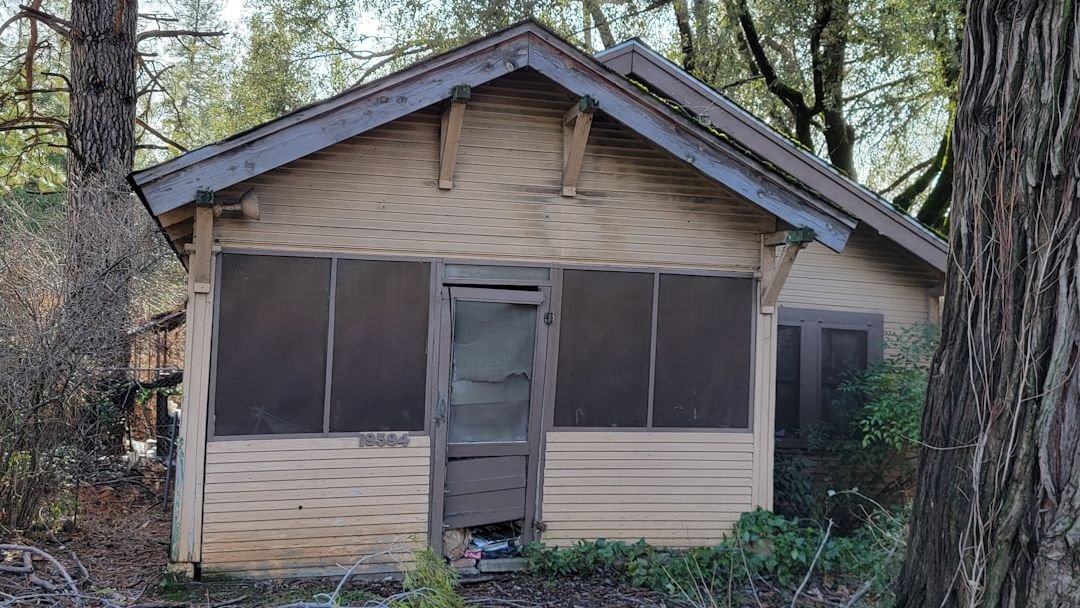
It sounded like the smartest move I could make. A worn-out property with “good bones,” a lower price tag, and a dream in my head of finally crafting the perfect retirement home from scratch. What could go wrong? Plenty. More than I ever could have imagined when I signed those papers.
The reality of buying a fixer-upper in retirement is not what the renovation TV shows make it look like. There are no commercial breaks between demolition and perfection. There’s just dust, delays, drained savings, and a lot of sleepless nights. If you’re considering something similar, read every word of this.
1. The Costs Blew Way Past My Budget – Before I Even Moved In

Let’s start with the big one. The 2024 Renovation Survey from Houzz found that nearly four in five homeowners said their final costs were higher than what they had originally planned. The average overage was 27%. I thought I had built in a healthy buffer. I was wrong.
The median household spending on renovations was $20,000 in 2024, according to a 2025 U.S. Houzz and Home Study on renovation trends. But that median tells only part of the story. Major gut renovations – the kind my fixer-upper really needed – cost far, far more.
Average costs for a gut renovation range from $100,000 to $200,000, or $60 to $150 per square foot, typically including new plumbing, electrical, appliances, roofing, and HVAC. In practice, some gut renovations can climb as high as $500,000 depending on the size and finishes. I had budgeted for a renovation. What I got was a financial marathon I hadn’t trained for.
2. Hidden Damage Lurking Behind Every Wall
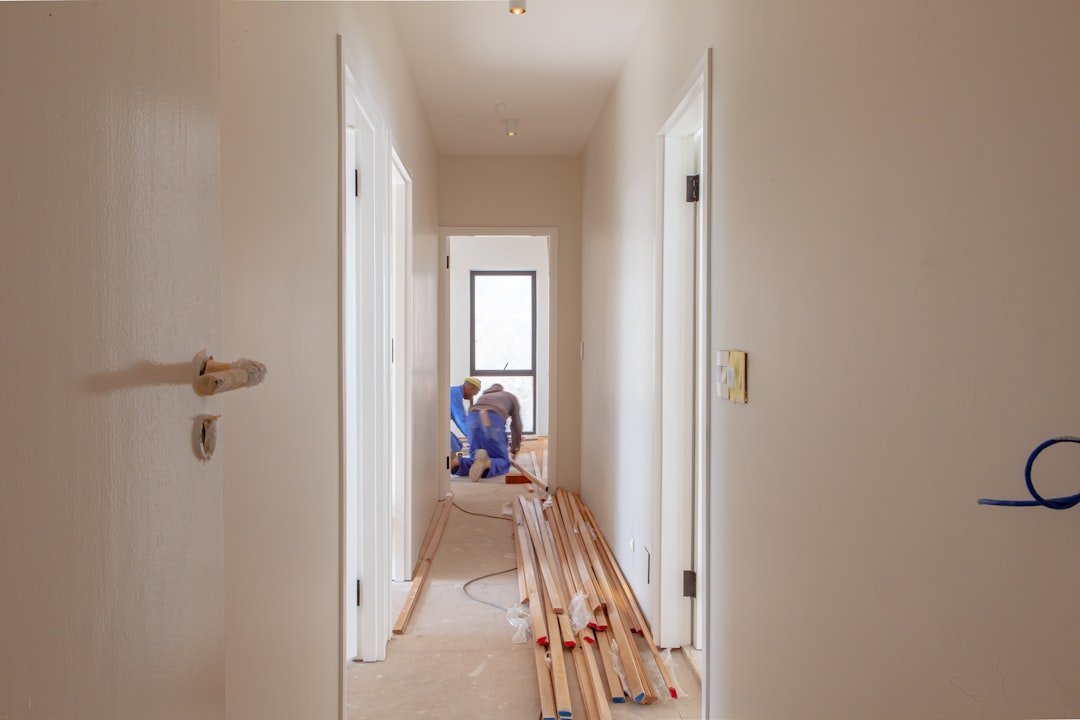
Here’s the thing about old houses – they are excellent at keeping secrets. You think you’re buying a bargain, and then the walls start talking. According to the American Society of Home Inspectors’ 2024 Industry Report, approximately a third of major issues discovered during renovation were not identifiable during the pre-purchase inspection – not because the inspector was incompetent, but because the issues weren’t visible or accessible without invasive investigation.
That “cheap” house with shag carpet and wood paneling might hide outdated plumbing, foundation cracks, or an electrical system that’s a lawsuit waiting to happen. Honestly, that sentence describes my situation almost word for word.
Failing to identify and address foundation issues can be expensive, with the average cost of foundation repairs totaling $5,400 according to Forbes in 2024, rising to over $50,000 for extensive work. What started as a cosmetic project turned into an excavation of problems I never knew existed.
3. Renovation Projects Took Dramatically Longer Than Anyone Told Me
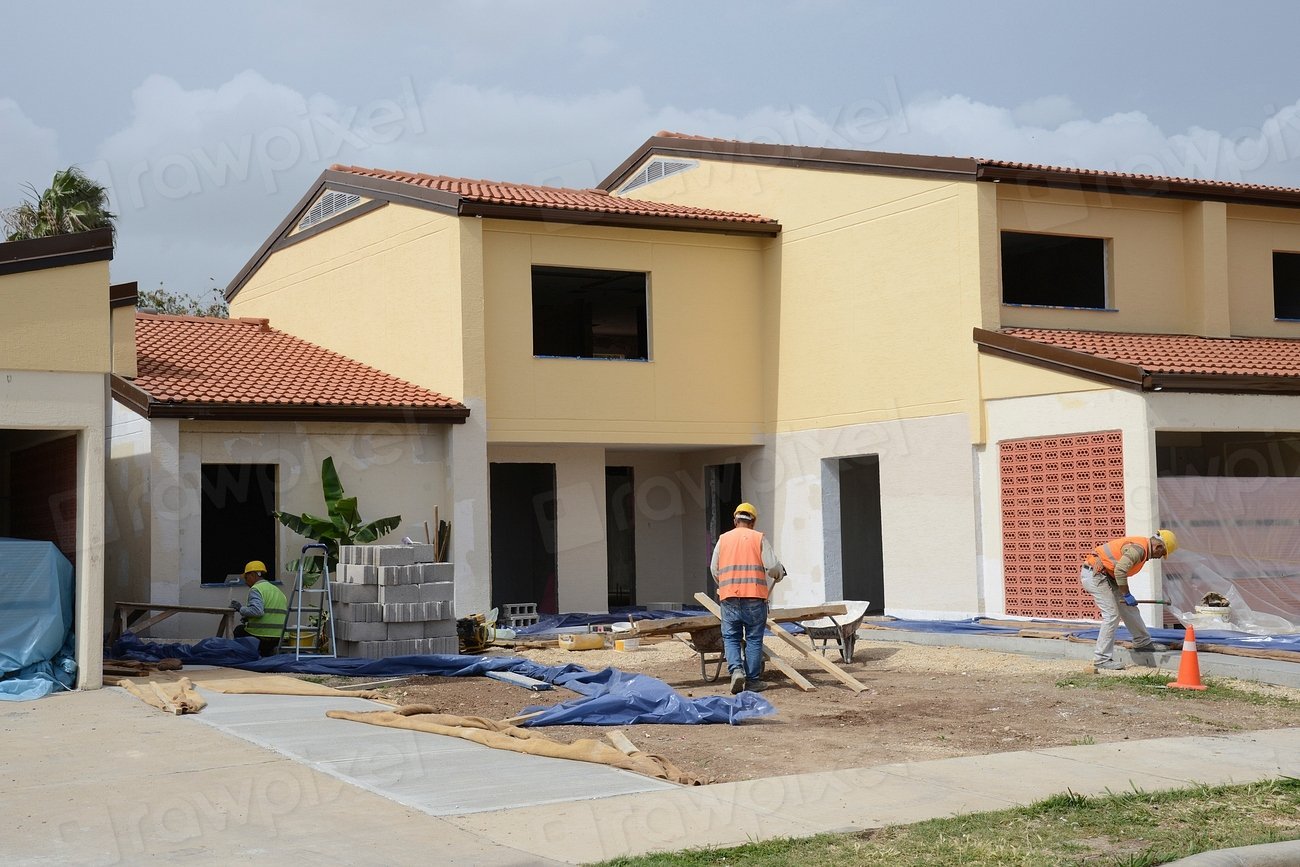
According to the National Association of Home Builders’ 2024 Remodeling Report, the average substantial renovation project takes 47% longer than initially estimated. Nearly half again as long. Think about what that means for a retiree who planned to be settled in their home by a certain date.
Across North America, a staggering 98% of construction projects face delays, with the average project duration extending 37% longer than originally projected. I kept telling myself, “just a few more weeks.” Months passed. Then more months.
Nearly half of homeowners are spending more time on planned home renovations and unplanned repairs than they expected when they bought their home. For instance, more than half of homeowners thought their most recent home renovation would take one month or less, but fewer than half say their renovation was completed during that time frame. The calendar became my enemy.
4. Finding a Reliable Contractor Was a Nightmare

I know it sounds crazy, but finding a good contractor in 2024 and 2025 felt like finding a unicorn. The skilled labor shortage has become a genuine crisis in America. The residential contractor employment landscape faces an unprecedented crisis, with a record-breaking 32% labor shortage across the industry in 2025. This alarming deficit represents the most severe skilled trade shortages in modern construction history.
Construction workforce shortages are the leading cause of project delays, with new immigration enforcement efforts having impacted nearly one-third of construction firms. Notably, 92% of contractors report they are having a hard time filling open positions. That is nearly every single firm in the country struggling to hire.
From the start, roughly one in four homeowners say it was challenging to find a reliable contractor, with more than four in ten saying it took more than one month to find one. And once you finally find someone, hold on tight – because the stress is only beginning. About 29% of homeowners reported having to fire a contractor in the middle of a project.
5. The Budget Overruns Hit My Retirement Savings Hard

This is where it gets genuinely scary for retirees specifically. You are not working anymore. You have a fixed pool of money. Every dollar that goes into that house is a dollar that is not growing in your retirement accounts. Almost one in three homeowners have gone into debt completing a home renovation project. More than one in four racked up at least $5,000 in debt, while one in five racked up at least $10,000.
Surprise repair expenses cost more than four in ten homeowners more in 2025 than they did in 2024, as tariffs and inflation have pushed up the price of materials and labor. Although more than four in ten homeowners have a dedicated savings account for home repairs and renovations, nearly one in three have less than $5,000 saved. More strikingly, more than half of homeowners have nothing saved for emergency repairs.
Think about that. More than half of people go into a fixer-upper completely unprepared for the inevitable curveballs. For retirees on a fixed income, this can be catastrophic – not just uncomfortable.
6. The Stress Was Completely Incompatible With Retirement Life

Retirement is supposed to be a time of peace. Slow mornings. Travel. Grandkids. Instead, I was managing contractor schedules, dealing with permit offices, and running to the hardware store three times a week. Homeowners who used a contractor were 15% more likely to be stressed during their renovation than those who took a DIY approach. Either way, stress was unavoidable.
Buyers should understand not only the financial risk, but the time and mental strains tied to renovations. Nobody warned me just how all-consuming it would become. It stopped feeling like a project. It started feeling like a second job – one I hadn’t applied for and definitely hadn’t wanted.
The emotional toll is real and it is underreported. Living in a half-finished house, surrounded by tools and dust and workers coming in and out – that wears you down in ways that are hard to put into words until you are living it yourself.
7. The House Was Not Accessible for Aging in Place – and That Cost Even More
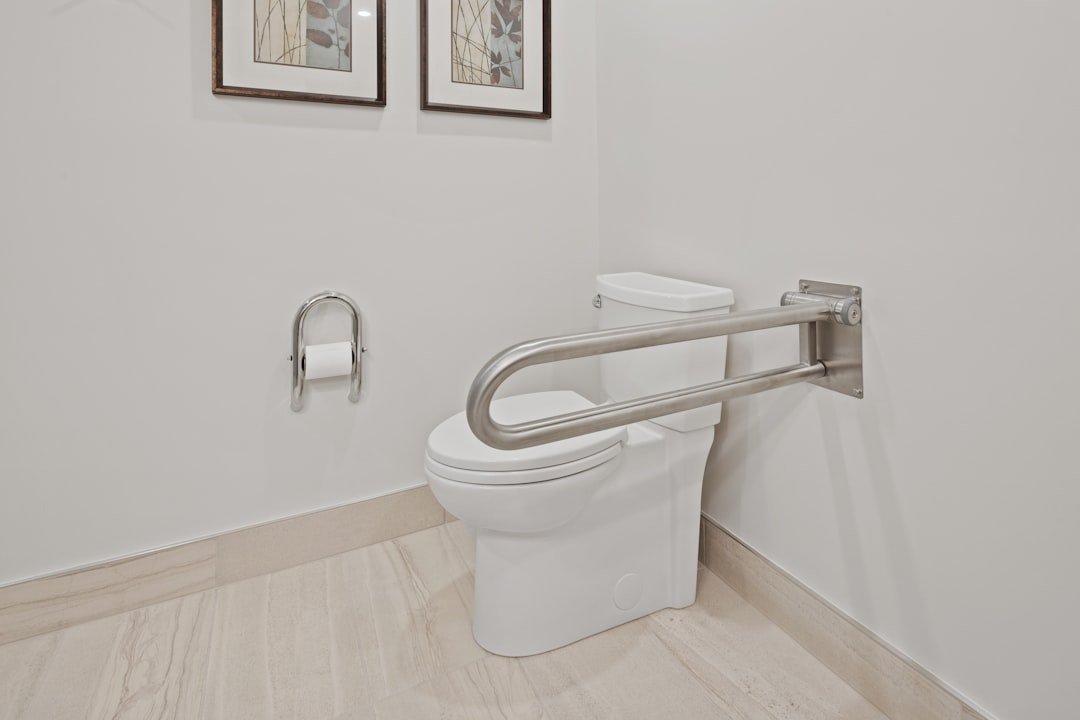
Here’s something nobody talks about enough. A fixer-upper is often an older home. Older homes were not built with older bodies in mind. About two in five adults over 65 have mobility issues or some form of disability, and most homes in the U.S. aren’t built with them in mind. In fact, just 4% of the housing stock nationwide is built to accommodate aging adults.
I had to renovate for livability first, then renovate again for accessibility as my needs changed. Accessible bathroom remodeling can cost up to $40,750, depending on location and project scope, according to Zonda’s 2024 Cost vs. Value Report. That figure nearly floored me. For one bathroom. And the return on investment at resale? This type of remodel brings roughly a 49% ROI at resale. You spend $40,000 and get back less than half.
Seniors nearly doubled their typical bathroom renovation cost, rising from $8,500 in 2023 to $15,300 in 2024. The costs keep climbing, and the needs are not optional when your body starts demanding them.
8. Material Costs and Inflation Kept Rising Throughout the Project
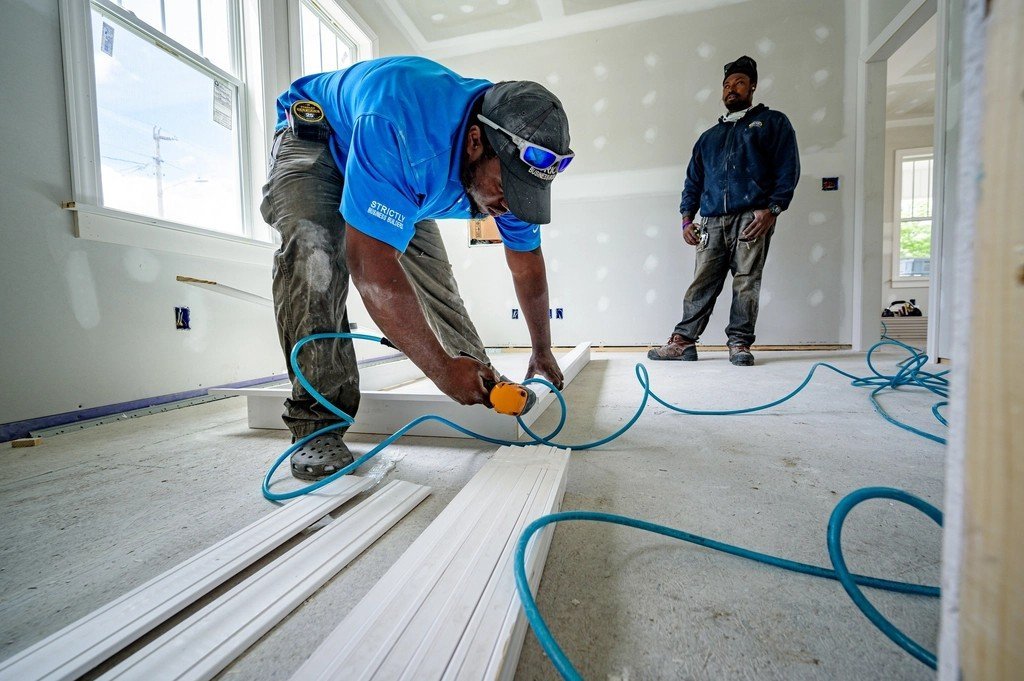
When I started the renovation, I had a budget based on one set of prices. By the time I could actually get contractors scheduled and work underway, those prices had shifted considerably. According to the U.S. Bureau of Labor Statistics, the Consumer Price Index rose by about 2.6% in 2024, putting upward pressure on both labor wages and material prices.
Macroeconomic conditions such as continued supply chain delays and rising material costs are serious obstacles. Nine in ten senior supply executives say they encountered supply chain challenges in 2024, according to McKinsey. Every delay meant I was re-quoting materials at a higher price than before.
Experts predict that labor costs may continue to rise due to inflation, increasing demand for skilled workers, and changes in labor regulations. This implies that hiring contractors and skilled professionals for home renovation projects could become more expensive in the coming years. There is no finish line on these cost increases – they simply keep moving.
9. The Kitchen and Bathroom Renovations Alone Were Ruinous
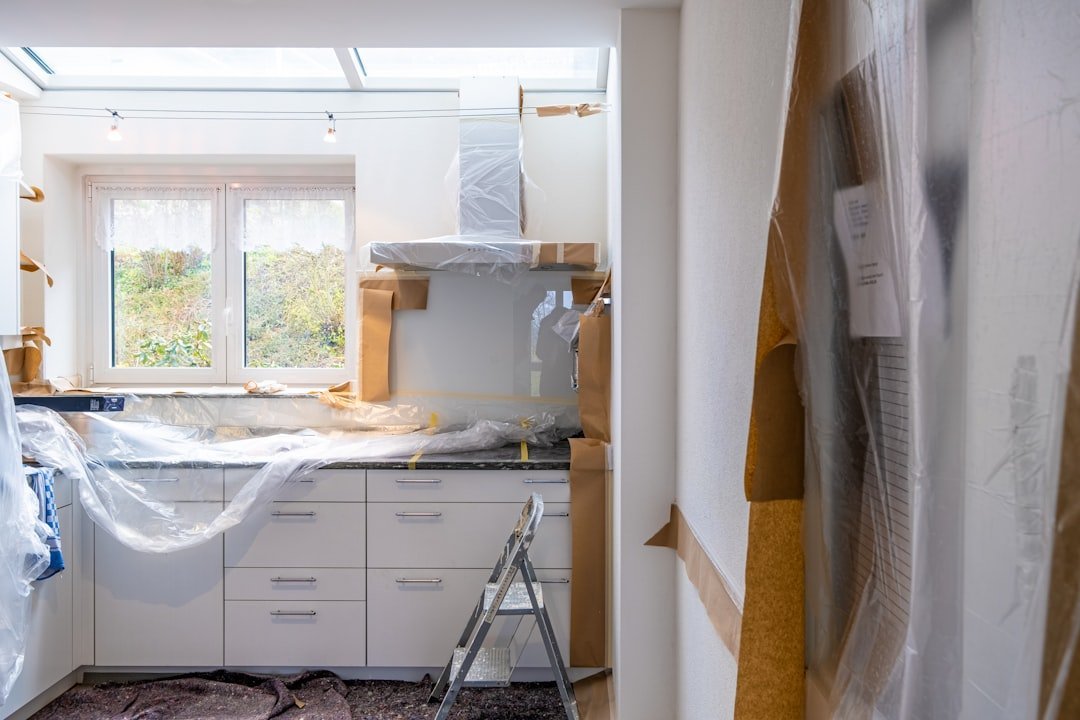
Everyone says “kitchen and bathrooms sell homes.” What they forget to mention is that kitchens and bathrooms can also bankrupt you. According to Angi, the home improvement site, the average cost of a kitchen remodel in 2025 is almost $27,000, with the potential to cost twice that amount or more. My old house had a perfectly functional kitchen. I traded it for this.
In 2024, a mid-range kitchen remodel cost nearly $80,000, with only about half of that cost likely to be recouped at resale. Let that sink in. Roughly half of what you spend on a kitchen simply evaporates. It does not come back when you sell.
The average bathroom renovation ranges from $6,000 for smaller-scale fixes to $30,000 for a complete gut do-over, with the average price tag coming in at $12,115 in 2025, according to Angi. Multiply that across a house with two or three bathrooms and the numbers become frankly shocking. My old house had updated bathrooms. I took that completely for granted.
10. The Fixer-Upper Did Not Deliver the Resale Value I Expected

I told myself this was also an investment. That the sweat equity and the money poured in would come back around when the time came to sell. The market disagrees. A Zillow analysis finds buyers are willing to pay nearly 4% more than expected for a home that is already remodeled – an additional $13,194 on a typical U.S. home.
The market has shifted decisively toward move-in ready properties. As buyers begin to gain the upper hand in more parts of the country, sellers can no longer be assured that a costly gut renovation is an investment that will quickly pay off. Nearly 30% of all for-sale listings on Zillow are now described as “renovated.” The competition is fierce, and buyers have choices.
According to data from Zillow Research’s 2024 market analysis, homes listed as-is or described as needing work sold for an average of 22% less than comparable move-in ready homes in the same neighborhoods. My fixer-upper would have needed to be finished flawlessly just to break even. That never quite happened.
11. Living Through the Renovation Was More Disruptive Than I Anticipated
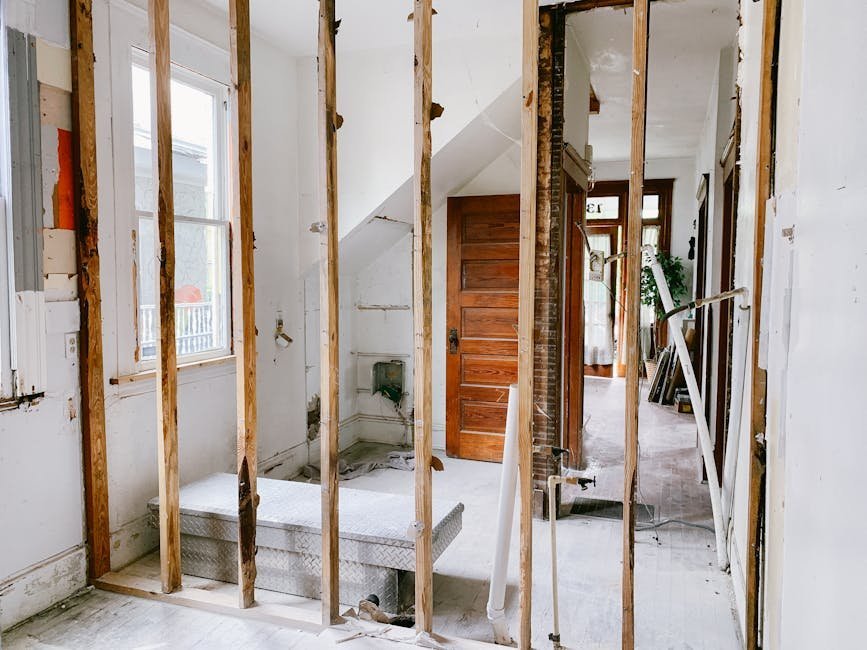
Some people renovate homes while living elsewhere. I tried to live through it to save on temporary housing costs. That was a serious mistake. Renovations can be incredibly time consuming and stretch far beyond the projected timeline, as bad weather, material shortages, and hidden damage cause delays. Nearly half of homeowners say their last renovation took longer than expected, and more than a quarter experienced significant setbacks.
Living in a construction zone is physically and mentally exhausting at any age. At retirement age, with health needs and a desire for quiet and comfort, it can feel defeating. Many houses aren’t designed for the needs of older adults who may have reduced mobility, greater fall risks, and diminished stamina. A half-renovated house can actually become a hazard.
You may also need to find somewhere else to live while the work is being done. The cost of that temporary housing – whether a rental, staying with family, or a hotel – adds to the financial mountain that was already growing.
12. My Old House Had Already Been the Smart Investment All Along
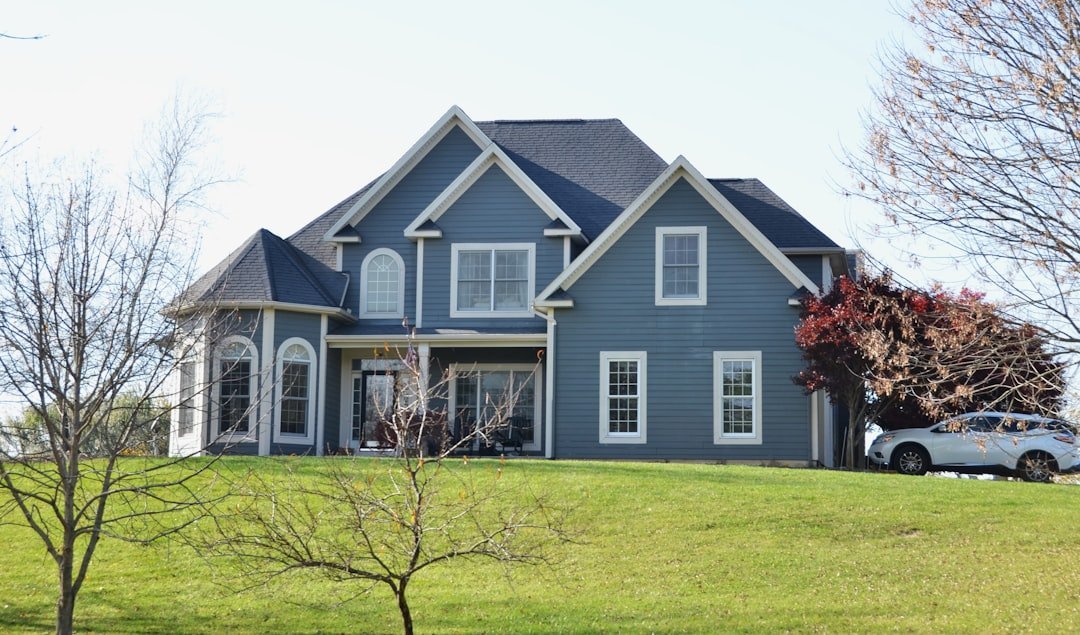
Here’s the part that stings the most when I think about it now. My old house was already paid off. It was familiar. It had been adapted, piece by piece, over the years to suit my life. With high prices and rising interest rates making homeowners reluctant or unable to move, many are opting to change their current home to meet their needs. In fact, nearly two-thirds of homeowners would prefer to remodel their home rather than move to one that has already been renovated, according to a survey by Clever Real Estate.
Over the last five years, homeowners have gained about $150,000 in home equity, roughly $30,000 annually. Almost half of all mortgaged homes are considered “equity-rich,” with owners holding 50% or more equity in their properties. My old house had that equity. Moving into a fixer-upper meant starting from scratch on the value ladder – at the worst possible time.
It’s hard to say for sure, but I believe most retirees who romanticize the idea of a fixer-upper are really just craving a fresh chapter. That fresh chapter does not require buying someone else’s problems. It just requires a new perspective on what you already have. The house you know is worth far more than the house you think you want.
Conclusion: The Dream Was Real. The Reality Was Something Else.
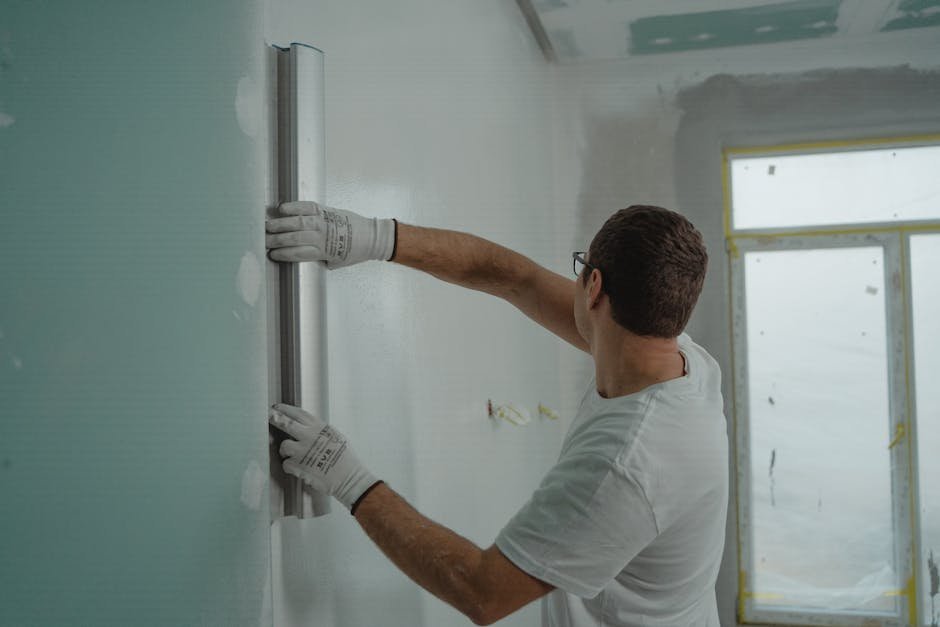
I don’t regret wanting something new and exciting at the start of my retirement. That impulse is completely human. What I regret is underestimating everything the data was already telling me – if only I had looked for it. The costs, the delays, the labor shortages, the accessibility needs, the stress. None of it was hidden. I just chose not to see it.
Done wrong, a fixer-upper will drain your bank account and test your sanity. That line from a 2025 real estate advisory is blunt, but it is accurate. The gap between the vision on paper and the reality in person can be enormous – and in retirement, you often don’t have the time, energy, or financial flexibility to bridge that gap.
If you’re standing at the edge of this same decision right now, ask yourself one honest question: are you renovating a house, or are you running away from standing still? Sometimes the bravest, smartest thing you can do is stay put – and finally appreciate what you’ve already built. What would you have chosen, knowing all of this?