
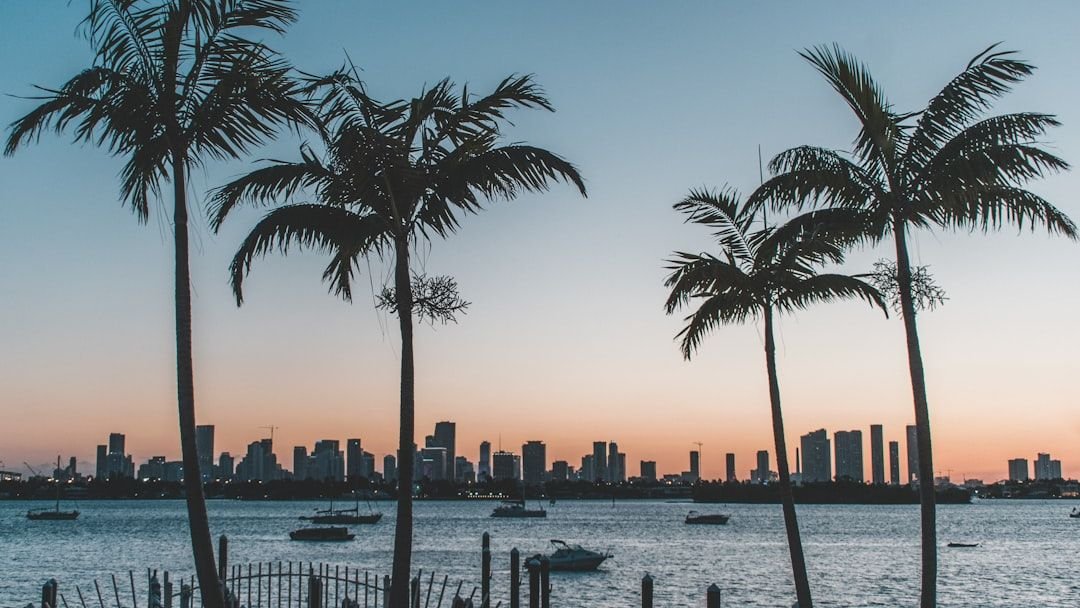
Retirement is supposed to be the reward. Decades of working, saving, and dreaming – all of it pointed at that one golden destination. For millions of Americans, that destination has a name: Florida. Warm winters, no state income tax, beaches on every horizon. It sounds perfect on paper.
But here’s the thing – paper doesn’t sweat. Paper doesn’t watch a hurricane devour your roof or open an insurance bill that makes your hands shake. I moved to Florida with every expectation of paradise. What I found was something altogether different. Let’s dive in.
1. The Homeowners Insurance Crisis Is Genuinely Alarming
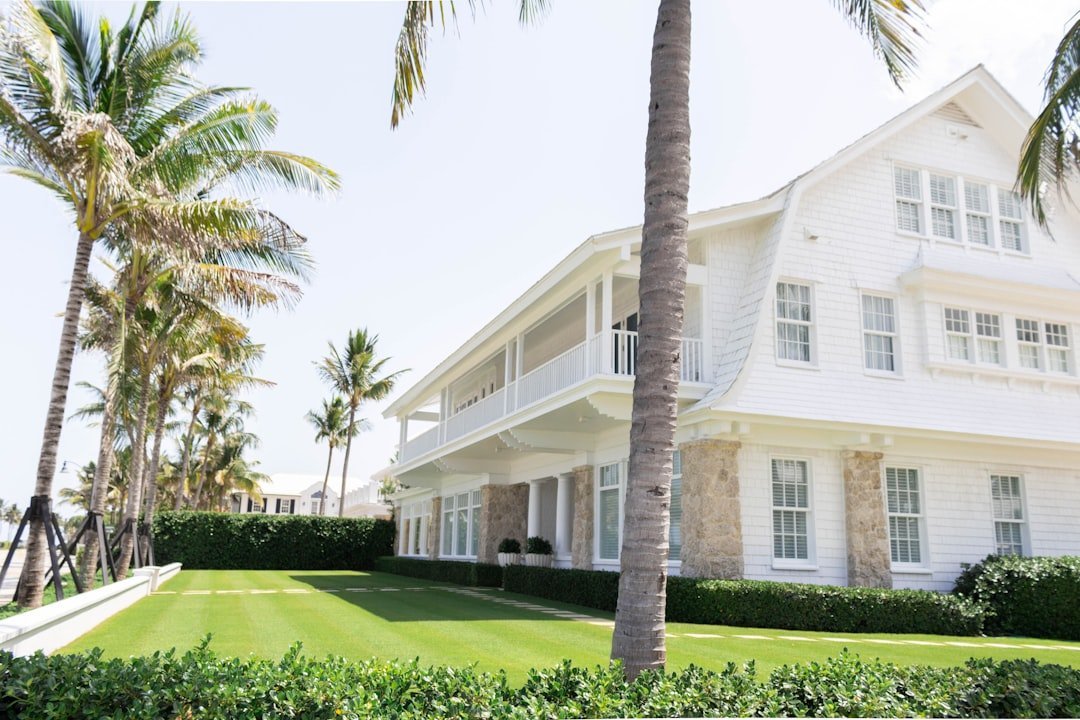
Nothing prepared me for what insurance in Florida would actually cost. Insurify projected Florida’s average annual home insurance premiums would rise another 9% in 2025, reaching a staggering average of $15,460 annually – that’s $1,320 more than the year before. Think about that number for a second. That’s roughly $1,300 a month just to insure your house, before you even think about groceries.
Multiple major carriers have either gone insolvent or completely withdrawn from Florida. Since 2022, over 20 insurance companies have stopped writing new policies in the state, leaving fewer options for consumers. The result? You’re often stuck with whoever will take you. Roughly seven out of ten Florida homeowners have experienced rising insurance costs or coverage changes, such as their insurer dropping them, a 2024 Redfin survey found.
Rising home insurance rates create serious financial challenges for retirees, low-income residents, and families on fixed budgets throughout Florida. Many homeowners face difficult choices between maintaining adequate coverage and managing monthly expenses within limited budgets. I was one of those people. Choosing between coverage and comfort is not a retirement. It’s a trap.
2. Hurricane Season Is Not Just Inconvenient – It Is Terrifying

Hurricane season runs half the year, from June 1 to November 30, with an average of three major hurricanes per year, according to the National Oceanic and Atmospheric Administration. Six months of anxiety. Half a year of checking weather apps and stocking water bottles. That mental toll alone is exhausting for anyone, let alone retirees.
Florida is no stranger to natural disasters, with hurricanes, flooding, and torrential rain hitting the peninsula regularly. The state’s coastal positioning between the Gulf of Mexico and the Atlantic Ocean, along with its long, thin shape, makes it uniquely susceptible to adverse weather. The National Centers for Environmental Information report that the state was hit with 94 disaster events between 1980 and 2024.
In September 2024, Hurricane Helene hammered Florida and the Southeast, killing more than 230 people, making it the deadliest hurricane to strike the U.S. since Hurricane Maria in 2017. Some estimates put the economic impact as high as $200 billion, which makes this storm the costliest in U.S. history. I know it sounds dramatic, but I genuinely lost sleep from June to November every single year I lived there.
3. The Property Market Left Me Financially Exposed
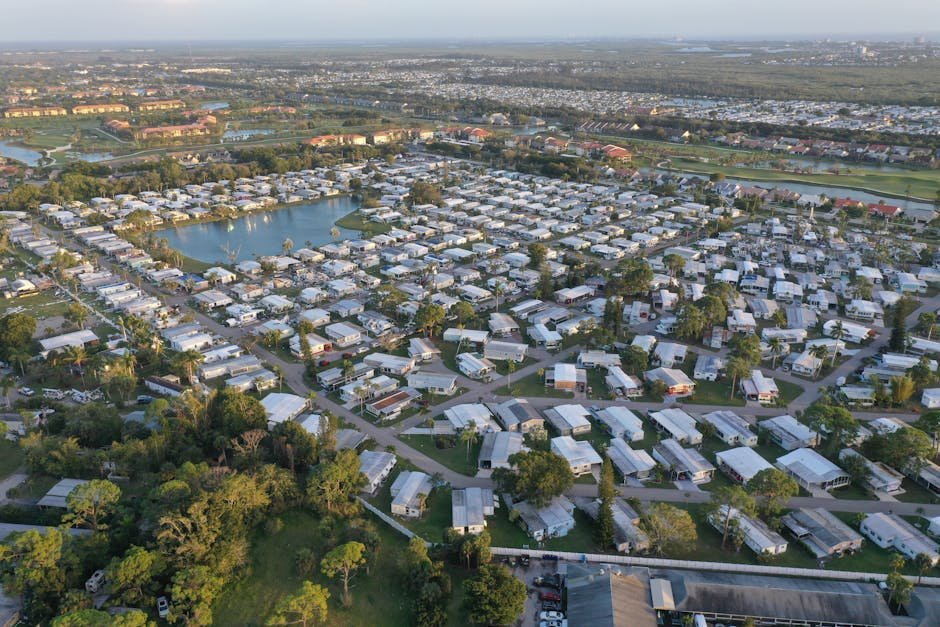
Despite the prevalence of natural disasters, Florida’s real estate market has exploded in recent years. Since 2020, the population has grown by a staggering 8.2% per the U.S. Census Bureau. This rapid population surge has placed immense pressure on Florida’s real estate market, leading to a significant housing shortage. As a result, housing prices have risen dramatically.
Retirees who purchased property decades ago have seen their wealth spike, while many of those considering a move to Florida are now outpriced. As of late 2025, Zillow places the average home in the state at around $377,000, which is slightly above Zillow’s U.S. average home value. Moving in expecting affordability, I was quickly confronted with a market that had changed dramatically in just a few years.
The state falls short for retirees in areas including high home prices, high property taxes, high sales tax, and high homeowners insurance. Honestly, the no-income-tax promise starts to look a lot less glamorous when every other financial lever is being pulled against you at the same time.
4. The Heat and Humidity Are No Joke for Older Adults

Everyone talks about the sunshine. Nobody warns you about the humidity. Florida is genuinely, suffocatingly humid. With the Atlantic Ocean on one side and the Gulf of Mexico on the other, Florida is the most humid state in the nation, according to the Florida Climate Center at Florida State University – and the reality for many retirees is limiting outdoor activity to early mornings and evenings.
Older adults are at greater risk for heat-related illness and death, making them particularly vulnerable to health impacts from climate change, the U.S. Environmental Protection Agency says. Aging bodies are less able to notice temperature changes or feel thirsty, increasing their susceptibility to dehydration, heat exhaustion, and heat stroke. This is not a theoretical risk. This is a real, documented medical concern for people in their 60s and 70s.
Imagine moving somewhere to enjoy the outdoors in retirement, only to spend five months of summer essentially housebound – air conditioner humming, blinds shut, and waiting for October. That was not the retirement I imagined. Not even close.
5. The Healthcare System Is Worse Than You’d Expect
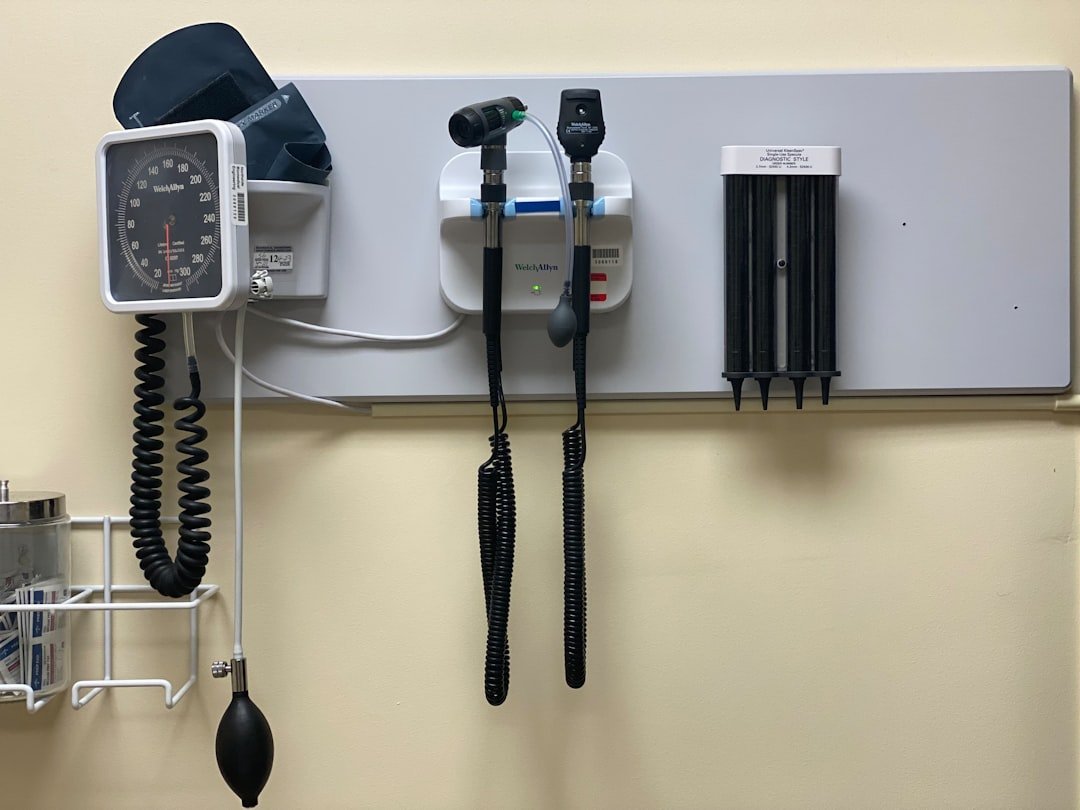
Here’s a fact that stunned me when I first came across it. With over one in four Floridians aged 65 or older, you might expect the healthcare system to be among the best in the country. Unfortunately, the Sunshine State doesn’t shine bright in this category. Florida’s healthcare system consistently ranks low compared to other states in several crucial areas, including successful outcomes, accessibility, and affordability.
A 2025 WalletHub study ranked Florida at No. 42 in the entire country – firmly among the bottom ten worst healthcare systems nationwide. That ranking haunted me. Meanwhile, long-term care in Florida, which Medicare tends not to cover, can reach anywhere from $63,000 to over $130,000 per year, depending on how much attention is required, according to 2024 data from Genworth.
For a retiree on a fixed income, those numbers aren’t just alarming – they’re potentially ruinous. When I started doing that math against my actual savings, the Florida dream began unraveling fast.
6. The “No Income Tax” Perk Is Only Half the Story
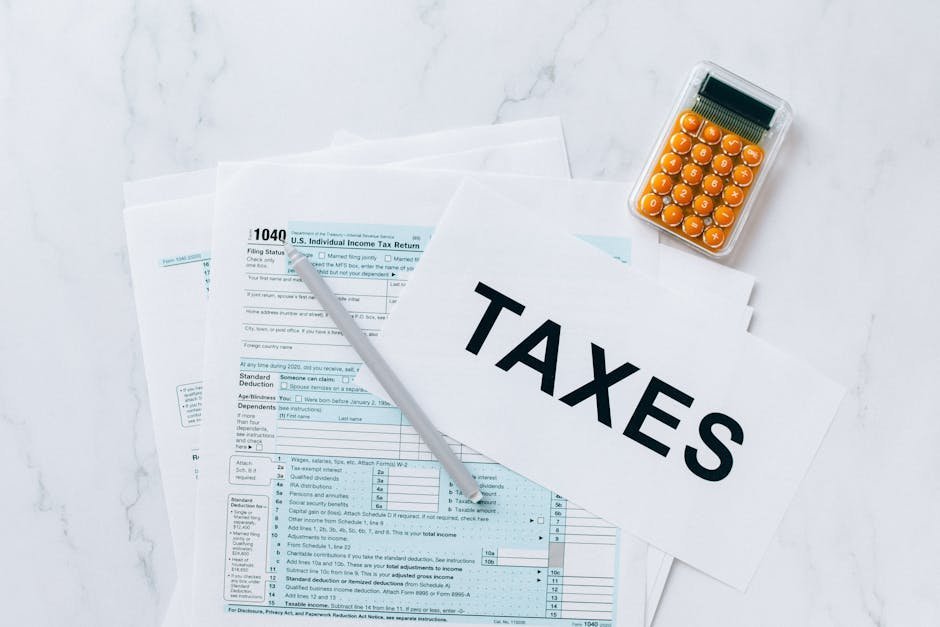
Let me be clear – the no-state-income-tax thing is real and it’s genuinely nice. I’m not going to pretend otherwise. However, state and local taxes in Florida can take a real bite out of retirement savings. The combined state and local sales tax averages 7.00% in Florida, according to the Tax Foundation. That’s higher than the rates retirees from states like Michigan, Pennsylvania, Massachusetts, and New Jersey are accustomed to paying.
Florida is no longer the retirement haven it once was, according to a recent Bankrate survey that placed it eighth on a list of the best states to retire in the country. It ranked behind Delaware, West Virginia, Georgia, South Carolina, Missouri, Mississippi, and Pennsylvania. That’s a sobering list to sit with. The bottom line is that Florida isn’t as affordable as it once was for retirees.
There’s also the matter of grocery costs. Grocery prices in Florida experienced a notable increase, with a 4.3% rise between March 2024 and March 2025. When everything around you is getting more expensive, that income tax break starts to feel like a single umbrella in a thunderstorm.
7. Consumer Fraud Is Rampant and Retirees Are Targets

This one genuinely caught me off guard. I’d heard Florida had a reputation for weirdness, but the fraud statistics are something else entirely. The Federal Trade Commission published data ranking Florida No. 1 with respect to consumer fraud. A total of 474,314 reports were filed in the state in 2024, representing 2,163 reports per 100,000 people. The most common fraud categories included credit bureau-related issues, identity theft, and imposter scams.
The top identity theft type was credit card fraud, accounting for roughly half of all identity theft reports. Retirees are frequently targeted because scammers assume – often correctly – that older adults have accessible savings. The sheer volume of scam attempts I personally encountered in just a few years was genuinely unsettling.
And the insurance space has its own fraud problem layered on top. One of the most common insurance fraud scams involves roofing contractors who go door to door after storms, offering inspections and a “free roof,” then pressure homeowners to file claims for minor or nonexistent damages. Some even inflate repair costs or perform unnecessary work, then sue the insurer if it disputes payment. As a retiree, you become a walking target the moment you own a home in storm country.
8. Traffic and Overcrowding Make Daily Life a Grind
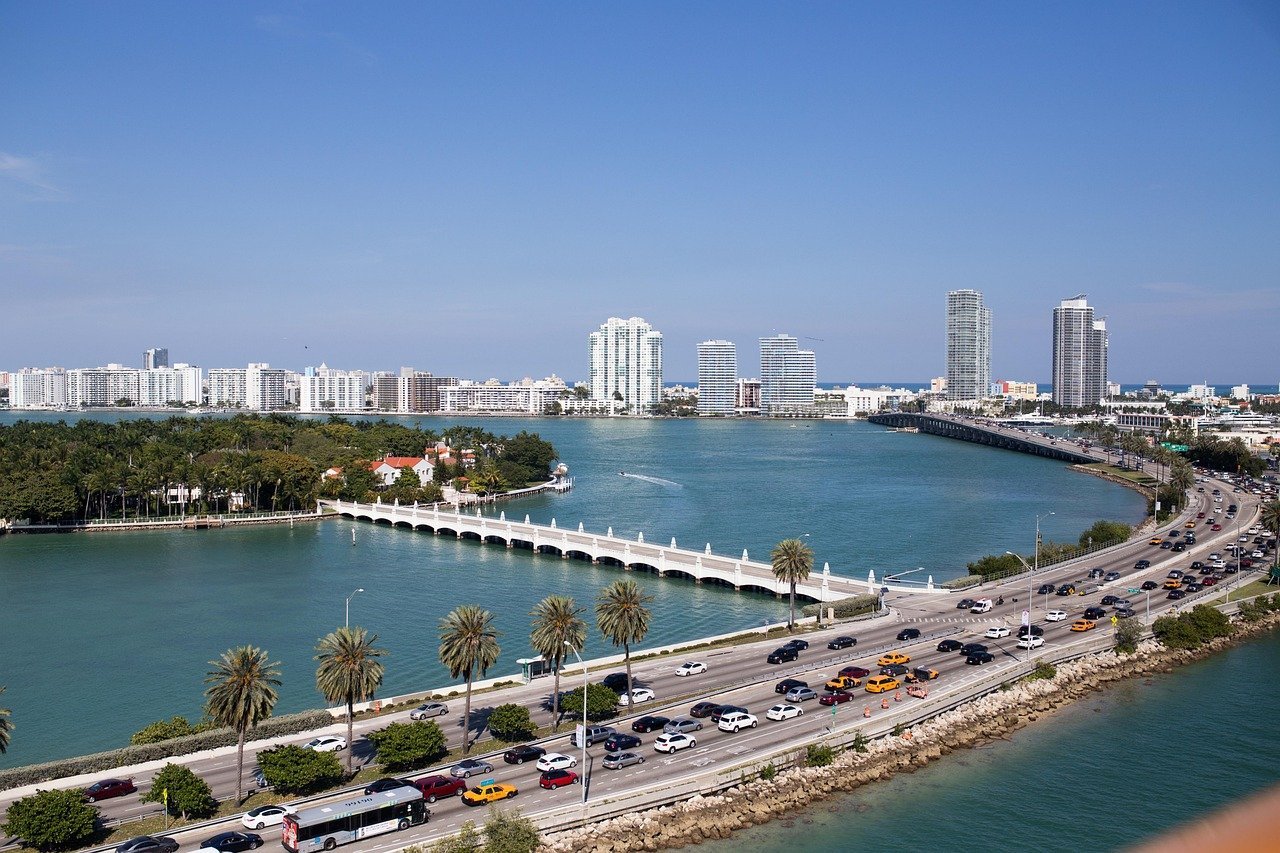
I used to imagine my retirement mornings as leisurely drives to the beach, windows down, no particular hurry. The reality involved sitting in traffic for forty-five minutes to drive six miles. Florida’s Lee County population is projected to have grown a staggering 36.47% since 2010. This rapid increase has placed immense pressure on local infrastructure, leading to significant traffic congestion.
Data from Visit Orlando highlights that the city’s population swells to nearly double during peak tourist seasons, affecting daily life for residents. Traffic congestion creates serious challenges for mobility. And it’s not just a seasonal inconvenience. Traffic volumes in some Florida counties increase by 163% compared to annual averages during peak months.
The state of Florida is very big and has limited public transportation options, which is a significant drawback for retirees who don’t want to deal with the hassle of owning cars. If you don’t drive, or eventually can’t drive, you are profoundly dependent on systems that mostly don’t exist. That’s a frightening prospect when you think five or ten years ahead.
9. Insects, Wildlife, and Nature’s Uninvited Guests
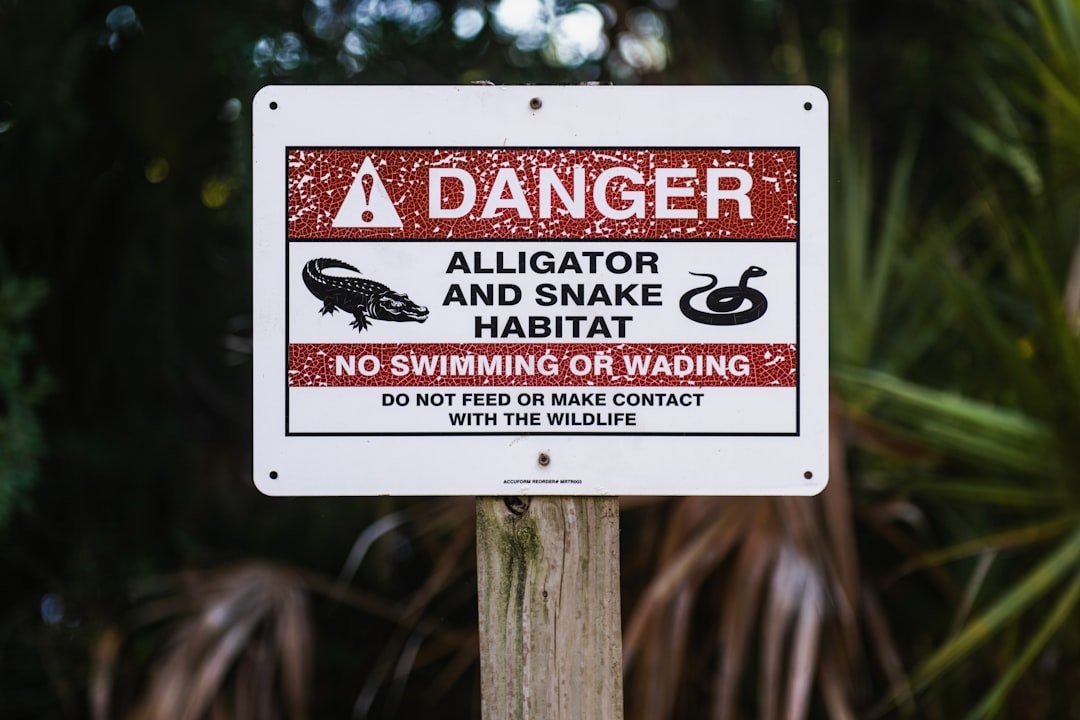
Nobody puts this one on the retirement brochure. Florida is alive with creatures that want to share your home with you, and not in the charming way. Florida’s warm temperatures and high humidity levels pose significant challenges with respect to insects, with Miami, Tampa, Orlando, West Palm Beach, and Fort Myers all ranking among the top 50 cities for annual termite treatments, per Orkin.
It’s not just termites. Cockroaches, fire ants, mosquitoes, love bugs, and the occasional alligator in the backyard are all part of the package. Whether you’re bug-averse or not, keep in mind that you may need to budget extra for pest control services in Florida to keep these and other home invaders away, depending on where you live.
The dark side of the Sunshine State includes an overabundance of boomers, critters, sweat, and weirdness. I laughed at that description before I moved there. I was not laughing by year two. The critter factor alone would surprise most people who’ve only ever visited Florida in a nice hotel.
10. The Retirement Dream Simply Didn’t Match the Reality

There’s a collective story that Florida sells – and it sells it well. Palm trees, golf courses, gentle evening breezes. Some retirees on fixed incomes are choosing to leave Florida because of rising inflation, higher insurance rates, and increased living costs in certain areas, meaning they cannot live as comfortably as they can in other locations. That was, word for word, my experience.
Skyrocketing premiums helped drive 98,874 residents out of Florida in 2023, per SmartAsset data. That figure is enormous. Nearly 100,000 people left in a single year. I was one of them, and I can tell you it wasn’t a decision made lightly. It was made after months of watching our retirement budget erode from all sides. The state falls short for retirees with its high home prices, high property taxes, high sales tax, and high homeowners insurance, all of which have risen dramatically in Florida in the last few years.
Florida will always have genuine appeal. The weather in winter is lovely. The beaches are real. The tax benefit on income is not nothing. But for retirees on fixed budgets who didn’t arrive wealthy, the math stopped working. It stopped working for me, and based on the data, it’s stopped working for tens of thousands of others too. Retirement should feel like freedom. Florida, for me, started feeling like a negotiation I was losing every single year.
Did you think retirement’s biggest challenge would be the insurance bill? What would you have guessed?