

Downsizing sounds like a dream on paper. Less maintenance, less clutter, more freedom. That was the pitch I told myself when I signed the papers and handed over the keys to a house that held decades of my life. The condo was sleek and small, and I was convinced I was making the smartest move of my adult years.
I was wrong. Not about everything, but about enough things to fill this article and then some. If you’re sitting on the fence about whether to sell your family home and move into a condo, read every single word here before you make a decision you might spend years regretting. Let’s dive in.
1. The Grief Hit Me Like a Wall

Nobody warned me about the grief. I mean real, raw, gut-punch grief, the kind you associate with losing a person, not a property. Turns out, that reaction is more common than most of us admit. A growing body of research is looking at how grief can extend to “non-person” losses such as infertility, loss of religion, and the loss of a former home. I thought I was being dramatic. Science says I wasn’t.
Our homes represent far more than physical shelter – they embody our identities, life stories, and sense of self. For older adults who may have lived in the same residence for decades, home often serves as the backdrop for their most significant life chapters: raising children, celebrating milestones, weathering challenges, and creating traditions that define family life. That’s not just poetry. That’s what happened to me when those doors closed for the last time.
This grief response is often complicated by societal expectations that downsizing represents a positive “rightsizing” that should be embraced rather than mourned. This mismatch between internal emotional experiences and external expectations can leave seniors feeling misunderstood and isolated in their grief. I smiled through conversations about how excited I must be. Inside, I was falling apart.
2. I Underestimated the Emotional Weight of Letting Go of Possessions

Selling furniture and donating boxes of things you spent your whole life accumulating is not liberating. It’s agonizing. Honestly, I thought I was ready. I was not. David Ekerdt, who directs the Gerontology Center at the University of Kansas, coined the term “material convoy” to describe how we accumulate possessions throughout our lives that reflect our identities and relationships. His research indicates that by age 70, many individuals have amassed between 300,000 and 400,000 items, each with its own meaning and memory.
For many, this process feels tantamount to editing their life story, deciding which chapters deserve to be preserved and which must be left behind. I tossed things I still think about. The old dining table. The garden tools. The armchair my father used to sit in. You cannot get those moments back by looking at a photo.
When moving into a smaller home, items have to be sorted and edited. Keeping only a selection that fits into the new space means letting go of many pieces of furniture that were prized possessions, said Brenda Scott, owner of Tidy My Space and a professional organizer focused on helping seniors downsize. It sounds practical until you’re living it.
3. The HOA Fees Were a Complete Shock

Here’s the thing. Nobody tells you just how wild condo HOA fees have become. I thought I was trading property taxes and maintenance costs for a predictable monthly fee. What I got instead was a moving target that kept climbing. Nationwide, the median monthly assessment for homes listed for sale was up roughly 15% in 2024 from the year earlier, according to Realtor.com. The median in 2024 was $148, up from the 2023 median of roughly $126.
A key force driving this condo sell-off is the escalating cost of ownership, particularly skyrocketing HOA fees. Many condominium owners pay monthly homeowners association fees for building maintenance, amenities, and reserves. In the last five years, these fees have surged dramatically in numerous markets. It’s not uncommon, especially in newer luxury developments or coastal areas, to see HOA dues ranging from $1,000 up to $2,000 per month.
Homeownership costs rose again in 2024, with almost 3 million U.S. households now paying over $500 a month in condo or HOA fees, according to the latest American Community Survey. I know it sounds crazy, but I genuinely did not budget for this. If you’re considering a condo move, model out the worst-case HOA scenario first.
4. I Lost My Outdoor Space and Didn’t Realize How Much I Needed It

My old backyard wasn’t fancy. It was a patchy lawn, a vegetable garden that never quite delivered, and a patio with uneven stones. I loved every square inch of it. Many apartments and smaller homes don’t have the space for a private yard or a garden. If this is something you enjoy, losing that space could be something you end up regretting later.
There’s something deeply human about having ground you can call yours. A balcony, no matter how nice, is not the same thing. Research consistently links access to outdoor and green spaces with better mental health outcomes, and I felt the absence immediately. The condo balcony has two chairs and a potted plant. It’s lovely. It is not a garden.
When moving into shared living space, you’re giving up a certain degree of independence and privacy. If you live in a free-standing home, you typically have a buffer between your neighbors, which you may not fully appreciate, noted senior wealth advisor Bob Peterson of Crescent Grove Advisors. That buffer is worth more than you think.
5. No Guest Room Destroyed My Family Dynamics
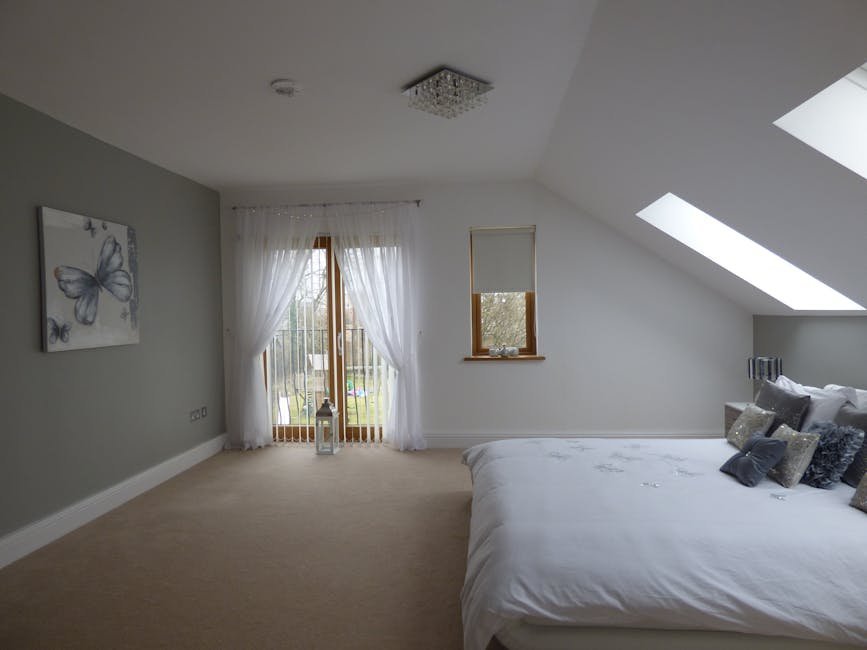
I thought our kids were grown, out of the house, and perfectly capable of booking a hotel. What I didn’t anticipate was how much those visits mattered to all of us, and how much a spare room quietly held our family together. One empty-nester couple chose a chic little condo in Bethesda but soon realized there was no room for family or friends to stay.
A spare room comes in handy when you have to deal with someone who wishes to sleep over after a late night, or when you have out-of-town guests. When you downsize, you can say goodbye to your spare room. This sounds trivial until you have grandchildren and no bed for them to sleep in. It shifts the energy of every visit in a subtle, uncomfortable way.
The condo became somewhere people visited briefly. Not a place they settled into. The long lazy weekends slowed to short afternoon visits, and I felt the change in a way that surprised even me.
6. I Missed My Community More Than I Expected

My neighborhood was full of familiar faces. The couple across the street who waved every morning. The woman who walked her dog past our driveway at exactly 7:15 AM. Leaving loved ones behind is the number one reason people regret moving. Even if you stay in touch, distance changes relationships. You can’t replicate what took years to build.
For many people who sell, the biggest surprise isn’t financial but emotional. Many describe missing the memories, their neighbors, and their gardens. That’s exactly how it felt. The condo building had neighbors I’d pass in the hallway and exchange polite nods with. It was not the same. Not even close.
A dream home in a quiet, remote area might seem ideal at first, but many retirees regret moving to places with limited social opportunities, leading to loneliness. Loneliness is the part nobody puts in the glossy downsizing brochure, and yet it’s the part that sneaks up on you with the most force.
7. The Financial Math Wasn’t as Clean as I Thought

Everyone told me I was making a smart financial move. Unlock the equity. Simplify the budget. And yes, there was money to be made from the sale. But the actual ongoing costs of condo life added up in ways I hadn’t modeled. Ongoing costs for a new condo include homeowners insurance, property taxes, state and local taxes, and homeowners association or condo fees. Stack those together and the savings look less impressive.
When it comes to lowering your cost of living after you downsize, “it’s not as simple as buying a cheaper house,” according to certified financial planner Nicholas Bunio. He’s right. There are also special assessments, which are the financial ambushes of condo living. Far too many HOAs have severely underfunded reserves. When an emergency occurs, or the need for major repairs arises, these HOAs have nowhere to pull funds from, resulting in a hefty increase in regular dues or a significant special assessment.
Moving into a smaller home could save you money on things like property taxes, maintenance, repairs and homeowners insurance. But you’re also giving up potential equity. You may miss potential price appreciation if you sell your home and move to a smaller or less expensive property, said Laura Adams, a personal finance expert with Finder.com. That appreciation my old house would have gained still stings to think about.
8. The Lack of Space Hit My Identity Hard

I had a home office. A workshop in the basement. A kitchen big enough to actually cook in. The condo has a corner desk and a galley kitchen the size of a closet. I didn’t realize how much those spaces were tied to who I was until they were gone. The biggest regret clients report after downsizing is the lack of space, said Bob Peterson, senior wealth advisor at Crescent Grove Advisors. This can include lack of your own space and privacy within your own home, lack of space for hobbies and personal projects, and loss of functionality.
A house is often a symbol of stability, security and family identity. It is like an extension of our body. Leaving it can lead to a feeling of loss of anchorage, and disruption of identity and family order, which can also be emotionally destabilizing. That’s not an overstatement. I genuinely had to ask myself who I was without the space that had shaped my daily routines for years.
Data from the National Council on Aging shows that roughly two thirds of seniors report anxiety about the unknowns during residential transitions, with this percentage rising even higher for those moving into care communities rather than independent housing. That anxiety is real, and it lingers longer than people expect.
9. Moving Regret Is Far More Common Than Anyone Admits

If I’d known how widespread this feeling was before I signed anything, I might have pumped the brakes. About 82% of Americans who moved in 2024 say it was stressful, with nearly half saying the process brought them to tears, according to a survey from Anytime Estimate. That statistic lands differently when you’ve been the one crying.
Fully 70% of movers are weighed down by regrets. A majority of people who moved in 2024 thought a change in location would fix their problems. However, more than one in four say they thought they’d be happier after their move, but they’re not. I was firmly in that category for the better part of a year.
If you regret moving, it’s essential to recognize that this is a perfectly normal reaction when numerous changes are occurring in your life. Studies suggest that nearly half of the people who move experience some level of post-move regret. Knowing this doesn’t make the regret disappear. It does, at least, make you feel less alone.
10. The Older Generation Is Quietly Reversing Course

Here’s perhaps the most telling sign that I wasn’t alone in my mistake. The downsizing trend is actually softening among older homeowners, and there are very clear reasons why. The Wall Street Journal reports that most Americans aged 60 and older are not planning to move from their current homes. Data from real estate firm Redfin shows homeowners in this demographic own 28% of houses with three or more bedrooms, typically occupied by one or two adult residents.
A majority of homeowners in the U.S. aged 60 years and older plan to stay put in their existing homes. Unlike in the past, when homeowners from this age group commonly downsized, many are steering clear of this approach because of retiring later in life as well as no certainty surrounding which way interest rates might go. The financial logic of downsizing has become murkier than it once appeared.
Homeowners looking to downsize and move from colder regions to a warmer climate area may find that home prices have increased so much in the Sun Belt that they may end up buying a smaller home for the same or higher price than the sale price of their existing home. The math that once justified the move simply doesn’t always pencil out anymore.
Conclusion: What I Would Tell My Past Self
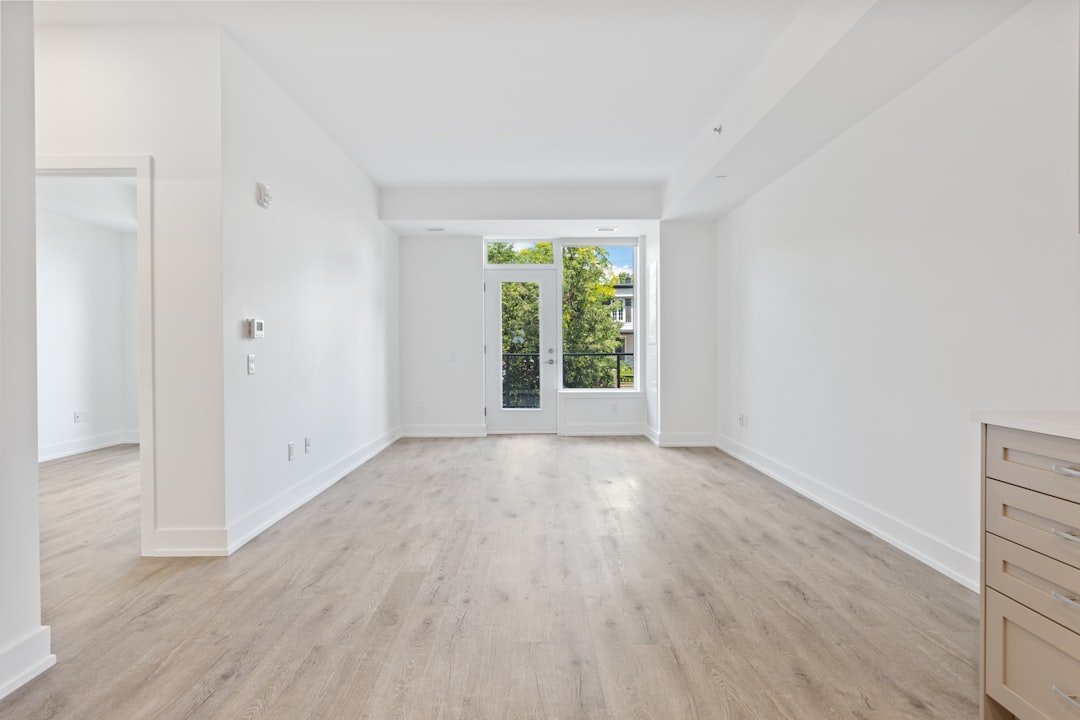
I don’t regret every part of the move. The condo has taught me things about simplicity, about what actually matters when you strip away the square footage. Still, the loss was real. The grief was real. The surprise financial hits were real. And the loneliness of starting over in a building full of strangers at a point in life when community is everything, that was the most real thing of all.
If I could sit across from myself the morning I listed that house, I would say: slow down. Rent a condo for six months first. See how it actually feels to live without a yard, a workshop, a guest room, a neighborhood that knows your name. You can always sell later. You cannot un-sell a family home.
The biggest lesson? A home is not an asset you manage. It’s a life you’ve built. Treat the decision to leave it with every bit of the gravity it deserves. Did you expect that moving into something smaller could cost you this much in ways that have nothing to do with money?