

There’s something nobody tells you about selling the home you once called your forever home. They talk about freedom, about simplicity, about unlocking equity. What they don’t mention is the quiet grief that settles in after the moving truck pulls away, the strange smallness of your new walls, the sudden absence of a space that held your entire identity for years.
I know it sounds dramatic. But I also know I’m far from alone. Downsizing is trending, the numbers are rising, and yet the regret that follows is deeply real and consistently underreported. If you’re on the edge of making the same move, what you’re about to read might just make you pause. Be surprised by what the data and honest experience reveal.
Here Are the 10 Honest Reasons Selling Your Forever Home and Downgrading Led to Regret
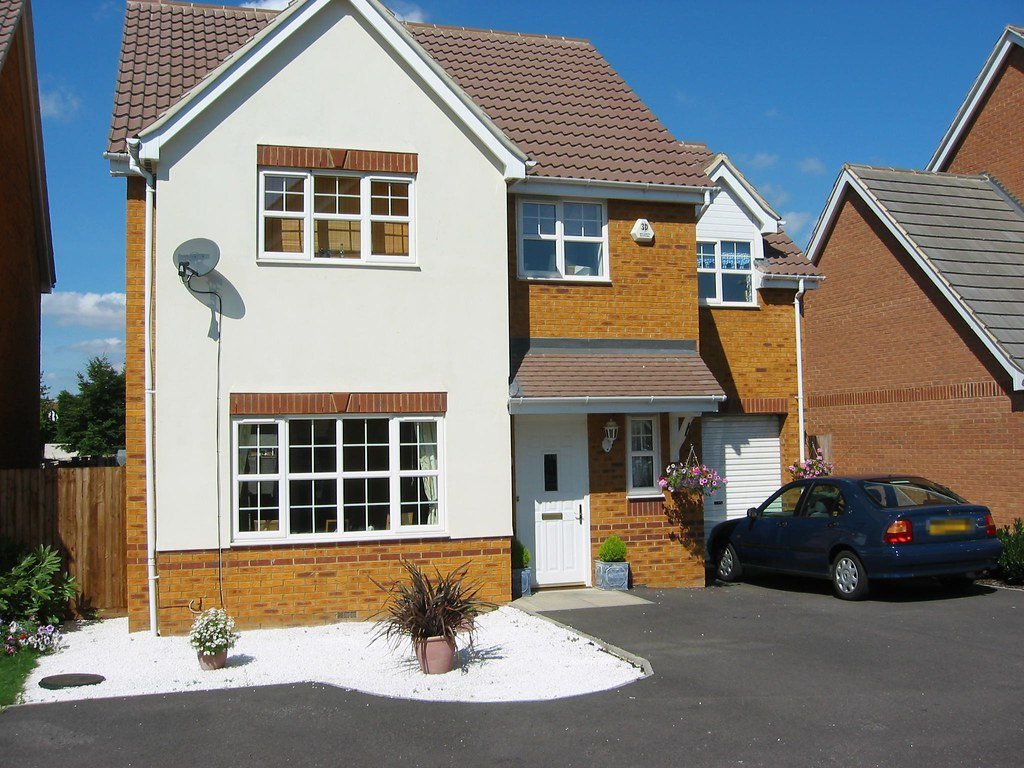
The decision to sell a forever home is rarely made lightly. For most people, it follows months of logic, spreadsheets, and sincere conversations about what the future should look like. But logic doesn’t live in a house, memories do.
The ten points below aren’t meant to scare you out of ever moving. They’re meant to give you the full picture, the one most real estate conversations conveniently leave out.
1. The Emotional Cost Was Far Greater Than Expected

The term “forever home” often elicits strong emotions in individuals who have experienced the joy and comfort of living in a place they can call their own. A forever home is not just a physical space but holds sentimental value and signifies stability, security, and belonging. That’s not poetic exaggeration. That’s the plain reality of what we’re dealing with when we decide to walk away.
Selling your home is a significant life event that can evoke a wide range of emotions, from excitement and anticipation to sadness and anxiety. According to the old adage, “home is where the heart is,” and divesting of your home can be highly emotive, feeling like years of memories and a community of friendships are being lost. Honestly, that grief is something you simply cannot budget for. You can run every financial calculation perfectly and still be blindsided by how heavy it feels on moving day.
2. The Hidden Costs of Selling Wiped Out the Expected Profit

Since 2022, U.S. homeowners have spent a median amount of $54,616 in costs associated with selling their home. In general, those costs included listing agent commission on the median-priced home at $11,136, buyer’s agent commission at $10,467, and pre- and post-listing repairs, improvements, and renovations at $10,000. That is not a small number. Most people selling a home imagine walking away with a clean profit, not a five-figure hole in their expectations.
About 67% of first-time home sellers admit they were surprised by how much it cost to sell their home. Those with no foreknowledge of the costs involved were more likely to express regret. Even among those who had previously sold a home, more than half, about 58%, are still surprised by the amount they spent. Here’s the thing: surprise costs in real estate have a way of multiplying. What starts as a simple sale becomes a chain of expenses you never saw coming.
3. The Smaller Home Came With Its Own Unexpected Expenses
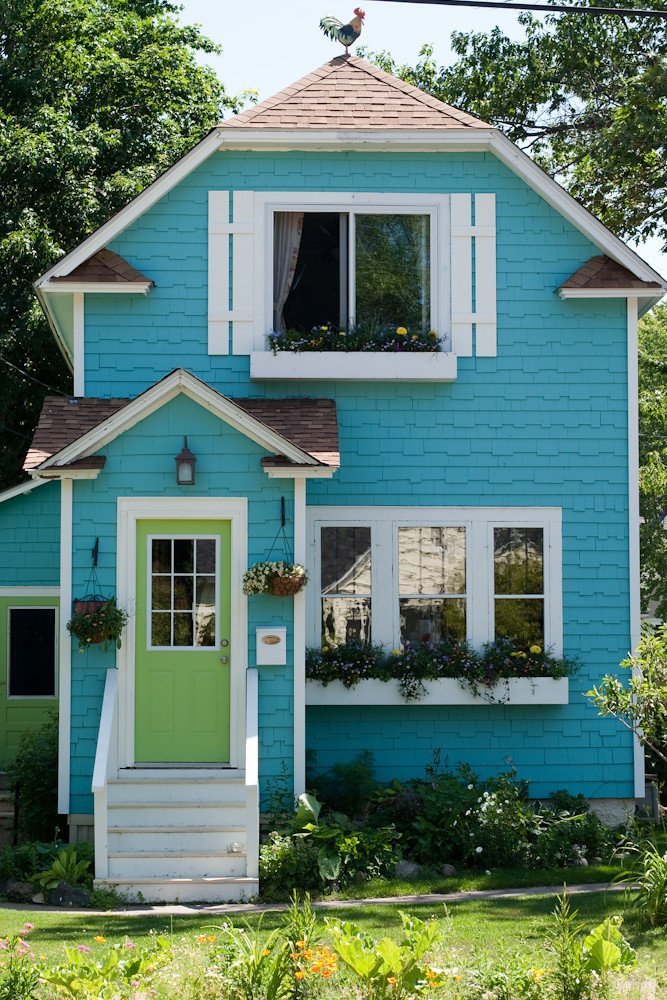
In some circumstances, downsizing your home can actually mean more expenses instead of less. If you bought your current home several years ago, it’s important to keep in mind that home prices have increased significantly since then. The logic of “smaller means cheaper” breaks down fast in today’s market. You sell big and think you’ll buy small at a discount, but that discount often isn’t waiting for you.
Another thing to consider is whether your new home is part of a homeowners association. Many smaller homes are, especially in new developments, and HOA fees are something to budget for. The typical American homeowner in 2025 will spend an average of $24,529 a year on their home in addition to their mortgage payment for utilities, repairs, maintenance, property taxes, and homeowners insurance. For those who are part of a homeowners association, these costs are even higher, with an average of $3,077 extra a year, for a total of $27,606. So much for the simpler, cheaper life.
4. You Lose More Equity Than You Realize

Moving into a smaller home could save you money on things like property taxes, maintenance, repairs, and homeowners insurance. But you’re also giving up potential equity. As financial expert Laura Adams noted, “You may miss potential price appreciation if you sell your home and move to a smaller or less expensive property.” This is the part of the conversation that gets glossed over in the excitement of “unlocking” your equity. You unlock it by handing over future growth.
Holding on to a large family home long after the need for the extra bedrooms, yard space, or square footage is gone can feel emotionally right but financially wrong. From mounting maintenance costs to rising property taxes, the home you once viewed as your greatest investment may now be an underperforming, cash-draining liability. Still, the counterpoint is equally true: the home you sold was also quietly appreciating while you held it. Timing really is everything in real estate.
5. The Space Limitation Created Daily Friction

Deciding to shift to a smaller property can be a significant step, especially if you’re accustomed to more space. A smaller home means you’ll need to be more selective about what you keep, as a smaller space naturally limits your belongings. What this looks like in practice is a slow, grinding frustration. Your furniture doesn’t fit. Your hobbies don’t fit. Your sense of self doesn’t quite fit either.
As money-saving expert Becky Beach noted, many people looking to downsize into tiny homes find that the minimal space isn’t good for storage or even raising a family. For those who work from home and need a bit of extra space for their office, moving into a smaller home could also become problematic or stressful. Remote work changed everything about how much space people actually need at home. A guest bedroom easily becomes a necessity when your dining table also doubles as your office.
6. The Neighborhood Didn’t Feel Like Home

Neighborhoods remain the spatial focus of meaningful social interaction, important political organization, and significant psychological attachment. Regardless of the type of attachment, the place and the neighborhood matters. This sounds academic until you’re sitting in your new kitchen on a Saturday morning and realize you don’t know a single name on your street. The silence of a new neighborhood is its own kind of loneliness.
Many older homeowners report feeling an emotional and financial “lock-in” effect, where their disinclination to move is tied to the love of their home, pride in debt elimination, community engagement, and access to known services. Walk away from that web of community, and you don’t just lose a house. You lose a local doctor you trust, a coffee shop that knows your order, neighbors you’ve watched grow their kids. None of that transfers with the moving boxes.
7. The Move Was Far More Stressful Than Anticipated

About 82% of Americans who moved in 2024 say it was stressful, with 42% saying the process brought them to tears, according to a survey from Anytime Estimate. That is not a fringe statistic. Nearly half of people who moved last year cried at some point during the process. Moving a forever home, with all its accumulated memories and possessions, takes that emotional weight to another level entirely.
A striking 78% of Americans had unexpected costs during their move, and 38% say the total cost of their move was higher than expected. Sixty percent of Americans say moving is not affordable, and 39% believe that moving made their financial situation worse. The dream of simplifying your life can end up making it more complicated, at least in the short term, than you ever imagined it would be.
8. Regret Set In Faster Than Expected

In a survey of people who moved in 2024, roughly 70% were weighed down by regrets. A majority, about 54%, thought a change in location would fix their problems. However, more than one in four Americans said they thought they’d be happier after their move, but they’re not. Honestly, that gap between expectation and reality is the core of the problem. The grass-is-greener effect is real, and downsizing is not immune to it.
Roughly 89% of home sellers have regrets, including 92% of those who sold without a real estate agent. Though many of the surveyed homeowners prioritized a fast sale, selling too fast became the most common regret, with 30% of those surveyed expressing regret about their overly expedient home sale, mainly because their homes sold for less than they had hoped. Speeding through the sale of your forever home to get the process over with is one of the costliest mistakes you can make, financially and emotionally.
9. The Financial Logic Didn’t Add Up in the Current Market

Previously, owners in older age brackets would often downsize to smaller houses or apartments. However, factors such as working longer and holding low interest mortgages are changing their decisions. This, along with the limited supply of new houses, may add to competition for family homes, pushing prices higher. This is the trap so many people fall into. You sell your big home expecting to buy something more manageable, and then discover that “manageable” now costs more than it did just a few years ago.
One of the most persuasive arguments against downsizing is that you may have to take on a higher mortgage rate or pay more for rent than you currently pay on a mortgage. If you’re getting a mortgage, keep in mind that interest rates are much higher now than they were just two years ago. Trading a low fixed-rate mortgage for a new one in this rate environment is, to put it bluntly, a financial shock most people aren’t ready for.
—
10. The “Freedom” Promised Never Arrived

For many, downsizing feels like a defeat. But in reality, it can be one of the most liberating and strategic decisions of retirement. That’s what the brochures say. The reality for many people is a bit more sobering. The promised freedom turns out to be a smaller closet, a shorter driveway, and a nagging sense that you left something essential behind.
Only 17% of older homeowners said they sold their home, or plan to, during retirement. Respondents offered a compelling combination of emotional and financial reasons for remaining in their homes, including a “love” of their home, comfort with the area, and that their home is, or almost is, paid off. The people who stayed often knew something the people who left had to learn the hard way. A forever home is called that for a reason. Freedom isn’t always found in a smaller square footage. Sometimes it was already right there in the walls you walked away from.
What This All Really Means Before You Make the Move
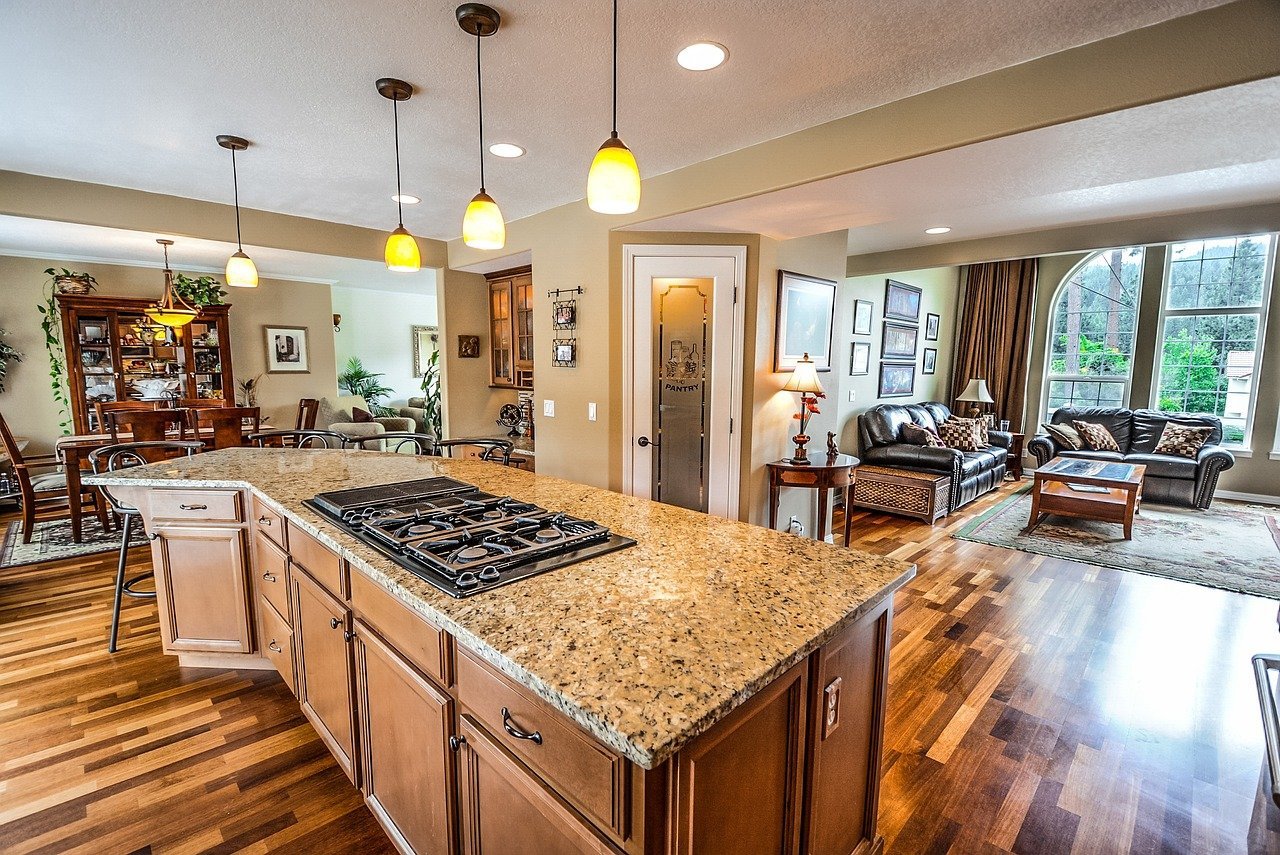
Selling your forever home is not inherently a mistake. For many people, it is the right decision at the right time. But the regret stories are real, backed by real surveys, real financial data, and real emotional experiences that don’t make it into the glossy downsizing guides. The numbers are striking. Some 45% of homeowners have regrets about their current home, and their most common complaint is frustration over the price of maintenance costs and hidden fees. That means nearly half of people who moved are already second-guessing it. Before you list that home, ask yourself honestly: are you moving toward something, or running away from a problem that will follow you to a smaller address?
The home you’ve lived in for years is more than an asset on a balance sheet. It is a record of your life, a web of relationships, a set of routines that quietly anchored you. None of that is irrational. None of that should be dismissed. Take the time, weigh everything, and don’t let urgency make the decision for you. So, what would you have done differently? Tell us in the comments.