

There’s a quiet revolution happening in American homes right now. People are looking at their grocery carts, their under-sink cabinets, and their laundry rooms, and asking one deceptively simple question: do I actually need this? 2025 has shaped up to be the year of underconsumption and “no buy” trends, as Americans express their fatigue with inflation, consumerism, and threats of tariff-related price hikes.
Total annual household expenditures in the United States averaged $78,535 in 2024, equivalent to an average of $6,545 per month, with housing and transportation alone accounting for over half of that total. The pressure to cut spending somewhere, anywhere, is real. What surprises most people is just how much of that spending is eaten up by items they genuinely believe are non-negotiable. So let’s dive in.
1. Paper Towels: The Sneaky Budget Killer

Most households don’t think twice about reaching for a paper towel. It’s automatic, almost reflexive. Pull, wipe, toss. But that habit has a very real cost attached to it.
The average household uses two or three rolls a week, for an annual cost of about $180. Many families actually spend up to or over $400 per year on disposable paper towels. Over a decade, that’s a staggering amount of cash literally thrown in the trash.
Americans use an estimated 13 billion pounds of paper towels each year, a figure that contributes heavily to landfill waste and deforestation. Cleaning experts recommend substituting paper towels with a spray bottle of all-purpose cleaner and a set of microfiber cloths, reserving a small canister of disinfecting wipes strictly for illnesses, since microfiber cloths actually clean better as they are more effective at trapping bacteria and dirt.
The average U.S. household spends approximately $182 annually on disposable paper towels, according to Statista data, and by switching to high-quality reusable towels, you can save hundreds over time while significantly reducing waste in your home.
2. Bottled Water: Convenient, Costly, and Honestly Unnecessary

Bottled water is one of those purchases that feels small in the moment but adds up brutally over time. You grab one at the gas station, another at the gym, a six-pack at the grocery store. It’s almost invisible spending.
Regularly buying bottled water can add up to $500 or more a year, plus all of those plastic bottles introduce harmful toxins into your body and create tremendous waste, with one financial expert calling it “a clear lack of financial consideration.” Experts advise cutting this spending as it is both quick and easy, recommending stainless-steel water bottles for on-the-go hydration and, if you don’t trust your tap water, an under-sink or pitcher filter.
Honestly, the math here isn’t even close. A good water filter pitcher costs roughly $30 to $50, and the filters last months. Compare that to $500 per year on plastic bottles. The decision practically makes itself.
3. Dryer Sheets: A Laundry Habit You Never Needed
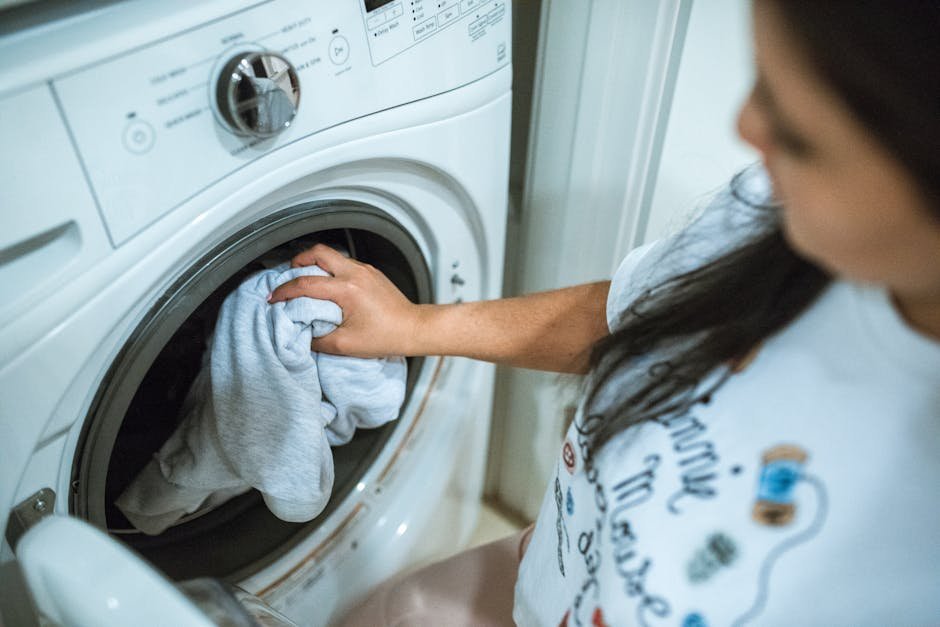
Dryer sheets are one of those products that got grandfathered into our routines without much scrutiny. Throw one in, done. But the case against them is stronger than most people realize.
These chemicals don’t just cost money outright, they can damage your appliances and cause health issues ranging from skin irritation to asthma, migraines, and hormone disruption. They also leave a waxy coating on fibers, making towels absorb less dirt and water. Instead, white distilled vinegar in the rinse compartment removes buildup and odors, and wool dryer balls with low heat eliminate static cling.
Wool dryer balls absorb moisture and keep clothes from clumping up, which means your dryer doesn’t have to work as hard. They also help reduce wrinkles and static cling, and best of all, they last for up to 1,000 loads. That’s years of laundry covered by a one-time purchase.
4. Single-Use Plastic Bags: Still in Your Kitchen? Stop.

Most people know they should quit plastic bags. Not many actually do. The combination of guilt and convenience keeps them stuck in the habit, reaching for the Ziplocs almost without thinking.
Ziploc bags hurt bank accounts with exorbitant prices for single-use items, and they end up in our oceans where many sea creatures eat them mistaking them for food. You can save money by wrapping a sandwich or snack in aluminum foil or placing the food in a reusable container.
According to survey calculations, the average adult will spend over $9,400 in their lifetime on plastic bags alone. That is not a typo. Silicone reusable bags, available for roughly $14 for a full set, are dishwasher-safe and last for years. The math genuinely could not be more obvious.
5. Plastic Wrap: The Kitchen Drawer Villain

There’s always that one box of plastic wrap, half-unrolled, tangled on itself, sitting at the back of the kitchen drawer. We all have it. The question is whether you actually need it.
Swapping out plastic wrap for glass containers with lids, reusable silicone stretch lids, or beeswax wraps saves money and cuts down on pollution. One expert called plastic wrap “a product that should be banned from every kitchen drawer in America,” noting that it is one of the most used single-use plastic items and is almost impossible to recycle, meaning every single piece that has ever been used still exists in a landfill or in the ocean.
More and more homes are switching to beeswax wraps to pack lunches and cover leftovers. These zero-waste wraps are typically made of organic cotton coated with food-grade beeswax, some containing plant oils and tree resin, and their ultra-thin construction and high breathability keep food fresh for a long time, making them an excellent alternative.
6. Single-Use Coffee Pods: A Daily Habit That Drains Your Account

The convenience of popping in a coffee pod is real. There’s no denying it. But the financial and environmental cost hiding behind that convenience is something most people prefer not to think about.
It’s hard to resist the convenience of a pod coffee maker, but as one expert notes, every brand touts sustainability while the bottom line remains that using disposable coffee pods creates waste. You can replace pricey coffee pods with a reusable filter that lets you brew a less expensive cup without the side of disposable plastic.
Let’s be real here: a standard box of 24 pods costs anywhere from $10 to $18, and a daily coffee drinker easily burns through several boxes a month. A bag of quality ground coffee runs a fraction of that price. A home brew renaissance is already underway, with Americans investing in French presses, espresso machines, and quality beans from local roasters.
7. Specialty Cleaning Products for Every Surface

Open the cabinet under most American sinks and you’ll find an impressive lineup: separate cleaners for the bathroom, the kitchen, the glass, the tile, the wood floor, the granite counter. It looks productive. It’s mostly marketing.
A majority of Americans admit they spend recklessly, with overspending particularly common on groceries, which often includes cleaning supply purchases bundled into grocery runs. The cleaning product industry has spent decades convincing consumers that each surface needs its own specialized formula. In most cases, a simple all-purpose cleaner and white vinegar solution handles virtually everything.
Oven cleaners, for instance, emit toxic chemicals that irritate skin and can even damage the oven rather than clean it. Poison Control has issued warnings about oven cleaners, and experts recommend sticking to traditional baking soda and vinegar for a safe, effective oven-cleaning session instead.
8. Seasonal Décor You Use Once

Holiday and seasonal décor is one of the great silent budget drains of the modern household. You buy it, you use it for a few weeks, you box it up, and half the time it ends up at Goodwill six months later.
It can be so much fun to deck your halls with seasonal décor, but is it really necessary? The answer from frugal-minded people is not at all, and many have kissed these buys goodbye for good. The trend is clear: people are becoming more intentional about what they bring into their homes.
A striking 78% of Americans make purchases they immediately regret, and 38% say they often know their purchases are reckless but make them anyway. Seasonal impulse buys are a textbook example. A pumpkin candle in October, an entire turkey-themed tablescape, decorative snowmen that come out in December. It adds up faster than anyone wants to admit.
9. Disposable Razors: Spending Forever on Something That Barely Works

Disposable razors occupy a strange spot in the household budget. They feel cheap because each individual razor costs very little. The problem is the quantity. You go through them constantly, and the blades are usually mediocre at best.
According to survey data, the average adult uses 118 disposable razors during a full calendar year. Over a lifetime, an average of $8,537 is spent on disposable razors. That’s a sobering number for a product that ends up in landfill after a few uses.
The disposable razor industry operates on the assumption that it must normalize disposables, but a quality cartridge razor or safety razor with disposable blades will pay for itself in well under a year, plus save on plastic waste. Safety razors with replaceable blades cost just a few cents per blade and typically last far longer per shave than their disposable counterparts.
10. Pre-Mixed Cleaning Sprays in Single-Use Bottles

This one might surprise you. Most spray cleaning bottles are over 90 percent water. You are, quite literally, paying premium prices to transport water from a factory to your shelf.
Concentrated cleaning tablets and refillable spray bottles have entered the market in a big way, with brands selling compostable dissolvable tablets that you simply drop into a reusable spray bottle and fill with tap water. The cost per clean is a fraction of what traditional sprays charge. It’s hard to say for sure how much each household saves, but estimates commonly run into the hundreds of dollars per year for families who fully commit to the switch.
With the ease of shopping online, it has become very common to buy extra unnecessary items that can add up to quite a lot of money, and avoiding overspending and preventing clutter requires thought, planning, and intentionality. Concentrated cleaning products are a near-perfect example of where intentionality pays off immediately.
11. Name-Brand Over-the-Counter Medications

Here’s a thing most people know but don’t act on: generic and store-brand medications contain the exact same active ingredients as their name-brand counterparts. The FDA requires it. You are paying a premium purely for the branding.
The price difference between a name-brand pain reliever and its generic equivalent can be enormous, sometimes triple the cost for the exact same formula at the exact same dosage. An overwhelming 71% of Americans express regrets about their spending habits, with the most common regrets being spending money they should be saving and making too many impulse purchases. Grabbing the familiar red bottle at the pharmacy is a classic impulse driven by habit, not logic.
Over a full year, a family that systematically switches to generic medications across all categories including allergy tablets, pain relievers, antacids, and cold remedies can realistically save several hundred dollars without any reduction in effectiveness whatsoever.
12. Gym Memberships Nobody Actually Uses

Few purchases carry more optimism and less follow-through than the gym membership. We sign up with the absolute best of intentions. We go for three weeks, maybe four. Then life happens, and the charges quietly continue every month.
The pandemic forced people to rethink how they work out, and many never went back. With monthly fees, crowded spaces, and limited flexibility, traditional gyms are losing appeal, as Americans are realizing they can stay fit without the commute or the cost. Home workouts, fitness apps, and YouTube trainers have filled the gap, with walking, running, and cycling outdoors also on the rise, while even virtual classes with live instructors are more affordable than a gym membership.
The average gym membership in the U.S. runs roughly $40 to $60 per month, meaning a household with two underused memberships could be burning through over $1,000 per year on fitness they’re not getting. That’s money that could go toward equipment you’d actually use at home.
13. Furniture and Home Décor Bought on Impulse

This category covers everything from the accent chair that seemed like a great idea to the decorative baskets, throw pillows, new bedding sets, and the endless stream of small home goods that drift into carts both physical and digital.
Sales at furniture and home furnishing stores fell 5% in the first eight months of 2024 compared to the previous year, extending a multiyear slump. People are becoming more deliberate. To cut down on clutter and unnecessary spending, some consumers have made long lists of items they won’t be buying, and one content creator estimates she has already saved about $5,000 this way.
In 2024, 37% of adults increased their monthly spending despite only 32% seeing their income rise, marking the third consecutive year that the share who said their spending increased was higher than the share who said their income increased. The furniture impulse buy is a big part of that gap. Purchase intent for big-ticket items like computers and sofas has declined since the start of the Trump administration, perhaps signposting a lack of confidence in the economy. Sometimes the market is smarter than our impulses.
The Bigger Picture: A Spending Culture Under Pressure

All 13 of these items share something in common. They were marketed to us as necessities, normalized over decades, and woven so deeply into our routines that questioning them feels almost strange. The reality is that most of them have cheaper, better, or more sustainable alternatives sitting right in plain sight.
Google searches for “no spend challenges” have reached an all-time high, up 40% year over year, and last year roughly one in five Americans participated in such a challenge. High inflation, high credit card interest rates, stagnant wages, new tariff policies, and widespread federal layoffs in 2025 have made it more appealing to focus on saving over spending.
The collective math across just these 13 categories is striking. Paper towels, bottled water, dryer sheets, plastic bags, plastic wrap, coffee pods, redundant cleaners, seasonal décor, disposable razors, single-use spray bottles, name-brand meds, unused gym memberships, and impulse furniture. Swap out most of them and you’re looking at well over a thousand dollars saved annually without any real sacrifice in quality of life. Some households report savings of several thousand dollars when they commit to the full list.
The real question isn’t whether you can afford to make these swaps. It’s whether you can afford not to. What’s one item on this list you’re finally ready to ditch?