
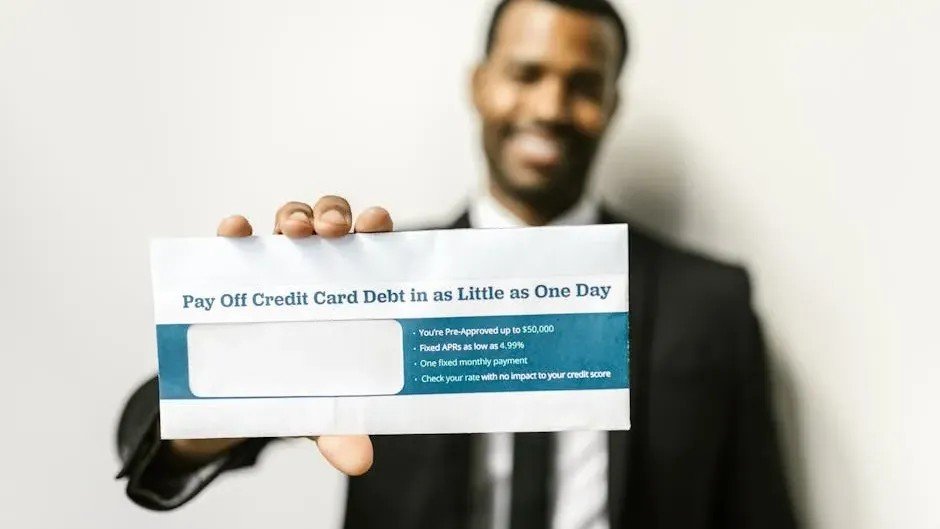
There’s a certain kind of financial struggle that nobody talks about. It doesn’t come with an eviction notice or a repo truck. It hides behind a decent car, a nice Instagram feed, and a confident smile at the dinner table. I call it being “quietly broke,” and honestly, after years of sitting across the table from clients in debt counseling, it’s the most common kind of financial trouble I see.
The quietly broke person isn’t someone sleeping on the streets. They’re your coworker, your neighbor, maybe even the friend who always insists on picking up the check. They look fine on the outside while the numbers inside their bank account tell an entirely different, more desperate story. Let’s dive in.
1. They Live a Lifestyle Their Income Simply Cannot Support
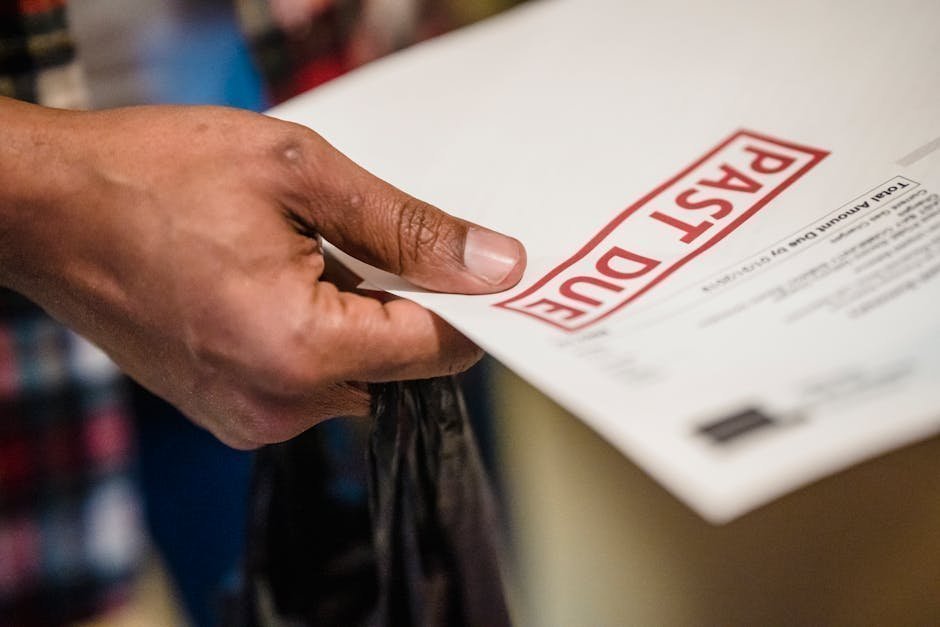
The very first thing I notice in a counseling session is the gap between what someone earns and what they spend. It’s not always obvious at first. They don’t walk in wearing a diamond watch, but they casually mention the lease on a new car, the holiday they just booked, and the gym membership they never cancel.
If someone’s lifestyle doesn’t match their job, it’s often a sign they’re secretly broke and using debt to afford their way of living. Think of it like a garden hose with a slow leak. The water keeps flowing, everything looks fine, until suddenly the pressure is gone and you realize you’ve been losing water the whole time.
One common trait among people pretending to hold it together financially is living a lifestyle they cannot actually afford, often manifesting in excessive spending on luxury items, frequent fine dining, and maintaining an outward appearance of wealth, while behind the scenes they may be drowning in debt and struggling to pay their bills.
2. They Have No Emergency Fund Whatsoever

Here’s the thing about financial fragility: it becomes visible the moment something unexpected happens. A car repair. A medical bill. A broken furnace. When I ask quietly broke clients what they’d do if they had an unexpected expense of a thousand dollars, the answer is almost always a nervous laugh followed by silence.
Bankrate’s 2025 Emergency Savings Report reveals that roughly three in five Americans lack sufficient savings to cover a $1,000 emergency expense, and nearly three quarters are saving less than they did in 2024. That number is staggering when you say it out loud. More than half the country can’t absorb one bad week without going deeper into debt.
As a result, nearly half of Americans would need to borrow money to handle an unexpected financial setback, a troubling reality given the record credit card debt reported by the Federal Reserve Bank of New York. No cushion means no room for error, and that’s exactly where the quietly broke person lives every single day.
3. They Only Ever Pay the Minimum on Their Credit Cards

This is one of the quietest signs of financial trouble, and one of the most dangerous. Minimum payments feel like responsibility. You’re paying something, right? In reality, it’s the financial equivalent of bailing out a sinking boat with a teaspoon.
Paying the minimum on your credit card each month might seem like you’re staying afloat, but it’s a dangerous habit. Minimum payments barely reduce your balance, especially when you’re dealing with high interest debt, and over time you’ll end up paying far more than what you originally borrowed.
Americans’ total credit card balance reached $1.277 trillion as of the fourth quarter of 2025, according to the Federal Reserve Bank of New York, which is the highest balance since the New York Fed began tracking in 1999. The quietly broke person is usually contributing to that mountain, one minimum payment at a time. Among those with credit card debt, more than three in five have been in debt for at least a year, up from just over half in late 2024.
4. They Are Deeply Avoidant About Money Conversations

I’ve learned to notice the body language before the words even start. A quiet broke person will deflect, change the subject, or get oddly defensive when money comes up in casual conversation. Bring up budgets at a dinner party and watch them go suddenly quiet or busy themselves with their phone.
There’s a lot of shame and stigma surrounding money problems, which can make it that much harder for people to ask for help when they need it. That shame is like a second debt piling up alongside the financial one. It keeps people stuck, unable to take the first step toward fixing things.
Perhaps the most revealing sign of someone hiding financial struggles is a general lack of financial transparency. These individuals rarely reveal the true status of their financial health and might avoid discussing their income, debts, or savings, because this secrecy allows them to maintain the illusion of stability while hiding their actual financial struggles. In a counseling session, the breakthrough often happens when someone finally stops pretending.
5. They Spend Future Money They Don’t Have Yet

I’ve heard this one so many times it almost sounds routine. “I’m getting my bonus next month, so I bought it now.” Or: “My tax refund is coming, so I figured I’d treat myself.” The quietly broke person spends money they haven’t earned yet with remarkable confidence and very little regard for what might go wrong before that money actually arrives.
Someone who’s secretly broke and spending all their income may talk about their plans to buy things with a bonus that hasn’t even come in yet. They don’t get a chance to get ahead financially because they’re constantly spending every penny they bring in. It’s a treadmill that never slows down.
About one in five Americans feels like they’re getting ahead with their money, but more than a third report feeling trapped in a cycle of debt. Spending future income is one of the clearest ways people trap themselves in that cycle, and it’s almost always invisible to everyone around them.
6. They Have No Real Financial Plan

Honestly, this one surprises people when I bring it up. Most quietly broke clients aren’t completely irresponsible. They work hard, they pay bills, they generally mean well with money. The problem is that meaning well and having an actual plan are two very different things.
A 2024 Northwestern Mutual survey found that more than half of Americans don’t have a broad financial plan that allows them to balance near-term and long-term goals. No plan means no targets. And without targets, even a decent income evaporates quietly month after month.
Think of it like driving with no map. You might be moving, you might even feel busy, but without a destination you’re just burning gas. The Financial Health Pulse 2024 U.S. Trends Report found that fully seventy percent of American households remain financially unhealthy, with day-to-day financial realities worsening for many. Most of those households don’t have a written plan or a structured budget guiding their decisions.
7. They Are Obsessed With Looking Wealthy to Others

I think this is the most emotionally interesting pattern I see. The quietly broke person often works overtime at looking like they have money. Designer clothes, the newest phone, the nicest car in the lot. Their spending isn’t driven by what they need. It’s driven entirely by how they want to be perceived.
It can be tempting to want to buy nice things to impress others, and someone who’s secretly broke may be spending all their money on nice things to look rich, while in truth they’re struggling financially because all of their income goes to pay for those things.
A 2024 PYMNTS survey found that roughly half of people earning more than $100,000 a year live paycheck to paycheck with no money in savings to fall back on, and the same holds true for more than a third of people earning more than $200,000 a year. Income alone doesn’t protect you. Status spending does the quiet damage regardless of how much you bring home.
8. They Carry High Balances and Rotate Between Credit Cards

In counseling sessions, I often ask clients to lay out all their cards on the table, literally. What follows is usually a mix of embarrassment and genuine surprise as some people haven’t even tracked how many open accounts they have. The pattern of quietly broke people isn’t just carrying debt. It’s the constant shuffling of that debt from one card to another, creating the illusion of management.
People who are actually broke often rely heavily on credit to maintain their facade of financial stability. Purchasing high-end items on credit, frequent use of multiple credit cards, and continually maxing out credit limits are all signs of someone living beyond their means, and though they may appear to have a lot of spending power, in reality they’re just racking up debt.
Balance transfers can offer temporary relief by moving debt from a high-interest credit card to one with a lower rate. However, using balance transfers over and over without addressing the root cause of your debt can create a false sense of progress. I’ve seen clients manage this juggling act for years before the whole thing collapses.
9. They Experience Intense Anxiety Around Payday

There’s a very specific kind of stress that comes on the days just before a paycheck lands. Quietly broke people know this feeling intimately. It’s the mental math running on a loop: what’s due, what’s overdrawn, what can wait one more day. They count down to payday not with excitement, but with relief that the clock won’t run out this time.
Someone struggling financially and living paycheck to paycheck may be relying on that next payday to make it through with rent and groceries. Someone who’s secretly broke may be counting down the days until payday because they’ve already spent all they had.
About half of U.S. adults worry daily about their finances. That’s an enormous figure when you sit with it. Money is a common stressor for Americans’ mental health, with roughly two in five people citing it as something that has a negative impact on their mental health, according to Bankrate’s 2025 Money and Mental Health Survey. The quiet desperation around payday is one of the most telling signs that someone’s financial life is more fragile than it appears.
10. They Are Completely Unprepared for a Single Income Disruption

This is where quietly broke becomes acutely dangerous. Everything looks manageable until one variable changes. A job loss. A medical diagnosis. A divorce. The quietly broke person has no buffer, no runway, no backup plan. One disruption can unravel everything within weeks.
One third of respondents in a major savings survey said they couldn’t cover bills for even one month if they lost their income. One month. That’s how thin the margin is for a significant portion of the population. It’s not a comfortable thought.
As one credit analyst at LendingTree noted, most people are generally doing okay, but it wouldn’t take much for them to not be okay. So many Americans are a job loss, income reduction, or medical emergency away from real financial trouble. In my experience as a debt counselor, that assessment is exactly right. The quiet broke crisis isn’t a failure of character. It’s a failure of preparation, and the good news is that preparation is something anyone can start building, starting today.
The Bottom Line

Being quietly broke is far more common than most people realize. Thirty-four percent of Americans, roughly 88 million adults, say they are struggling or in crisis with their finances. The behaviors above are not moral failings. They are patterns, and patterns can be changed.
The hardest part is always the moment of honesty, that first clear-eyed look at the numbers without the armor of excuses or appearances. Households with credit card debt struggle more frequently with day-to-day financial challenges, and this is especially true of moderate and middle-income households, which are more likely to experience financial vulnerability.
If you recognize yourself in more than a couple of these signs, that recognition is not something to be ashamed of. It is, in fact, the most important first step there is. The question worth sitting with is this: how long will you keep performing financial health before you actually start building it? What would you do differently starting tomorrow?