
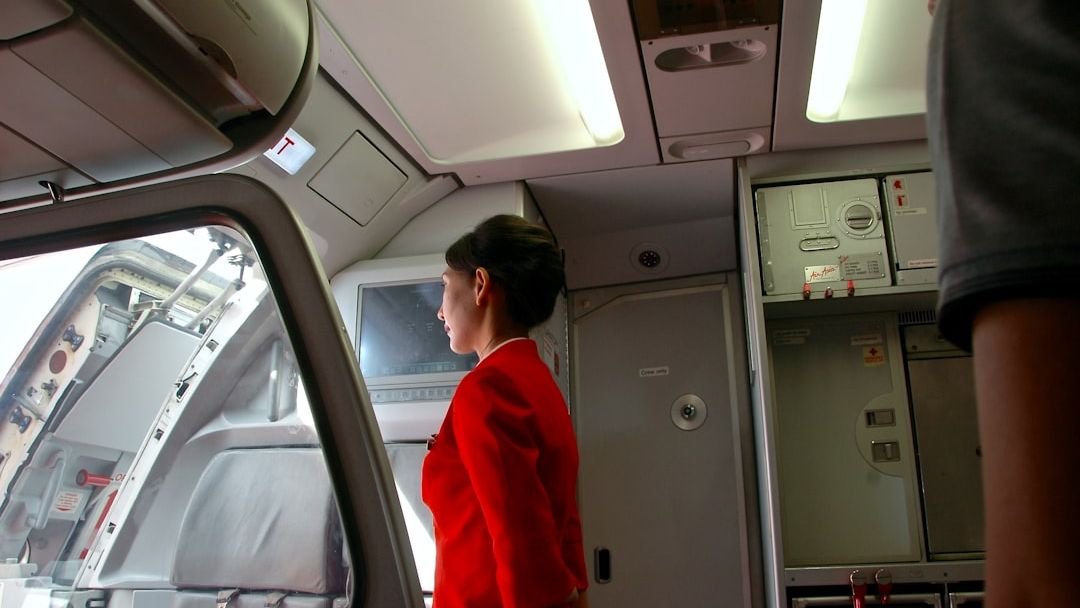
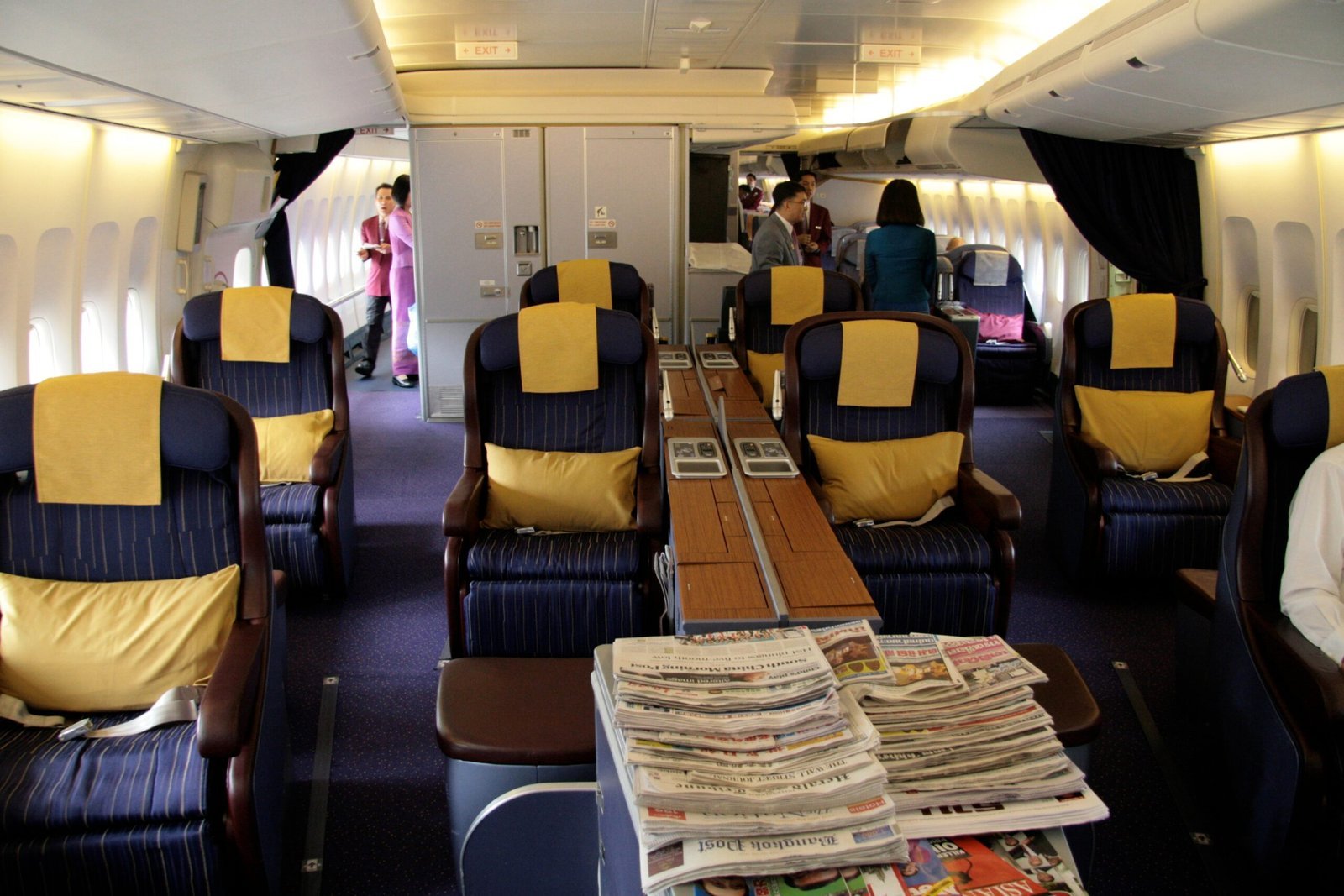
After thousands of hours in the air, serving passengers in the most exclusive cabin in the sky, you start to notice things. Not just whether someone wants sparkling or still. Deeper things. The way a person holds their glass. Whether they make eye contact when they say thank you. Whether they say thank you at all.
Working first class is a masterclass in human behavior. Here’s what fascinates many of us in this profession: true class has nothing to do with which cabin you’re sitting in. There’s more grace in some middle seats at the back than in certain first-class rows. The difference between old money and new money passengers is one of the most revealing – and honestly, endlessly fascinating – dynamics I’ve ever observed up front. Let’s dive in.
1. How They Board: The Quiet Arrival vs. The Grand Entrance
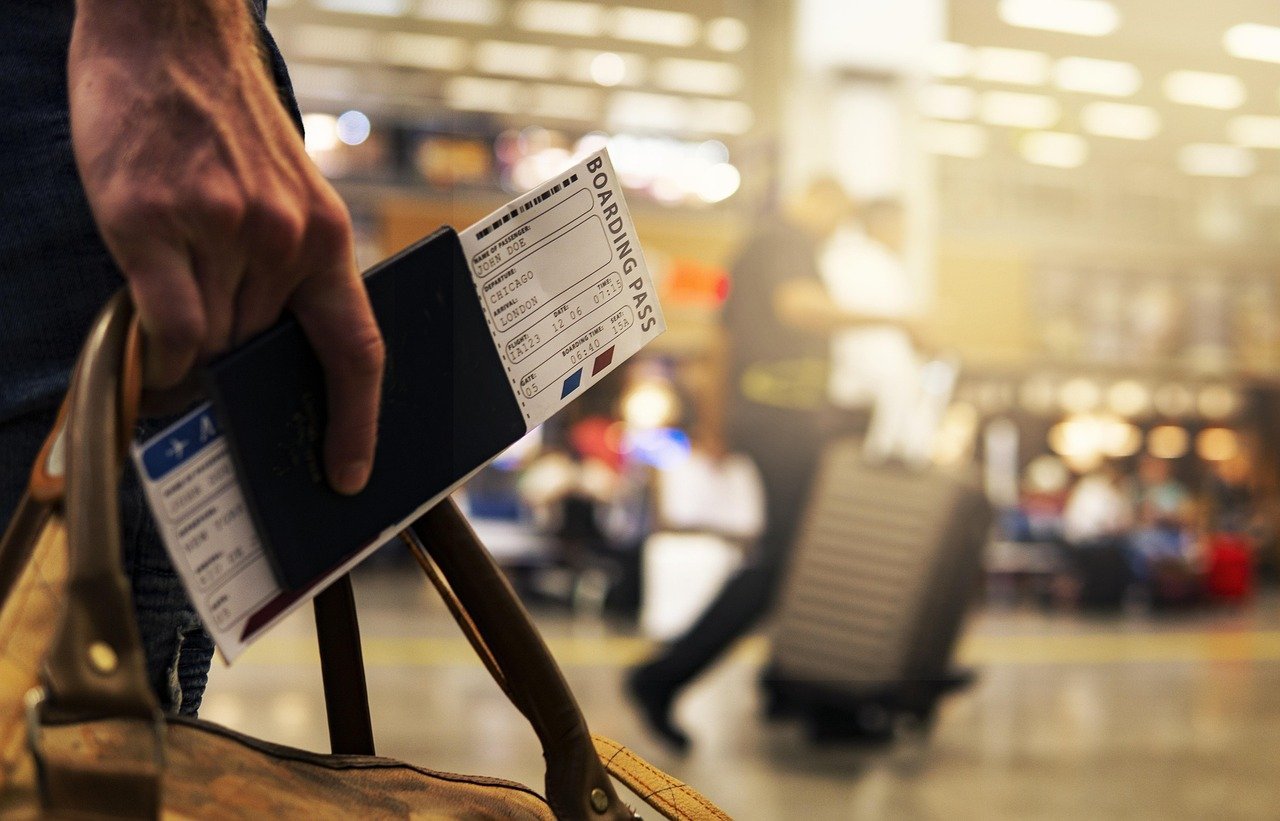
Old money passengers board like they belong there, because in their minds, they always have. There’s no looking around to check if anyone noticed them. No settling in with a performance. They find their seat, nod at the crew, and get comfortable without drama.
New money passengers, on the other hand, often arrive with an energy that fills the cabin before they do. Flight attendants quietly make economic assessments during boarding. The passenger wearing designer clothes but flying basic economy. The person in the expensive suit in first class who has never flown premium before and doesn’t know how to act. The quiet money that boards last, expects nothing, and tips everyone.
As one veteran flight attendant put it: “Experienced travelers move differently. They know where things go, they’re already prepared for security demonstrations, they have their own routines. We can tell who flies twice a year versus twice a week.” That observation is about frequency, yes. It’s also about ease.
2. The Logo Game: Quiet Luxury vs. Billboard Dressing
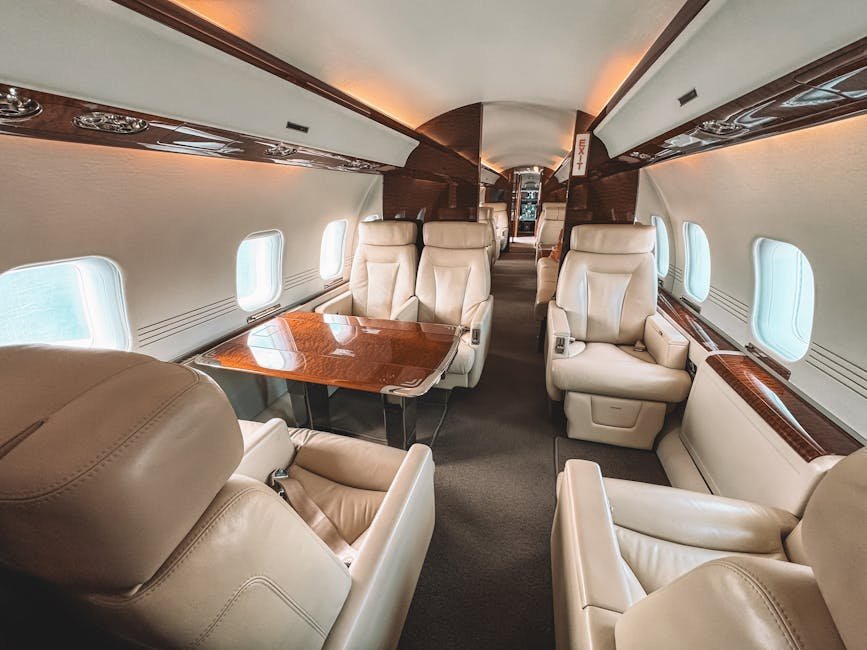
One of the most reliable tells I’ve seen over the years sits right on a passenger’s chest. Or wrist. Or bag. New money tends to arrive dressed in statements. Think large logos, head-to-toe brand coordination, items that practically announce their price tags out loud.
When it comes to style, old money and new money are worlds apart. Old money tends to favor understated elegance. Picture a well-worn tweed blazer paired with a cashmere sweater, perhaps a pair of classic brogues, and a family heirloom watch. The look is timeless, the labels discreet, and the price tags astronomically high – but only the discerning eye would notice. In contrast, new money embraces bold statements and brand logos as if they were a second language.
In 2026, industry observers describe this divide precisely: quiet luxury is the behavior of wearing expensive clothes without logos, while “old money” is the aesthetic and lifestyle that prioritizes heritage, generational wealth, and classic sporting cultures like equestrianism or sailing. I’ve seen passengers in plain navy cashmere who probably spent more on that single sweater than most people spend on a round-trip business class ticket. You’d never know it to look at them. That’s entirely the point.
3. How They Treat the Crew: Service vs. Servitude
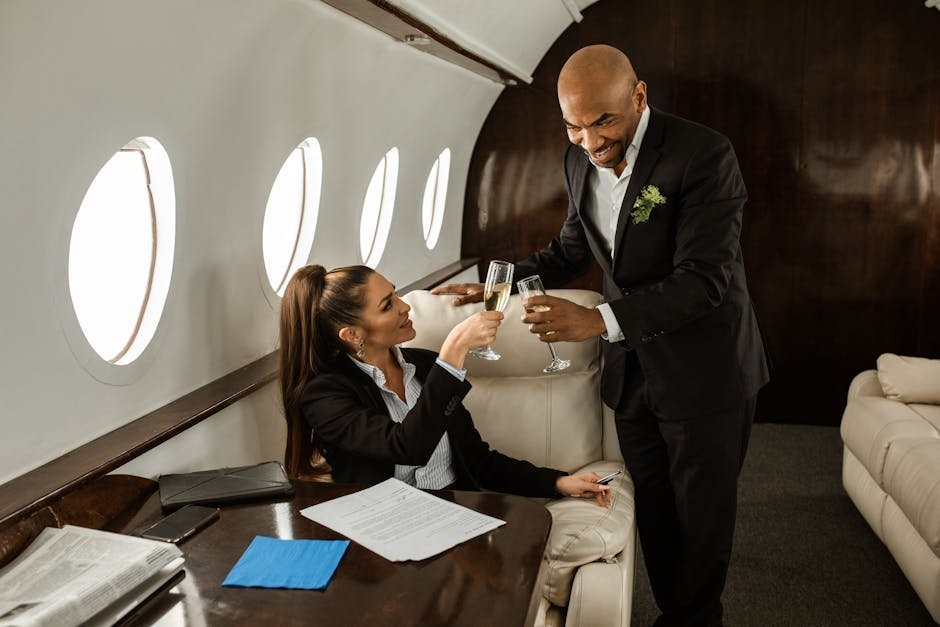
Honestly, this one is probably the most telling sign of all. There’s a crucial difference between providing service and being a servant. People with real class understand this distinction. They make requests, not demands. They say “when you have a moment” instead of “now.” They understand that flight attendants are there primarily for safety, not to be personal assistants.
New money passengers sometimes treat a first-class ticket like a hiring decision. The ones without class think purchasing a ticket means they’ve hired personal staff. They get angry when crew can’t break company policy just for them. They confuse professional courtesy with subservience. I’ve personally watched passengers snap their fingers, raise their voices, and treat a meal service like a grievance session.
For many, first class is the pinnacle of luxury. For some passengers, however, it’s a personal kingdom where flight attendants are expected to grant every wish – no matter how ridiculous. Old money passengers, in my experience, almost never do this. They were raised around staff. They know the difference.
4. The Announcement Problem: Talking About Money vs. Never Mentioning It

New money passengers are more likely to mention what they paid, what they own, or what they do – sometimes unprompted. There’s a need to establish context, to make sure you understand who you’re dealing with. It’s not malicious. It comes from a place of still needing external validation.
New money often makes itself highly visible. New money will drive down the street in a pink Ferrari if they are partial to the color of flamingos. They purchase extremely large mansions because they grew up poor and struggling. That same energy shows up in first class at 35,000 feet, just in a smaller physical space.
If a flight attendant had a dollar for every time a passenger felt compelled to announce their importance, retirement would come quickly. The people who feel the need to announce their importance usually aren’t that important. Real power whispers – it doesn’t shout. Old money passengers almost never volunteer their net worth. It simply doesn’t occur to them that it needs saying.
5. The Luggage Tells Its Own Story
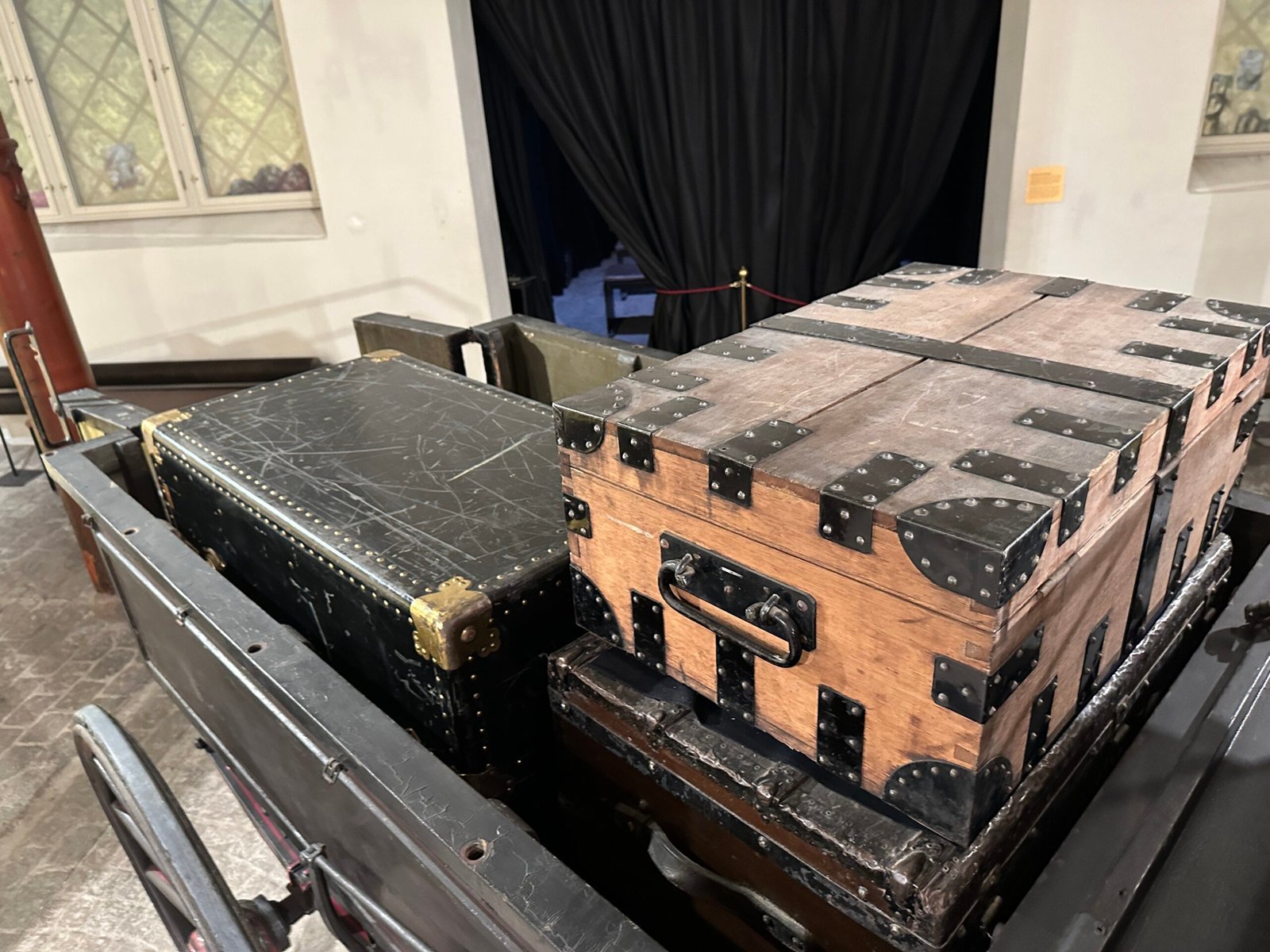
I’ve become something of an involuntary luggage analyst over the years. New money passengers often travel with brand-new everything. Matching sets. Hard-shell cases in trending colors. The kind of luggage that screams recent purchase. There’s nothing wrong with any of it. It’s just a pattern.
The brand-new Bentley Continental suggests something different than the fifteen-year-old Land Rover Defender with actual mud on the tires. Both cost a fortune. Both belong to millionaires. Yet they communicate entirely different messages about how that money arrived and what it means to its owner. The same principle applies perfectly to luggage.
Old money passengers often carry slightly battered, beautifully aged leather bags from makers you might not immediately recognize. Old money families typically value discretion, tradition, and legacy. They often invest in timeless pieces, from art to real estate, and prioritize education and philanthropy. That philosophy extends even to what they pack for a long-haul flight.
6. Social Media in the Cabin: Documenting vs. Simply Living

This one has become increasingly obvious over the past few years. New money passengers frequently photograph the flat-bed seat, the champagne flute, the amuse-bouche. They want evidence. They want the moment documented. The experience is partly lived and partly performed for an audience somewhere online.
A real example of this went viral in 2025. An Australian CEO’s AI-crafted motivational message, comparing his luxury experience to that of economy passengers, backfired dramatically as social media users condemned what they saw as an entitled perspective masked as inspiration. Jake Bass, who identifies himself as a CEO and founder, created a viral firestorm after posting about his premium Emirates first-class experience.
The post, which Bass later admitted to the NY Post was crafted with ChatGPT to “trigger emotion, create division, and spark mass engagement,” highlighted the $50,000 price tag and exclusive nature of their journey. Old money passengers don’t post about the price of the seat. It’s not that they’re humble. It’s that the idea of broadcasting it simply doesn’t cross their minds. There’s a difference.
7. Spending Philosophy: Celebrating vs. Stewarding Wealth
Here’s something I find genuinely fascinating from a behavioral standpoint. New money passengers often treat a first-class upgrade or purchase as a reward. A celebration. Something to be savored and announced. New money sees wealth as reward. After years of building, the money represents permission to enjoy life. Spending brings pleasure. Luxury purchases celebrate achievement.
Old money operates from an entirely different framework. Old money sees wealth as responsibility. The fortune doesn’t belong to the current generation. It belongs to the family across time. Current holders are stewards, not owners. Every dollar spent on display is a dollar not compounding for descendants. This philosophical divide produces dramatically different financial behaviors.
According to Harvard Business Review research, first-generation wealth creators spend significantly more on visible status goods than third-generation inheritors, who allocate resources toward experiences, education, and assets that don’t announce themselves. I see this play out in first class constantly. New money orders the most expensive wine on the menu. Old money asks which wine I’d personally recommend.
8. Comfort With Staff: Naturalness vs. Performance
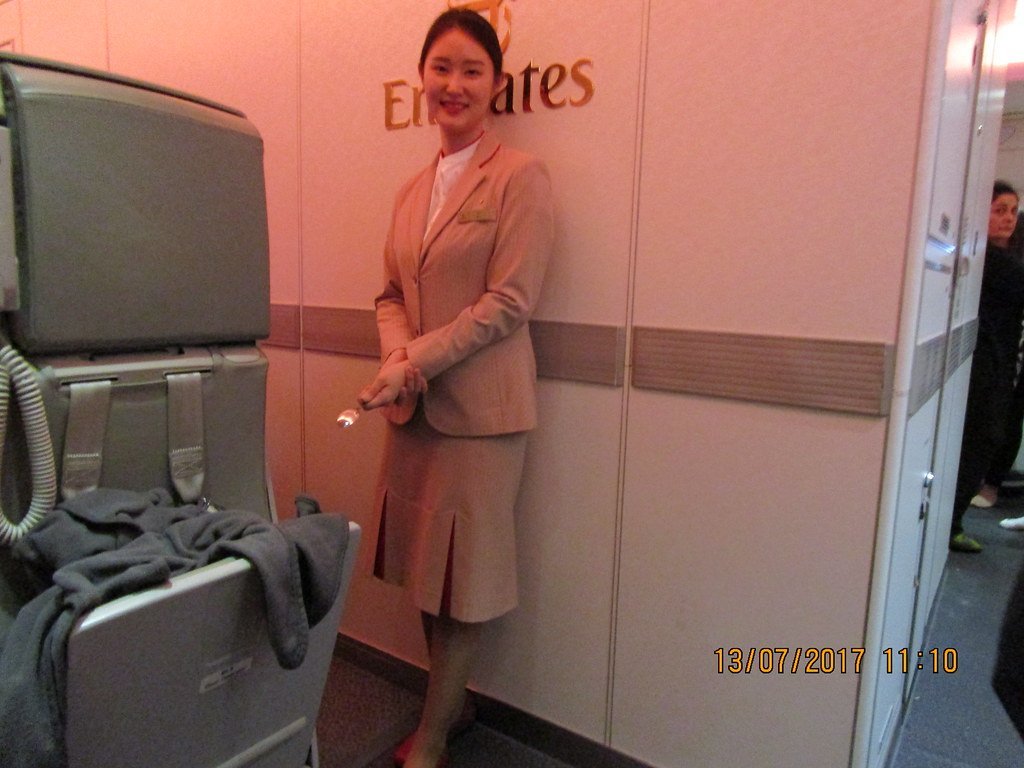
Old money passengers have typically been around service staff their entire lives. Household employees, club staff, hotel concierges – these are familiar, human relationships that feel natural to them. Behaviorally, old money individuals often carry an air of practiced nonchalance. They are well-versed in the art of discretion and possess a certain je ne sais quoi that comes from generations of privilege. Their confidence is quiet, their networks extensive but subtly maintained.
There’s a phenomenon many in luxury hospitality notice. The people who had actually earned their wealth through building businesses were usually the most understanding when something went wrong. The ones who married into money or inherited it? A different story entirely. It’s not a universal rule, but it’s a pattern I’ve seen repeatedly.
A significant difference lies in the way newly made rich individuals navigate social relationships and interactions. For the newly rich, social mobility represents an opportunity to break free from the constraints of their past and gain acceptance within elite circles. They may go to great lengths to emulate the lifestyles and behaviors of the old money elite, seeking validation and recognition. In a first-class cabin, that effort is palpable – and actually a little poignant when you think about it.
9. Tipping and Gratitude: Generous vs. Gracious
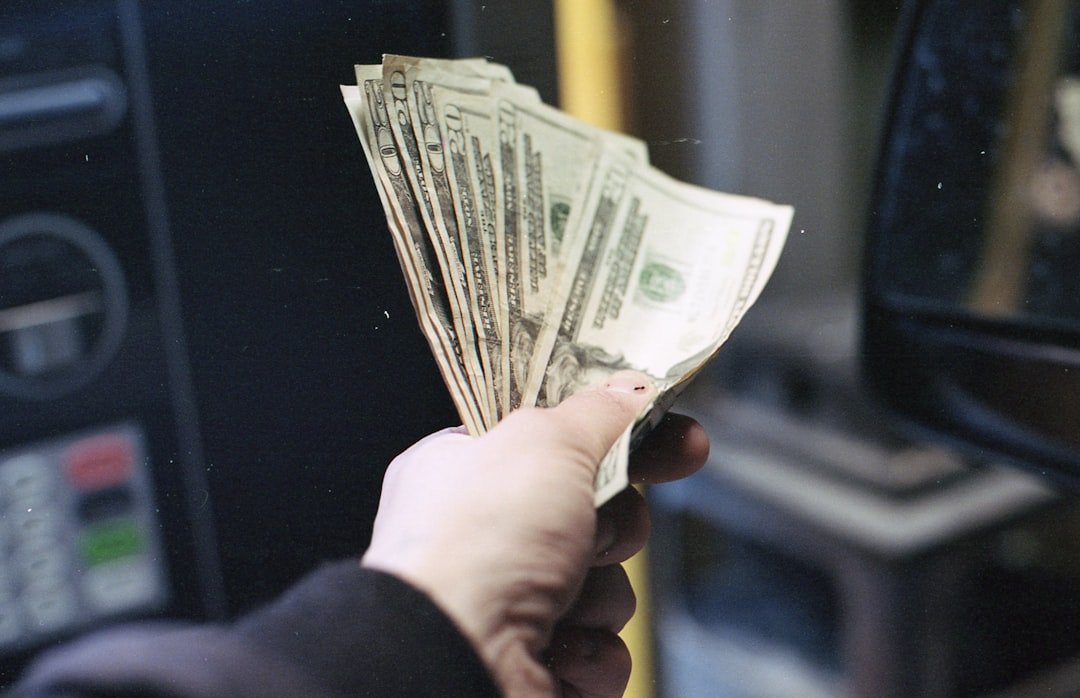
Let’s talk about tipping, because this is genuinely interesting. New money passengers tip bigger, more openly, and sometimes more theatrically. It’s a demonstration of generosity but also of means. Old money passengers express gratitude differently – a specific compliment, a handwritten note left behind, a quiet and direct thank-you that somehow lands harder than cash.
In one widely discussed Reddit story, a passenger wondered if tipping flight attendants had become the new normal after being upgraded to first class. Seated behind an unusual traveler in the front cabin, the passenger observed an older gentleman who steadily drank gin and tonics throughout the two-hour flight. Each time the flight attendant brought him another drink, he handed over a five-dollar bill.
The act of tipping flight attendants is not a widely recognized custom in the United States, where airline staff are salaried rather than relying on gratuities like restaurant servers. Old money passengers understand this convention perfectly. New money passengers sometimes tip because it makes them feel powerful in the exchange. Both are interesting. One is more comfortable to receive.
10. The Mess Left Behind: Tidiness as an Unconscious Signal
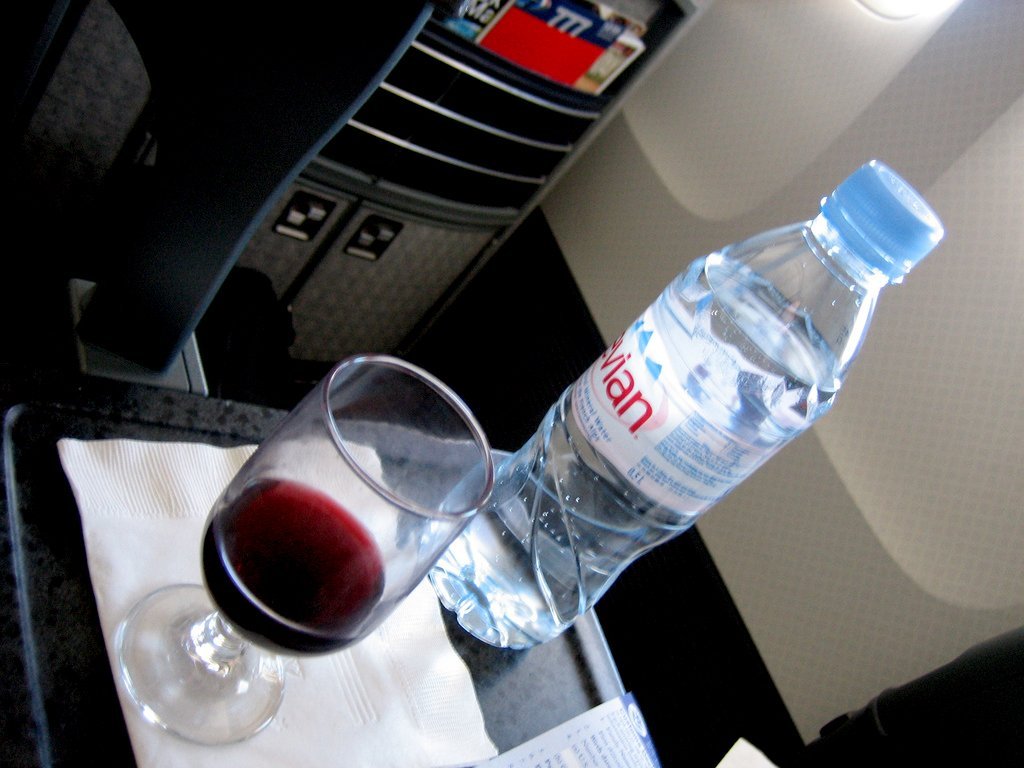
I’ve saved this one for last because it consistently surprises people when I mention it. How a passenger leaves their space at the end of a flight tells you a remarkable amount about their background. People with genuine class leave their space tidy. They put their trash in the bag when crew come through. It’s such a small thing. It reveals so much.
New money passengers sometimes leave the space reflecting the full experience – wrappers, bottles, amenity kit contents scattered everywhere. It’s not laziness exactly. It’s the assumption that someone else is paid to clean it up, and that assumption comes naturally when you’re still getting used to spaces where someone actually is. New money habits involve people spending their money more carelessly. Someone who is new money may participate in spontaneous spending sprees. New money may also take more vacations and splurge on first-class tickets.
The truly classy passengers are the ones who make the crew’s job easier – not because they want special treatment, but because that’s just who they are. They understand that kindness, respect, and consideration aren’t currencies you spend expecting returns. They’re just the right way to move through the world, whether you’re at 30,000 feet or on the ground. After years in this cabin, I believe that completely.
A Final Thought From the Front of the Plane
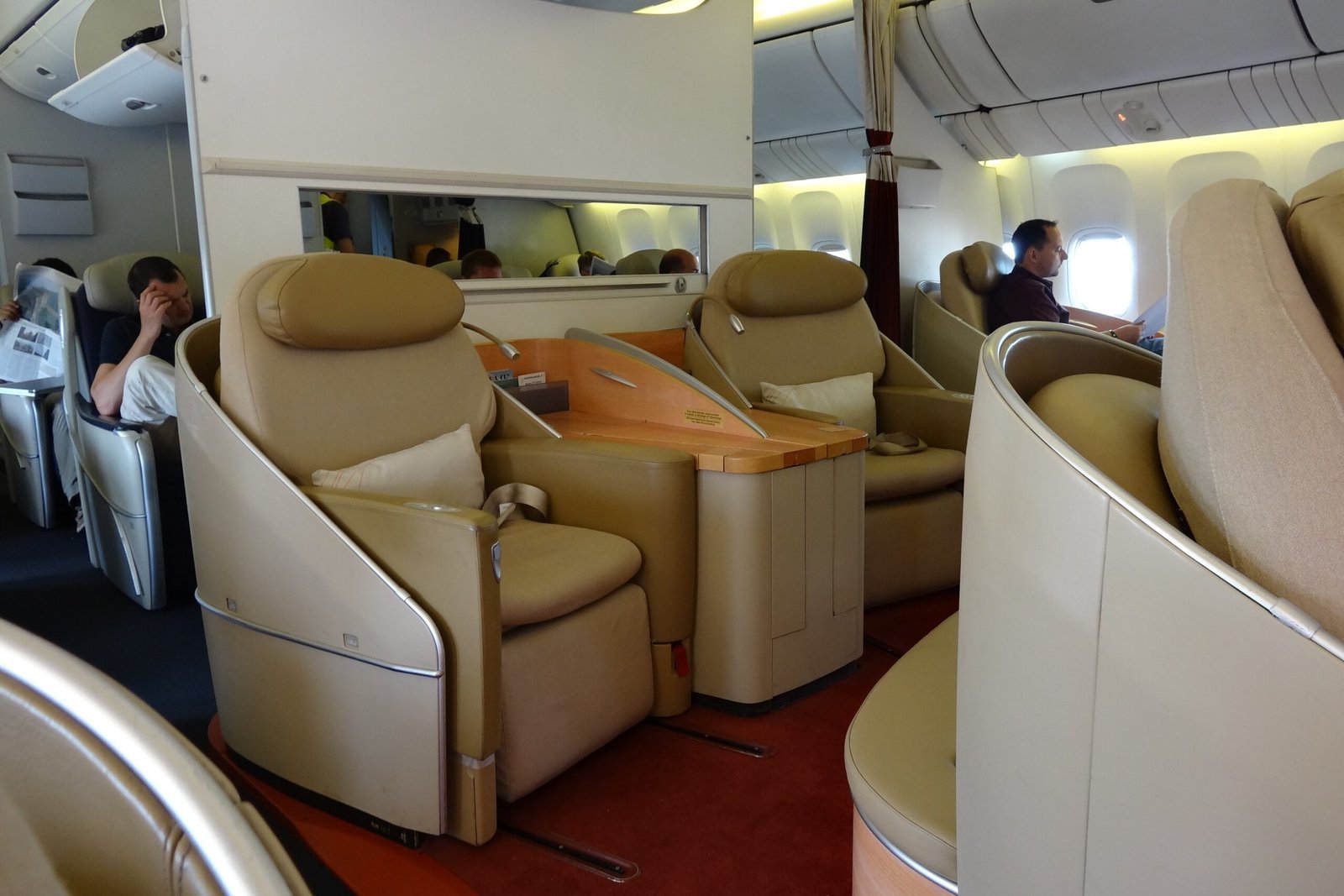
Here’s the thing: neither old money nor new money is morally superior. The key differences between old and new money are spending habits, social perception, and whether the wealth was inherited or earned. Both groups are fascinating in their own right, and I’ve met genuinely wonderful humans in both categories.
What I’ve noticed most, working this cabin for years, is that the behaviors aren’t really about money at all. They’re about security. For individuals who have recently ascended the socioeconomic ladder, wealth represents not just financial security, but a validation of their efforts and aspirations. Their journey from modest beginnings to newfound prosperity is often marked by perseverance, resilience, and a relentless pursuit of success. That journey deserves respect, even when it shows up in a first-class cabin a little loudly.
Old money is simply new money that had enough generations to stop proving itself. When you think about it that way, the difference feels a lot more human. What would you have guessed about the passenger in 1A before reading this?