
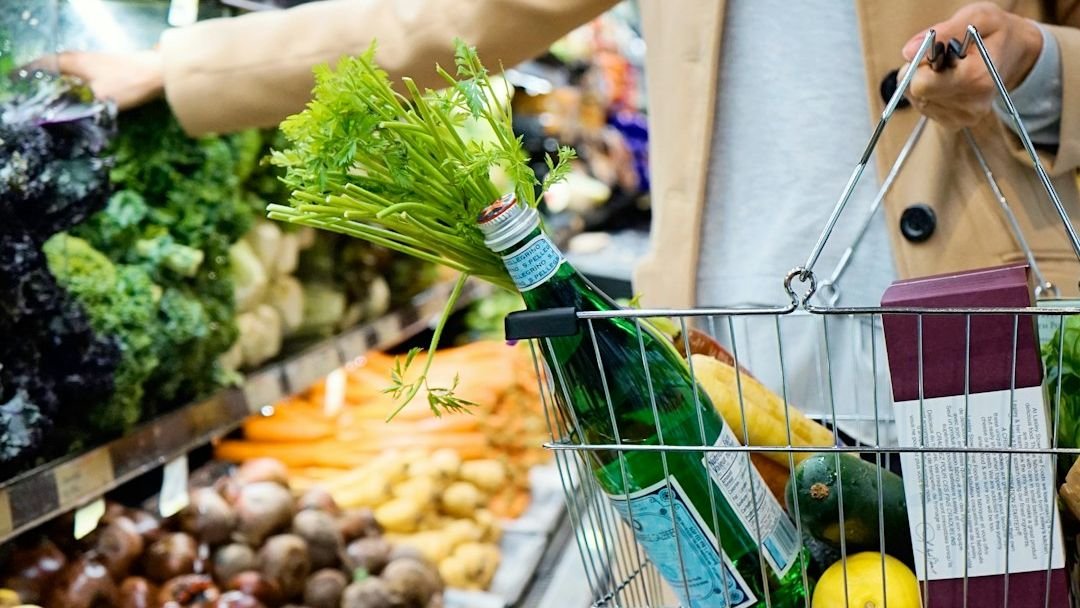
Every single week, I watch the same thing unfold right here on the store floor. Families come in with lists, coupons, apps open on their phones, scanning price tags with the focused intensity of people who have something real at stake. And they do. The price of groceries is up roughly 30 percent since January 2020, and the typical family of four is now spending more than $1,000 per month at the grocery store. That is not pocket change.
About seven in ten Americans say they’re spending more on groceries compared to last year, according to an October 2025 ABC News, Washington Post, and Ipsos survey. So if you feel like every checkout trip punches you harder than the last, you are absolutely not imagining it. The families who are thriving despite all of this are not lucky. They are strategic. Here is what they actually do. Let’s dive in.
1. They Build Meals Around the Sales Ad, Not the Other Way Around

Most people decide what they want to eat and then go shopping. Smart families flip that completely on its head. They check the weekly store circular first, figure out what is discounted, and build their meals around those items. It sounds almost too simple, but it is genuinely one of the most powerful moves you can make.
Supermarket sales often change weekly, and building your meal plan around what’s on discount is one of the most recommended approaches by food budget experts. Think of it like this: your grocery store is basically sending you a weekly cheat sheet, and most shoppers just ignore it. Honestly, that is kind of wild when you think about it.
Getting into the habit of planning meals around what is on sale and around what items you already have on hand can help you minimize the number of non-sale items you need each week, potentially helping you cut your grocery bill in half. Start with the circular. Then open your fridge. Then make your list. In that order.
2. They Switched to Store Brands Without Looking Back

Here is a truth I see play out in the aisles constantly: the store brand cereal and the name brand cereal are often made in the exact same facility. Many store-brand items are manufactured by the same companies that produce the name-brand versions, and some generic products come from the same product lines, meaning you are getting the same product without the hefty price tag. That is not a rumor. That is how private label manufacturing actually works.
According to a study by the Private Label Manufacturers Association, consumers can save an average of roughly 25 to 30 percent on their grocery bills by choosing store-brand options over name brands. On a $1,000 monthly grocery spend, that math adds up to real money, fast. It is estimated that U.S. consumers save more than $40 billion a year on grocery and household purchases by opting for the store brand over the national brand version of their favorite products.
Surprisingly, more than roughly four in five shoppers making over $100,000 a year say they are buying more private-label products than ever before, and just over half of those high-income shoppers say they buy store brands “very often.” When even wealthy shoppers are making the switch, that really tells you something. It is not about being broke. It is about being smart.
3. They Keep a Strict Shopping List and Never Walk In Without One

I cannot count how many times I have watched someone wander into this store with no plan and walk out with a cart full of things they did not need. Grocery stores are not designed for wandering. They are designed for spending. The grocery store is built for impulse buying, especially if you have children, and the way the store is aligned is no coincidence as human psychology has been taken into account.
Writing out a list of the things you will need before stepping into the grocery store genuinely helps, and people tend to spend less money when they go to the grocery store with a list. It is not complicated. It just takes five minutes before you leave the house. Avoiding impulse purchases by sticking to your list, shopping with cash when possible, and not grocery shopping while hungry are all practical tactics that make a measurable difference.
4. They Stocked Up During Sales to Create a Home Pantry Buffer

The families who are genuinely cutting their bills in half are not just shopping smarter week to week. They are playing a longer game. When pasta goes on sale, they buy ten boxes. When canned tomatoes drop, they grab a case. Think of it as building a small warehouse inside your own home.
Sale cycles generally run about six to eight weeks, which means your pantry stockpile should contain about six to eight weeks’ worth of a nice variety of food, and it takes about six to eight weeks before you have built up enough to start seeing the most dramatic savings in your grocery bill. That initial investment feels strange but the payoff is real. Items like rice, beans, and flour are always cheaper in bulk. Stock up on those staples without hesitation.
Buying in bulk and freezing by stocking up on non-perishables and freezing meat and vegetables when available at lower prices is a consistent strategy recommended by financial planning experts. Freeze it, label it, use it. Your future self will be grateful every time you skip a last-minute, full-price grocery run.
5. They Cut Back Dramatically on Meat

Let’s be real: meat is expensive, and it has gotten much worse recently. Meat prices jumped roughly 12 percent from September 2024 to September 2025. That is a significant jump for a category that often anchors every single meal in a typical American household. Families that are genuinely saving money have largely restructured how much meat sits on their plates each week.
Alternative protein sources such as lentils, beans, and tofu often cost less than meat while still providing essential nutrients. A pot of lentil soup costs a fraction of what a pound of ground beef costs, feeds more people, and honestly keeps you fuller longer. Root vegetables, grains like rice and oats, beans, and lentils are foundational budget foods that can provide simple, solid nutrition for a family. A few meatless nights per week can slice a significant chunk off your monthly total.
6. They Switched to Discount Grocery Chains

Where you shop matters enormously. It is honestly one of the biggest levers anyone has on their food budget, and a lot of families are finally pulling it. An overwhelming majority of respondents in a 2025 survey said the primary reason for choosing one store over another is simply better prices, and roughly a third of respondents switched to dollar or discount stores in 2024, with the vast majority citing lower prices as their main reason.
Many consumers have flocked to wholesale clubs or discount grocers like Aldi, which says it gained 19 million new shoppers in 2025. That is not a small number. That represents a genuine shift in where American families are choosing to spend their food dollars. Doing a once-a-month stock-up trip to Aldi, Lidl, Grocery Outlet, or another discount chain for shelf-stable staples and snacks, then using your regular grocery store for fresh produce and specialty items, is a strategy that balances savings with flexibility.
7. They Use Loyalty Programs and Cash-Back Apps Religiously

I watch customers walk past the loyalty sign-up kiosk every day without stopping. It genuinely puzzles me. Joining a store loyalty program takes about two minutes and the savings are immediate. It is one of those rare financial moves where the effort-to-reward ratio is almost comically in your favor.
Joining your local store’s loyalty program can help you get additional discounts on top of any weekly sales or deals, and while you may have to trade personal information like your phone number or an email, you typically get lower prices in exchange. Most families I talk to have no idea how much they are leaving on the table by skipping this step. Grocery rewards credit cards also offer cash back or points on purchases at the supermarket, with the best grocery rewards cards offering roughly three to six percent cash back. Stack a loyalty card on top of a rewards card and you are suddenly getting discounts from multiple directions at once.
Discounts and deals remain popular, with roughly two thirds of shoppers shopping during sales and more than half using coupons to save money, according to recent survey data. Coupons are not just your grandmother’s trick anymore. Digital coupons via apps now make it faster and easier than ever.
8. They Massively Reduced Food Waste

This one is harder to see at the register, but it is brutally real. Roughly 40 percent of the food produced in the United States is never consumed, resulting in huge quantities of edible food discarded in landfills. Think about that for a second. Nearly half of everything produced ends up in the trash. If your household mirrors that pattern even slightly, you are essentially throwing a significant portion of your grocery budget straight into the bin.
The smartest families I observe treat their refrigerator and pantry like a mini grocery store they need to shop from before heading out. Before shopping, taking inventory of what is already in your pantry and fridge to reduce waste and avoid unnecessary purchases is one of the most effective first steps in reducing costs. Check what you have. Use it. Then buy only what you actually need.
Meal planning is essential for saving money and reducing food waste, and this one change alone can save thousands each year by helping you plan meals around sale items and what you already have on hand, avoiding unnecessary purchases and ensuring nothing goes to waste. Waste reduction and smart shopping are two sides of the same coin.
9. They Stopped Buying Non-Food Items at the Grocery Store

Here is something most shoppers never think about. Paper towels, shampoo, greeting cards, laundry detergent. These items all end up in the grocery cart, and grocery stores typically charge more for them than a dollar store or big-box retailer would. It is an easy trap to fall into, especially when you are already at the store and it feels convenient.
Housewares, health and beauty items, greeting cards, and holiday items can often be purchased for less elsewhere, and cleaning supplies can be a significant part of the total at the checkout line. It sounds obvious when you say it out loud, but the average family bleeds money on non-food items purchased at the grocery store without ever noticing. Not buying non-food items at the grocery store and purchasing housewares, health and beauty items, and greeting cards elsewhere is a straightforward way to reduce what you spend at checkout.
10. They Got Serious About Meal Planning as a Weekly Ritual

Of all the strategies I have seen work consistently, meal planning might be the single most transformative one. Not because it is complicated, but because it forces every other good habit to fall into place. When you plan your meals, you make a list. When you make a list, you avoid impulse buys. When you avoid impulse buys, you stop wasting food. It all connects.
The average U.S. household spends around $900 per month on food, and cutting just 15 percent through meal planning means saving approximately $135 monthly, which adds up to more than $1,600 a year. That is a real, tangible number. Not theoretical. Not best-case-scenario. Just a natural result of being organized. A LendingTree survey of 2,000 people found that the vast majority of shoppers said they are approaching grocery aisles differently as food prices keep climbing.
The families doing this best are the ones who treat meal planning like a non-negotiable Sunday ritual, not a chore but a strategy session. Thirty minutes on a Sunday can genuinely change what your bank account looks like by the end of the month. Three-quarters of middle-income families say they are actively cutting back on non-essential expenses according to Primerica, and the ones winning at it are not cutting joy. They are cutting waste, cutting impulse, and cutting habit. That is the real secret.
What about you? Which of these strategies are you already using, and which one surprised you the most? Tell us in the comments.