
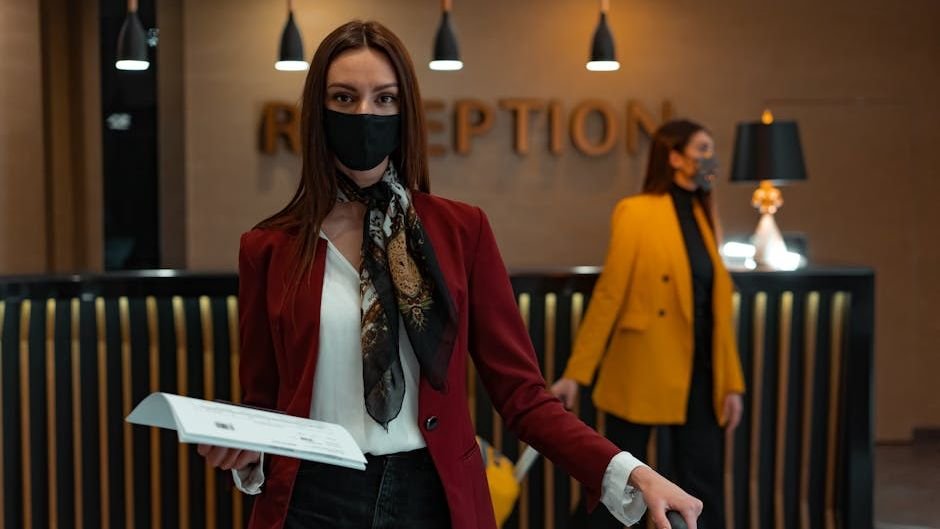
There’s a moment at every hotel front desk that most guests don’t even realize is happening. The agent looks up, sizes you up in about three seconds flat, and somewhere in the back of their mind, a quiet decision is already forming. You just haven’t said the wrong thing yet.
Upgrades are not random acts of kindness. They’re earned, they’re timed, and more often than not, they’re lost before you even finish your first sentence. If you’ve ever wondered why some travelers seem to glide into nicer rooms while you end up next to the ice machine, the answer might be closer to your mouth than you think. Let’s dive in.
1. “I Booked on Expedia, Can I Still Get an Upgrade?”
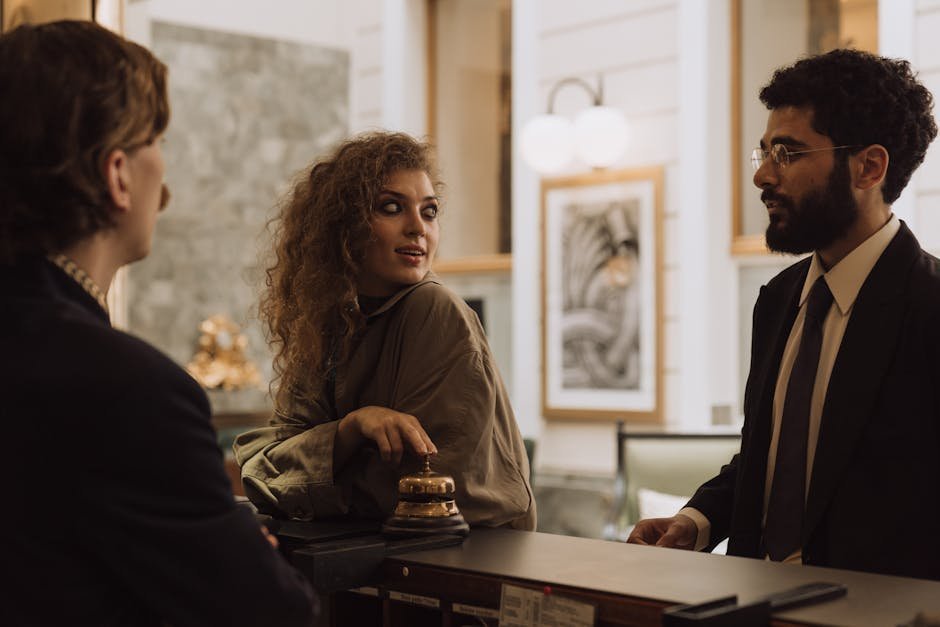
Honestly, this one hurts your chances before you even unpack your bags. Almost universally, guests only earn loyalty points and elite status benefits, including upgrades, when they book directly with the hotel chain. Booking via an OTA usually means no points, no status credit, and a significantly lower chance of an upgrade.
Here’s the thing from the front desk perspective: it’s the exact opposite of what most people assume. If a hotel is going to give an upgrade at all, it’s going to a guest they perceive as “loyal” to them, or one who may bring future business. In order of priority, hotels give upgrades to repeat guests and members of their loyalty programs first.
Booking directly is one of the best ways to improve your chances of getting a free upgrade. You’ll be able to use your hotel points, establish a personal relationship with the hotel, and often secure a better price even without the upgrade. Online travel agencies sometimes tack on fees and don’t let you earn or redeem hotel points when booking. Think of it this way: walking in via an OTA is like showing up at a family dinner as someone’s plus-one. You’re welcome, but you’re not getting the good seat at the table.
2. “I Deserve an Upgrade Because I’m a Loyal Customer”

Dropping the word “deserve” at a front desk is almost always a mistake. There’s a massive difference between gently mentioning your loyalty status and weaponizing it like a bargaining chip. What’s not useful are rude behaviors such as making demands instead of asking, and acting as though your loyalty status or your job title entitles you to endless perks.
Some front desk agents aren’t incentivized to do anything more than is required, even for high-tier elite members. Plus, some hotels have internal policies to only give upgrades when required, to certain room types or to select guests.
There’s a real difference between being a loyal customer and announcing it like you’re owed something. Simply mentioning your membership number at check-in signals that you are a returning, valued customer, not a one-time visitor the hotel has no investment in retaining. That’s the tone that actually works. Quiet confidence, not entitled demands.
3. “This Room Looks Terrible. Can You Give Me Something Better?”
Using manufactured complaints as leverage for a free upgrade is a tactic that hotel staff see through immediately. Hotel staffers don’t take kindly to manipulation. Some guests eagerly search for shortfalls in a hotel while seeking perks. They’ll say something like, “Your bedsheet has a stain; this is not acceptable in a hotel of this class. You can make up for it by upgrading me to one of your suites.”
That kind of move is spotted from a mile away. Front desk agents deal with dozens of guests a day, and they can tell the difference between a genuine complaint and a fishing expedition. Hotels reward good behavior by guests. If a guest goes out of their way to treat staff right, the hotel does the same for them. Happy guests can turn into return guests and can be the biggest advocates for new and repeat business.
Pretending there’s a problem when there isn’t one signals exactly the kind of guest a hotel doesn’t want to reward. It backfires, almost every single time.
4. “I Need an Early Check-In AND an Upgrade”
Stacking multiple big requests in a single breath is one of the fastest ways to watch any goodwill evaporate. Requesting both early check-in and an upgrade at the same time is a common mistake to avoid when asking for a hotel room upgrade.
Guests often arrive hours before official check-in and demand a room on the spot. They don’t want to hear about housekeeping schedules, maintenance checks, or the fact that other guests haven’t even checked out yet. They just want their key card – now.
What they don’t realize is that a hotel isn’t sitting on piles of empty rooms, waiting to be unlocked. Each one has to be turned over carefully, cleaned thoroughly, and checked for issues. Staff don’t want to deny people early access, but it’s not always possible. Asking for one big favor is a conversation. Demanding two simultaneously is an ambush.
5. “I’m a CEO – Do You Know Who I Am?”
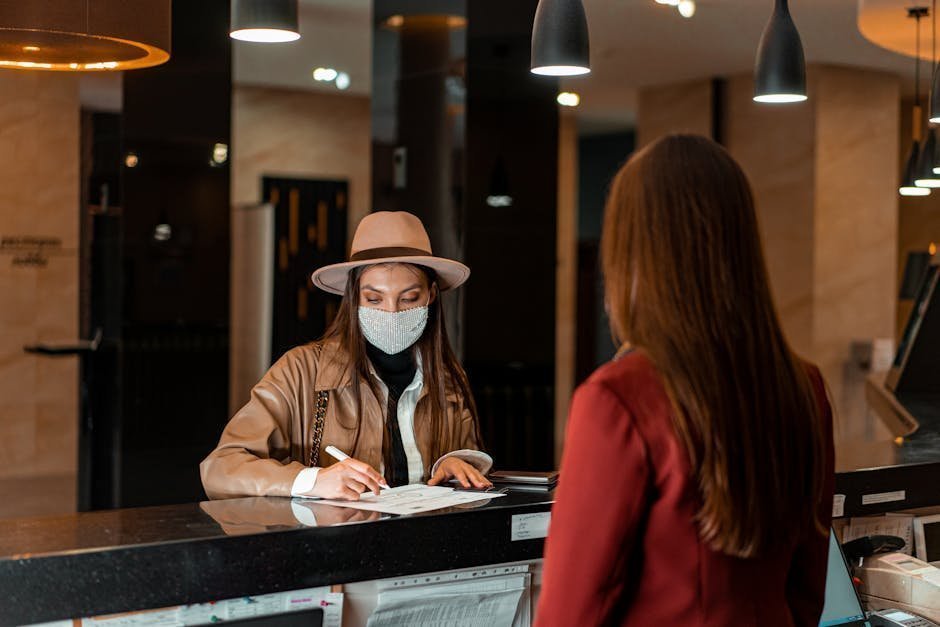
Let’s be real: name-dropping your job title or social status at the front desk is genuinely one of the least effective things a traveler can do. It’s the hotel equivalent of cutting in a queue and expecting a standing ovation. Rude behaviors such as making demands and acting as though your job title entitles you to endless perks simply do not work.
Hotel upgrade systems can be as complicated as those for airlines. Particularly at properties with big brand names, the front desk has to factor in loyalty program membership or whether you booked with a corporate partner to determine upgrade eligibility. However, it never hurts to ask, even without Platinum Elite status. You might not go from a basic room to a presidential suite, but you may score a perk if you’re nice about it.
The agents making upgrade decisions are also, well, human. The most important thing to do when pursuing an upgrade is to ask in a friendly manner. By being personable, telling jokes, and just treating staff like regular humans, you can stand out from the crowd and be the little spark that puts the agent in a much better mood. A better mood equals higher chances of an upgrade.
6. “Just Give Me the Free Upgrade”
The word “free” is a surprisingly big problem. It sounds minor, but word choice at the front desk matters enormously. Asking specifically for a “complimentary” upgrade matters. If you don’t say that word, you may instead be offered an upgrade for a fee. The distinction is significant.
Dropping the word “free” and using “complimentary” instead suddenly makes your request sound like something the hotel might routinely offer, rather than something you are scrounging for. It’s a small shift, but the psychology behind it is real.
According to Plusgrade’s 2024 Hospitality and Rail Study, roughly half of guests are open to floor upgrades when prompted at check-in, which means hotels are already primed for this conversation. You’re not disrupting anyone’s workflow. You are participating in a process that already happens dozens of times a day. You just need to use the right language to participate gracefully.
7. “I’ve Been Waiting 20 Minutes. This Is Unacceptable.”
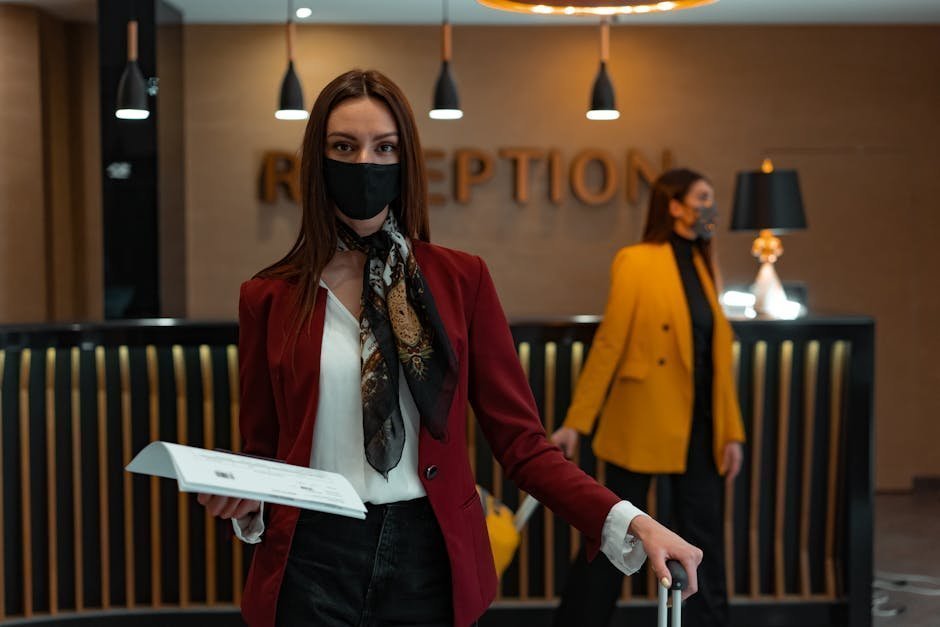
Arriving at check-in already irritated, huffing loudly and announcing your impatience before you’ve even handed over your ID, is a surefire way to make the whole interaction go sideways. According to the AHLA’s 2025 Report, more than a third of guests consider quick and easy check-in a key driver of a positive guest experience. A pleasant, low-pressure interaction creates the emotional context for a front desk agent to want to reward you.
This behavior wears staff down quickly. It makes them feel like they’re constantly in battle mode, defending themselves against accusations of “holding out” on guests. Patience is one of the rarest luxuries in a lobby.
Think of it like this: the agent in front of you is handling a full queue, a ringing phone, and a system update, all at the same time. Walking in with fury already baked in doesn’t speed things up. It just makes you the guest nobody is going out of their way for.
8. “I Saw Someone Else Get an Upgrade. Why Don’t I Get One?”
Comparing yourself to another guest out loud is, to put it kindly, a social catastrophe at the front desk. You genuinely don’t know anything about the other guest’s loyalty tier, booking history, or what occasion they mentioned when they made their reservation. Several factors determine upgrades, including loyalty programs. The higher your ranking in the program, the higher your chances of getting upgraded. Hotels want to keep guests loyal to their brand.
Celebrating something specific beats saying “just vacation.” Anniversaries, birthdays, first trips together – these create narrative weight that agents can use to justify upgrades in their system notes. Hotels track these gesture opportunities very carefully.
The guest you saw upgraded might have been staying at that brand for ten years and quietly mentioned a honeymoon at the desk. You don’t have that context. Usually, the power to grant upgrades and access to perks rests with one person: the one checking you in. That person is now watching you complain about fairness, and the calculus is not going in your favor.
9. “I’ll Leave a Bad Review If You Don’t Upgrade Me”
This is the nuclear option, and it detonates on the person who launches it. Threatening a bad review in exchange for a room upgrade is not a negotiation. It’s coercion, and hotel staff are trained to recognize it instantly. The answer isn’t always to give the guest a credit or comp their room. If the employee has not made a mistake, that is simply not warranted.
It makes sense to put strategies in place for dealing with rude guests that result in satisfying the paying customer where possible, while also respecting the staff’s efforts to do their jobs. Review threats rarely deliver what the guest wants and often result in the exact opposite: a notation on the reservation and zero discretionary goodwill from the team.
Hotels reward good behavior by their guests. If a guest goes out of their way to treat staff right, the hotel does the same for them. The upgrade game is built on goodwill. The moment you introduce a threat into that dynamic, the goodwill disappears completely, and with it, any chance of a better room.
What Actually Works Instead
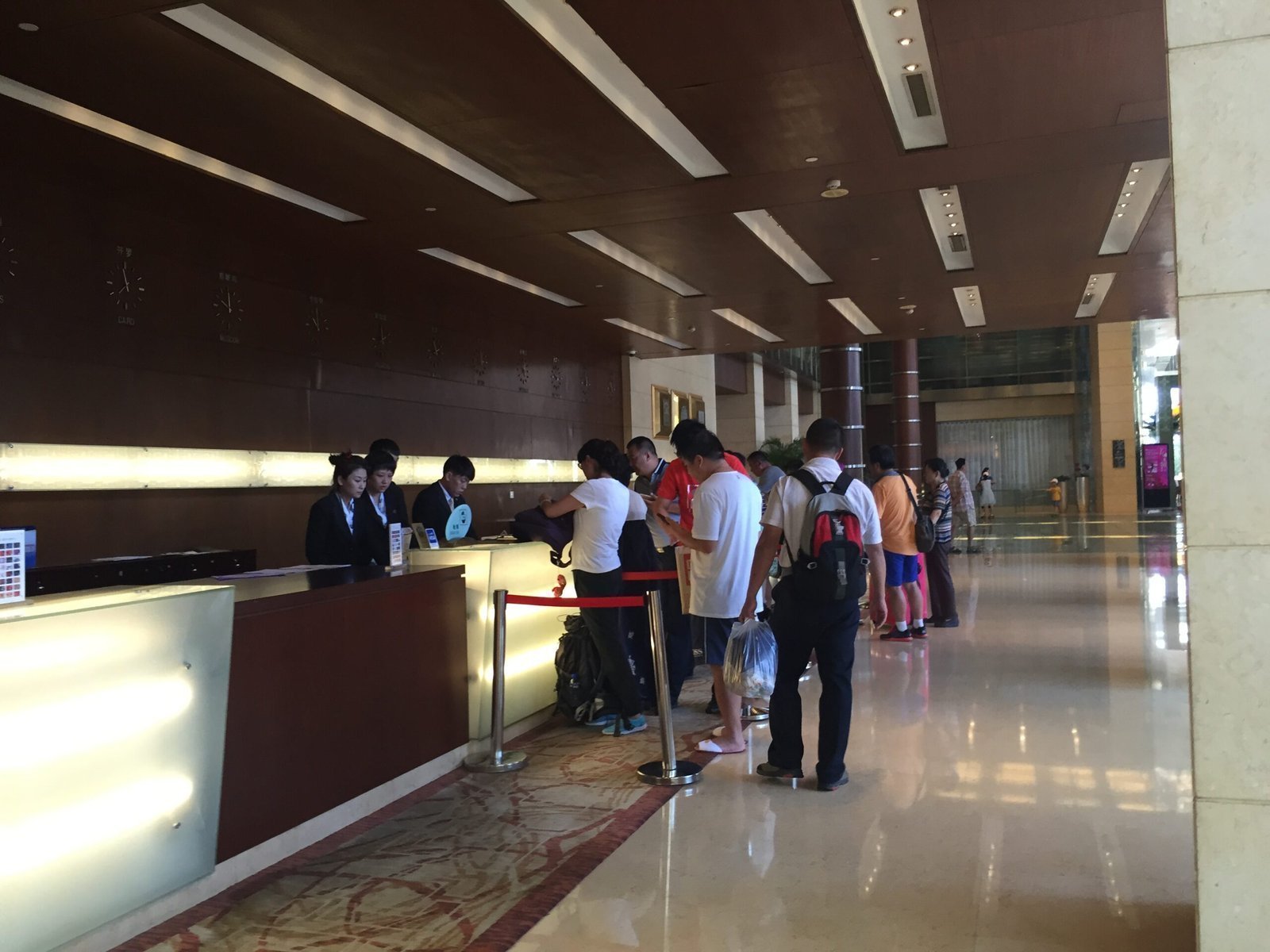
After all the things that kill an upgrade chances, it’s worth a brief moment on what genuinely does work. Timing, tone, and loyalty status are the three pillars. You are more likely to get an upgrade if you check in later in the day, because after around 4 p.m., after the typical check-in and check-out times, the hotel is more likely to know what rooms they actually have available.
Hilton’s 2024 Trends Report indicates that roughly three in five travelers consistently book with one brand or credit card to maximize benefits, with more than two thirds of Millennials prioritizing their loyalty programs when planning travel. Being part of that group, and mentioning it politely, carries real weight.
Friendly people who arrive at slower check-in times and ask politely for upgrades are more likely to receive the white-glove treatment. Always mention special occasions, such as birthdays or anniversaries, when you request the upgrade, as the hotel may be more inclined to make your stay even more memorable. It sounds almost too simple. Yet so many travelers still walk up to that desk and say exactly the wrong thing.
The front desk interaction is ninety seconds of very real human psychology. Walk in warm, be specific, be kind, and ask rather than demand. What you say in those moments matters far more than most guests ever realize – so next time you check in, choose your words carefully.
What do you think – have you ever accidentally said the wrong thing at check-in? Share your experience in the comments.