

There are people in this world who could buy the building you’re sitting in right now, and you’d never know it by looking at them. They’re sitting across from you in economy on a Tuesday flight. They’re in line at the grocery store with a reusable canvas bag. They’re wearing what looks like a very plain navy sweater. That sweater costs more than your rent.
As a private wealth manager, I’ve spent years in rooms filled with extraordinarily wealthy people. I’ve noticed patterns – not the kind you’d find on a fashion blog, but real, behavioral signals that tell you far more than any logo ever could. Some of what I’ve observed might genuinely surprise you. Let’s dive in.
1. The Fabric Is Always the First Tell
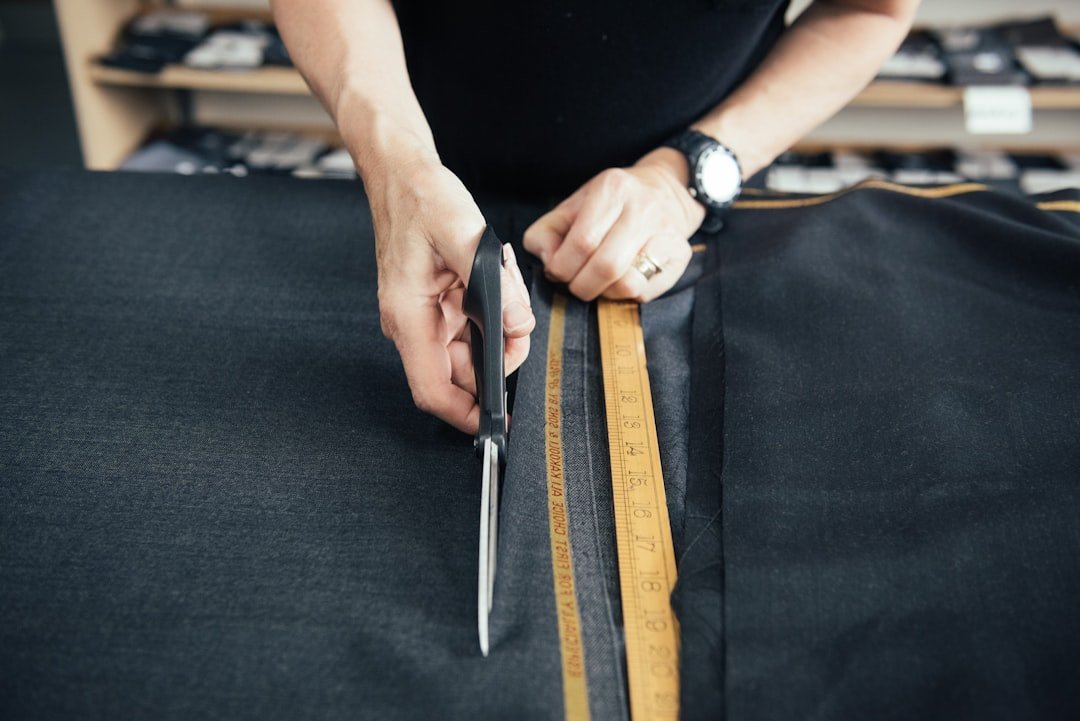
Honestly, this is the thing I noticed earliest in my career, and once you see it, you can’t unsee it. Nothing gives away wealth more quickly than the quality of fabric. From cashmere to silk, from Egyptian cotton to wool sourced from Loro Piana, the fabric tells the story. Real luxury pieces feel different to the touch, soft, weighty, and fluid without being flashy.
The more refined the wardrobe, the more tactile the textures become. Cheap polyester blends and synthetic fibers simply cannot mimic the drape and elegance of high-end textiles. It’s a bit like the difference between drinking tap water and still mineral water from the Alps. You know immediately, even if you can’t explain exactly why.
A McKinsey 2024 consumer sentiment survey reported that more than 60 percent of high-income shoppers are favoring “quality-over-quantity” buying behaviors. This explains the surge in demand for durable fabrics, tailored silhouettes, and subtle craftsmanship that doesn’t require loud branding to justify its value.
2. No Logos. Seriously, None.
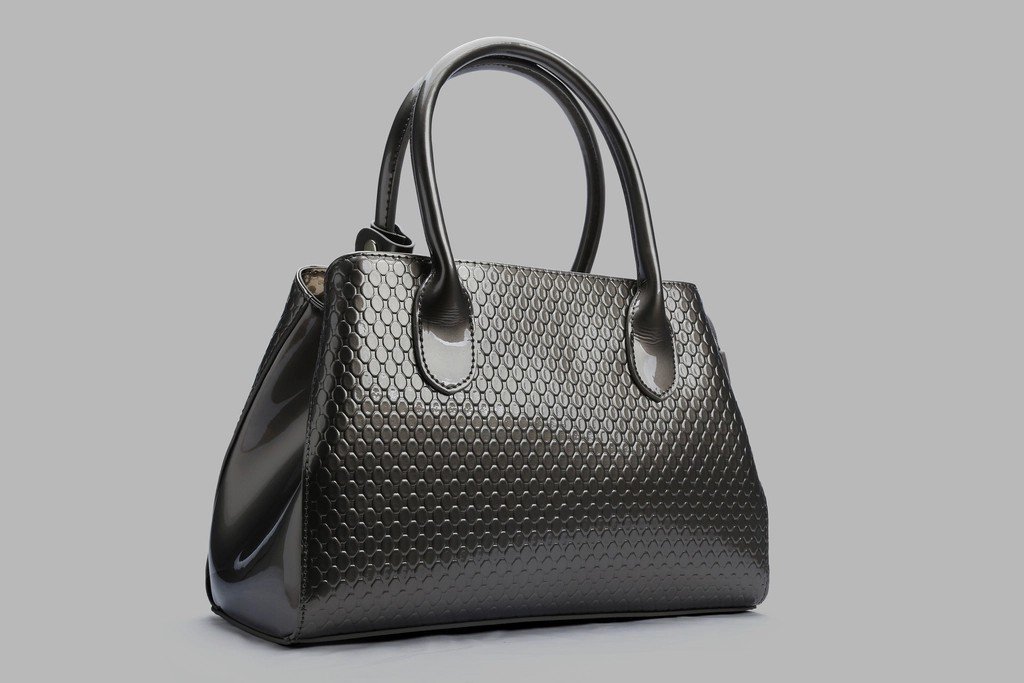
The biggest fashion houses now cater to two markets – the logo-driven and the legacy-driven. Old money and those deeply immersed in fashion culture often avoid visible branding altogether. A wealthy person may wear Hermès, but without the H belt or giant logos. The most luxurious pieces are often unrecognizable to the untrained eye, which makes them all the more exclusive.
According to the 2024 Deloitte Global Fashion and Luxury Report, high-net-worth consumers increasingly prefer brands that communicate “intellectual luxury,” where rarity, craftsmanship, and heritage supersede logos or hype. Think about that for a second. The wealthiest people on the planet are actively choosing clothes that most people wouldn’t be able to identify.
Wealthy women abandoned logo-covered bags around 2020. The shift coincided with Instagram’s maturation and increased wealth consciousness during economic uncertainty. Furthermore, displaying Gucci or Louis Vuitton began reading as nouveau riche rather than established wealth. The truly rich don’t need to prove anything to strangers.
3. The Fit Is Almost Unnaturally Perfect
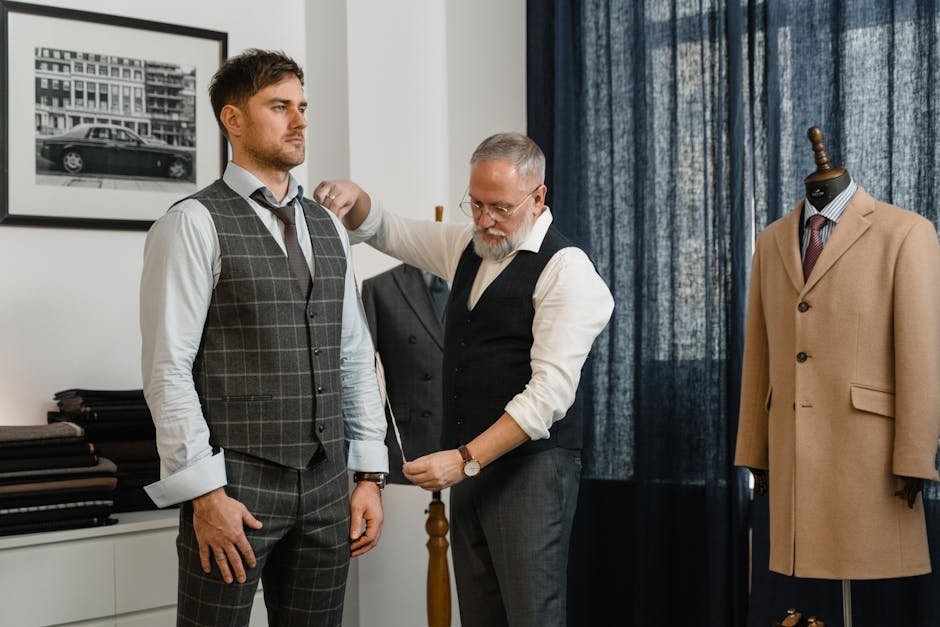
Tailoring is one of the most underappreciated signals of wealth – it’s quiet, intentional, and difficult to fake. This is something I notice every single time. A garment that fits perfectly doesn’t look expensive at first glance. It just looks… right. And that “rightness” is quietly devastating to anyone who understands what they’re seeing.
In the old money aesthetic, the suit is not just a garment but a declaration of elegance and power. Bespoke tailoring is essential, ensuring each piece is a testament to individuality. The wealthy client I’m thinking of right now owns three pairs of trousers, each altered to within a millimeter. He looks effortlessly put together every single time.
Stealth wealth prioritizes invisible quality markers. Natural fabrics, perfect tailoring, and exceptional construction define the aesthetic rather than recognizable branding. Loro Piana cashmere, Brunello Cucinelli knitwear, and The Row basics cost thousands yet display no logos whatsoever.
4. They Wear a “Uniform” and They Wear It Consistently
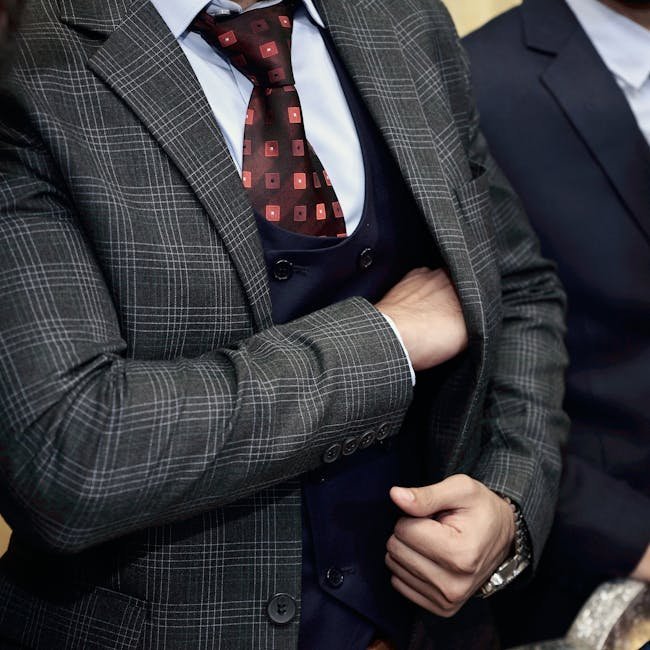
Here’s the thing that trips most people up. When they imagine a millionaire’s wardrobe, they imagine endless variety, a new outfit every day. The reality is the opposite. These leaders adopt signature “uniforms” of interchangeable pieces to preserve mental energy, appear more approachable to stakeholders, and prioritize comfort.
Decision fatigue poses a real threat to high-stakes decision-makers, making clothing choices an unnecessary mental burden. A simplified wardrobe preserves cognitive resources for crucial business decisions. It sounds almost boring when you put it that way, but it’s actually incredibly disciplined. Think of it like a professional athlete who eats the same pre-game meal for years. Repetition is power.
They wear premium basics crafted from exceptional materials, and these leaders adopt signature uniforms of interchangeable pieces to preserve mental energy. The point isn’t variety. The point is frictionless excellence, every single day.
5. Their Shoes Tell the Whole Story
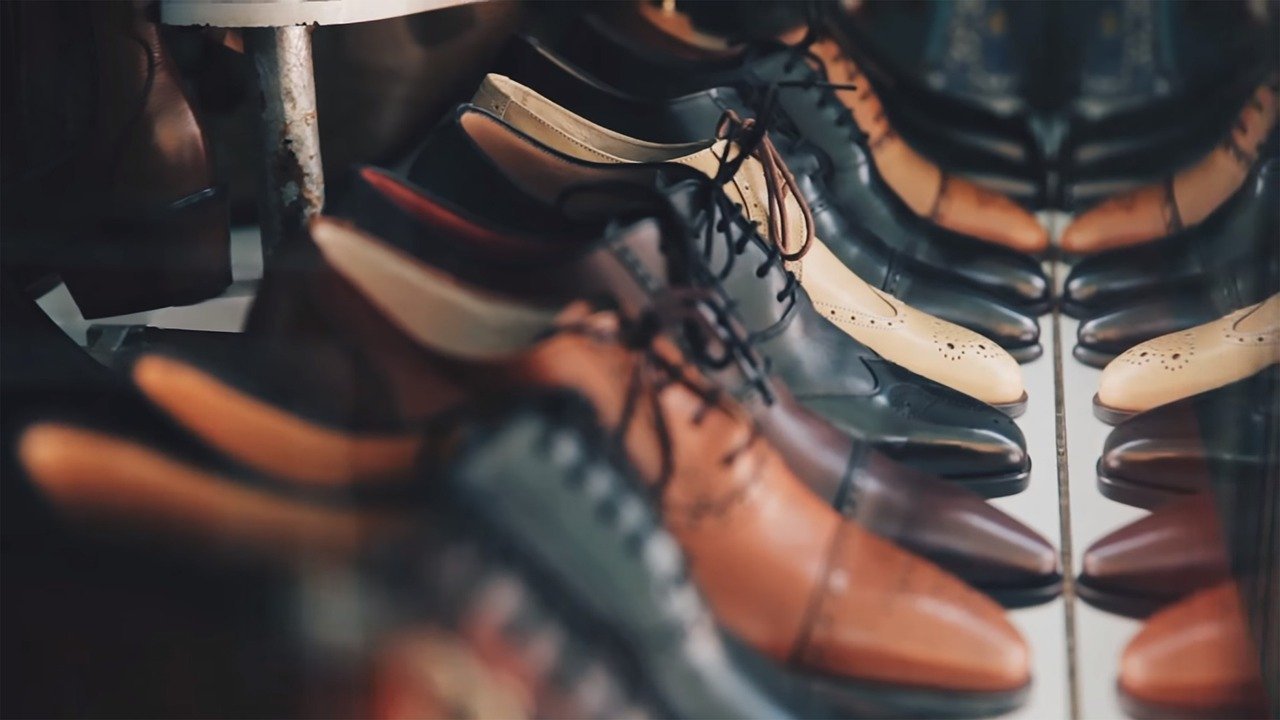
If I’m sizing someone up in a meeting room and I’m not sure where they sit financially, I look at the shoes. Every time. Footwear is a major indicator of status. Look for brands known for quiet craftsmanship rather than flashy trends, think Tod’s loafers, Berluti derbies, or suede driving shoes from Loro Piana.
Wealth shows in the construction, not in the cost alone. Leather should be supple, stitching should be precise, and the wear should suggest longevity, not throwaway style. The shoes of genuinely wealthy people are almost never brand new. There’s a worn-in quality, a patina, that only comes from expensive leather cared for over many years.
I once sat across from a man in what appeared to be a very modest, older pair of brown suede shoes. Those shoes turned out to be a 15-year-old pair from a bespoke shoemaker in London. He’d had them resoled twice. It’s hard to say for sure, but I genuinely believe that old pair of shoes communicated more wealth than a pair of designer sneakers ever could.
6. The Jewelry Is Sparse, Old, and Exceptional
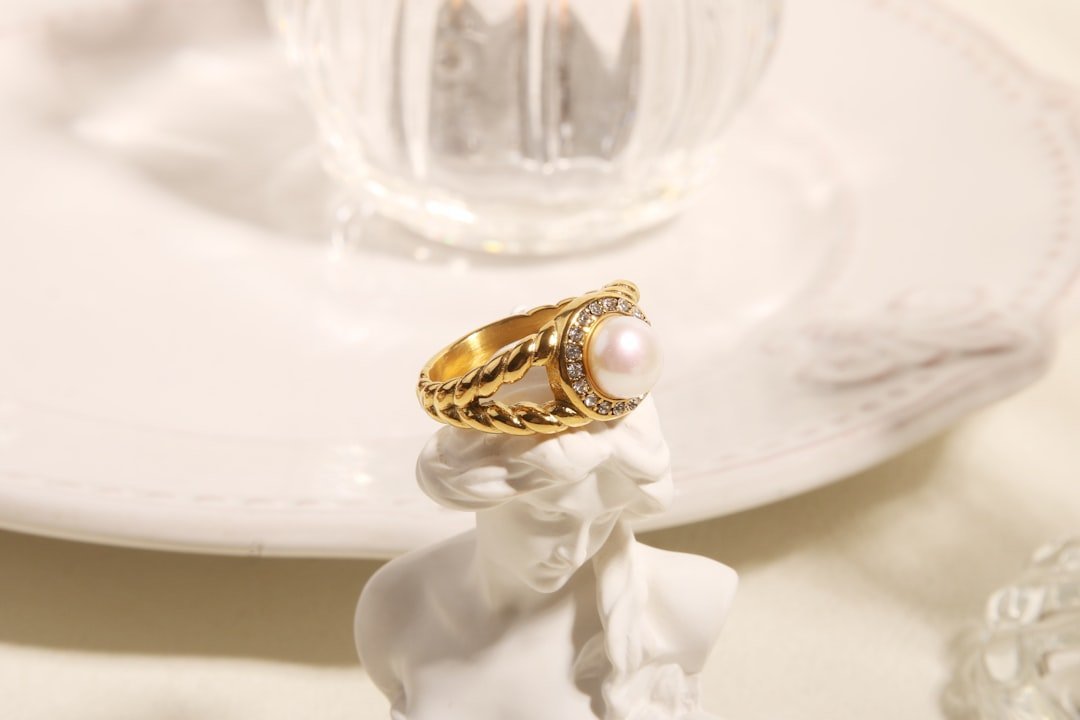
The jewelry of the wealthy rarely looks brand new. That’s a sentence that stopped me cold the first time I really thought about it. New jewelry screams aspiration. Old jewelry whispers legacy. The distinction is enormous.
The rich aesthetic embraces jewelry minimalism. Specifically, one or two high-quality pieces outperform collections of costume jewelry. Moreover, rich math applies: better to own one Cartier piece than a drawer full of cheaper alternatives. The clients I know who are quietly worth tens of millions typically wear one ring, maybe a simple bracelet, or a single necklace. Nothing more.
As wealth matures, women shift toward even quieter luxury. Hermès replaces The Row. Vintage Cartier replaces new jewelry. Furthermore, bespoke tailoring replaces ready-to-wear, however exquisite. It’s a fascinating progression to observe from the outside, because it’s almost counterintuitive. More money, less jewelry. Less jewelry, more power.
7. They Dress Down in a Very Specific, Expensive Way
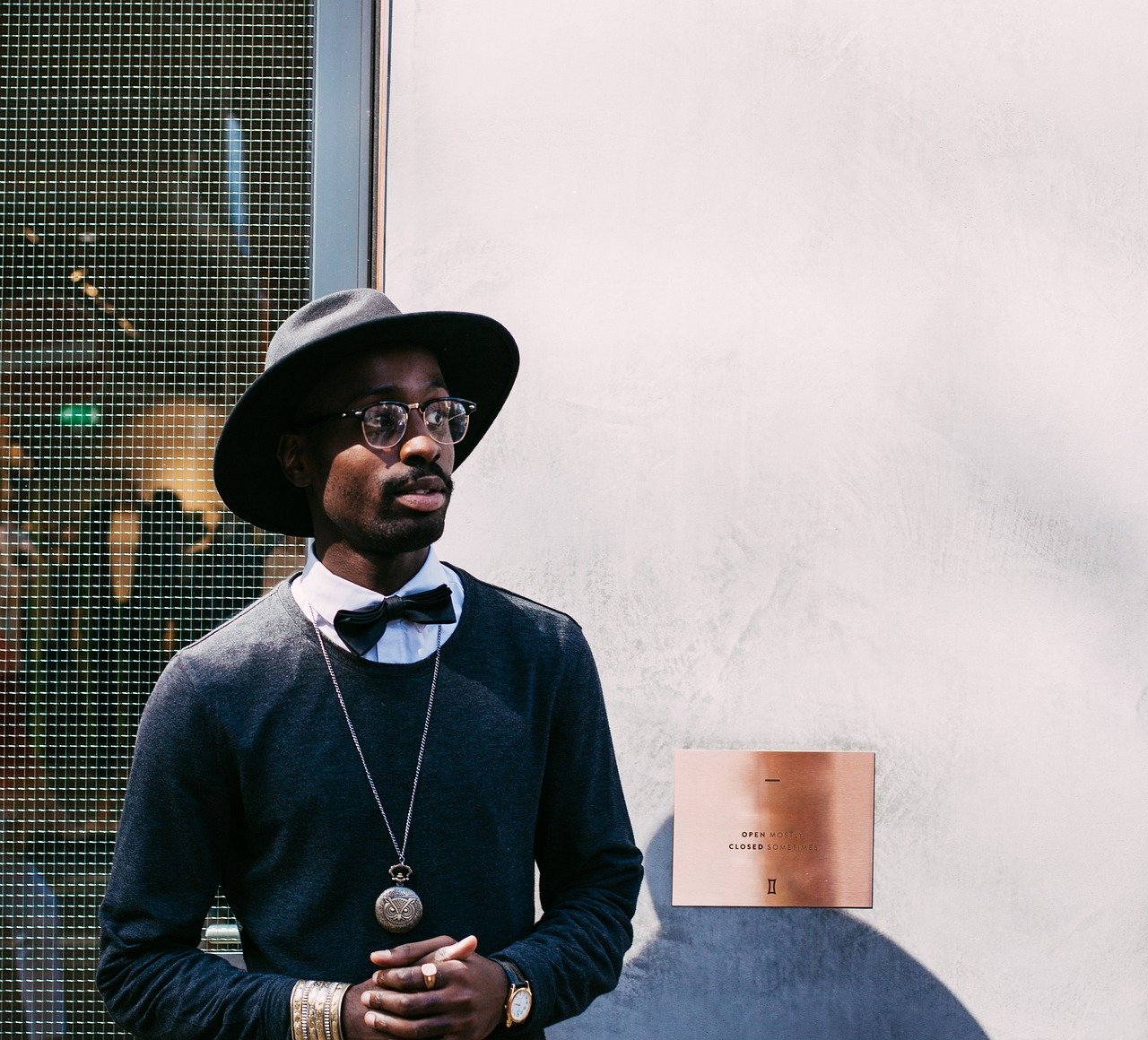
Let’s be real: “dressing down” is not the same for everyone. When a secret millionaire shows up to a Saturday lunch in what looks like casual clothes, those casual clothes are doing a lot of heavy lifting. Modern billionaires and wealthy individuals choose understated clothing over traditional business attire because it signals innovation and forward-thinking. They wear premium basics crafted from exceptional materials like Sea Island cotton and fine merino wool.
Stealth wealth enhances credibility in certain industries. Tech founders gain authenticity by appearing focused on product rather than luxury. Investors seem more serious when dressed modestly. Furthermore, it signals priorities, substance over surface, results over appearance, work over play.
In the dynamic world of 2025 fashion, the art of dressing “rich” has evolved into a sophisticated statement of subtlety and substance. Gone are the days of logo-laden excess; today’s chic elite embrace “quiet luxury,” a trend that mirrors a cultural pivot toward sustainability, intentional curation, and individuality over overt branding. I see this every week. The casual look is the most carefully constructed one of all.
8. They Show Almost No Interest in Trends
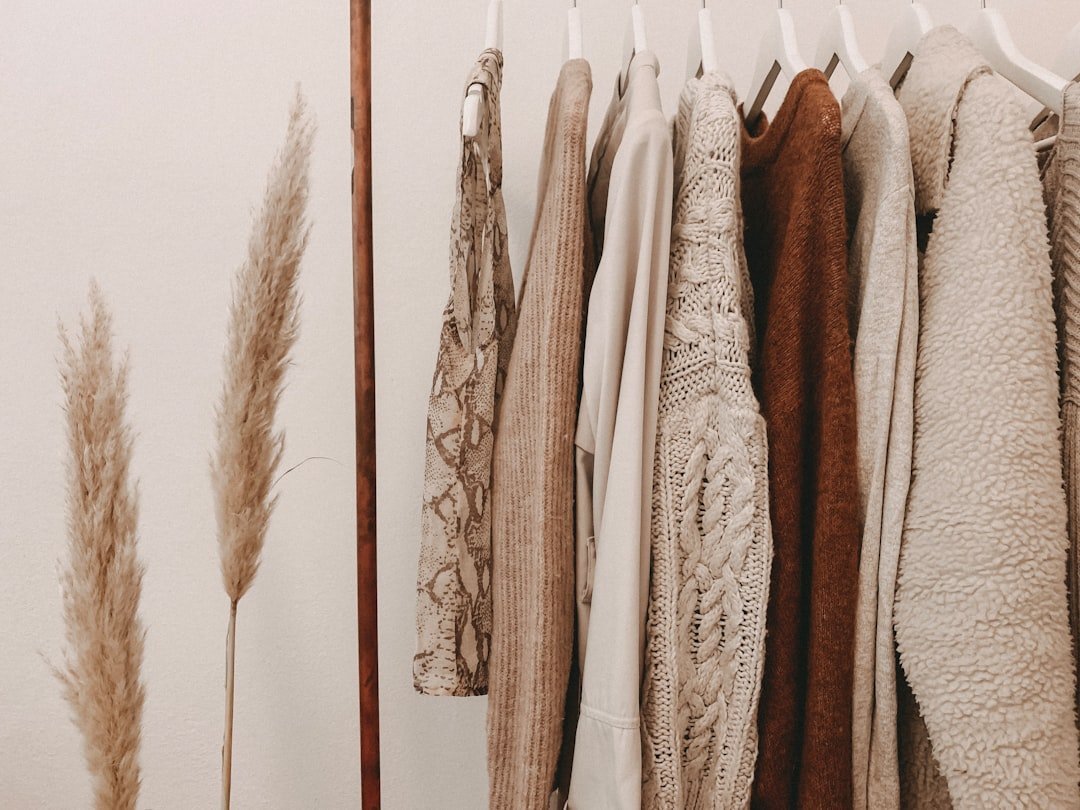
This one surprises a lot of people. You’d think that people with unlimited buying power would be the first to adopt every new trend. The opposite is true. Fans of the stealth wealth style laud it as “sustainable” for the way it favors timeless neutrals and investment pieces over what’s popular or trendy, therefore reducing the need to redo one’s closet every time the wind changes.
The “buy less, buy better” philosophy is central. Investing in high-quality, timeless pieces that will last for years rather than constantly chasing the latest trends is not only more sustainable but also more aligned with the quiet luxury aesthetic. Think of it this way: a trend is a wave. The truly wealthy are the ocean floor. They just wait for it to pass over them.
After a decade dominated by hype drops, logo mania, and influencer-driven extravagance, the pendulum has swung back toward refined understatement. Think premium fabrics instead of visible logos. Investment-grade tailoring instead of trend cycles. Luxury that whispers instead of shouts.
9. Their Wealth Signals Are Invisible to Most People
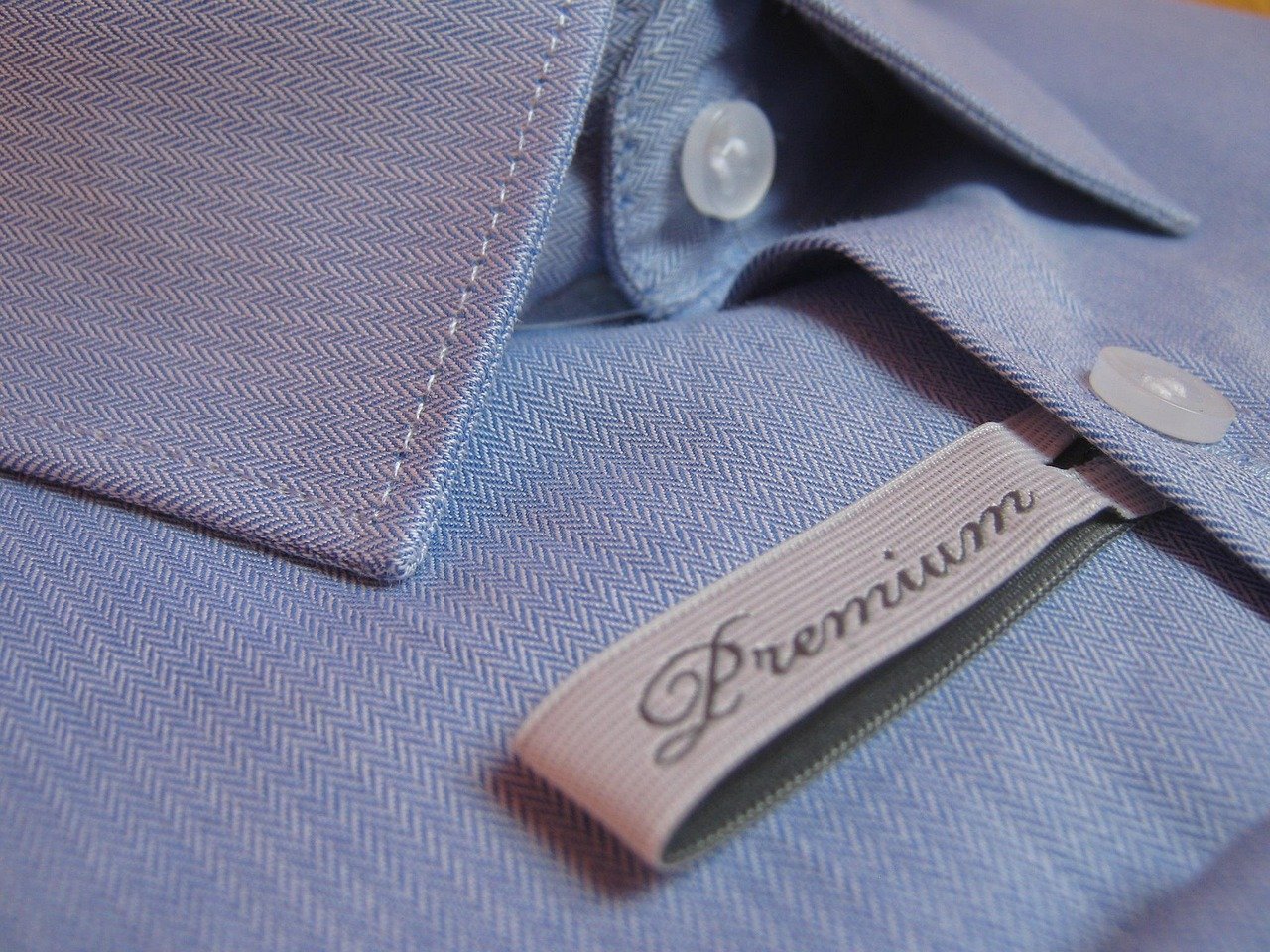
This is perhaps the most fascinating thing I’ve observed in over a decade of working with high-net-worth individuals. The signals are absolutely there. You just need to know what you’re looking at. You may have heard the aphorism “money talks, but wealth whispers” tossed around in reference to this style. While their clothing may be entirely inconspicuous to the average passerby, to those of the right caliber, it’s just as recognizable as a gem-encrusted Chanel monogram.
This approach creates exclusive recognition systems. When two Loro Piana wearers identify each other’s quality through subtle cues, that silent acknowledgment provides deeper satisfaction than mass recognition. Moreover, it separates true insiders from aspirational consumers who rely on visible branding for validation. It’s a secret handshake, expressed entirely through fabric and cut.
The rich aesthetic operates on inverse signaling. Specifically, the more expensive the piece, the less recognizable it becomes. Moreover, this creates an exclusive knowledge economy where only insiders recognize quality markers invisible to the general population.
10. They Dress With Psychological Security, Not Performance

There’s a quality in the way genuinely wealthy people carry their clothes that I can only describe as settled. They’re not performing wealth. They’re not trying to convince anyone of anything. The truly wealthy understand something fundamental – their worth exists independently of others’ perceptions. Consequently, they feel no compulsion to broadcast status through visible consumption. Additionally, this psychological security creates freedom from status anxiety that plagues aspirational consumers.
Most people, save for the most powerful and wealthy individuals, have to engage in stylistic assimilation in some capacity. Billionaires don’t have to engage in this stylistic assimilation. Their power doesn’t wax and wane depending on their clothing. That’s a truly remarkable kind of freedom when you think about it.
Research from “The Millionaire Next Door” shows that these individuals typically drive used cars, live in middle-class neighborhoods, and avoid luxury goods entirely. Moreover, they accumulated wealth through frugality and investment rather than high income. Their stealth wealth stems from genuine thrift rather than strategic discretion. The psychology isn’t manufactured. It’s real, and it shows.
11. Their Grooming Is Flawless – But Understated
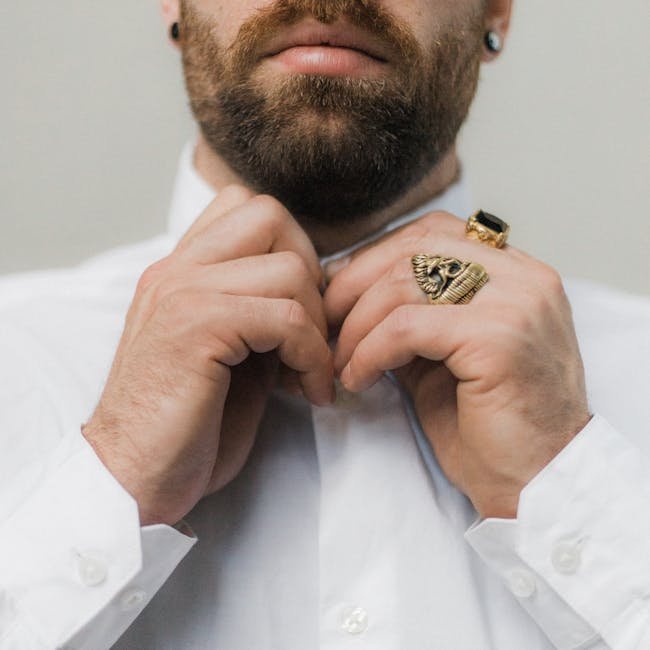
Here’s the thing nobody really talks about. The overall picture isn’t just the clothes. Among every quietly wealthy client I’ve worked with, their grooming is always impeccable, and always invisible. No extreme haircuts, no bold choices, nothing that demands a second glance. Maintaining a well-groomed appearance is central to this aesthetic. Classic, manageable hairstyles and natural makeup looks are the rule.
True luxury is often conveyed through confidence and poise. How you carry yourself is just as important as what you wear. Stand tall, maintain good posture, and wear your clothes with confidence. I’ve watched clients walk into rooms of powerful people, and the first thing those people respond to is presence. Posture. The unhurried calm of someone who has nowhere to prove they need to be.
Studies have shown that how we dress affects not only how others perceive us but also how we perceive ourselves. Dressing in a way that makes you feel wealthy and successful can have a positive impact on your confidence and performance in various aspects of life. The grooming, the posture, the clothes – they work as a system. Remove one element, and the whole signal weakens. It’s all connected, and the secret millionaires I know understand that instinctively.
The deepest truth I’ve taken from years of watching closely wealthy people navigate the world? Real wealth has almost nothing to do with looking expensive. It has everything to do with looking like you never had to think about it. What would you have guessed?