
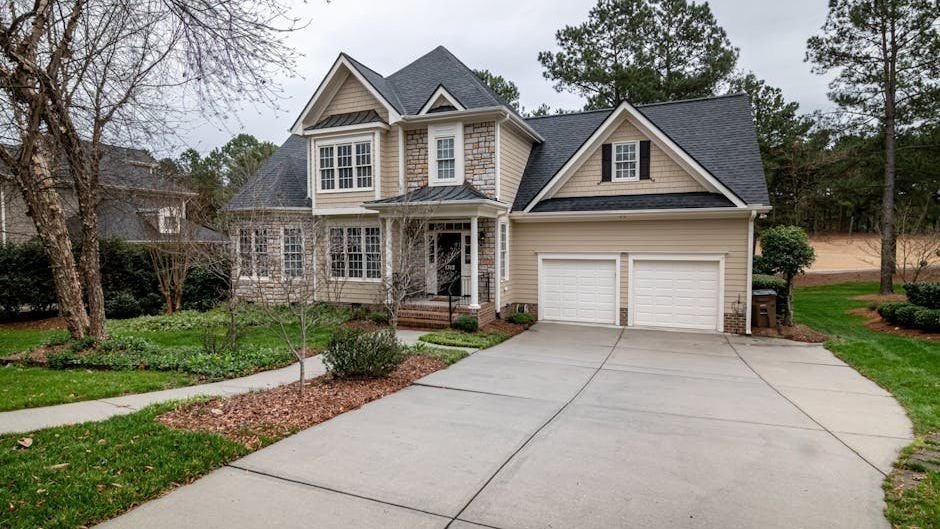
Most people think they’re just picking a house. A price point, maybe a backyard, a good commute. Honestly, after years of managing properties across a range of neighborhoods, I can tell you that’s the smallest part of the decision. The neighborhood you choose is, in many ways, a mirror – one that reflects your financial future back at you with startling clarity.
Every street you walk down, every school zone you fall inside, every walkability score attached to an address – it all adds up to something far bigger than four walls and a roof. The numbers don’t lie, and the patterns I’ve seen repeat themselves over and over again. So let’s dive in.
1. Your Walk Score Is a Hidden Price Tag You’re Either Paying or Collecting

Here’s the thing about walkability: most buyers treat it as a lifestyle perk, like a nice bonus for people who enjoy morning strolls. In reality, it’s a financial lever hiding in plain sight. A study by Redfin shows that one point of walkability on Walk Score can equate to a $3,250 increase in a home’s value. That’s not trivial – that’s real equity building with every extra café, pharmacy, and school within walking distance.
If you compare a very walkable neighborhood to a somewhat walkable one, the difference in home values can be as much as $65,000, with an even higher disparity at the “walker’s paradise” level. Think about that like a savings account. Every point of walkability you buy into is essentially a deposit you’ll draw on when you sell.
Homes located in more walkable neighborhoods, those with a mix of common daily shopping and social destinations within a short distance, command a price premium over otherwise similar homes in less walkable areas. Choosing a low walkability neighborhood might feel like saving money now. It often costs you significantly more later.
2. The School District You Live In Is an Investment Strategy, Not Just a School Decision

I know it sounds a bit extreme, but the school district boundary line running down a street can separate two properties by tens of thousands of dollars. In markets across the country, homes near highly rated schools command premiums of ten percent to fifty percent or more, even for buyers who don’t have children. That premium is not about tuition. It’s about demand, stability, and long-term appreciation potential.
A study reported by The New York Times revealed that a five percent improvement in school test scores can lead to a 2.5 percent increase in home values. Similarly, the National Bureau of Economic Research found that every additional dollar spent on public schools results in a $20 increase in home values. Those are not small numbers compounded over a decade of ownership.
Properties in top school districts are generally more stable and retain value better during economic downturns. So if you are buying in a neighborhood with a struggling or improving school system, watch the trajectory, not just the current rating. A district climbing the rankings is a neighborhood you want to be inside before everyone else figures it out.
3. Crime Rates Don’t Just Affect Your Safety – They Affect Your Net Worth

Every time I show a property in a neighborhood with rising crime statistics, I watch buyers mentally discount the asking price on the spot. That instinct is backed by real data. Several factors can decrease property value, including negative external factors such as high crime rates and foreclosures. The market prices in risk the same way an insurance company does – colder, harder, and faster than most buyers expect.
Neighborhood income levels are frequently associated with crime rates and school quality, two factors which deeply influence housing values. These things cluster together like dominoes. A neighborhood with a high crime rate often carries lower median incomes, weaker schools, and slower appreciation – it’s a package deal that can quietly erode your equity over years.
Honestly, the good news is that the inverse is equally true. Neighborhoods experiencing measurable drops in crime rates tend to see property values accelerate. If you can get in before the turnaround becomes common knowledge, your timing becomes your greatest financial advantage.
4. Proximity to Public Transportation Shapes Your Equity Over Time
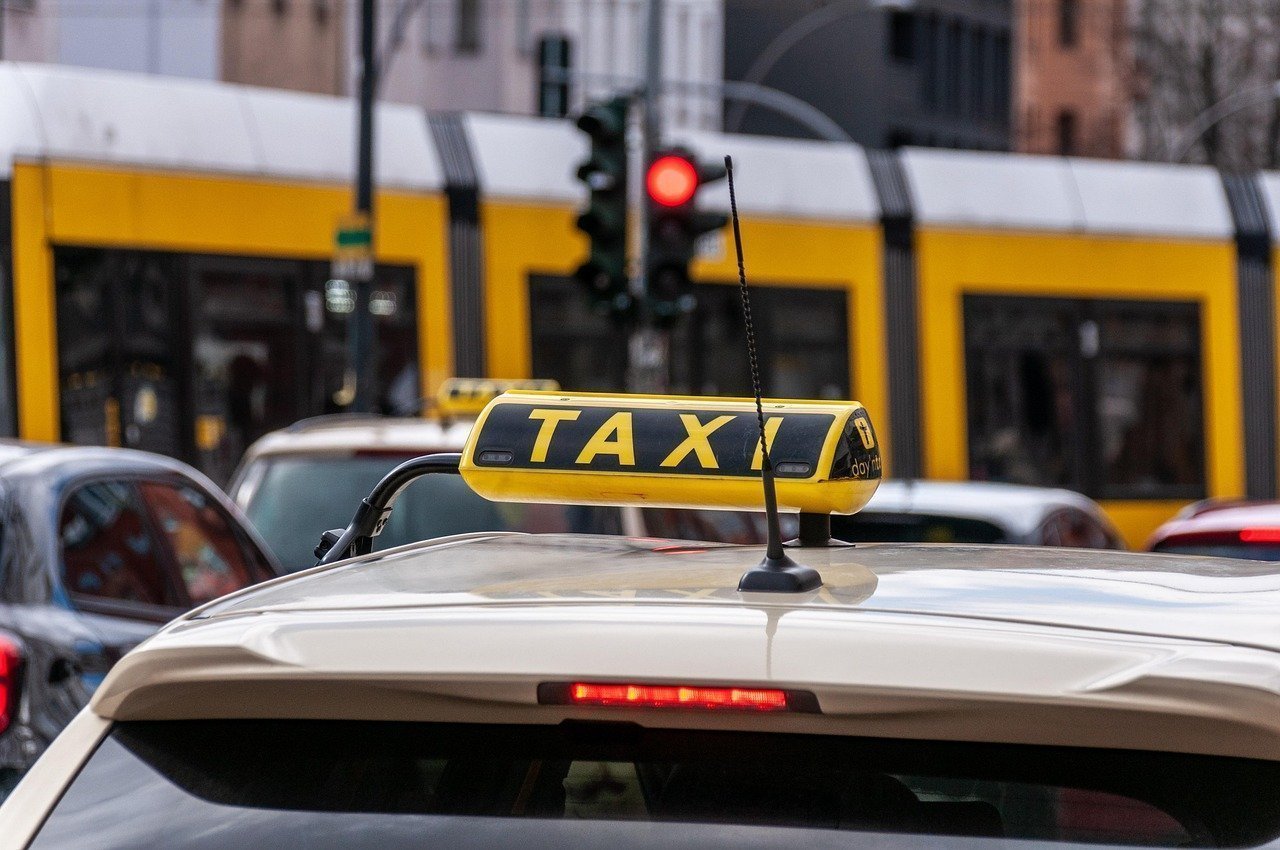
Whether a property is nearer to public transportation, a school, or a park makes a measurable difference – the value of the property increases. This is something I have witnessed firsthand across multiple markets. A new transit line announcement alone can shift neighborhood values before a single train has run a route.
Because most local governments depend heavily on property taxes to finance local services, improved walkability and transit access may mean higher property values and higher tax revenues than for less walkable development. That creates a reinforcing loop. Better transit attracts investment, investment raises values, and rising values fund better public services. You want to be inside that loop, not watching it from outside.
Think of public transit access the same way you’d think of a new highway exit appearing near farmland in 1985. The people who bought land before the announcement made generational money. The people who waited paid market price for the transformation. Same principle, different scale.
5. Local Economy and Job Market Growth Predict Where Values Go Next
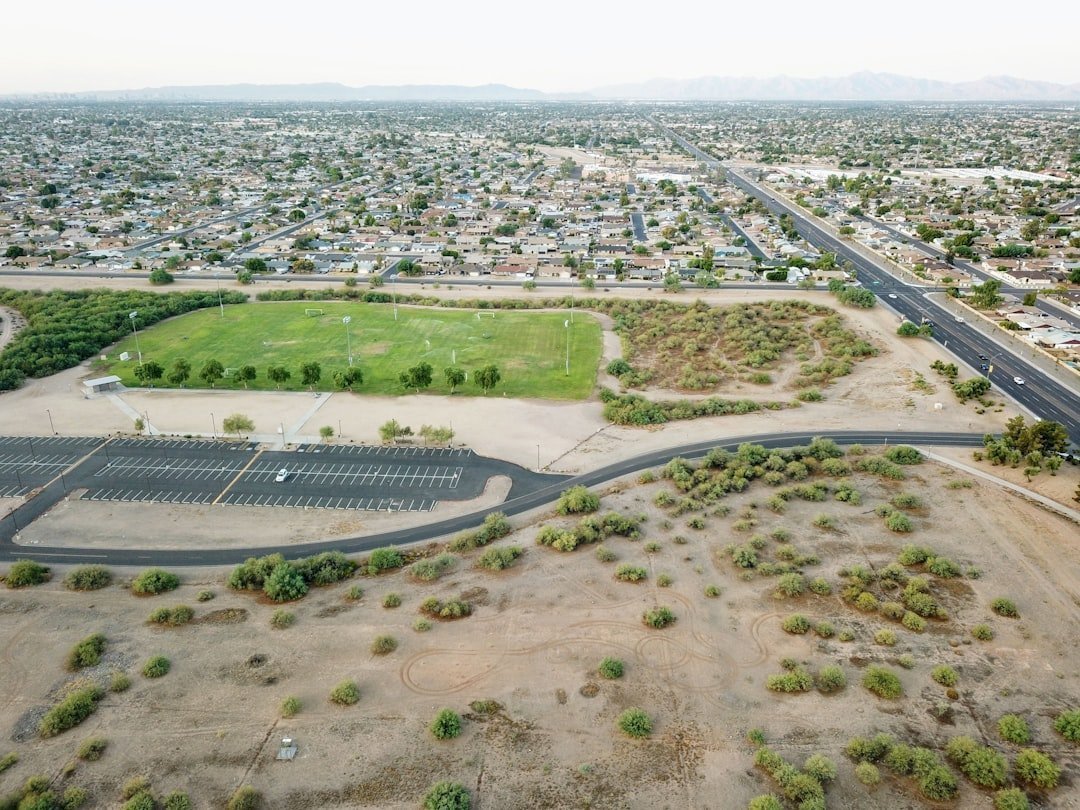
A strong local economy typically results in higher property values, as it indicates job growth and financial stability. This sounds obvious until you actually watch it play out. Cities that attract major employers see entire neighborhoods transformed within five years. Pittsburgh, for example, rebuilt its economic identity around technology and healthcare after steel collapsed.
Selected neighborhoods are not only great places to live but also offer significant growth potential in property values. Investing in these areas could yield substantial returns as they continue to develop and attract more residents. The trick is identifying where job growth is heading, not where it already arrived. By the time a neighborhood is on every “top places to buy” list, the easy equity has already been collected.
Keep an eye on employer announcements, university expansions, and infrastructure investment in a region. To better understand how property values might change, it is important to watch economic indicators such as unemployment rates, GDP growth, and inflation. These signals telegraph the future of a neighborhood’s financial health well before the market prices it in.
6. The Neighborhood’s Age and Infrastructure Cycle Signals What’s Coming
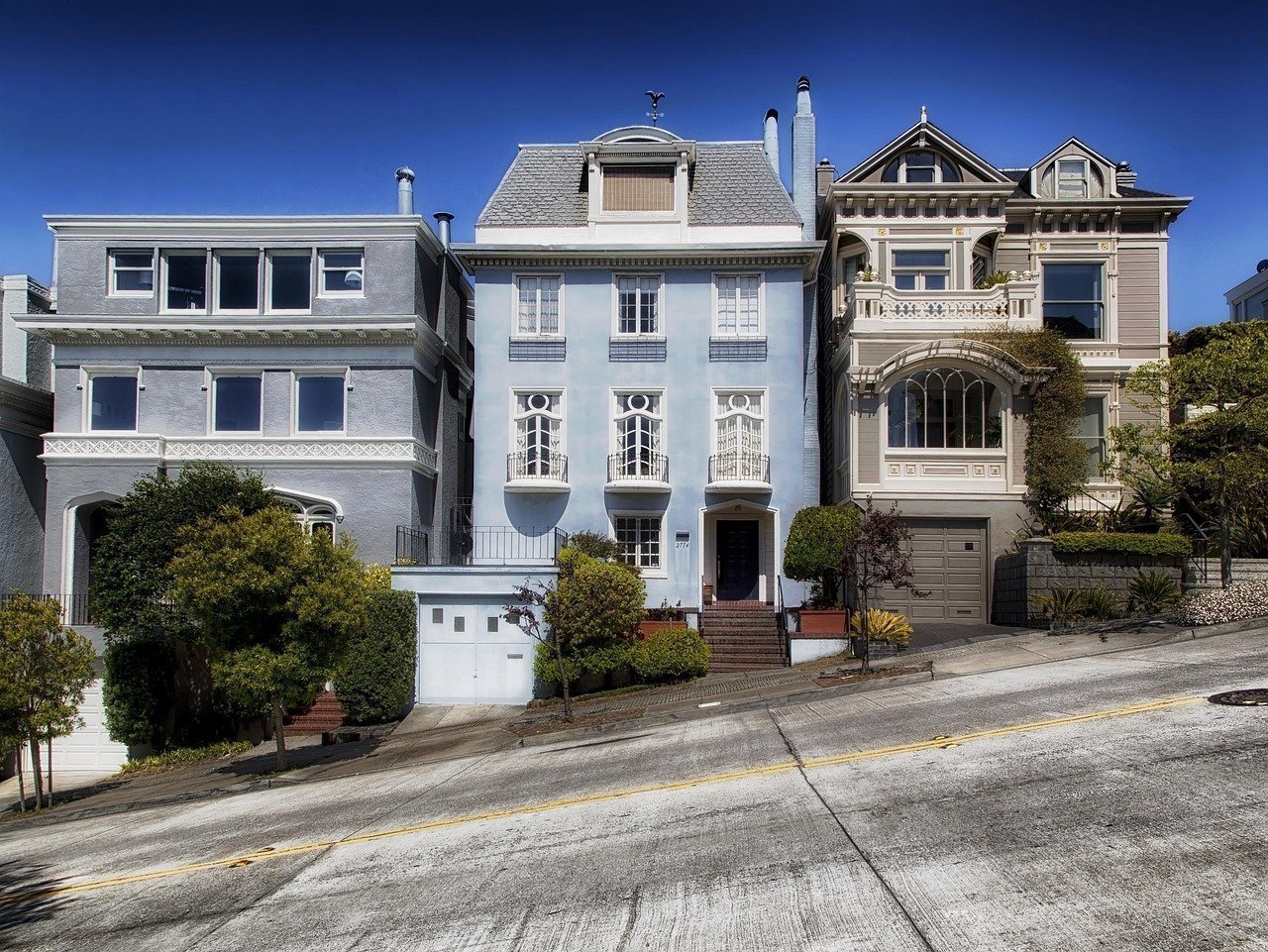
Let’s be real: not all old neighborhoods are the same. Some are timeless, some are tired. The difference between the two is infrastructure. An aging neighborhood with new investment pouring into its streets, parks, and utilities is fundamentally different from one being quietly neglected by local government.
In larger cities, older homes in neighborhoods near downtown business districts have experienced significant increases in sale price and volume over the past five years, leading to a trend of rising property values and a price premium for walkable urban neighborhoods. This analysis suggests growing homebuyer demand for walkability as well as affordable housing options close to employment centers. Pre-war homes in dense, grid-style neighborhoods are increasingly desirable for exactly this reason.
The results have implications for land use policies, residential development, and downtown redevelopment strategies, addressing workforce housing gaps and untapped opportunities to upgrade and expand housing options closer to the city centers. In short: neighborhoods that anchor urban cores are quietly staging comebacks across dozens of American cities. That’s a signal, not a coincidence.
7. Green Space and Parks Are Not Luxuries – They Are Equity Multipliers
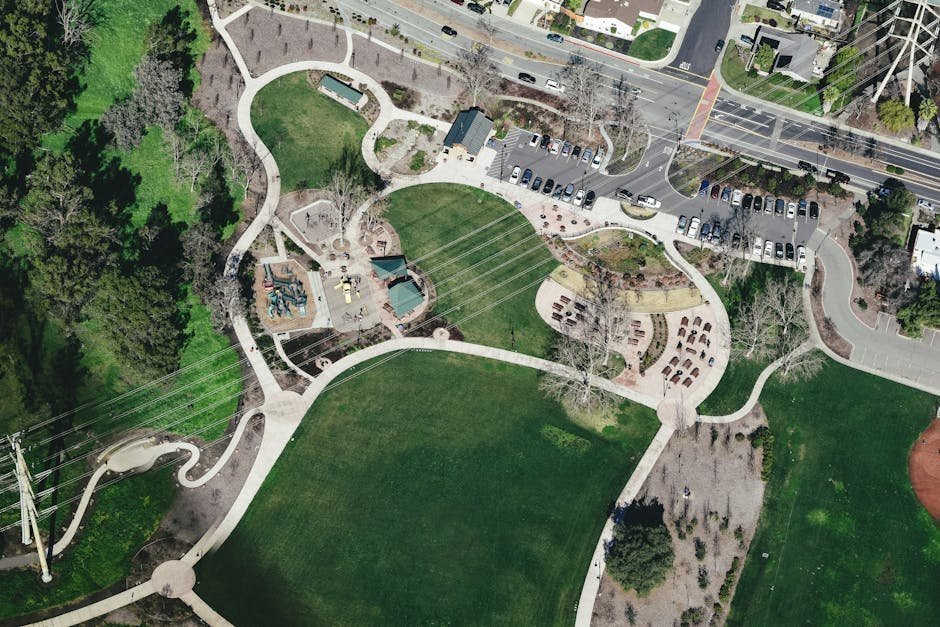
A park across the street feels like a lifestyle amenity, and sure, it is. It’s also a price driver that most buyers underestimate. Research repeatedly shows that proximity to parks, green corridors, and recreational spaces boosts nearby property values. A property that is nearer to a park has a measurably higher value than otherwise comparable properties without that access.
Housing prices show a positive relationship with greenness, meaning that neighborhoods with more natural green coverage tend to command higher prices. It’s not just about aesthetics. Green spaces signal investment, they attract residents who maintain properties well, and they tend to exist in neighborhoods where local government is actively engaged and funded. All of those things compound.
I’ve seen a trail extension add a noticeable premium to homes within half a mile of the new path within a single season. Comparable sales used for property trending can include homes that are appreciating faster because they are closer to a new park or trail. If you hear about new park development in a neighborhood, that’s a financial event dressed up as a civic improvement.
8. The Median Income of Your Neighbors Tells You Where Your Value Is Headed
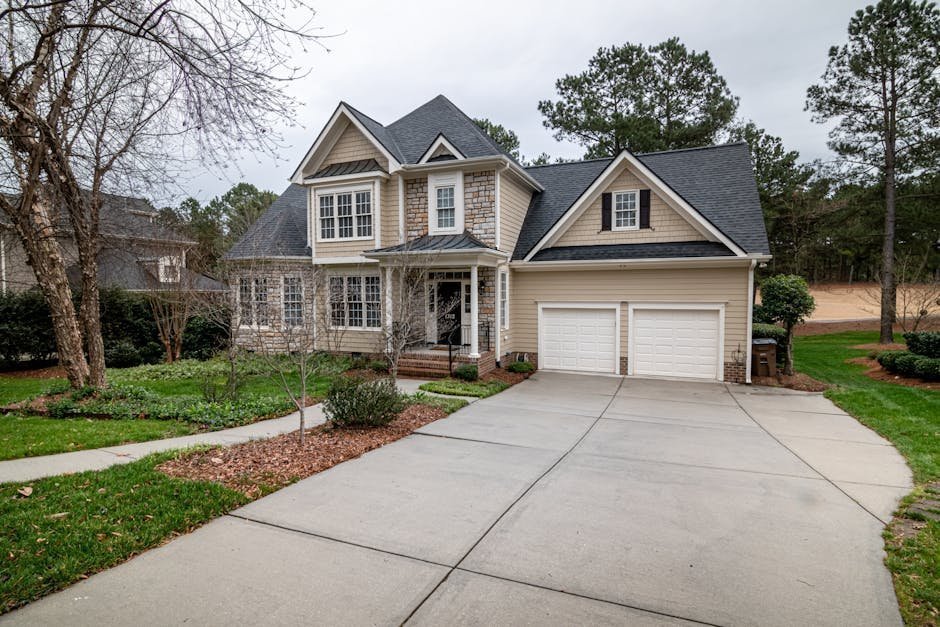
I know it can feel uncomfortable to talk about, but neighborhood income levels are one of the most predictable indicators of future home values. It’s not about judgment – it’s about economic gravity. Income levels are a proxy for neighborhood quality and are likely to overlap with neighborhood schools and environmental amenities. The coefficient for median household income was positive and significantly correlated with housing values in each of the metropolitan areas examined.
Socioeconomic factors such as education level and the average income of the neighborhood are utilized to observe the safety and status of a location. A neighborhood where median incomes are rising is a neighborhood where buyers are increasingly competing for limited inventory. That competition pushes prices up. It’s supply and demand wearing a zip code.
The smartest buyers I’ve worked with look for the tipping point – the neighborhood where income levels are just beginning to climb, where the first wave of renovation is underway, and where the coffee shop just opened on the corner. That’s the moment before the premium gets priced in. It’s hard to say for sure when exactly that moment arrives, but watching income trends in an area is one of the clearest early signals.
9. Mixed-Use Development and Commercial Growth Signal a Neighborhood on the Rise
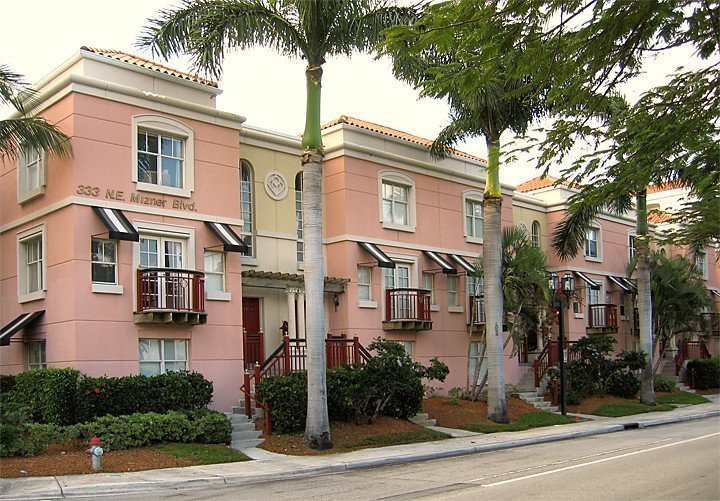
When a neighborhood starts attracting mixed-use development – where ground floors become retail and upper floors become apartments – it almost always precedes a broader appreciation wave. An increasing percentage of new developments are now planned as mixed-use communities, where residents and employees of local companies can reach amenities like restaurants, stores, and entertainment options all within a short walk of their homes or offices.
Part of what walkability scores capture is the value consumers attach to mixed-use development – living in an area with a range of different uses in close proximity. When developers start betting on a neighborhood, they’re doing so with far more market research than the average homebuyer. Following that capital is not a bad strategy at all.
Think of it this way: a new restaurant cluster on a previously quiet street is not just a dinner option. It is a signal from investors who crunched demographic and income data and decided this neighborhood is worth betting on. A higher Walk Score means higher home values, thriving communities, and better quality of life. Walkable neighborhoods attract buyers, boost foot traffic for local businesses, and create vibrant, people-centric spaces. Commercial energy and residential value are deeply intertwined.
10. Property Tax Rates and Local Budget Health Predict Long-Term Neighborhood Stability

This is the one most buyers completely ignore, and it might be the most important of all. A neighborhood can look attractive on the surface while sitting inside a municipality that is slowly running out of money. Under-funded local governments defer maintenance, cut services, and eventually raise taxes – all of which erode the value of homes within their boundaries.
Homes in top-performing school districts usually carry higher property taxes, contributing to increased school funding and property values. That might sound counterintuitive, but higher property taxes attached to funded services are a feature, not a bug. They reflect a municipality that is investing in itself. The danger is the neighborhood with low taxes because there is simply nothing worth funding.
The value of a single-family home depends not only on its physical features but also on its location and neighborhood context. A well-managed local government with a healthy budget, maintained infrastructure, and funded schools creates an environment where property values grow steadily and reliably. It is the invisible foundation beneath everything else on this list. You can renovate a kitchen, but you cannot renovate a city budget from inside your living room.
The Bottom Line: Your Neighborhood Choice Is a Financial Decision First
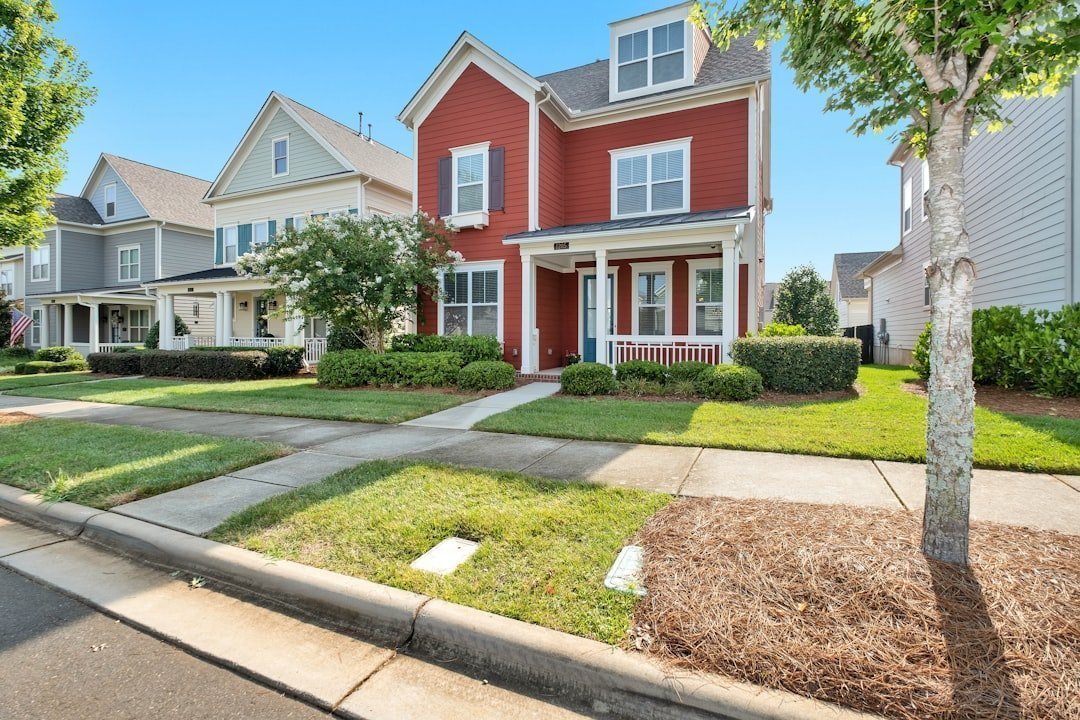
Every single one of these ten factors compounds over time. A walkable neighborhood, a strong school district, rising local incomes, mixed-use development, healthy local government finances – none of these make the headlines the way a flashy renovation does. Yet together, they determine whether your home is worth thirty percent more or thirty percent less in a decade.
The buyers I’ve seen build real wealth through real estate were rarely the ones who found the cheapest house or the most glamorous renovation project. They were the ones who chose the right neighborhood at the right moment – and understood exactly what they were choosing and why. Finding the right neighborhood is all about knowing what matters most to you. Whether you’re searching for an area with growth potential or a family-friendly community with top-rated schools, the right neighborhood offers opportunities for every type of buyer.
The neighborhood you choose is not just your address. It is your financial trajectory. So the next time you stand in a driveway deciding whether a house “feels right,” ask yourself one harder question: does the neighborhood look like where I want to be financially in fifteen years? That answer matters far more than the granite countertops inside. What neighborhood factor surprised you most? Drop your thoughts in the comments.