

Most homeowners think they know what their home is worth. They’ve watched the neighborhood, followed the market, maybe even checked a few online estimators. Then the appraiser walks through the door, and suddenly the number on that report looks nothing like the number in their head. It happens more often than you’d think.
CoreLogic data shows that roughly one in twelve home appraisals came in below the contract sales price as of mid-2024. That gap between expectation and reality can kill a deal, collapse a refinance, or cost you tens of thousands of dollars. The scary part? Many of the red flags that trigger a low appraisal are things homeowners walk past every single day without a second thought. So let’s dive in.
1. Foundation Problems: The Silent Value Killer
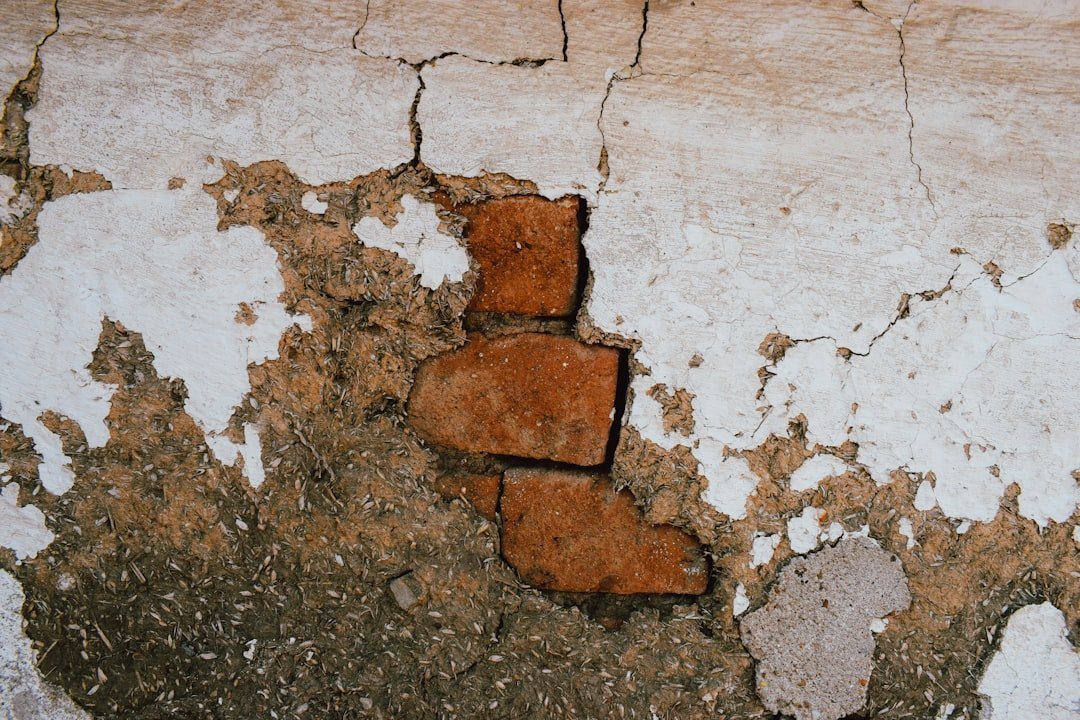
There’s almost nothing that makes an appraiser’s stomach drop faster than signs of foundation trouble. Cracks in walls, sloping floors, or sticking doors are telltale signs of foundation issues that can turn buyers away – and even if the damage is minor, it creates the impression that the home hasn’t been properly maintained.
On average, a home with foundation problems can lose between ten and fifteen percent of its market value. For a $300,000 property, that’s $30,000 to $45,000 gone instantly. Think about that for a second. That’s a number that can unravel an entire transaction before the ink is dry.
Because the entire house is affected by the condition of the foundation, any weaknesses or damage there is seen as putting the entire house at risk. In some cases, homes with significant damage may even be deemed “uninsurable” until repairs are completed. The good news is that documented, professionally repaired foundations can actually recover much of that lost value, especially when warranties are transferable to the buyer.
2. A Damaged or Aging Roof That Screams “Expensive”
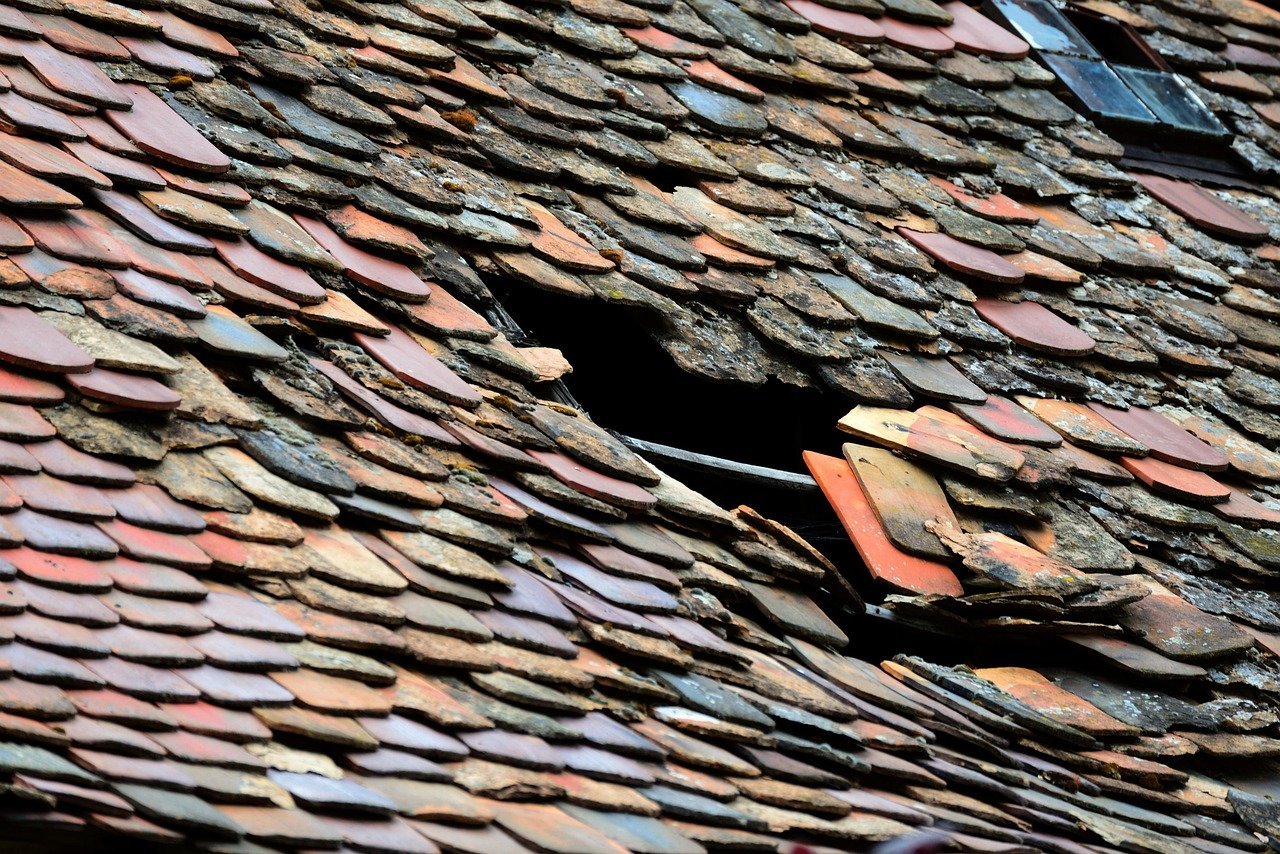
Here’s the thing about roofs – every appraiser knows that a bad one is just the beginning of a very long list of problems. A well-maintained roof is a key factor in any home appraisal, and if your roof is damaged and causing leaks, it can significantly decrease the value of your home. Leaking roofs are a red flag for potential buyers and appraisers as they indicate serious structural issues that could lead to expensive repairs down the line.
Moreover, leaks can lead to further problems like mold growth and insulation damage, which are not only health hazards but also contribute to energy inefficiency. An appraiser who spots water stains on ceilings or missing shingles during a walk-through will immediately start making mental deductions. It’s almost reflexive at this point.
Major appraisal issues often require repairs before closing, and roof leaks or major roof damage sit right at the top of that list. A compromised roof looks bad and raises questions about the structure and long-term maintenance costs, and appraisers consider the roof as a big part of the property’s overall value. Honestly, if you’re approaching a sale or refinance, get your roof inspected first. It’s that important.
3. Visible Water Damage and Mold
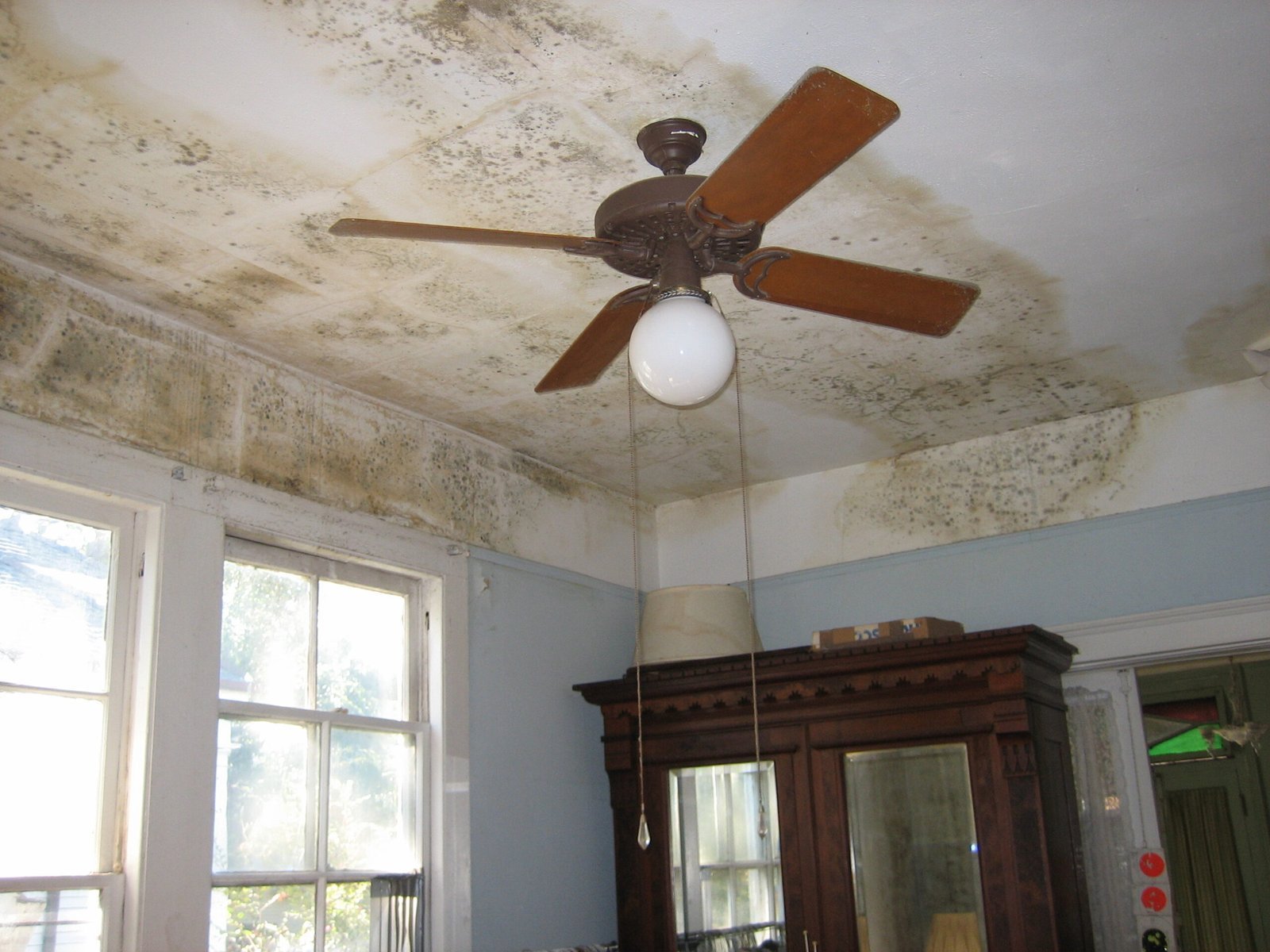
Water damage is one of those issues that tends to snowball in an appraiser’s mind. Water damage is a common issue that can significantly hurt your home appraisal. Whether it’s due to a leaky roof, burst pipes, or flooded basements, water damage can negatively affect the structural integrity of your home, leading to a lower appraisal. Even minor issues, like a slight discoloration on the ceiling or a damp smell, can ring alarm bells for an appraiser and potential home buyers.
Water damage suggests potential mold growth and rot, which can cause serious health issues and necessitate costly repairs. Damage to the home’s foundations can also result from prolonged exposure to water. Think of it like a small leak in a boat – ignoring it doesn’t make it smaller.
Water damage often indicates underlying problems, such as leaks in the roof, plumbing issues, or poor drainage around the property. These problems can be expensive to repair and may deter buyers. The future maintenance costs and potential health risks associated with mold are especially concerning. Address these proactively. Every dollar you spend fixing water intrusion before the appraisal is money working in your favor.
4. Pest Infestations: Small Bugs, Big Damage to Your Value
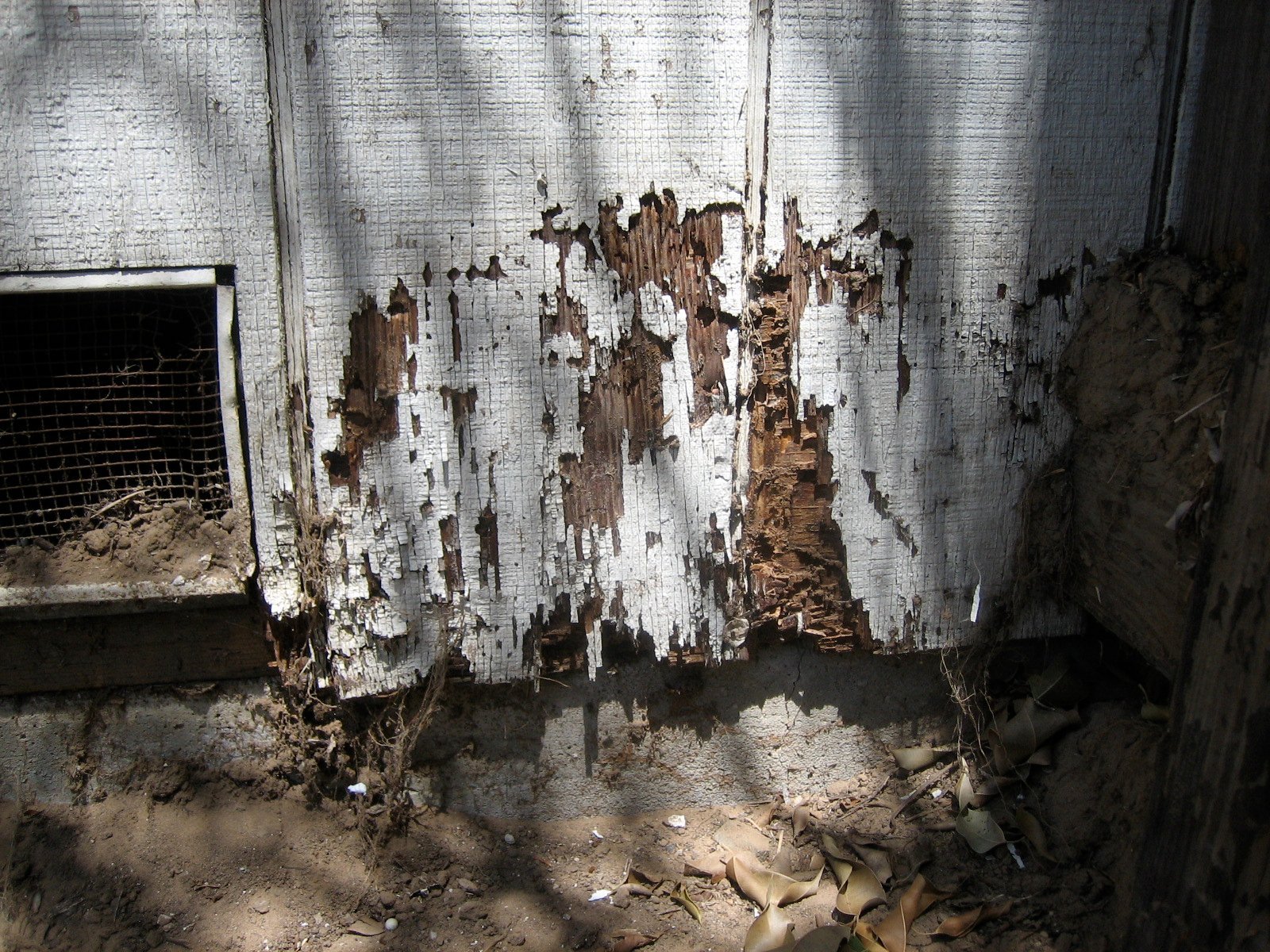
I know it sounds unpleasant to talk about, but pest issues are shockingly common and shockingly destructive to an appraisal. Pest infestations by termites, rodents, or insects can significantly damage a property, compromising its structural integrity and overall livability. Signs of an infestation, like droppings, gnawed wires, damaged wood, or visible pests, can drastically lower your home’s appraisal value.
Appraisers look for signs of pest activity, and wood damage, mud tubes, and droppings can stop an appraisal in its tracks. For FHA loans, active infestation or visible damage typically requires treatment and repair before loan approval. That means if you’re dealing with an FHA buyer, pest issues don’t just lower the value – they can delay or fully block closing.
Structural damage can be caused by a number of factors, including flooding, mold growth, and termites or other insects, which can cause severe damage to wooden portions of a building’s foundation. A pest inspection before your appraisal appointment isn’t just smart – it’s essentially mandatory if you want to walk into that meeting with confidence.
5. Deferred Maintenance and General Neglect
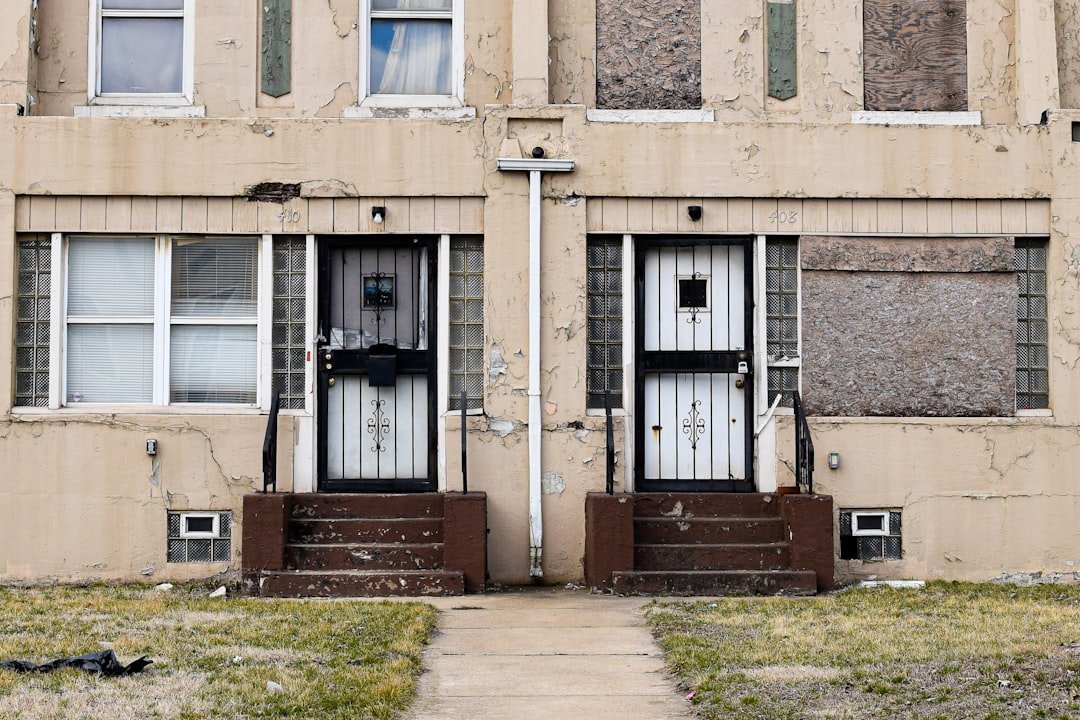
Let’s be real – an appraiser can tell within thirty seconds of walking through the front door how well a home has been cared for. You’ll raise red flags with the appraiser if your home looks poorly maintained with wall dings and scratches, peeling paint, or beat-up floors. These things signal something deeper: a home where other, less visible systems may have been equally neglected.
Appraisers assess the overall condition of a home, not just its size or location. Signs of wear, including roof damage, foundation cracks, water stains, or outdated electrical systems, can raise red flags about deferred maintenance. Even cosmetic flaws, such as chipped paint or broken tiles, may suggest more serious structural or systemic neglect.
If issues are visible during a short walkthrough, the appraiser may assume that hidden problems exist as well. Homes with unresolved repairs are harder to insure and often cost more to maintain, which reduces their market value in the eyes of both appraisers and lenders. Buyers and appraisers consider how much it will cost to bring a home up to market standards. That calculation almost never works in the seller’s favor.
6. Unpermitted Additions and Illegal Improvements
This one surprises a lot of homeowners. You added a bedroom, finished the basement, or converted the garage – and you thought it added value. It might have. But if it was done without a permit, you may have actually created a liability instead of an asset.
Work that is done without necessary paperwork is viewed negatively because it might not meet safety standards or building codes, and unpermitted work can lead to a lower appraisal value compared to similar properties in the area with permitted work. An appraisal becomes more complex when there is an unpermitted addition. Some lenders won’t issue a loan for a house with unpermitted work, while others may request that the additional square footage not be included when determining the home’s value. This can result in an appraisal that is lower than your asking price.
If a space isn’t built to code or isn’t permitted, it may not be counted as living area. Building authorities may require homeowners to legalize unpermitted work, which might include costly repairs and modifications or even complete demolition. This potential risk can significantly bring down the value of the property. In short, what you thought was an upgrade could become your biggest headache at closing.
7. Flood Zone Location and Climate Risk
This red flag is growing more significant year after year, and it’s one that many homeowners don’t fully understand until an appraiser sits them down and explains the numbers. Appraisers will investigate a home’s flood risk as part of their assessment, and they will record whether the home is in a FEMA Special Flood Hazard Area and the FEMA Map number for the property.
Being located in a FEMA Special Flood Hazard Area is a factor that can hurt a home appraisal. If so, any buyer using a federally backed or federally regulated mortgage must obtain flood insurance before buying, and this can significantly affect their budget, leaving fewer funds available to purchase the property. Generally, properties located in high-risk flood zones tend to have lower property values compared to those in low-risk areas.
Florida, for example, experienced an average $20,444 drop in home value from 2024 to 2025, and climate risks and insurance costs are increasingly influencing regional valuations. Homes in flood zones are already subject to various risks, including higher insurance costs and the potential for flood damage. The market is waking up to climate risk in a very real way, and appraisers are factoring it in with far more weight than they did even five years ago.
8. Outdated Systems and Functional Obsolescence

Functional obsolescence is appraiser-speak for “this home no longer matches what buyers want.” It’s a concept that catches sellers completely off guard. Depending on when your home was constructed, your floor plan may be more compartmentalized compared to the open layouts popular in today’s modern builds. The appraisal report gives the appraiser an opportunity to note if a property’s floor plan is “atypical or functionally obsolete, thus limiting the market appeal for the property in comparison to competitive properties in the neighborhood.”
Old or outdated elements of a home are not favorable to appraisals. Think aging electrical panels, original single-pane windows, knob-and-tube wiring, or HVAC systems from three decades ago. How a home was built and the materials used affect its appraised value. Luxury tile roofs are more resistant to fire and hail, making them more attractive, while homes built with cheaper materials have their own drawbacks. Appraisers also consider a home’s siding, HVAC system, countertop materials, and flooring.
Deferred maintenance and visible issues can make a home look less valuable to an appraiser. Major problems like a leaky roof, foundation cracks, or outdated electrical systems signal costly repairs, which can lower the appraised value. Updating just the HVAC or electrical panel before an appraisal can make a meaningful difference in the final number.
9. Poor Curb Appeal and Neglected Exteriors
It’s tempting to believe that the interior is what really matters to an appraiser. In my experience, that assumption is wrong. First impressions matter even in an objective, data-driven process. First impressions are incredibly important, even for an objective home appraisal. If the first thing your home appraiser notices is a worn-out home with an overgrown yard, they might devalue your property.
Exterior damage to a house can significantly undermine your home’s appraisal value. The outward appearance and structural integrity of a home serve as the initial point of assessment for appraisers. Issues such as crumbling brickwork, damaged siding, roof problems, or a deteriorating driveway can create an unfavorable first impression, indicating neglect and potential underlying issues.
HomeLight’s Top Agent Insights for End of Year 2024 found that real estate agents cite outdoor improvements as the second most popular upgrade that makes the home more appealing, next to modernized bathrooms or kitchens. If your neighbors have outdoor amenities but your home lacks them, it could lower your appraised value. In a competitive market, a scruffy exterior doesn’t just hurt aesthetics – it costs real dollars.
10. The Broader Market Context You Can’t Ignore
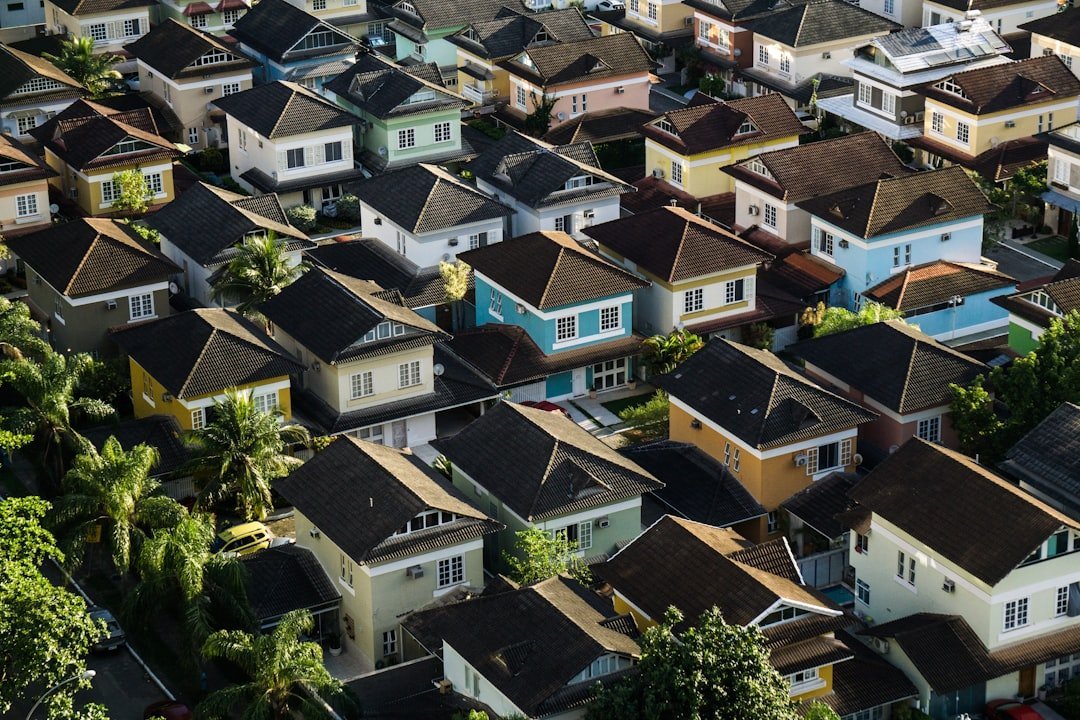
Finally, here’s a red flag that has nothing to do with your actual house – and yet it shapes every number an appraiser writes down. Market conditions are baked into every appraisal, whether you like it or not. While the real estate market remains strong in 2025, economic uncertainties have contributed to a rebalancing of the market, giving buyers relatively more leverage than they had when conditions strongly favored sellers.
According to the National Association of Realtors, the median existing home price reached $415,200 in September 2025, representing a modest year-over-year increase. With mortgage rates hovering near six percent, every dollar of appraised value matters more than ever. The stakes are real. According to a 2024 Zillow survey, roughly half of buyers said their final offer was contingent on the home appraising at a minimum amount, and nearly a quarter of sellers reported that at least one of their offers fell through because the appraisal came in below the purchase price.
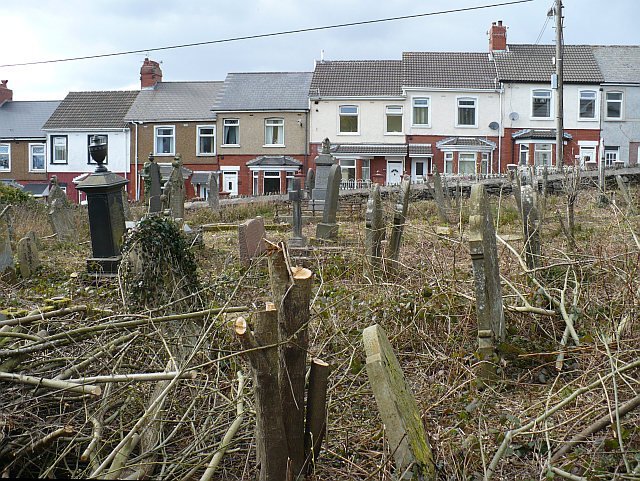
Neighborhood stability also affects value significantly. If multiple homes on your street are in foreclosure or showing visible neglect, your home’s value suffers by association. It’s not entirely fair, but it’s the reality of how comparable sales drive appraisal math. You can’t control what your neighbors do, but you can make sure your home stands out from the crowd in every way that counts.
What This All Means for You

The real estate appraisal industry is no small operation. The appraisal industry itself represents an $11.9 billion market in the United States, and this massive infrastructure exists for one reason: determining accurate property values protects everyone involved in real estate transactions. Appraisers aren’t trying to undervalue your home. They’re following data, comparable sales, and condition standards that have been refined over decades.
The red flags covered here – from foundation cracks to flood zones to unpermitted rooms – are not random. They reflect genuine risks that buyers, lenders, and the broader housing market price into every transaction. Appraisals don’t technically fail, but certain issues can lower your home’s value, delay financing, or require repairs before a loan can close. Knowing what those issues are before the appraiser walks through your door is your best possible defense.
Walk your home today as if you were seeing it for the very first time. Look at the roof, the foundation, the walls, the permits. Would you be comfortable with an expert writing down every flaw they see? If the answer makes you a little uneasy – that feeling is worth acting on. What would you fix first?