
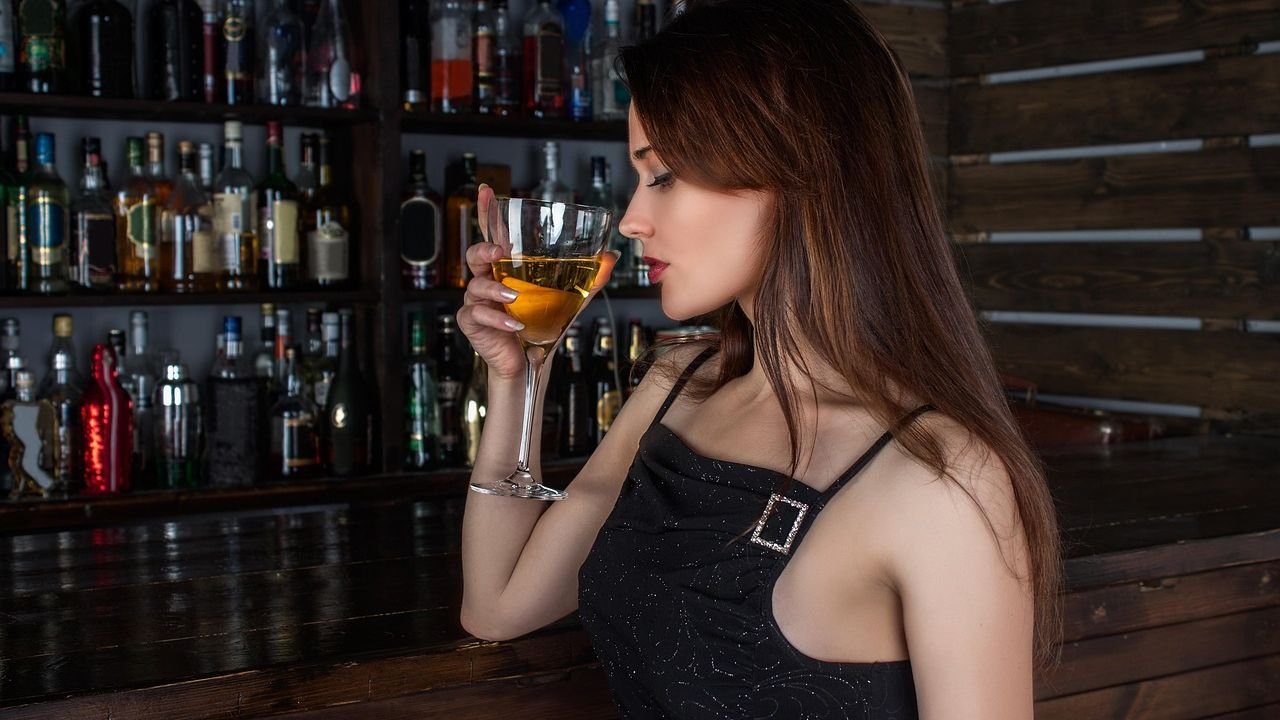
Wine culture has never been more popular – or more pretentious. Tasting rooms are packed, social media is flooded with people cradling glasses and staring dramatically into the middle distance, and everybody seems to have an opinion on terroir. Honestly, I love the enthusiasm. What I don’t love is watching someone perform a tasting ritual they clearly don’t understand while nodding like they’ve just discovered the meaning of life in a glass of Pinot Noir.
I’ve spent years in this industry. I’ve watched thousands of people taste wine – genuinely and theatrically. After a while, you just know. The dead giveaways are everywhere, and they’re almost never about the wine itself. They’re about the person holding the glass. So here’s the unfiltered truth about the habits that make a sommelier quietly smile – and know you haven’t a clue. Let’s dive in.
1. You Swirl Like You’re Trying to Summon a Tornado
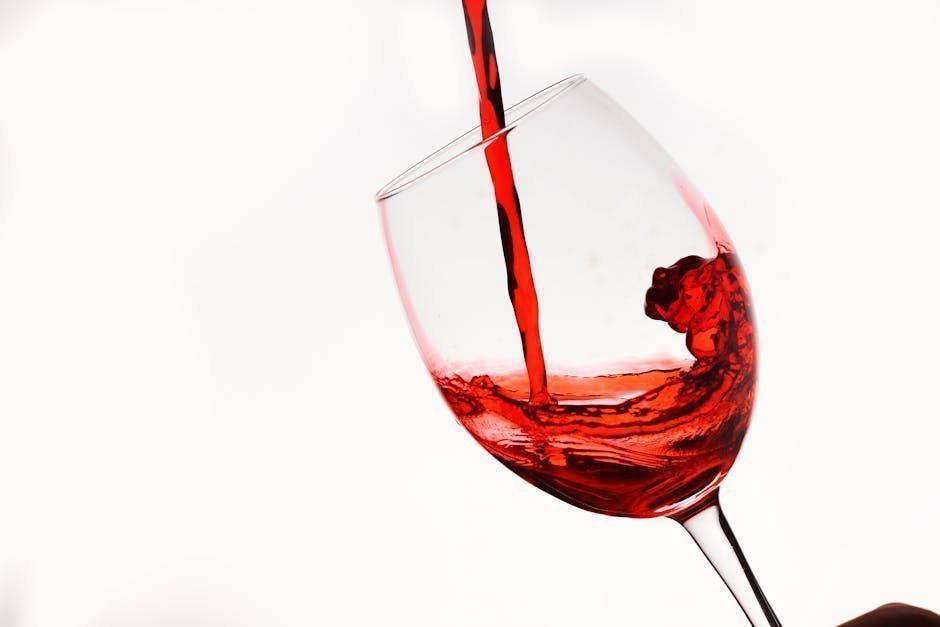
There’s swirling, and then there’s whatever it is you’re doing with that glass. Real swirling is subtle, controlled, and purposeful. You should absolutely swirl the wine, but it’s where a lot of people are unsure of themselves. They’ll either not do it at all, or they’ll do it far too much. The goal is aeration, not a centrifuge.
Swirling a glass of wine serves multiple purposes beyond mere aesthetics. It oxygenates the liquid, releasing dormant aromatics that were previously trapped within the molecular structure. Proper technique involves a controlled motion starting from the base of the stem, lifting the glass in a circular pattern rather than shaking it vigorously. This gentle movement prevents excessive aeration which could overwhelm lighter styles.
A sommelier will give the wine a light swirl and then a sniff. Over-swirling for ages has the potential to let all the fragrances evaporate out of the wine. The first sniff is the most important. So the next time you’re spinning that glass like a contestant on a game show, just slow down. A lot.
2. You Skip the Nose Entirely and Go Straight for a Sip
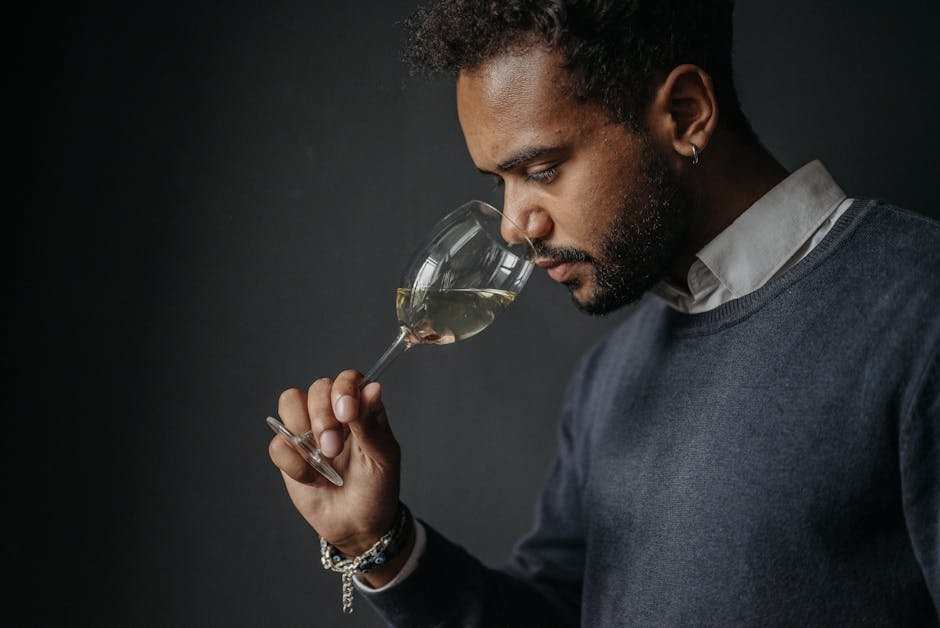
This one is the fastest tell in the room. The moment someone bypasses the smell stage and goes directly in for a gulp, every trained eye in the place notices. Many first-time wine tasters immediately sip without taking a moment to smell the wine first. This skips one of the most important parts of the tasting experience.
The human nose contains approximately 10 million olfactory receptors, allowing us to detect thousands of distinct aromas present in wine. Research conducted at the University of Bordeaux revealed that up to 80 percent of what we perceive as taste actually comes from our sense of smell. So skipping the nose doesn’t just make you look like a rookie. It genuinely means you’re missing most of the wine.
Think of smelling wine the way a musician tunes an instrument before playing. You wouldn’t start the concert out of tune, would you? The smell phase is the most critical. The human nose is capable of detecting hundreds of different aromatic compounds, and this step allows the brain to develop a full aromatic profile before the wine even touches the tongue. A quick swirl of the glass releases these compounds, and a series of short, steady sniffs helps the taster capture as many nuances as possible.
3. You Use Price as Your Only Quality Indicator
Here’s the thing – this one isn’t just a social tell, it’s backed by hard science. The relationship between price and wine quality is far weaker than most people assume, and the research is genuinely fascinating. Individuals who are unaware of the price do not, on average, derive more enjoyment from more expensive wine. In fact, unless they are experts, they enjoy more expensive wines slightly less.
The twist is that once you know the price, your brain rewires the experience entirely. Scientists from Caltech found that changes in the stated price of a sampled wine influenced not only how good volunteers thought it tasted, but the activity of a brain region involved in the experience of pleasure. In other words, prices, by themselves, affect activity in an area of the brain thought to encode the experienced pleasantness of an experience.
This is called the marketing placebo effect, and it’s embarrassingly powerful. According to researchers at Stanford and Caltech, if a person is told they are tasting two different wines and that one costs $5 and the other $45 when they are, in fact, the same wine, the part of the brain that experiences pleasure will become more active when the drinker thinks they are enjoying the more expensive vintage. When a guest tells me a wine is “obviously expensive,” I always want to ask: are you tasting the wine, or the price tag?
4. You Over-Describe Flavors You Didn’t Actually Detect
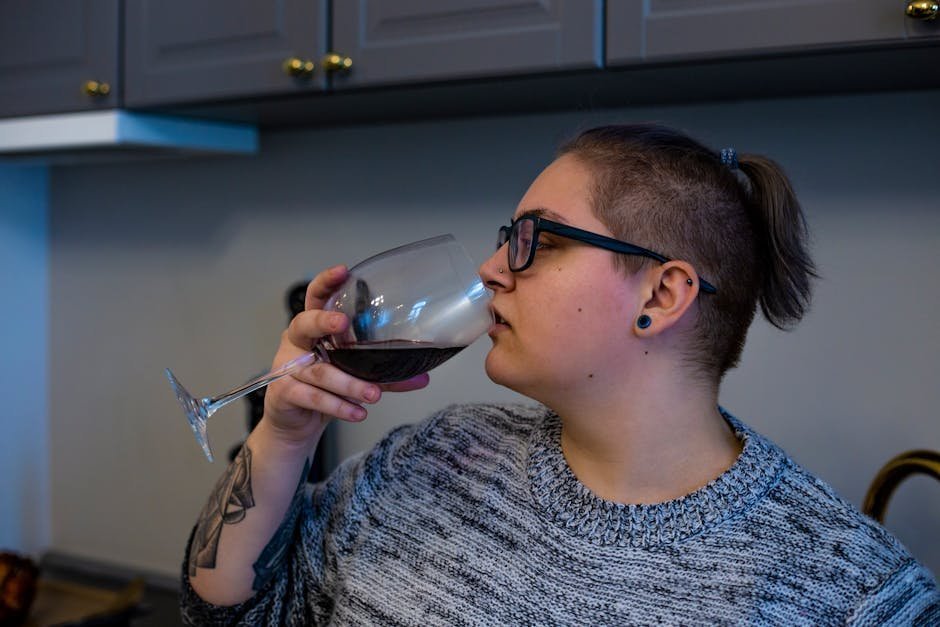
We’ve all been in the room when someone starts rattling off a list of tasting notes that sounds like they memorized a wine app the night before. “Yes, I’m getting dark cherry, tobacco, a hint of saddle leather, and just a whisper of crushed volcanic rock.” Let’s be real – that’s creative writing, not sensory evaluation.
A study published in the Journal of Experimental Psychology found that wine experts were unable to reliably recognize more than about four of the flavor components of a wine. However, most critics typically claim to remember at least six. So the person in the corner listing eight separate flavor notes in a budget Merlot? They’re almost certainly performing.
Further tests have shown that only well-trained sommeliers can reliably recognize more than five flavors in a wine. The real talent is recognizing what’s actually there, not what sounds most impressive. A confident, accurate description of three flavors beats a theatrical monologue of ten fictional ones, every single time.
5. You Hold the Glass by the Bowl
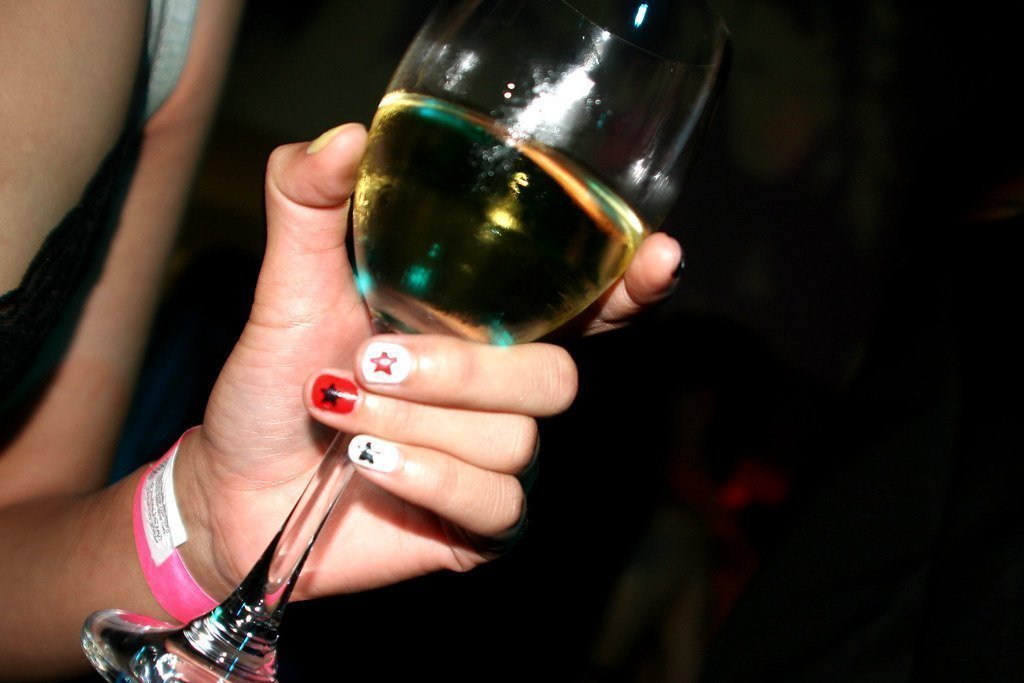
This one makes me wince a little every time. It looks harmless, but it’s one of the most obvious tells that someone hasn’t spent much time around wine professionals. The whole stem exists for a reason, and it’s not decorative. Pick up your glass by the stem to avoid warming the wine with your hand.
Temperature has a dramatic effect on how wine expresses itself. The wine being tasted should be at the right temperature: 45 to 52 degrees Fahrenheit for white and rosé wines, and 55 to 65 degrees Fahrenheit for reds. Temperature has a big impact on how we perceive and appreciate the acidity, texture, and aromas of wine.
Cupping the bowl is basically adding a small heater to your glass. Your body temperature is well above the ideal serving range for most wines. Within a few minutes, a crisp white that should taste bright and mineral starts tasting flat and boozy. It’s a small thing, but trained eyes catch it immediately. It’s like wearing ski boots to a dance floor – you can still move, but everyone can tell you don’t belong there.
6. You Decide Too Quickly Whether You Like the Wine
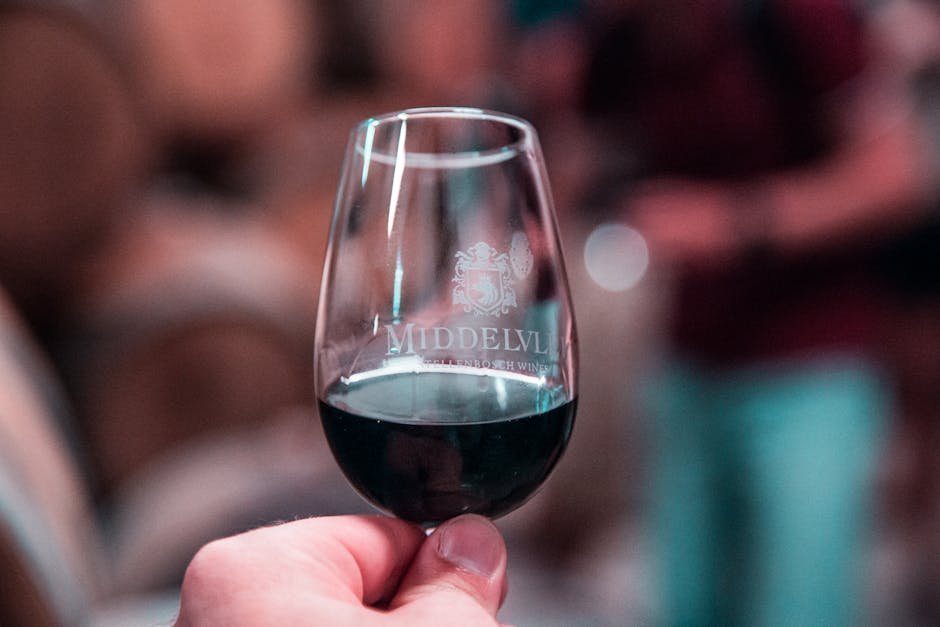
This is the impatience tell. Someone takes one sip, makes a face – or a smile – and announces their verdict before the wine has had any chance to open up. Wine isn’t a soft drink. It changes in the glass, sometimes dramatically, over the course of even just a few minutes. Guests decide too soon which wine they “like” without revisiting it after the palate adjusts or after another sip.
Wines, especially complex reds, often reveal secondary and tertiary aromas only after they’ve had time to breathe in the glass. The aromas in wine are categorized into three distinct layers: Primary, Secondary, and Tertiary. This layering is central to understanding how to describe wine aroma and reveals the wine’s history, from the vineyard to the cellar.
Think of it like meeting someone new. A snap judgment made in the first thirty seconds rarely captures the full picture. The tasting step is all about texture and structure, focusing on sensations felt on the palate. Beyond identifying flavors, a taster assesses five key components: sweetness, acidity, tannin, body, and alcohol. Rushing past all of that because you formed an instant opinion is the culinary equivalent of leaving a book review after reading the first page.
7. You Confuse the “Legs” of the Wine With Quality
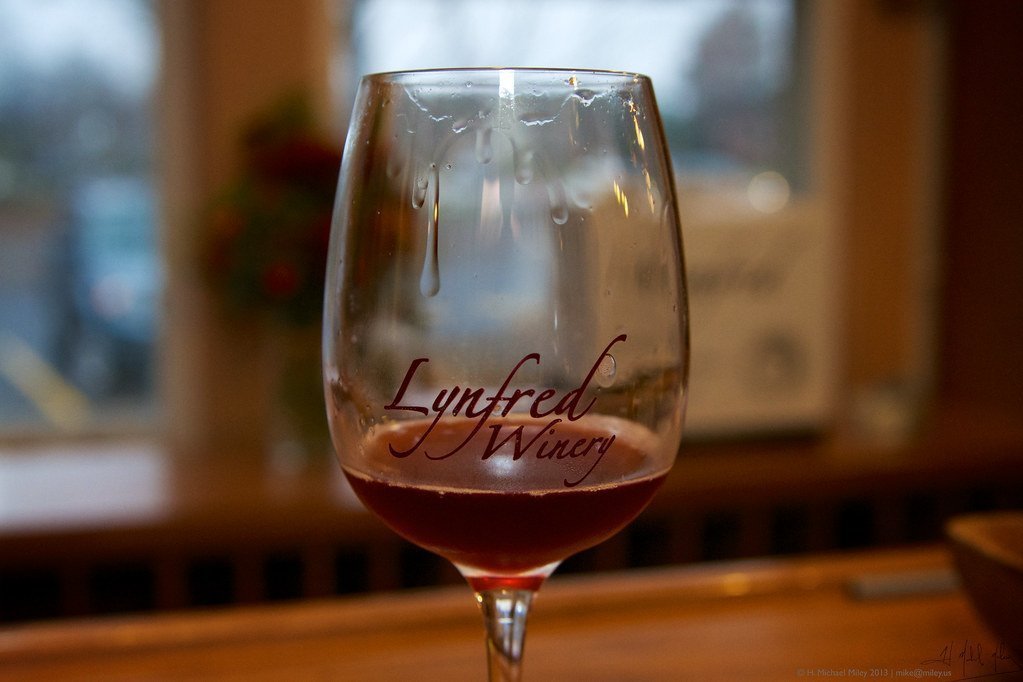
The legs – those slow, syrupy rivulets that trail down the inside of the glass after you swirl – are one of the most misunderstood things in casual wine culture. I’ve lost count of how many times I’ve heard “ooh, great legs, must be a good wine.” That’s not how it works. A wine’s viscosity is revealed by swirling the glass and observing the “tears” or “legs” that form on the sides. Thicker, slower-moving tears are a sign of higher alcohol or sugar content, a physical phenomenon known as the Gibbs-Marangoni effect.
Swirling the wine in the glass can give clues to the identity of a wine if you are blind tasting, specifically it can give the taster an idea of the alcohol content by observing “the legs,” the way the wine runs down the glass. Notice what that says – it reveals alcohol content, not quality. A thick, sugary dessert wine and a perfectly elegant Burgundy can both have impressive legs. They’re completely different animals.
Staring deeply at the legs and nodding like you’ve divined something profound is one of the most common performance moves in the casual tasting room. It’s not wrong to observe them. It’s the misinterpretation that gives you away. Actual sommeliers note the legs quickly, draw one specific conclusion about structure, and move on. The theatrical pause is the tell.
8. You’re Completely Swayed by the Label or Region Name
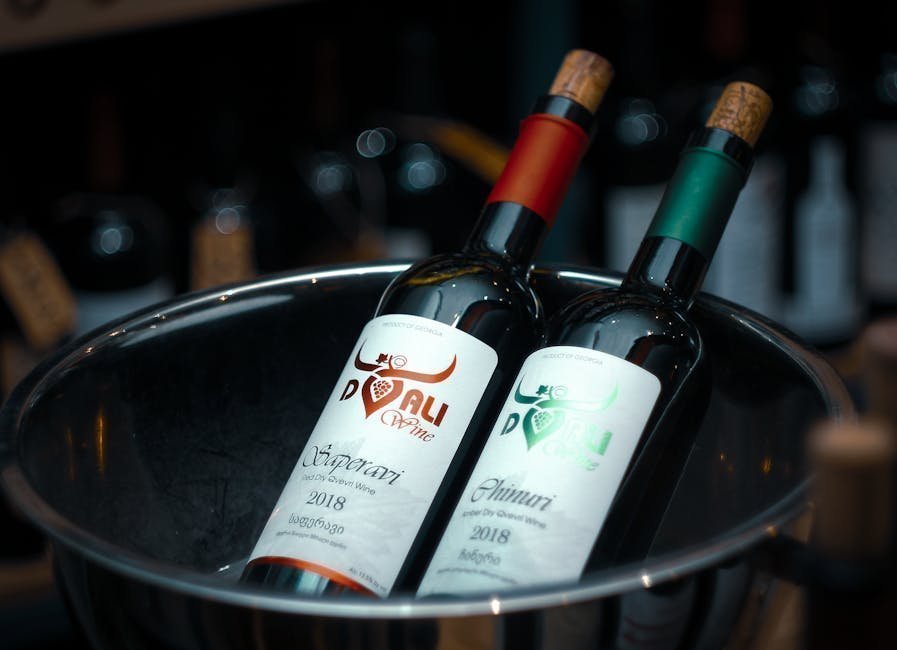
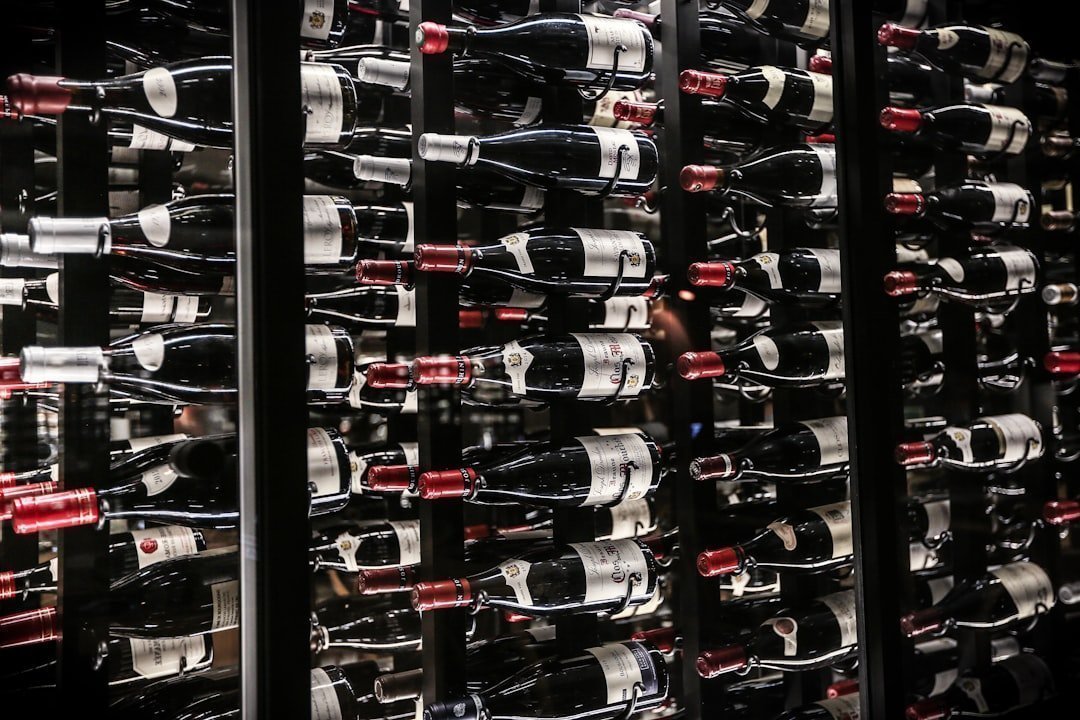
Brand loyalty and prestige bias are powerful forces in wine, and fake connoisseurs lean on them constantly. They don’t taste the wine – they taste the region, the chateau name, the famous appellation printed in elegant font. I’ve watched people declare a wine extraordinary before it even reached their lips, purely because of what was written on the bottle.
Blind tasting is a method of wine tasting in which tasters evaluate wines without knowing their identities. This approach aims to ensure objectivity by eliminating potential biases from visual cues, such as bottle labels, price, geographic origin, or producer reputation. There’s a reason blind tasting sits at the absolute core of every serious wine credential.
The science is unambiguous here. Price information impacts both sensory-discriminative and hedonic wine evaluations. Wine ratings and bottle and label information also influence wine perception. Price is one of the most important product-extrinsic factors influencing consumers’ response to, and presumably experience of, wine. In other words, a wine doesn’t need to be good if the label convinces your brain it should be. A real taster learns to separate the two – and that takes years of deliberate practice.
9. You Spit It Out Apologetically – or Refuse to Spit at All
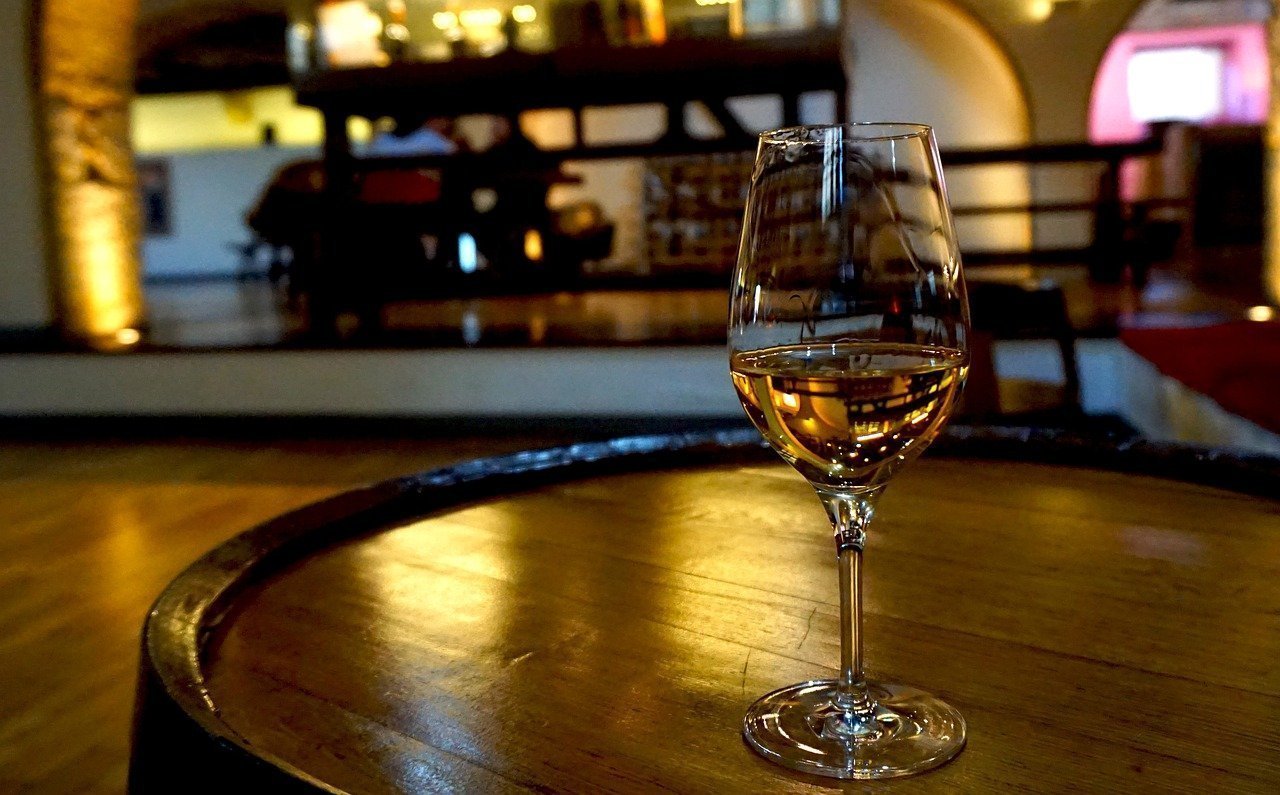
This one cuts both ways. The person who refuses to use the spit bucket because it seems rude, awkward, or beneath them at a serious tasting? They’ll be three glasses deep before the fifth wine arrives, and their palate will be completely blown. The spit bucket isn’t optional at a professional tasting – it’s the whole point. Blind tasting is widely used in professional wine competitions, sommelier certification exams, and academic research to assess wine quality and explore sensory perception. None of that would be possible if the judges were actually swallowing everything.
On the other side, the guest who spits with visible embarrassment, glancing around apologetically as if they’ve committed some social crime, is also telling on themselves. It signals they see spitting as a lapse in etiquette rather than standard professional protocol. Both reactions reveal the same thing: someone performing the idea of wine tasting rather than actually doing it.
Professional sommeliers spit efficiently, without theater, and without apology. It’s a neutral, functional act – like a surgeon putting on gloves. As part of their certification test, Master Sommelier candidates have to blind-taste six wines and, for each, identify the grape variety, the year it was produced, and tasting notes. They couldn’t do any of that reliably if they were drinking every pour. The spit bucket is there for a reason. Use it confidently, or your cover is blown.
10. You Mimic What the Most Confident Person in the Room Is Doing
This might be the most human tell of all, and honestly, I find it kind of endearing – but I still notice it immediately. Someone walks in unsure of the protocol, glances sideways at the person who seems most confident, and begins mirroring. Same swirl speed. Same thoughtful pause. Same tilted head toward the glass. It’s social camouflage, and it’s everywhere in tasting rooms.
The irony is that the most confident-looking person in the room is often not the most knowledgeable one. Not all sommeliers are trained to taste wine accurately. This is what some call a “fake sommelier.” After all, the core element of the job is to have a great palate. If the job were to bloviate, there would be a line of applicants out the door of every restaurant. Confidence and competence are not the same thing in this world – not even close.
With enough training, typically requiring around ten years of experience for Master Sommelier candidates, people really can learn to identify wines by taste. That genuine expertise looks surprisingly calm and understated. When swirling, sniffing, and tasting, all these techniques can be quite subtle. You should barely even realise that someone’s doing half of them. The biggest thing people do is over-exaggerate all of them, whether that’s massive swirls throughout the whole meal or taking big slurps. Real skill is quiet. Fake skill needs an audience.
A Final Word From Across the Bar
Here’s what I want you to take away from all of this: none of these habits make you a bad person, or even a bad wine drinker. They make you a learner. Every single sommelier who has ever earned that title started as someone who got these things wrong. The difference is that they stayed curious instead of staying performative.
Wine is genuinely complex. Most Master Sommelier candidates – roughly nine out of ten – fail the examination. So nobody expects you to walk into a tasting room knowing everything. What earns respect in wine culture isn’t flawless technique – it’s honest engagement with what’s in your glass.
The biggest compliment I can give any wine drinker, regardless of experience, is that they’re paying genuine attention. Not to the room, not to the label, not to what the loudest person just said – but to the wine itself. That’s the one habit that no faker ever masters. So, the next time you pick up a glass, what are you actually tasting?