
It feels convenient at checkout, but the cost can sneak up later.

Buy Now, Pay Later services have exploded in popularity, offering shoppers the chance to split purchases into smaller, manageable payments. The pitch sounds simple: grab what you want now, and worry about the money later. For many, it feels like a painless way to afford more without using a credit card.
But these plans come with fine print and hidden pitfalls. Before you sign up for one, here are nine things you should really consider.
1. The payments sound small but add up fast.

Breaking down a $200 purchase into four $50 payments feels easier than facing the full amount. That’s the hook. Small payments look harmless, but multiple purchases stack quickly.
You may not notice the total you’re committing to until it’s spread across several apps or pay cycles. Suddenly, those “manageable” installments feel more like juggling spinning plates.
2. Late fees make mistakes expensive.

Most services promise zero interest, but that doesn’t mean free. Missing even one payment can trigger hefty fees, sometimes higher than credit card penalties.
A single oversight turns a deal into debt. It punishes forgetfulness, not just overspending. That’s why autopay and careful tracking become crucial if you use these services.
3. Multiple apps confuse your budget.

Many people juggle Klarna, Afterpay, Affirm, and others at the same time. Each one comes with its own payment schedule and reminders.
Keeping track becomes overwhelming, and it’s easy to lose sight of what’s due when. That confusion can sink a budget faster than one large purchase.
4. Credit scores can still take a hit.
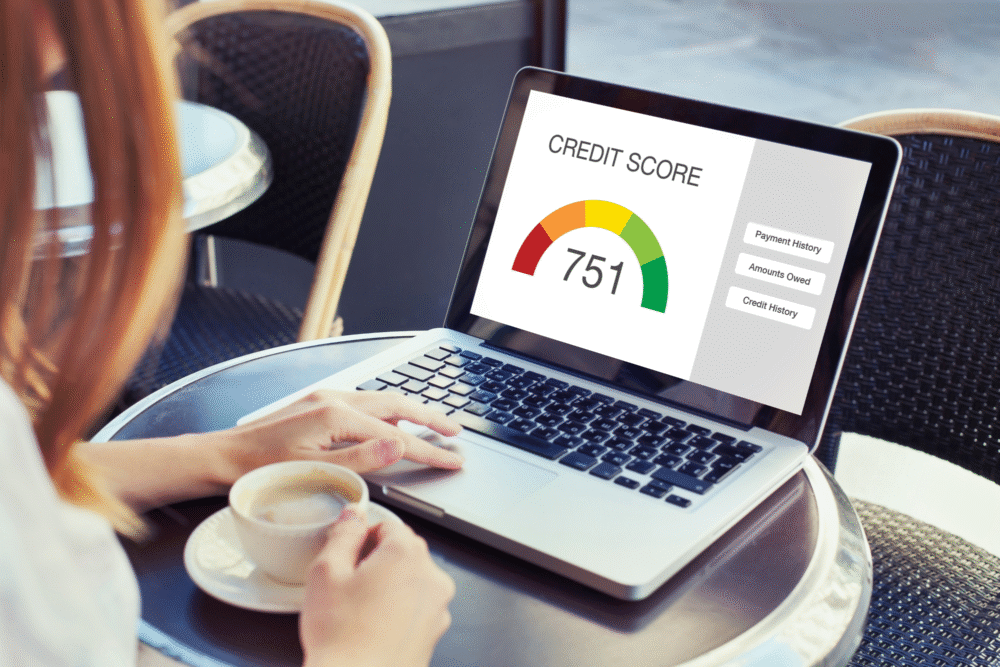
Buy Now, Pay Later isn’t always invisible to credit bureaus. Some providers report missed payments, which lowers your score and hurts your chances of borrowing later.
The illusion of “safe” debt makes people careless. When it shows up on your record, the damage feels worse because it was unexpected.
5. The lack of interest hides the real risk.

Because most plans avoid traditional interest charges, people assume there’s no danger. The truth is, the trap lies in behavior. You spend more freely when there’s no penalty upfront.
That false sense of freedom creates overspending habits. The costs don’t vanish; they’re just delayed until you can’t ignore them.
6. Returns and refunds get complicated.

Returning items purchased through Buy Now, Pay Later isn’t always simple. Sometimes payments keep processing even while you wait for a refund.
That lag ties up your cash and can cause overdrafts if your account is tight. What looks like a flexible option can become a financial headache when plans change.
7. It encourages impulse buying.

The ability to spread out payments lowers hesitation. You might grab items you wouldn’t normally justify if you had to pay upfront.
Impulse buying feels harmless in the moment, but the regret sets in once payments start stacking. Convenience often wins over careful consideration.
8. Overspending becomes easier to justify.

Buy Now, Pay Later makes luxuries feel affordable, but it can blur the line between needs and wants. Suddenly, “just one more” purchase doesn’t feel like much.
The cumulative effect is dangerous. By the time you notice how much you owe, you may already be locked into several cycles of repayment.
9. It works best only with strict discipline.

The system itself isn’t evil—it’s how people use it. If you track payments carefully, stick to essentials, and avoid piling up multiple plans, it can work.
But most people don’t. Without discipline, the promise of flexibility turns into the reality of debt. That’s why caution is essential with this type of borrowing.