
Twelve years behind the bar. That’s thousands of shifts, tens of thousands of drinks poured, and more customer interactions than I can count. I’ve worked everything from dive bars to upscale craft cocktail lounges, and I genuinely love most of what this job brings. Most of it.
Here’s the thing, though. There are certain drinks, and more importantly, certain behaviors attached to those drinks, that make a little part of me die inside every single time. It’s not always about the cocktail itself. Sometimes it’s about what that order says about you as a person. Sometimes it’s about the chaos it creates mid-rush. And occasionally, it’s both. Let’s dive in.
1. The Long Island Iced Tea: The Universal Red Flag
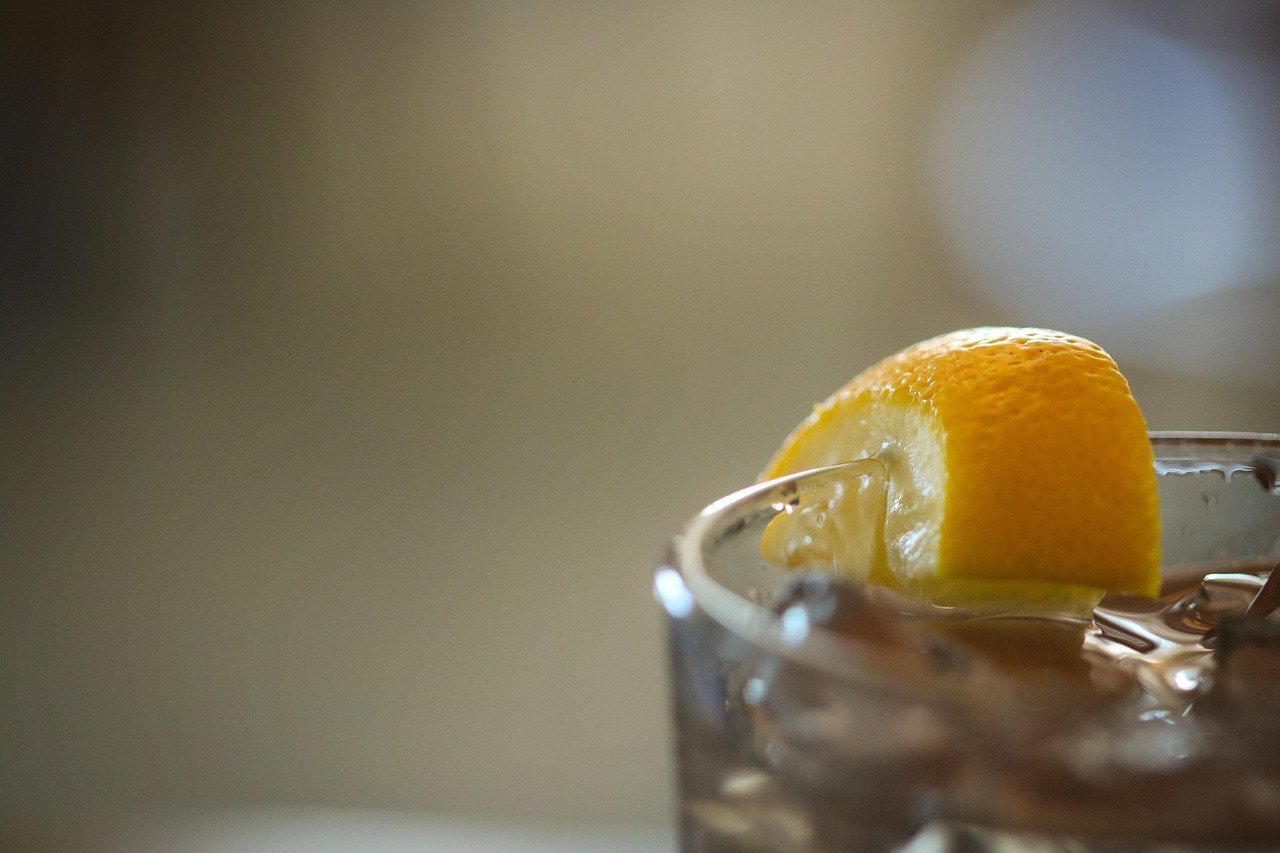
Let’s be real, there is no drink in the world that sends a louder signal about your intentions than the Long Island Iced Tea. Despite its color and its mix of alcoholic and non-alcoholic ingredients, bartenders rarely assume you’re ordering it for its looks or flavor. It’s considered an instant red flag and an indicator that you’re probably not interested in having a nice quiet night out.
The cocktail is made with vodka, tequila, light rum, triple sec, gin, and a splash of cola, and carries an alcohol concentration of approximately 22 percent, far higher than most highball drinks due to the relatively small amount of mixer. Think about that for a second. You’re essentially ordering a glass of straight liquor in disguise, and every bartender in the building knows it.
As bar manager Abraham Flota of Prospect in San Francisco put it, the Long Island Iced Tea is a drink that often sacrifices quality for potency, making it unbalanced and muddled, and it tends to appeal to those looking for a quick buzz. Honestly? I’ve been saying the same thing for years, and it never gets any easier to swallow, pun intended.
Mixologist Paul Kushner agrees, calling the drink a hodgepodge of booze that is too sweet and requires little finesse to make, noting that a five-dollar Long Island will taste pretty much the same as a twenty-five-dollar one, and the wash of sweetness overpowers any individual spirit flavor anyway. So what exactly are you getting out of it?
2. The Mojito: A Muddling Nightmare on a Busy Night
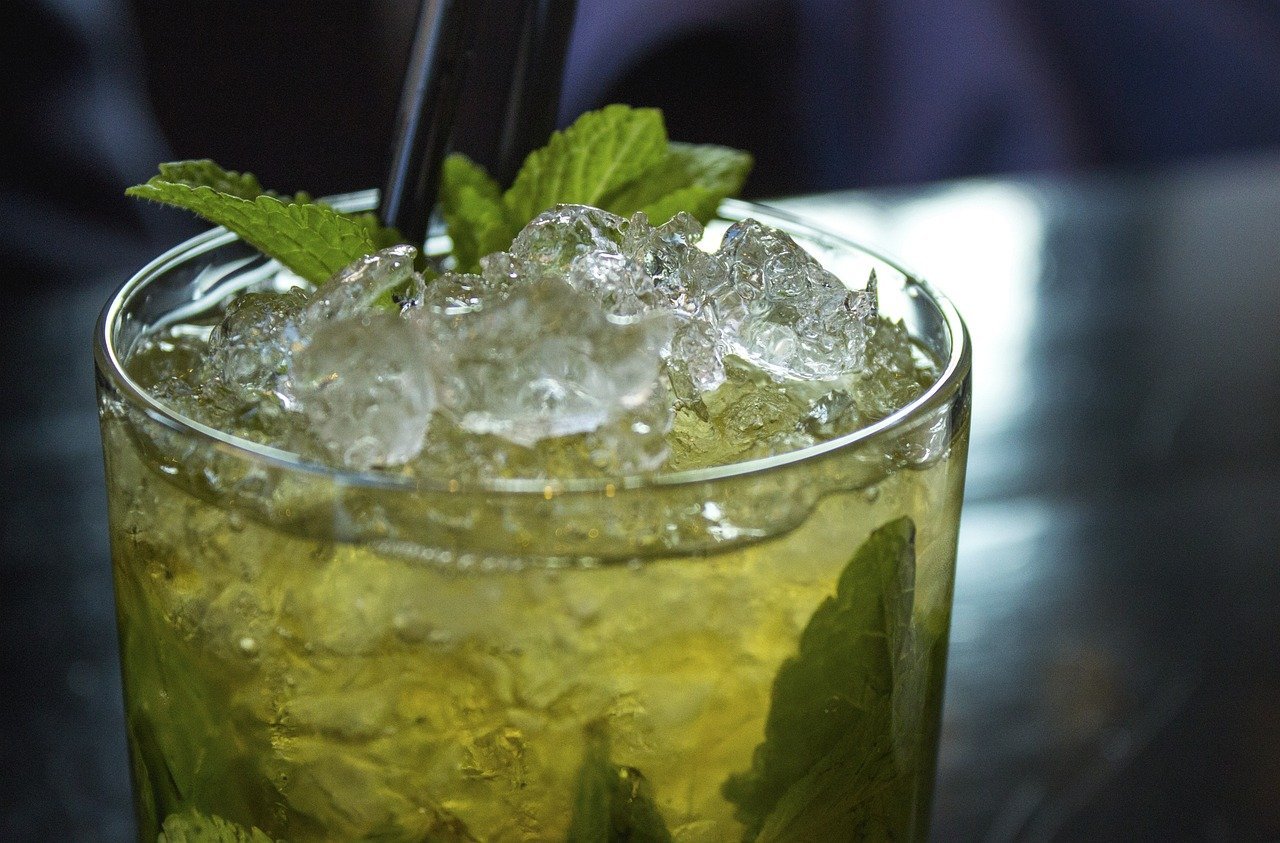
I have no grudge against the mojito in principle. It’s a beautiful Cuban classic, fresh mint, lime, rum, sugar, and soda. But ordering one at a packed Friday night bar? That’s another story entirely. Once the bar gets packed, it becomes a genuine hassle to muddle a mojito. Some dive bars and clubs simply don’t have enough room to properly prep all the ingredients, and a bartender racing to pick off mint leaves, muddle them, and get back to the bar will find a dozen more drink orders have stacked up in the meantime.
The mojito is one of the most notoriously disliked drinks for bartenders. It’s a mess to make, according to Jackson Strayer-Benton, Beverage Director for Hen of the Wood and Prohibition Pig in Vermont. I genuinely respect the cocktail. I just wish people understood that context matters enormously when placing an order like this.
Mojitos are the classic example, but really it applies to any multi-step cocktail that takes a long time to prepare. At an upscale cocktail bar, you expect drinks like this. At an average bar job, these drinks always seem to be ordered when you are slammed, and they slow down the entire flow of service. Timing is everything. Everything.
3. The Espresso Martini: The Drink That Never Sleeps, But Should
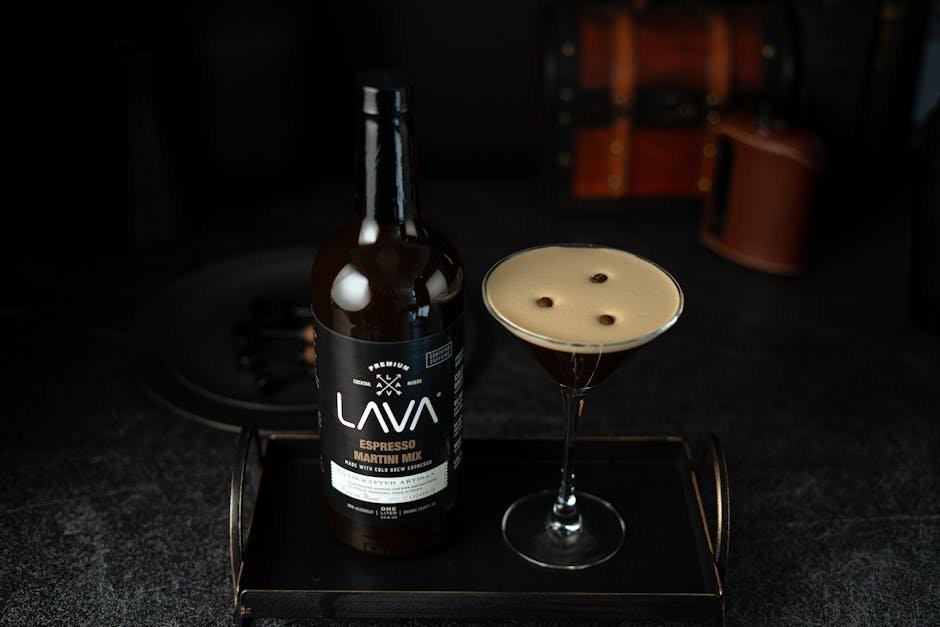
As Colm Whelan, general manager of Desert 5 Spot in New York City, bluntly stated, both the mojito and the espresso martini are universally hated by bartenders. That’s a bold but deeply understood sentiment in the industry. The espresso martini has had a wild run of popularity and shows no signs of slowing down, which is precisely the problem.
Everyone wants one, and every spot does them differently. There is no real standard recipe, and because they are so popular, people are really particular about the one they prefer. There are so many things that can go wrong with this drink, especially when espresso can easily be burned. Add to that the fact that coffee machines require cleaning, and nothing is worse than someone ordering a round of espresso martinis thirty minutes before close.
In busy venues, fresh espresso can be impractical, often leading to pre-batched coffee in cocktails. As someone with Italian hospitality roots, it’s a missed opportunity to see high-quality espresso used this way, and rather than sticking with this trend, a beautifully crafted shot of espresso itself would truly honor the essence of great coffee. I think that’s a fair point, and I say this as someone who has made probably five thousand of them over the years.
4. The Ramos Gin Fizz: A Workout Disguised as a Cocktail Order
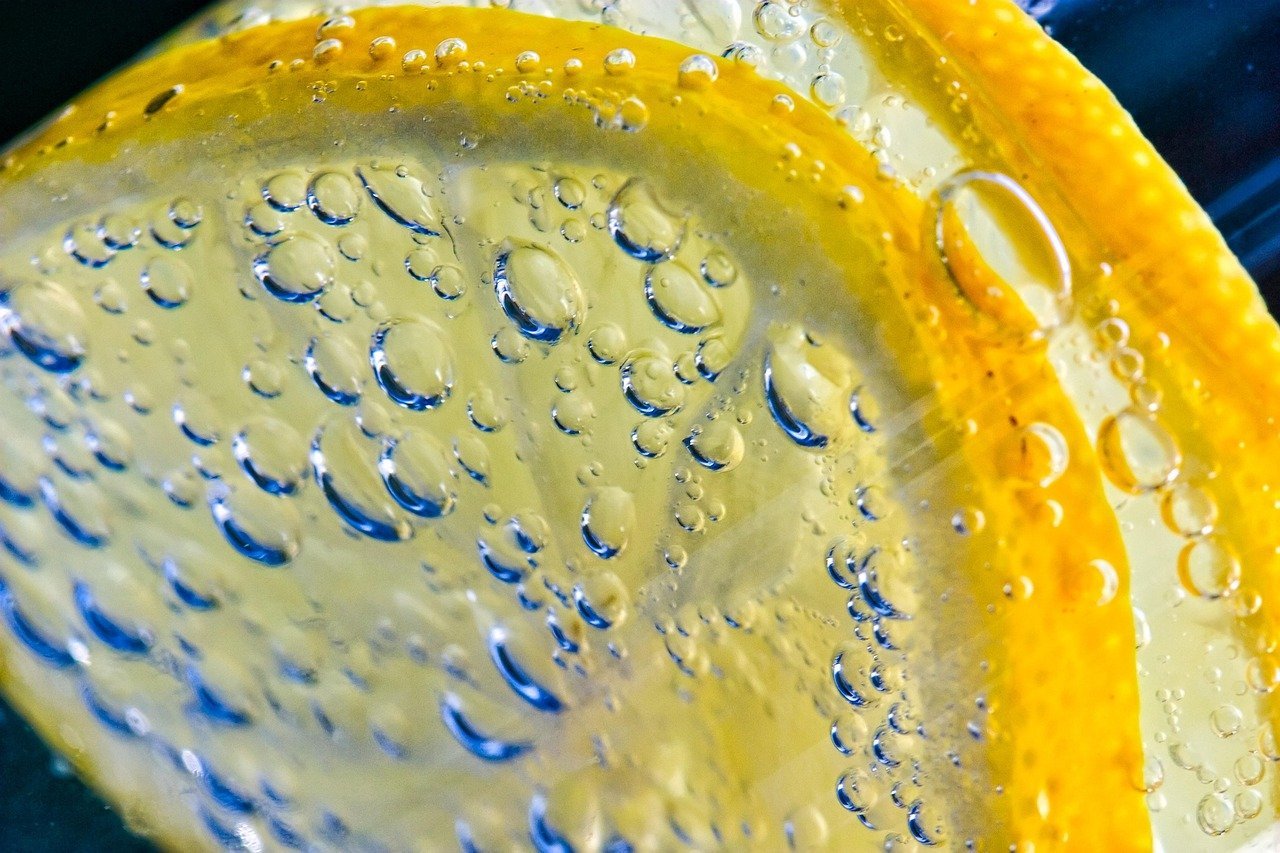
If you order a Ramos Gin Fizz during a dinner rush, you and I are going to have a problem. Bartenders across the country despise this labor-intensive New Orleans classic. Made of gin, egg white, lime, lemon, cream, orange blossom water, sugar, and soda, this foamy cocktail requires an obnoxiously long time to prepare, including at least ten to fifteen minutes of shaking to achieve the perfect frothy texture.
The drink is described as a mix between key lime pie and an orange creamsicle, but with a long list of fussy, patience-testing ingredients. What’s more, it requires a frankly absurd amount of shaking, with the original recipe calling for a full fifteen minutes, which would be enough to drive anyone mad. Historically, the drink was so demanding that bartender Henry C. Ramos employed dedicated “shaker boys” whose sole job was to shake the drink continuously.
One bartender put it perfectly: if the order comes in during the middle of the dinner rush, it’s either deny it or slow down everyone else’s drink times. The Ramos is genuinely enjoyable to make when there is time, but in a full restaurant, it is a death sentence. It is actually the only drink some bartenders turn down making entirely. I respect that level of honesty completely.
5. The Frozen Blended Drink: The Blender Nobody Wanted to Hear
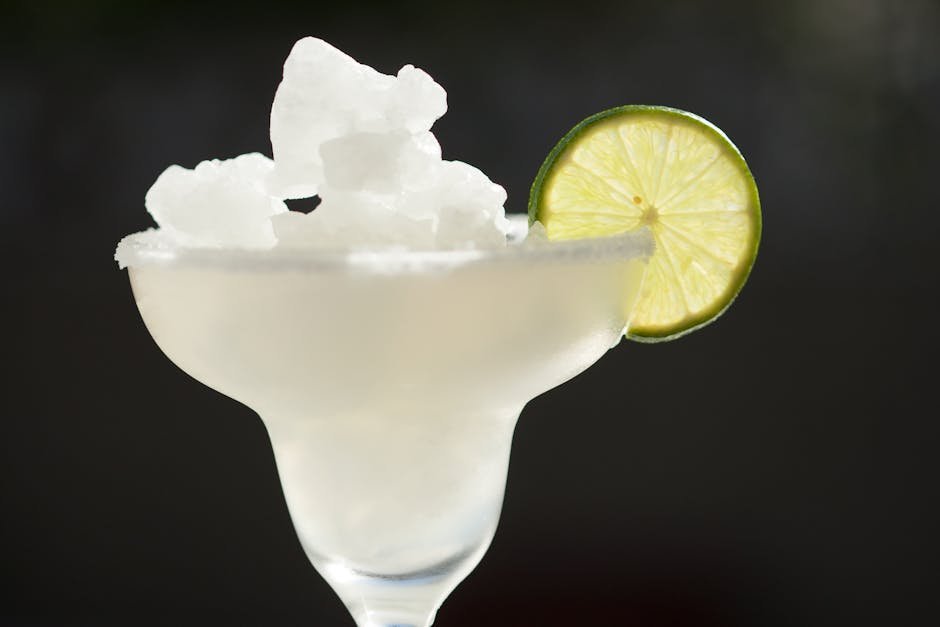
Picture this: it’s a packed Saturday night, the bar is ten deep, and someone orders a frozen piña colada. The noise alone is enough to send a cold chill through the entire staff. From a practical standpoint, frozen drinks can be a nightmare for bartenders. They require special equipment like blenders, which are noisy and take up valuable counter space.
Making drinks that require a blender is not among any bartender’s top favorites, as it often means more cleanup. One industry veteran put it simply: blenders are noisy, and once one goes out to the dining room, everyone wants one. It’s like the fajita effect. One person orders it, the whole room suddenly wants one too.
When working private events, bartenders are often understaffed and ill-equipped to make complicated blended beverages. If you know there is a big crowd and only one or two bartenders working, consider being considerate. It is a real pet peeve to be asked to abandon the bar to find a blender in the kitchen, so if there is no blender at the bar, just get your drink on the rocks. Simple. Considerate. Works for everyone.
6. The Deconstructed Cocktail: Trust Issues in a Glass
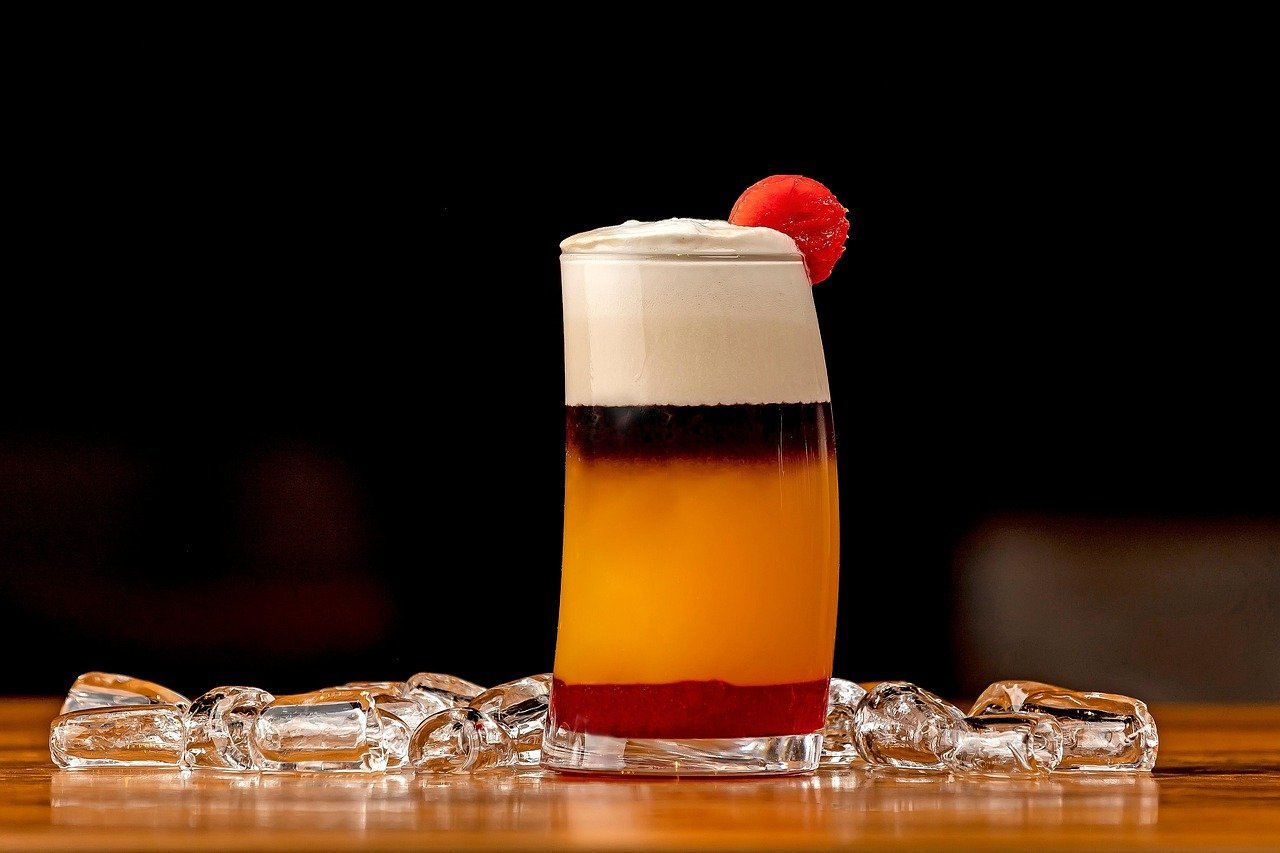
This one genuinely puzzles me. Seasoned bartenders with the skills to whip up a tasty beverage report that about once a week someone will ask them to bring a deconstructed cocktail to the table so the customer can mix it themselves. That is their number one pet peeve. I know it sounds crazy, but it happens regularly enough to make this list.
When people ask for all the separate ingredients of a margarita so they can pour it themselves, it is annoying for so many reasons. You may not know what really goes into making your favorite cocktail, and you are also showing that you do not trust the bartender to do their job. That last part stings the most, honestly. I have been doing this for twelve years. You can trust me to make you a margarita.
There is something almost comically insulting about this request. It is the equivalent of walking into a restaurant, ordering pasta, and then asking the chef to bring you separate bowls of raw noodles, sauce, and cheese so you can assemble it yourself at the table. Bartenders are true craftsmen of the cocktail, and asking to deconstruct the work is a direct challenge to that craft. Not a great first impression.
7. The Off-Menu Custom Order During a Rush
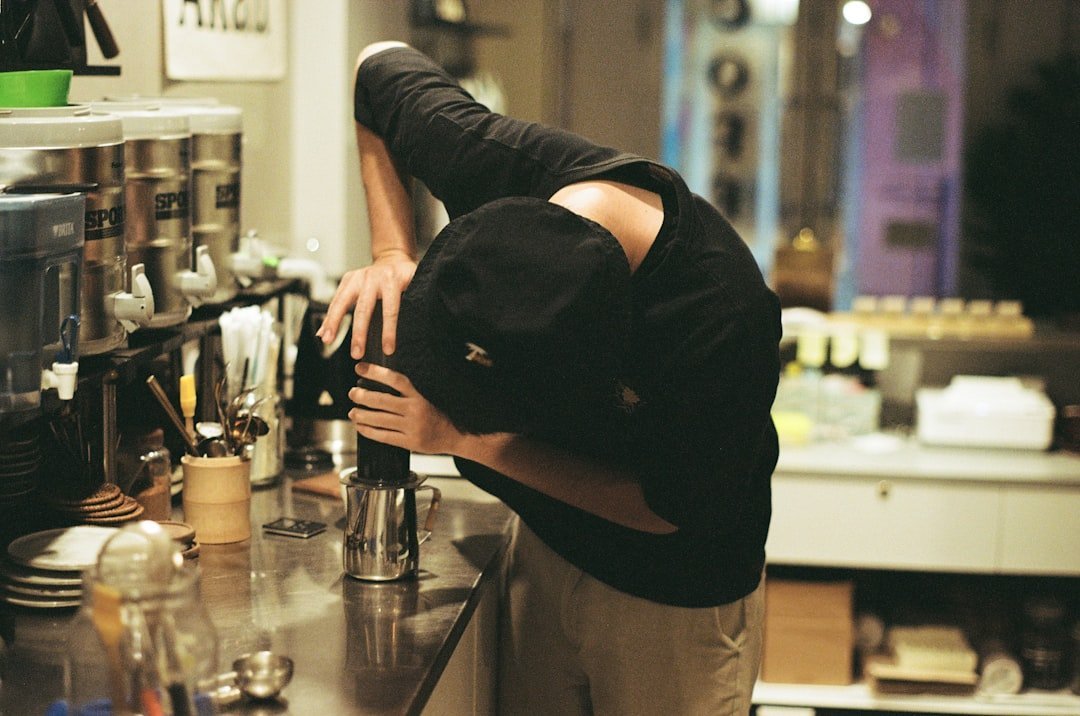
Here is a situation I’ve lived through probably a thousand times. Bar is absolutely slammed, tickets are stacking up, and someone leans in to describe a drink they had on vacation in Cancún seven years ago that they can “almost remember.” If the bar is busy, bartenders hate making anything with more than three ingredients that’s not on the menu. That is a widely shared rule of thumb across the industry, and it exists for a reason.
Even with all the other irritating customer habits out there, asking a busy member of staff to surprise you is not cute, funny, or flirty. It is, to someone who has about a hundred other customers to see in the next ten minutes, unbelievably annoying. The bar is not a creative sanctuary when it is three deep and the service tickets are backed up to the kitchen.
On the flip side, some bartenders hate making a basic cocktail when they are working at a craft cocktail bar. When you come to a bar known for its signature cocktails or the creativity of the mixologist, it is a bit of a bummer to be asked to make a simple gin and tonic. Context, as one experienced bartender puts it, is truly key for cocktails. Read the room. Read the menu. Order accordingly.
8. The Vodka Soda: The Drink That Insults the Craft
I will make you a vodka soda. I will do it with a smile. I will even make it a good one. Still, there is something quietly disheartening about this order when you are standing behind a bar stocked with premium spirits, fresh-squeezed juices, house-made syrups, and an actual thoughtfully designed cocktail menu. Along the same lines as the vodka martini, co-founders of boutique bartending company Twist and Bitters say a little piece of their soul dies every time a customer orders a vodka soda, calling it quite possibly the most boring, flavorless, and mundane cocktail a person can order, comparing it to asking a chef to serve a piece of plain, un-toasted white bread for dinner.
It is not really about the drink being hard to make. It takes about twelve seconds. The issue is that ordering a vodka soda at a craft cocktail bar is a little like booking a table at a Michelin-starred restaurant and then asking for plain buttered toast. You are technically allowed. It just makes everyone a little sad. Time versus ticket value is a real factor behind the bar, since complex builds for low-price drinks reduce throughput and tip per minute.
Honestly, if you genuinely want a vodka soda, go for it. No judgment. Just know that the person handing it to you might be quietly mourning what could have been. The seasonal cocktail on the menu that they spent three weeks perfecting sits there, untouched, while vodka soda orders pile up like sad little footnotes in the history of missed opportunities.
9. The Bomb Shot for a Group of Twelve: Glassware Chaos
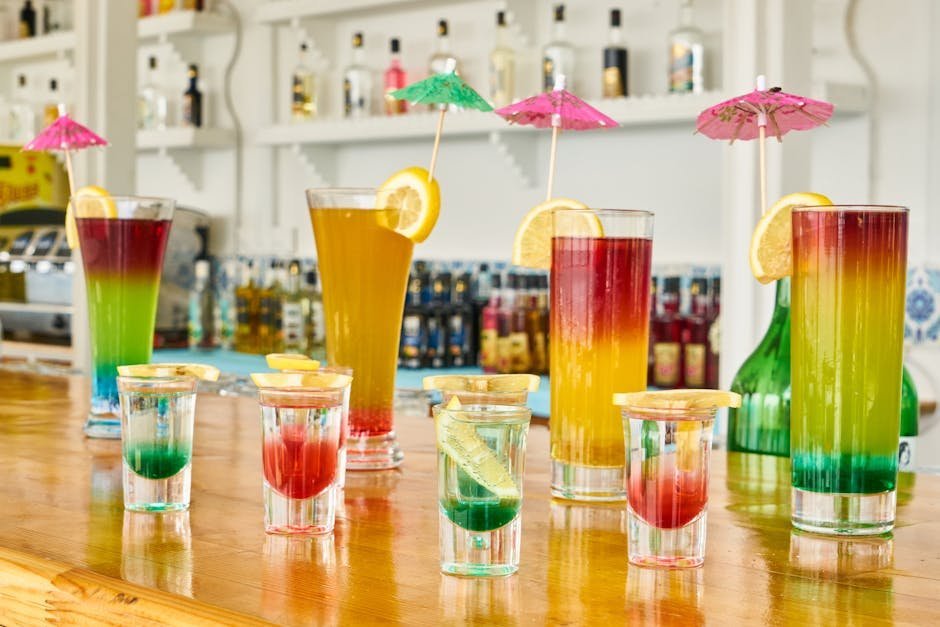
Nothing quite prepares you for the moment a group of twelve people all decide they want Jägerbombs at the same time. Some bartenders strongly dislike making bomb drinks, those made by dropping a shot glass of liquor into a larger glass filled with a chaser. Jägerbombs, a shot of Jägermeister dropped into a glass of Red Bull, are probably the most common, and they are not difficult to make per se, but you use up twice the glassware and they always seem to be ordered for large groups.
Large group drinks also mean lower tips in many bartenders’ experience, since the person buying tends to just round up the total instead of tipping a proper percentage. Meanwhile, you have just used twenty-four pieces of glassware for one round, every Red Bull can is now on the floor, and the bar looks like a recycling facility mid-explosion. Fun times.
Tipping is a big part of bartending culture. For each drink, leaving one to two dollars is standard, and for cocktails or specialty drinks, two to three dollars is appreciated. If starting a tab, tipping fifteen to twenty percent at the end is a good rule of thumb. A round of twelve Jägerbombs with a two-dollar tip afterward is the kind of thing that stays with a person for the rest of their shift, and honestly, long after that.
10. The “Surprise Me” Order on a Packed Night
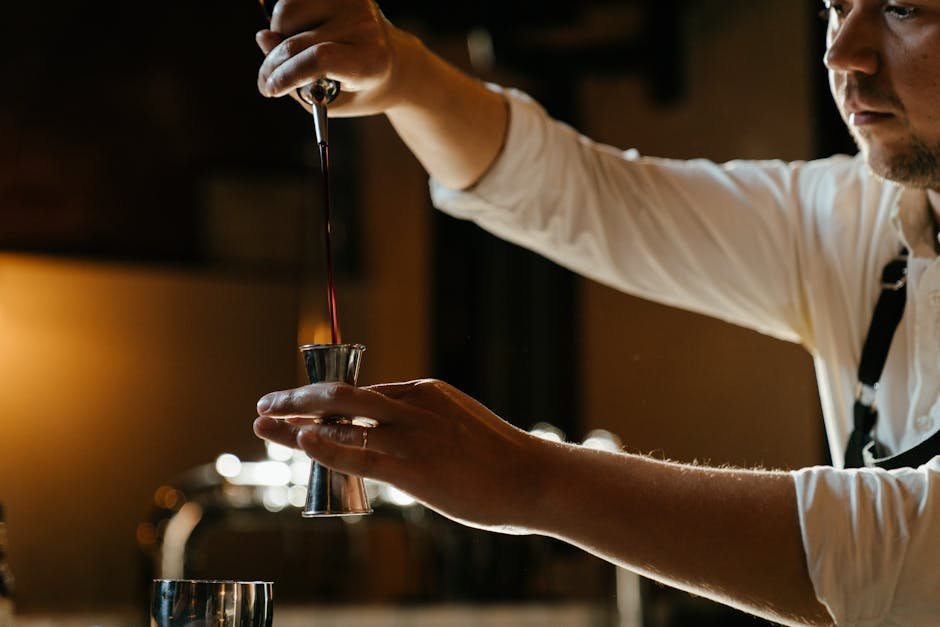
This one seems harmless on the surface. Charming, even. Someone trusts you completely, hands over their fate, and says “I’ll have whatever you think is best.” If there is time to discuss a customer’s specific preferences and the customer is willing to engage and assist the bartender, asking for a creative cocktail may not make them hate you. Whether someone is annoyed by such a drink order depends on how busy they are at any given moment, and if a bar is slammed, they are unlikely to have the mental bandwidth to concoct something special.
Unless the bartender knows the customer well, this is a frustrating order. Because cocktails vary so much in flavor profile and composition, it is genuinely difficult to know whether someone would prefer a Gimlet or a Manhattan. There is zero useful information here for the person trying to help you, and it puts the entire responsibility of your satisfaction on someone who has never met you before and has forty other orders lined up.
Think of it this way: asking a busy bartender to “surprise you” is a bit like walking into a hair salon and telling the stylist to “do whatever you want” while there are fifteen people waiting for cuts. You might get something wonderful. You might get something you will be explaining to your friends for a month. The better move is to tell the bartender your preferred base spirit or flavor profile, like fruity, smoky, or herbal, and let them get creative from there. You will often end up with a customized drink you might never have thought to order. That is the sweet spot.
Conclusion: The Drinks Are Just the Surface
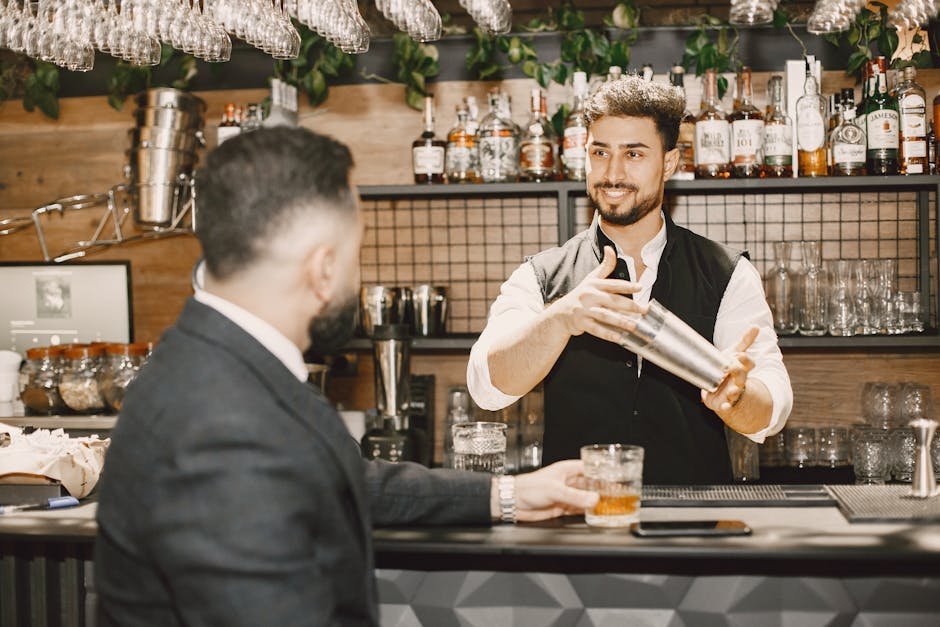
Here’s what twelve years behind the bar has taught me above all else: it is rarely just about the drink. Bartenders most dislike drinks that are slow, inconsistent, risky, or create waste, especially when those drinks are low-profit or highly customized. The specific most-hated drink varies by bar type and crowd. The context, the timing, the attitude of the person ordering, all of it matters far more than the cocktail itself.
A mojito ordered with patience and a smile at a quiet Tuesday evening bar? Absolute pleasure to make. The same drink ordered with a snap of the fingers at peak Saturday night chaos, while you are also on your phone and haven’t looked up once? That is a different experience entirely. Bartenders’ frustrations are not unique to any individual, and bar owners and industry veterans have long emphasized the importance of proper bar etiquette to ensure smooth operations and respectful interactions.
The bottom line is simple. Be present. Be kind. Read the room. Know what you want before you get to the bar. Tip properly. And maybe, just maybe, put the Long Island Iced Tea back where it belongs: in 2003, at a beach resort, ordered by someone who is very new to all of this. What drink do you think says the most about a person? Drop your take in the comments.