
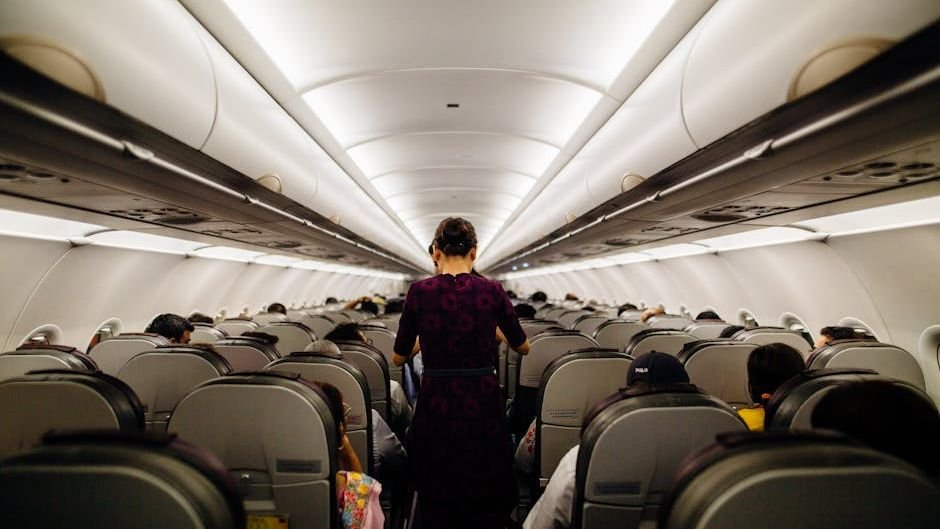
There’s a certain type of passenger that every flight attendant recognizes within thirty seconds of boarding. Not because they’re loud. Not because they’re demanding. Honestly, it’s the opposite. After fifteen years in the sky, serving everyone from economy to first class, I’ve noticed that the passengers who carry genuine, generational wealth stand out precisely because they don’t try to stand out at all.
You’d think money equals spectacle. Sometimes it does. But real old money? That’s a completely different animal. The subtle tells are everywhere, once you know where to look. Let’s dive in.
1. They Never Flash Brand Logos

Walk through a first-class cabin on any major route and you’ll see it quickly. Some passengers practically wear their net worth on their sleeves, literally. Monogrammed luggage tags, logo-heavy scarves, belts with enormous buckles spelling out designer initials.
New money gravitates toward recognizable luxury – Louis Vuitton monograms, Gucci interlocking Gs, Hermès H-belts worn as statements. The logos serve as verification. They say: “this is expensive, in case you couldn’t tell.” Old money passengers board looking almost plain by comparison.
Old money avoids visible branding entirely. The preferred brands are known only within certain circles. Think a well-cut navy blazer with no visible label anywhere. That’s the tell. The absence of proof is the proof.
2. They Never Announce Their Importance
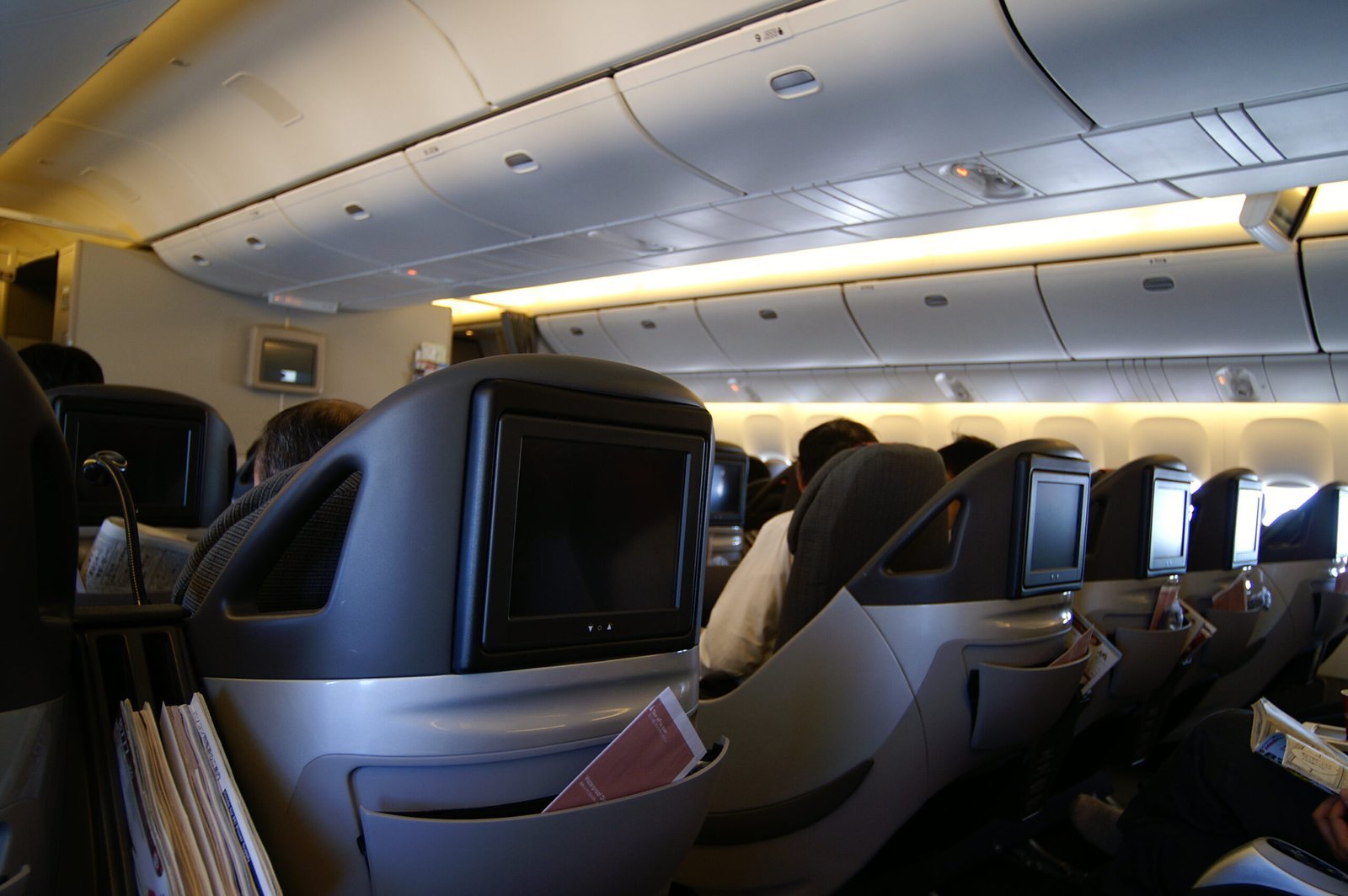
I cannot count how many times I’ve heard some variation of “do you know who I am?” It’s almost always from someone who is not, in fact, that important. The people who feel compelled to announce their importance usually aren’t that important. Real power whispers, it doesn’t shout.
Old money operates from a position of complete security. Wealth is assumed, inherited, and expected to continue indefinitely. There’s no need to prove anything because proof isn’t relevant. These passengers settle into their seats quietly and get on with their day.
It’s like comparing someone who walks into a room already knowing they belong there versus someone still trying to convince the room. One barely speaks. The other can’t stop talking about themselves.
3. They Never Demand Instead of Request
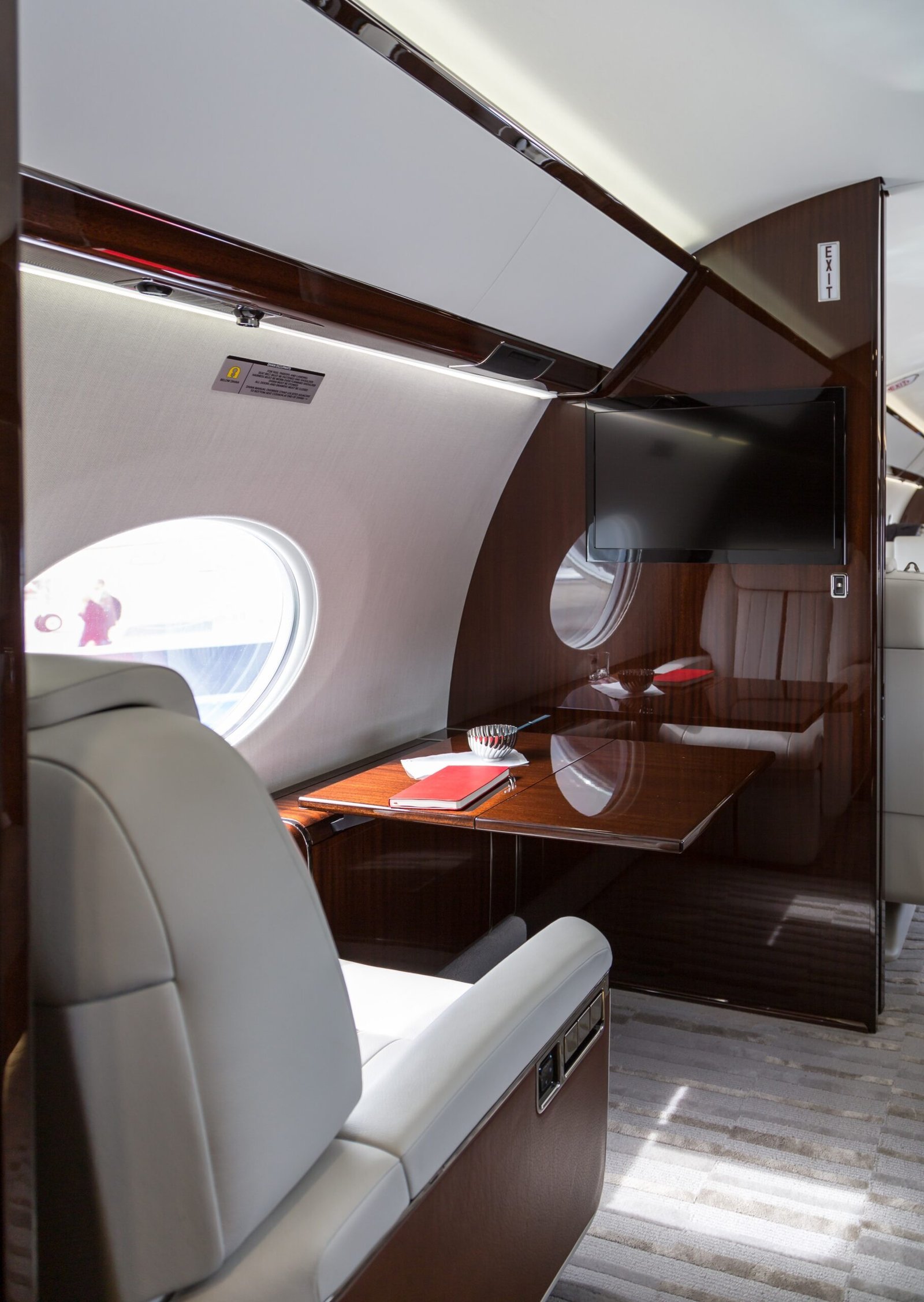
Here’s the thing that surprised me most early in my career. The wealthiest passengers are frequently the easiest to serve. There’s a crucial difference between providing service and being a servant. People with real class understand this distinction. They make requests, not demands. They say “when you have a moment” instead of “now.” They understand that flight attendants are there primarily for safety, not to be personal assistants.
The ones without class think purchasing a ticket means they’ve hired personal staff. They get angry when we can’t break company policy just for them. They confuse professional courtesy with subservience. Old money passengers never do this. Never.
4. They Never Treat Cabin Crew as Invisible
People who grew up with money were taught from an early age to acknowledge service staff. Not in a condescending way, but as a basic social grace. Their parents likely emphasized treating everyone with respect, especially those helping them.
The truly wealthy families were often the most polite. Their kids would say “please” and “thank you” without prompting. It wasn’t performative kindness – it was genuine courtesy drilled into them since birth. I’ve seen more grace from passengers in the last row of economy than from some first-class travelers who’ve clearly just arrived at wealth recently.
Flight attendants remember the genuinely kind passengers long after the flight ends. Kindness paired with other signals of wealth? They notice that combination immediately.
5. They Never Overorder or Try to “Get Their Money’s Worth”
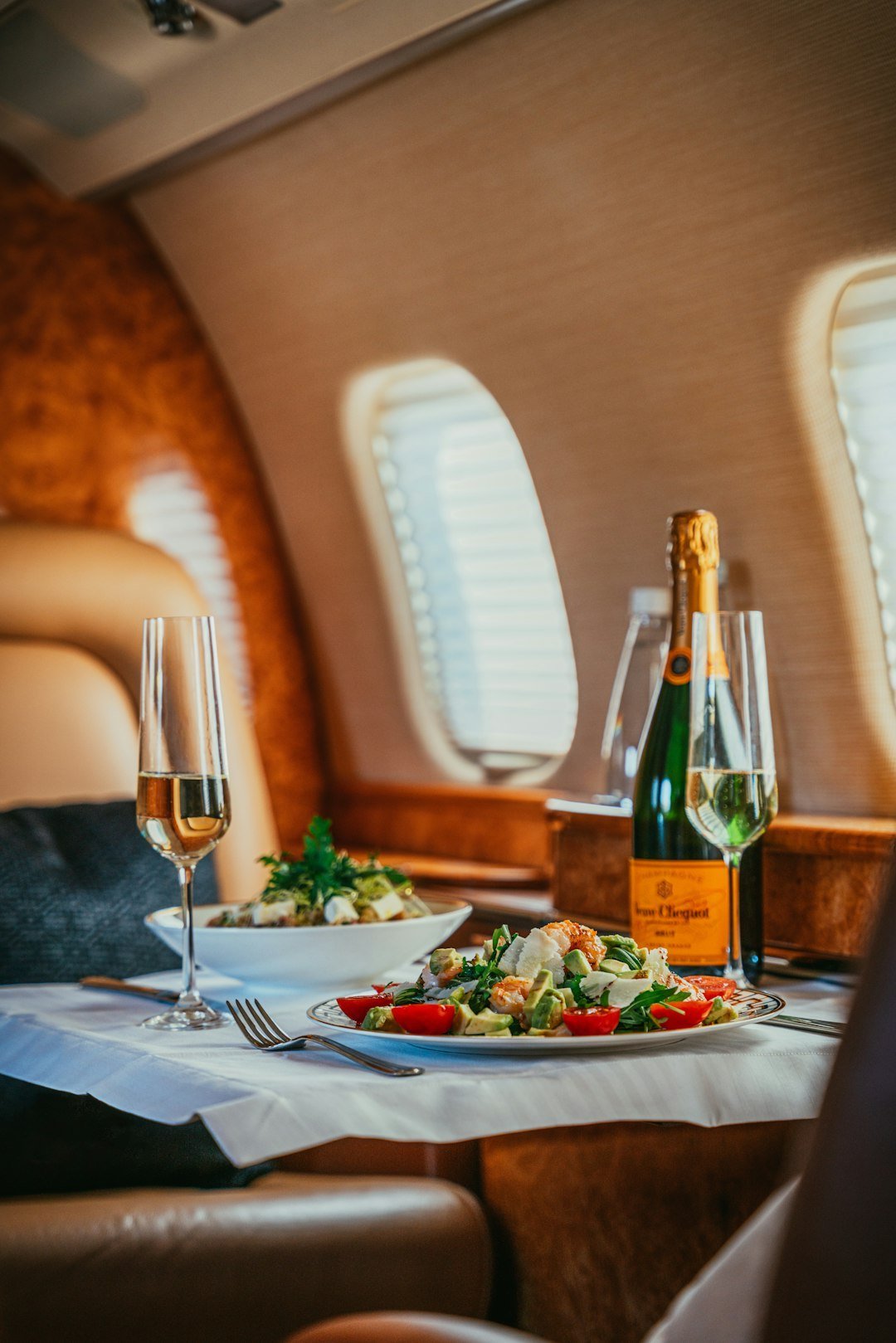
There’s a category of first-class traveler who treats complimentary champagne like they’re trying to recoup the cost of their ticket one glass at a time. It’s almost exhausting to watch. Blankets, pillows, headphones, amenity kits on international flights – some passengers treat these like collectibles, taking extras whenever possible. This behavior stems from a scarcity mindset.
Old money passengers rarely touch the second champagne. They order simply, eat what they genuinely want, and never make a scene over the menu. They keep their drink order simple and don’t spend excessive time fussing. The cabin crew has a lot of other passengers to deal with, so the easier you make it for them, the better.
It’s the same logic as never counting change at a nice restaurant. When you’ve grown up wealthy, abundance isn’t exciting. It’s just Tuesday.
6. They Never Rush to Board First
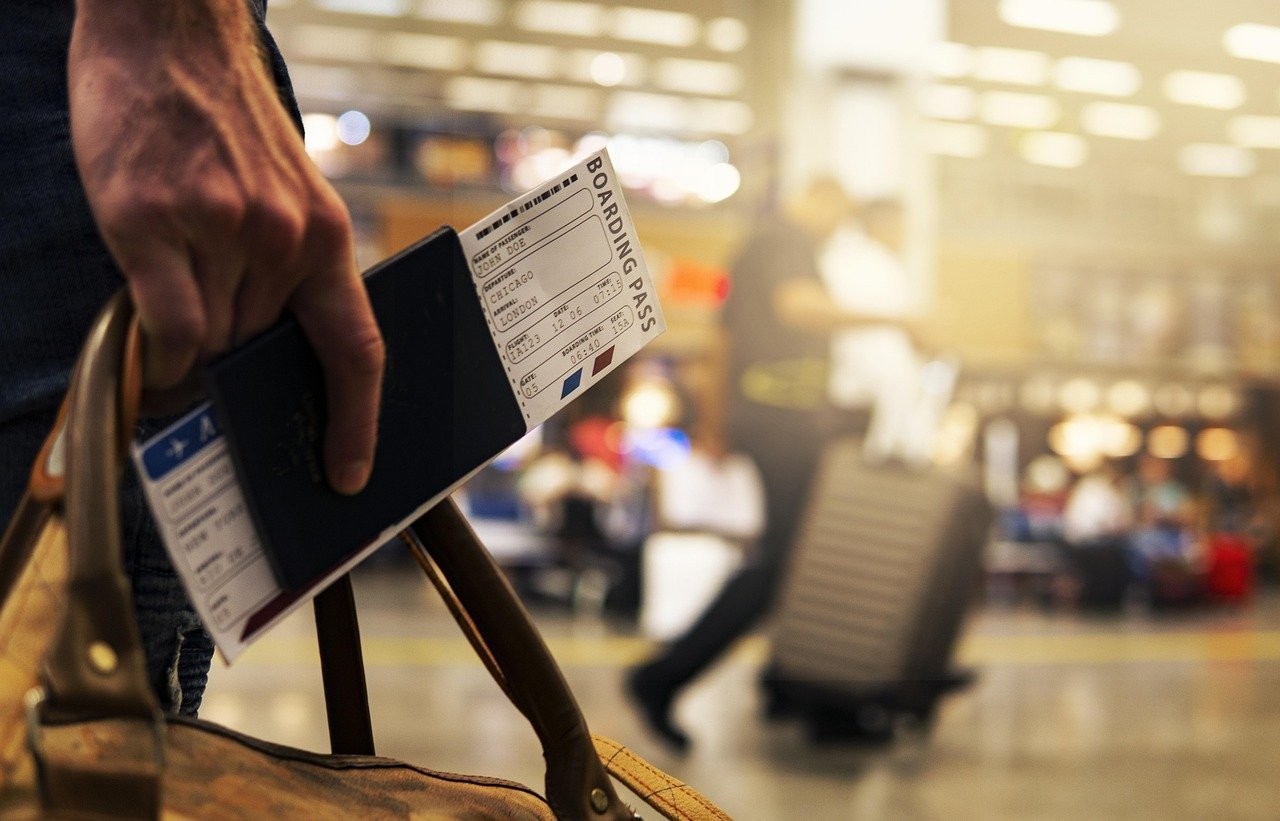
This behavior screams confidence. People who fly frequently know their bag will fit in the overhead bin because they’ve perfected their packing. They’re not stressed about finding space because they understand the system.
Seasoned, confident travelers stay seated until the chaos dies down. There’s no prize for being first on the plane. Flight attendants notice passengers who board calmly, without the frantic energy that suggests this is a rare and precious experience. Old money passengers don’t sprint down the jet bridge. They walk at a normal human pace, usually reading something.
When you’ve flown hundreds of times since childhood, boarding a plane feels about as thrilling as stepping onto an elevator. That calm is unmistakable.
7. They Never Overpack or Fight the Overhead Bin
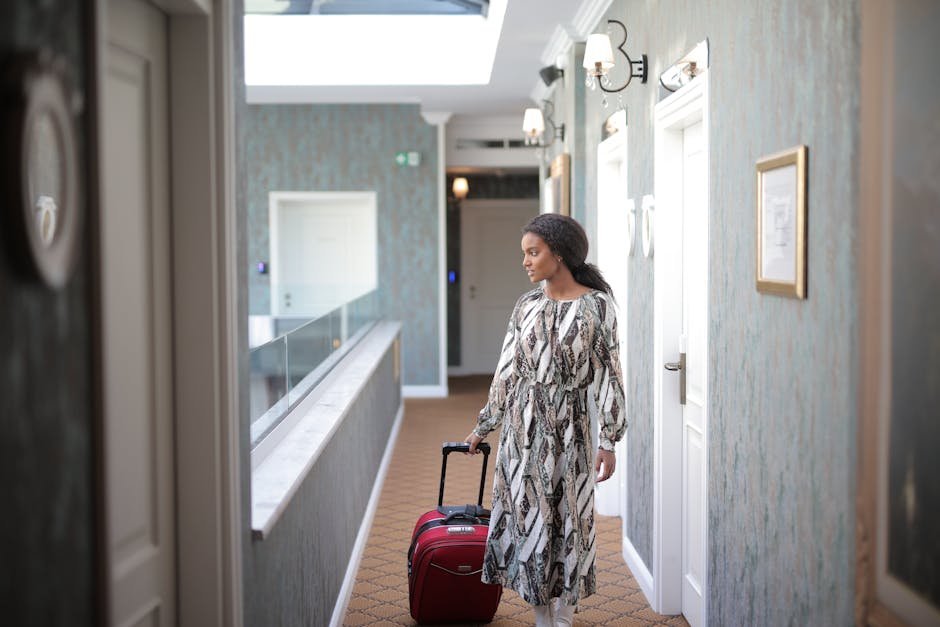
There’s a direct correlation between wealth and luggage minimalism that cabin crew recognize immediately. People with money tend to travel with a single carry-on, often quality brands. Everything fits because they’re not trying to avoid checked bag fees. They pack light because it’s more convenient.
Old money passengers travel light and they travel smart. They check bags without hesitation, or they’ve simply mastered bringing only what they actually need. Frequent flyers and those who regularly travel business class have either mastered the art of packing light or they’ve accepted that checked baggage is just part of the cost.
Think of it this way: someone anxiously jamming an overstuffed bag into an overhead bin is basically advertising that every dollar counts. Old money passengers don’t have that anxiety. It shows.
8. They Never Make a Scene During Delays or Disruptions
Delays happen. Equipment issues, weather, air traffic control. It’s aviation. What separates old money passengers from everyone else is how they handle the unexpected. The people who’d actually earned their wealth through building businesses were usually the most understanding when something went wrong.
If there is a delay or issue with a connecting flight, getting mad at the crew serves no purpose. It’s an inconvenience to the crew too – they may need to get home to friends and family and don’t earn extra for the extra time onboard. Old money passengers seem to inherently understand this. They find a quiet corner, pick up a book, and wait.
I’ve watched new money passengers threaten legal action over a twenty-minute tarmac hold. Meanwhile, the older gentleman in the window seat with the cashmere sweater and no visible logos was already asleep again. Every. Single. Time.
9. They Never Ask for Unsolicited Upgrades
Honestly, this one is almost funny at this point. Flight attendants should not be asked for an upgrade unless a passenger is paying for it on board. They do not have the authority to issue upgrades – that is something only ground staff can do, if they so choose, in case of seats being oversold. Upgrades are very rare and should never be expected or demanded.
Old money passengers never ask for this. Ever. They’re already in first class, or they’re fine with where they are. Ultrahigh-net-worth individuals prefer quiet luxury with personalized service, targeting remote, private destinations with tailored experiences available nowhere else. The idea of lobbying a flight attendant for an upgrade would simply never occur to them.
10. They Never Scroll Loudly or Perform on Social Media
Old money values privacy. They’re typically low-key and avoid flashy displays on social media. Discretion is a form of currency. In a first-class cabin, I rarely see old money passengers photographing their meal, their suite, or their amenity kit for Instagram.
New money is more likely to share their lifestyle on social media, with photos of private jets, luxury vacations, and lavish events. Old money passengers find this performative. Old money social media feeds quietly post landscapes, antique books, or understated table settings. New money style favors daily outfit grids and unboxing reels. The mystery of limited exposure actually increases perceived exclusivity.
I’ve never once seen an old money passenger hold up their phone to get a shot of the caviar service. They just eat it.
11. They Never Leave Their Space a Mess
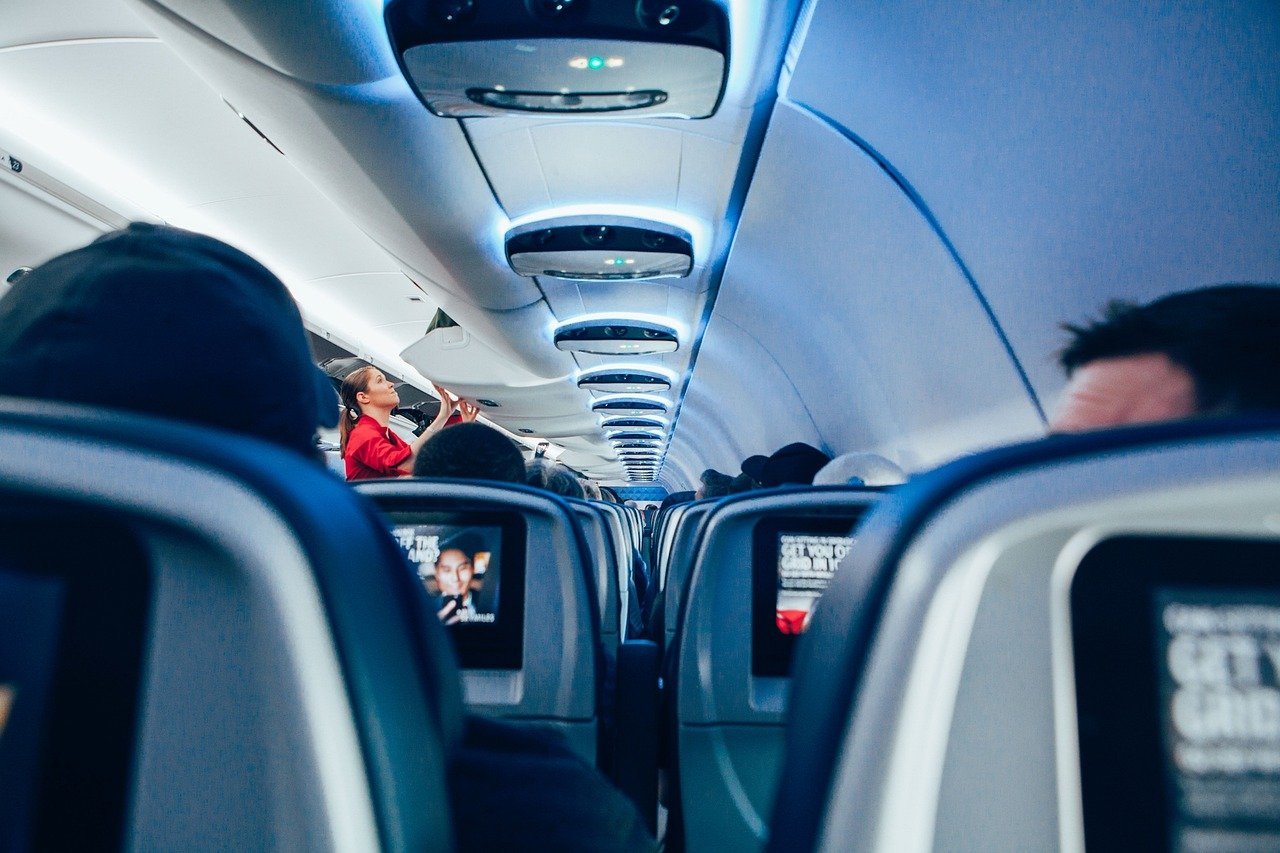
People with genuine class leave their space tidy. They put their trash in the bag when crew comes through. They put their magazines back in the seat pocket. It’s such a small thing, and it tells you almost everything.
Being organized with personal belongings and aware of how your actions affect others sets a positive example for the entire flight. By preparing thoughtfully, you help create a welcoming atmosphere for yourself and your fellow passengers from the very start. Old money passengers don’t need to be reminded of this. It’s automatic.
What matters more than any of these behaviors is basic courtesy. A smile when you board, a genuine “thank you” when appropriate, and respect for the people doing a difficult job under challenging circumstances. That’s what flight attendants remember long after you’ve left the plane. Old money passengers understand this at a cellular level. It’s never learned on the flight. It’s learned long before.
The Real Lesson Here
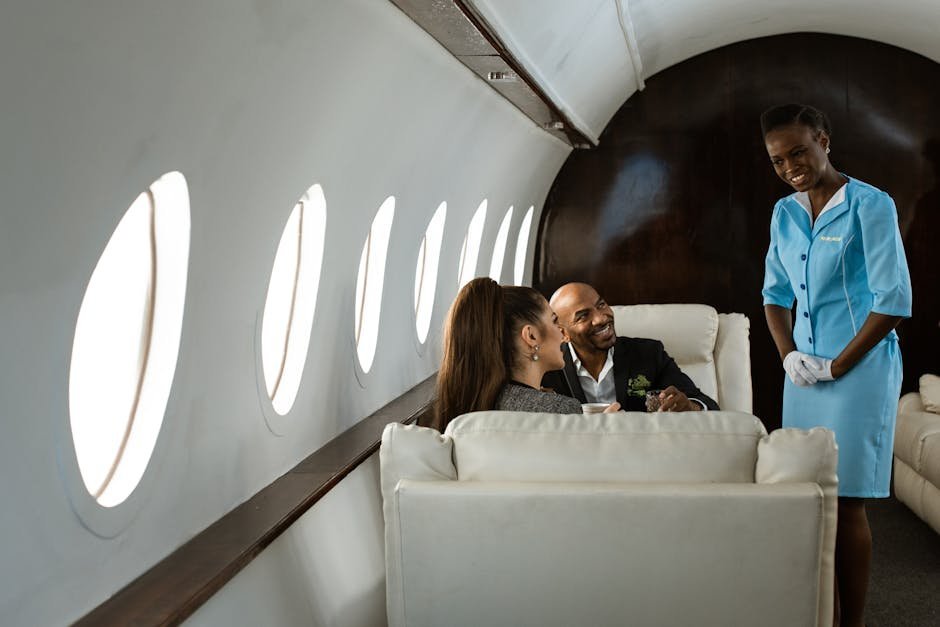
After fifteen years and thousands of flights, the pattern is undeniable. True class has nothing to do with which cabin you’re sitting in. There is more grace to be found from people in middle seats at the back than from some first-class passengers. The old money mindset isn’t really about money at all.
Real wealth tends to be quiet. It’s visible in how comfortable someone is in their environment, how little they worry about the small stuff, how easily they extend courtesy to others. That’s the whole secret, distilled into a single sentence. No flash. No performance. Just quiet, unshakeable ease.
The next time you board a flight, look for the passenger nobody is looking at. The one reading in the corner, dressed simply, calm as still water. That’s usually the most interesting person on the plane. What do you think – does any of this match what you’ve noticed too? Tell us in the comments.